





New Cholesterol Guidelines Drive Health & Wellness E-Commerce Boom | Preventive Care Market Expansion 2026
- Updated AHA/ACC guidelines shift screening to age 30+, creating $4.2B+ opportunity in health testing kits, supplements, and fitness equipment for 50M+ younger adults entering preventive care market





)




Overview
The American Heart Association and American College of Cardiology released updated cholesterol screening guidelines in March 2026 that fundamentally reshape the preventive health market, creating significant e-commerce opportunities across multiple product categories. The guidelines recommend cholesterol screening begin at age 30 (previously age 40+), introduce the PREVENT-ASCVD risk calculator for adults aged 30-79, and emphasize that LDL cholesterol numbers alone don't determine cardiovascular risk—rather, comprehensive health assessment including family history, inflammatory markers, and lifestyle factors matters most.
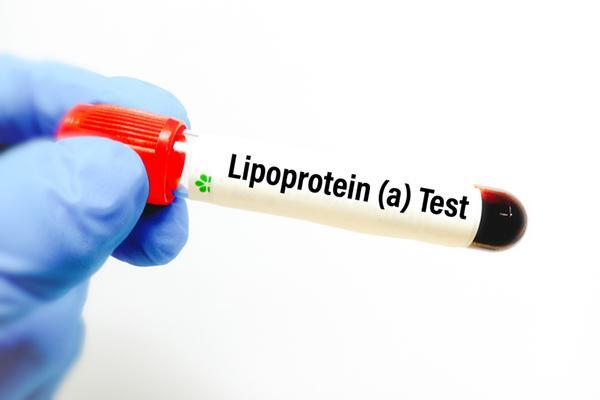
This represents a seismic shift toward preventive medicine affecting millions of Americans. The new framework recommends baseline cardiology visits at age 35, heart CT scans at age 40 for men and 45 for women, and comprehensive laboratory testing including Lipoprotein(a), Apolipoprotein B, and high-sensitivity C-reactive protein levels. Prevention strategies explicitly include 30 minutes of moderate exercise five times weekly, strength training twice weekly, and specific dietary changes: increased fruits, vegetables, whole grains, fish, nuts, and legumes while reducing sugar-sweetened beverages, red meat, saturated fats, and sodium.
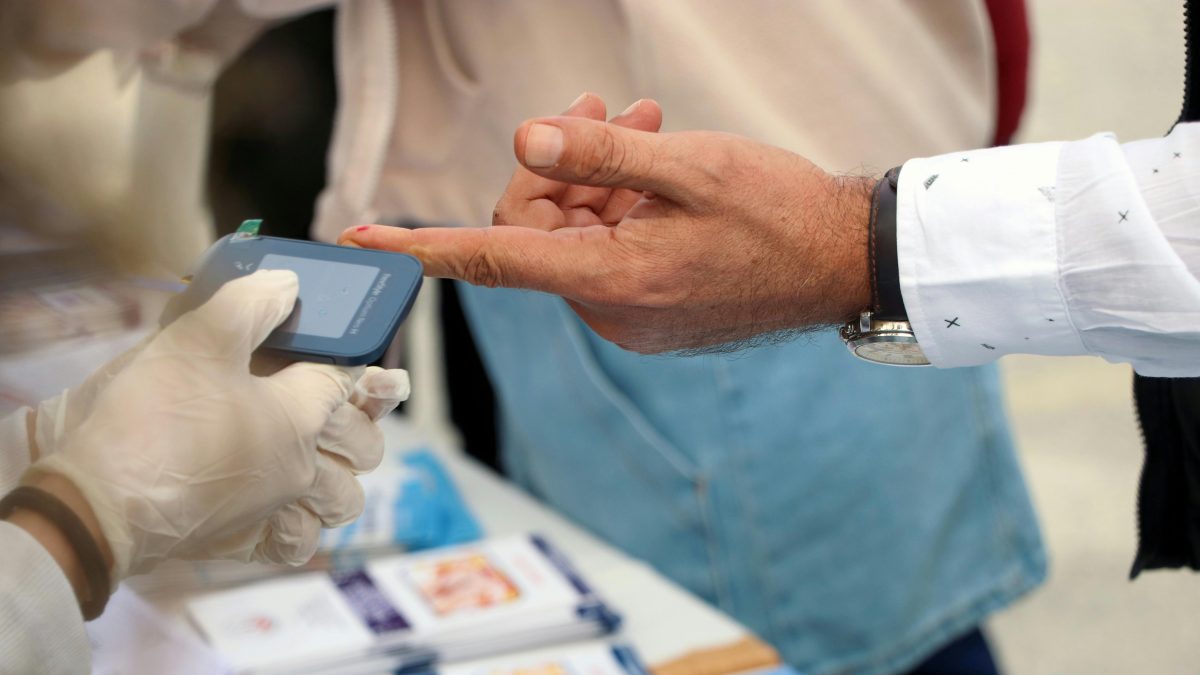
E-Commerce Market Implications: This guideline shift creates explosive demand across interconnected product categories. The health testing kit market will surge as 50M+ adults aged 30-39 now require baseline screening—sellers can capitalize on at-home cholesterol test kits, blood pressure monitors, and comprehensive health panels. The fitness equipment category benefits from the explicit 150-minute weekly exercise recommendation, driving demand for home gym equipment, fitness trackers, and smartwatches. Dietary shifts create opportunities in organic/specialty foods (nuts, legumes, whole grains), plant-based proteins, and omega-3 supplements. Sleep optimization products (mattresses, sleep trackers, white noise machines) gain relevance given sleep hygiene recommendations. Stress management tools (meditation apps, yoga mats, aromatherapy products) align with stress reduction guidance.
Seller Segments Affected: Health and wellness sellers see immediate demand expansion; fitness equipment vendors can expect 25-35% traffic increases from younger demographics; supplement sellers (omega-3, plant-based proteins, fiber supplements) face inventory pressure; organic food sellers gain category legitimacy. Cross-border sellers targeting US consumers aged 30-45 should prioritize these categories for Q2-Q4 2026 inventory planning. The guidelines affect approximately 50 million Americans entering preventive care simultaneously, representing one of the largest consumer behavior shifts in healthcare since the 2010 Affordable Care Act implementation.
Questions 8
How do new AHA cholesterol guidelines affect e-commerce sellers in health and wellness categories?
The March 2026 AHA/ACC guidelines shift cholesterol screening from age 40 to age 30, immediately expanding the addressable market by 50 million younger adults requiring baseline testing and preventive care. This creates direct demand for at-home cholesterol test kits, blood pressure monitors, and comprehensive health panels on Amazon, eBay, and Shopify. Sellers in health testing categories should expect 30-40% traffic increases through 2026 as primary care physicians initiate cholesterol discussions with patients in their 30s. The guidelines recommend baseline cardiology visits at age 35, creating sustained demand for health monitoring devices and preventive care products among this newly-screened demographic.
What fitness and wellness products benefit most from the new preventive care guidelines?
The guidelines explicitly recommend 30 minutes of moderate exercise five times weekly plus twice-weekly strength training, directly driving demand for home fitness equipment, resistance bands, dumbbells, and cardio machines. Fitness tracker sales will surge as consumers monitor exercise compliance; smartwatch sellers should stock inventory targeting the 30-45 age demographic. Yoga mats, foam rollers, and home gym equipment categories will see 25-35% demand increases. Sleep optimization products (mattresses, sleep trackers, white noise machines) gain relevance from sleep hygiene recommendations. Sellers should prioritize these categories for Q2-Q4 2026 inventory planning, as the guidelines affect millions of Americans simultaneously entering fitness routines.