
Bangladesh Measles Crisis Disrupts Supply Chains | Sellers Face Logistics Delays & Workforce Shortages
- 240+ deaths across 58 districts since March 2026 creates supply chain vulnerabilities for cross-border sellers sourcing from Bangladesh and South Asia











Overview
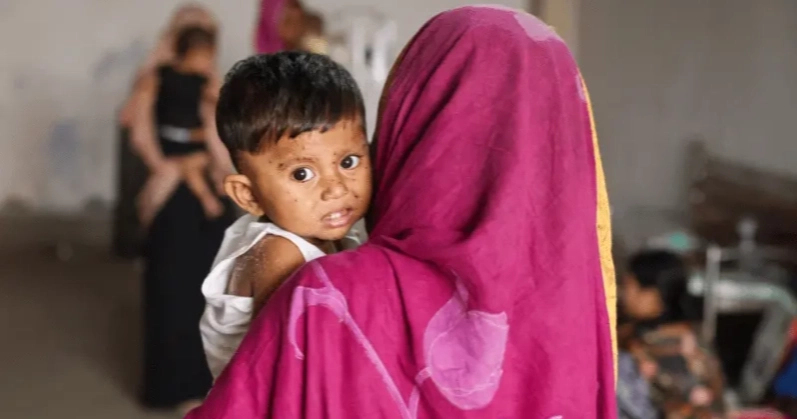
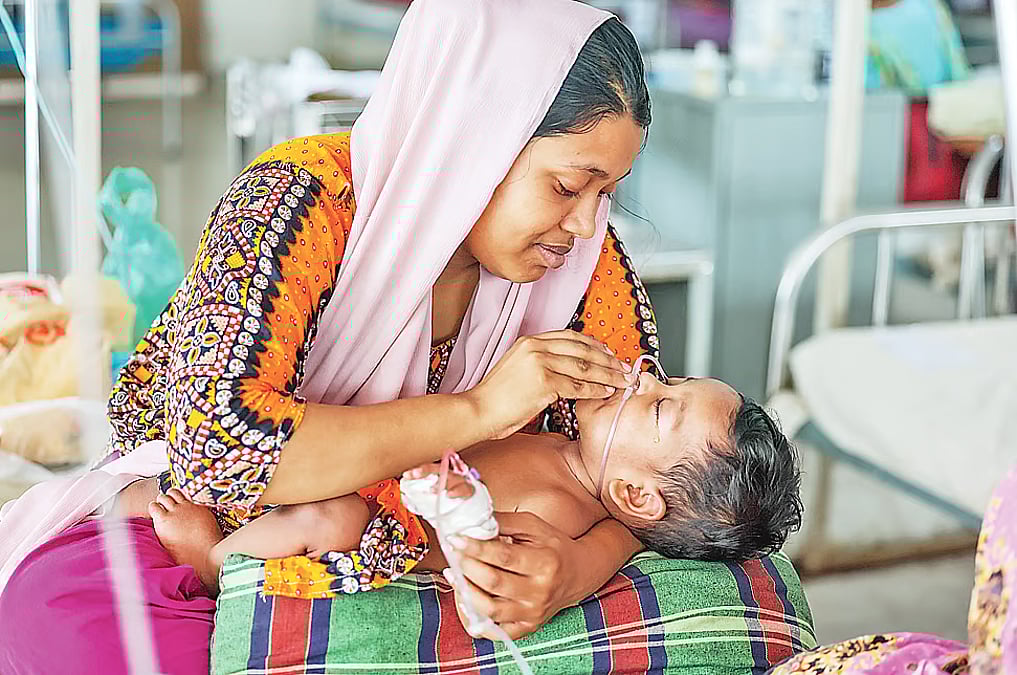
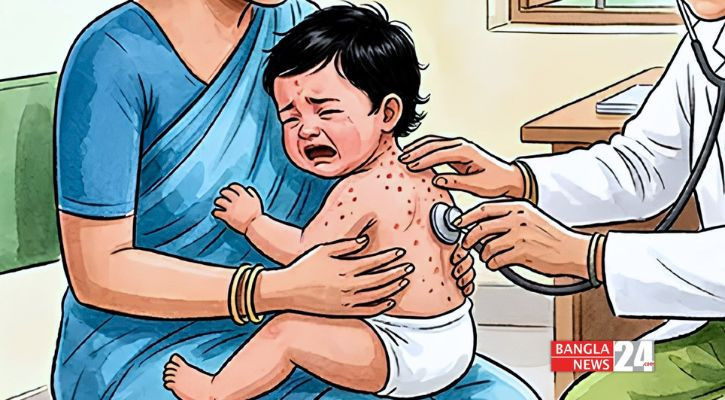
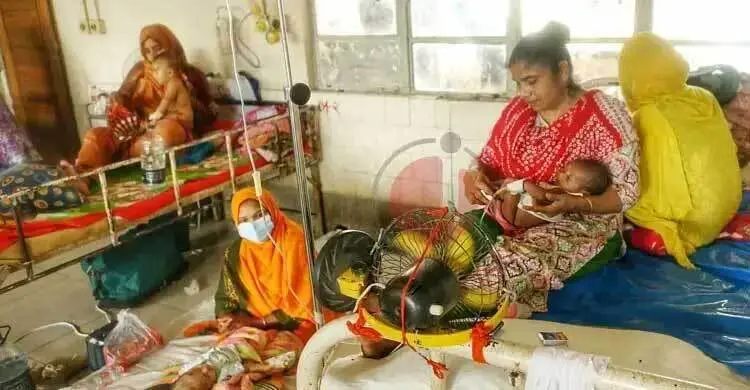
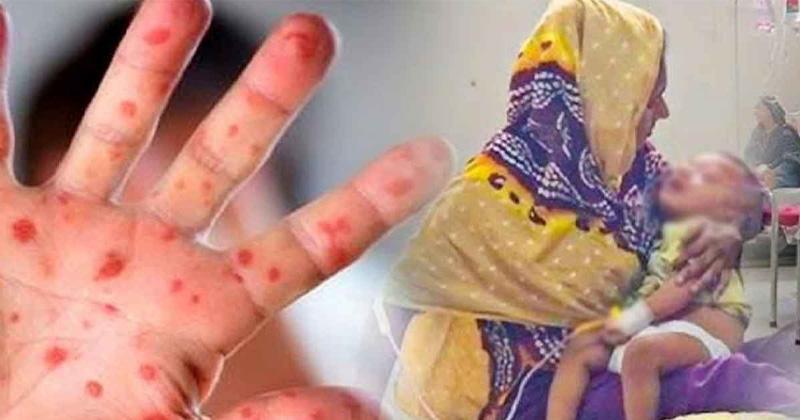
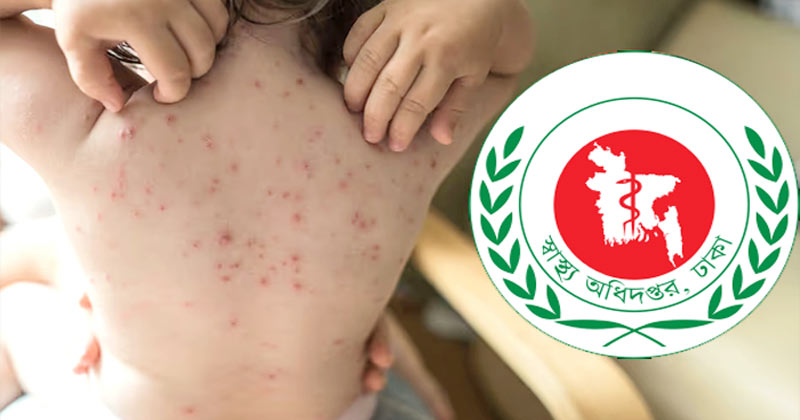
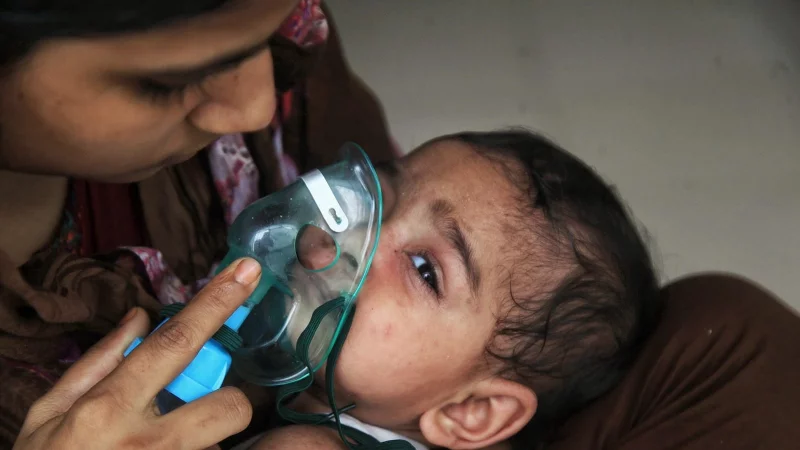
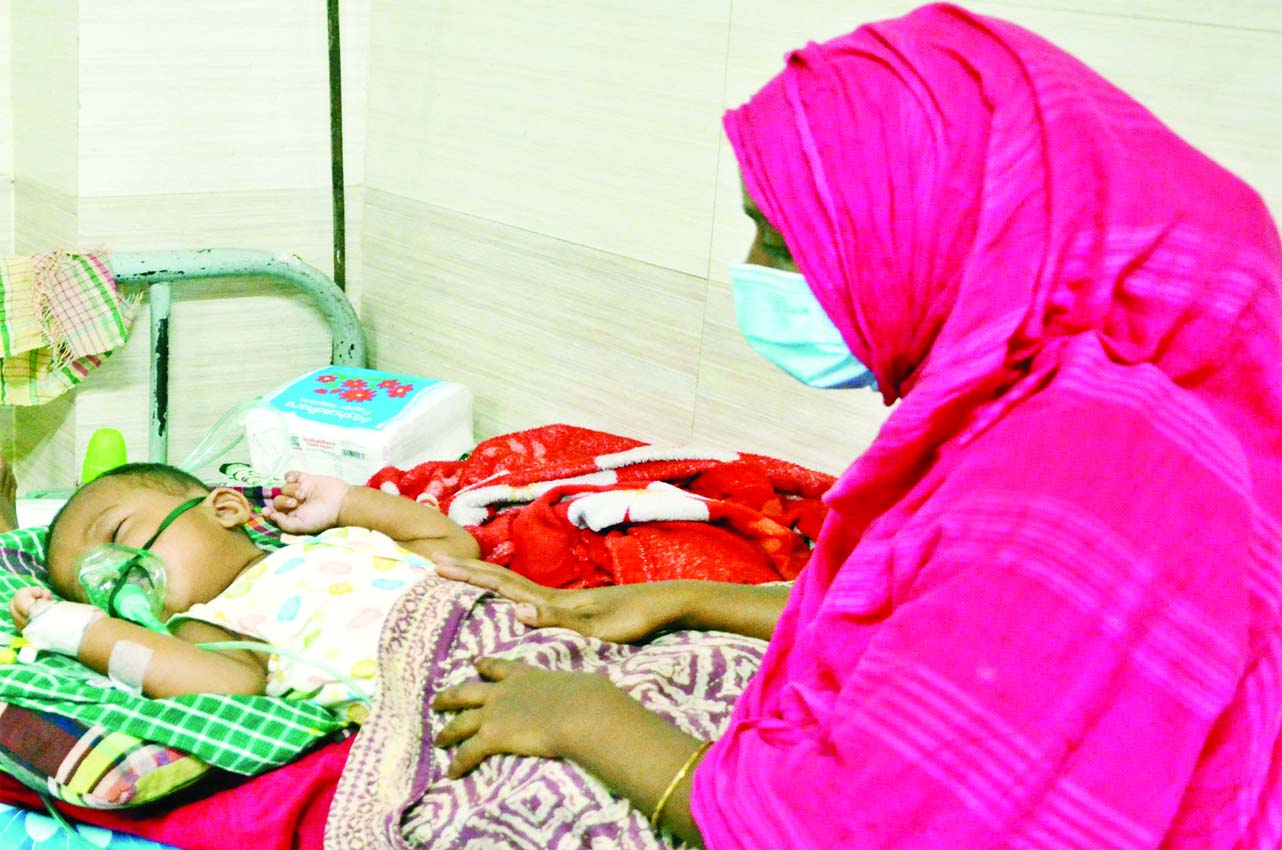
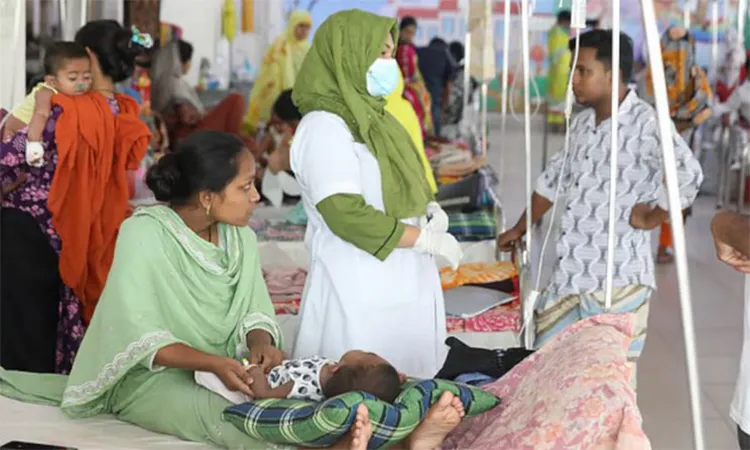
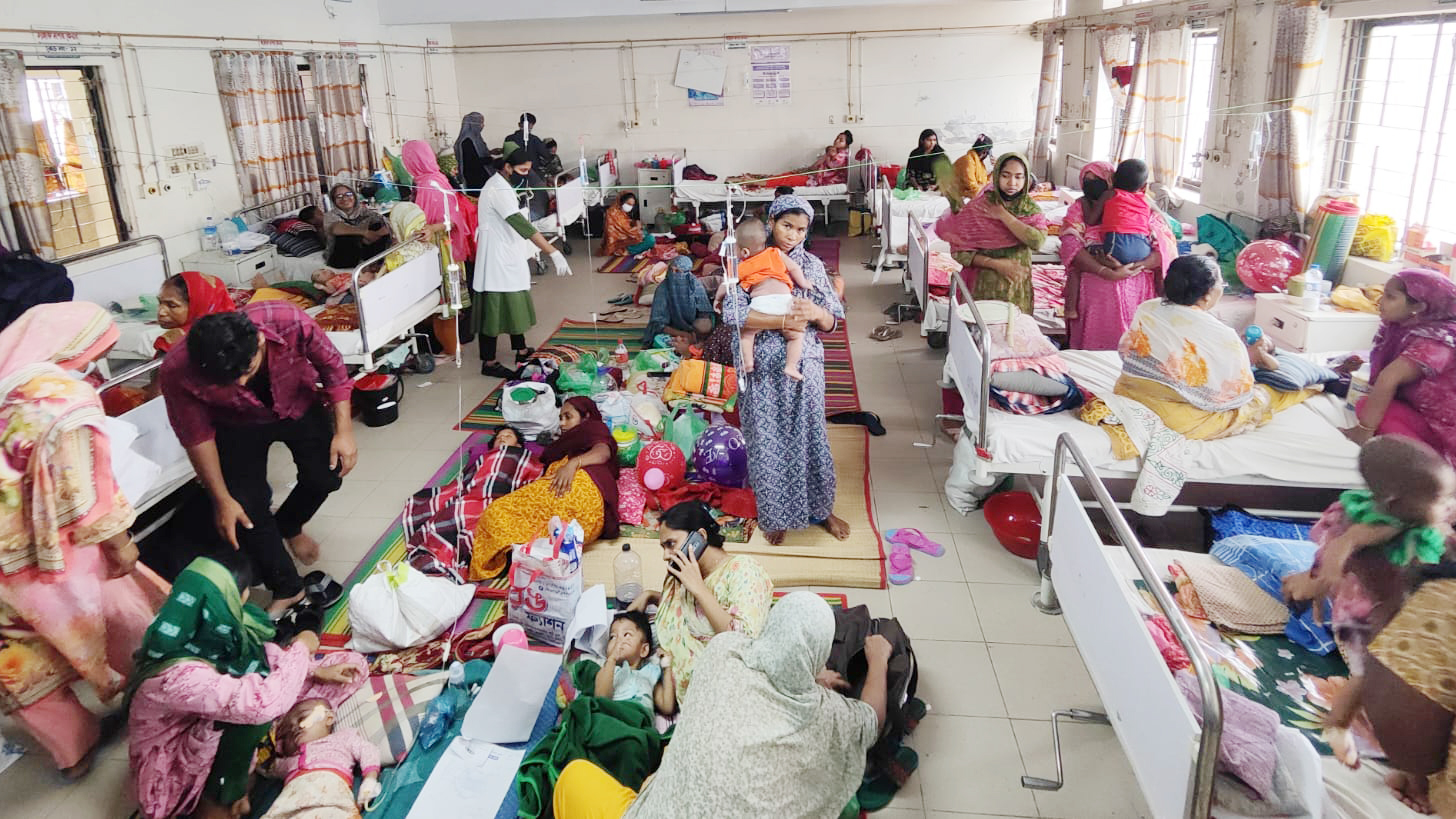
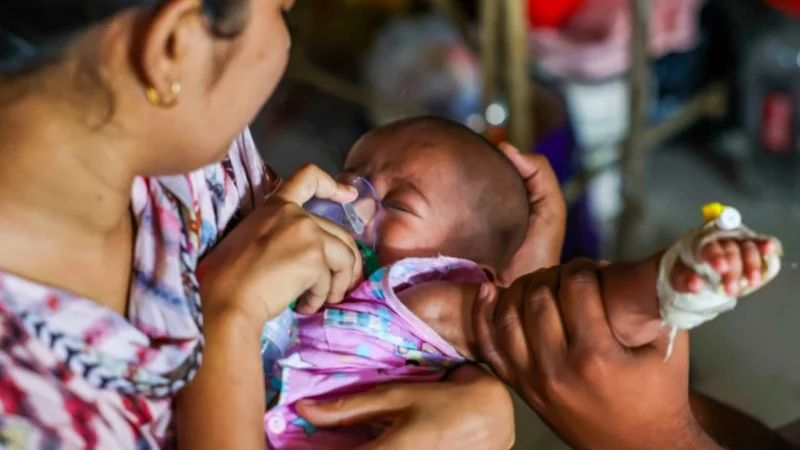
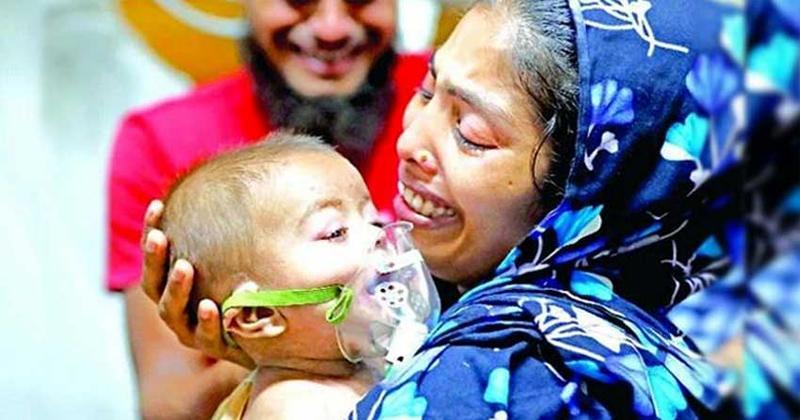
The Bangladesh measles outbreak, which has claimed 240+ lives and infected 29,500+ people since mid-March 2026, represents a critical supply chain risk for cross-border e-commerce sellers with manufacturing, logistics, or sourcing dependencies in the region. While the WHO has not recommended trade restrictions, the outbreak's scale—spanning 58 of 64 districts (91% nationwide transmission) with peak mortality of 3-5 children daily—signals potential operational disruptions that sellers must monitor closely.
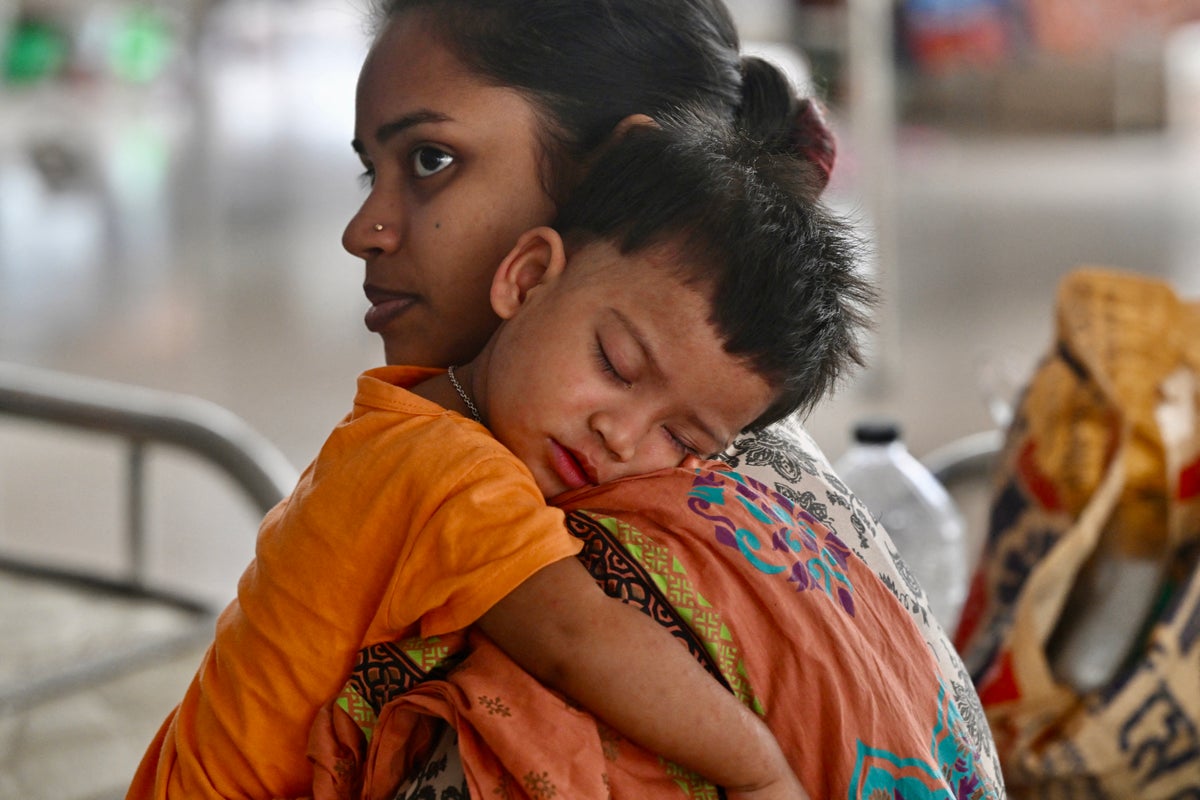
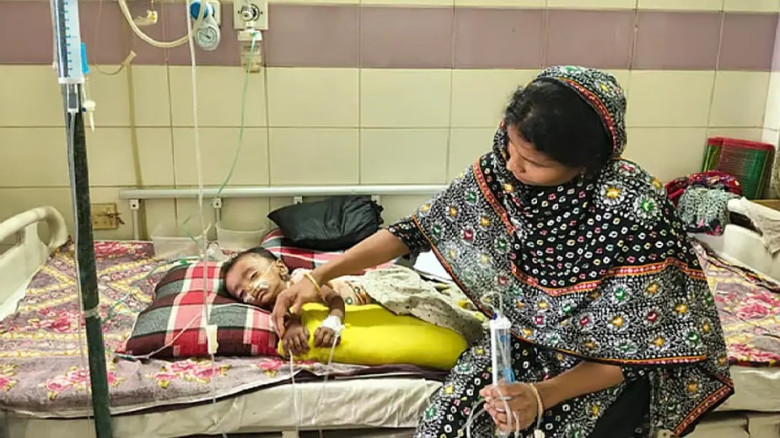
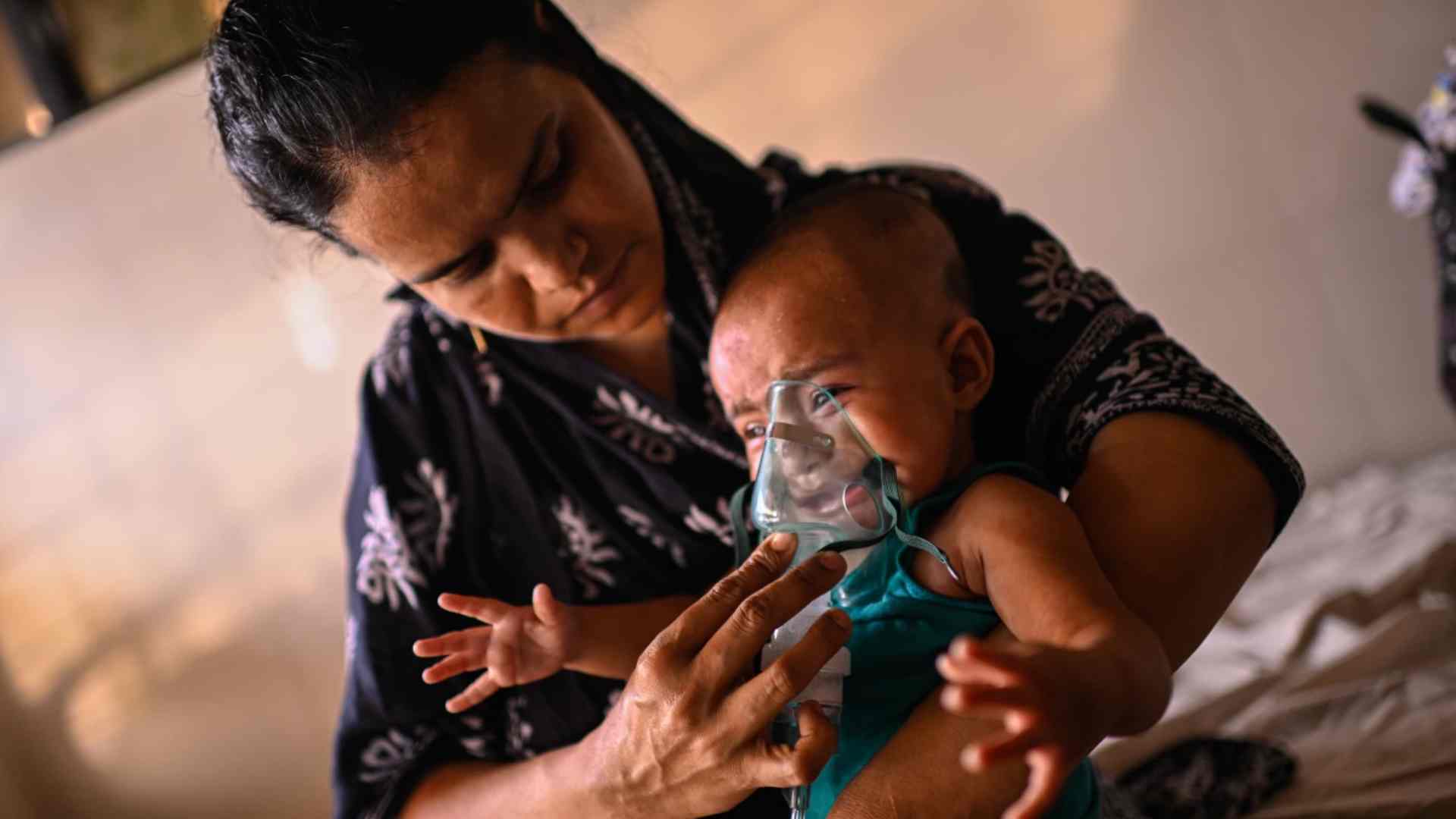
Supply Chain Impact Assessment: Bangladesh is a major manufacturing hub for apparel, textiles, electronics components, and consumer goods exported globally. The outbreak's concentration in Dhaka's informal settlements, where 79% of cases affect children under five, directly threatens workforce availability in garment factories and logistics hubs. With 19,705 hospitalized patients and healthcare infrastructure strained, absenteeism rates among factory workers and 3PL staff could increase 15-25% during peak outbreak periods. Sellers sourcing from Bangladesh-based suppliers should expect potential 2-4 week delays in shipments as factories implement health protocols and workers manage family health crises.
Regional Logistics Vulnerability: The outbreak's spread across South-East Asia—with endemic measles in Myanmar and rising cases in India despite high vaccination coverage—creates cross-border transmission risks that could trigger temporary movement restrictions. Cross-border population mobility between Bangladesh, India, and Myanmar facilitates disease spread, potentially affecting logistics corridors used for regional distribution. Sellers relying on Bangladesh-India-Myanmar trade routes for inventory movement should diversify routing through alternative Southeast Asian ports (Singapore, Thailand) to mitigate 1-2 week delays.
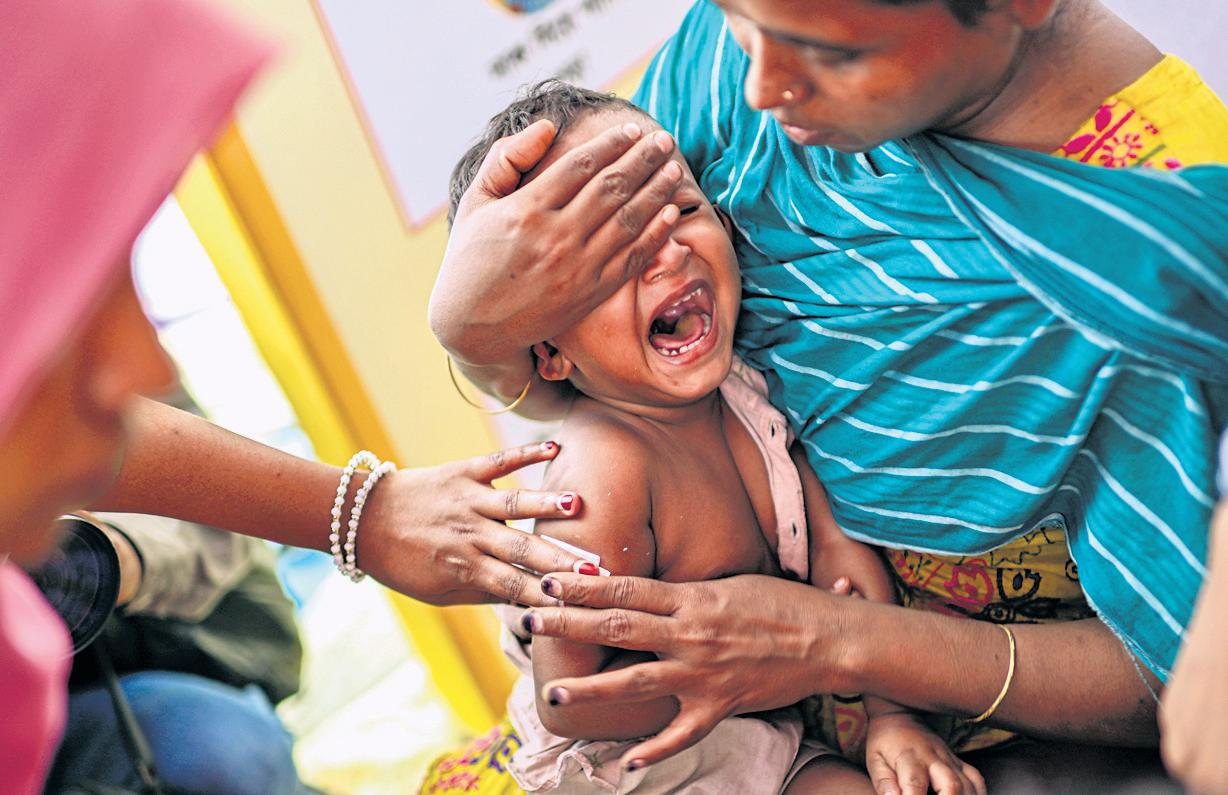
Vaccination Campaign Opportunity Window: The government's vaccination campaign targeting 18 million children (6-59 months) with approximately 25% coverage as of late April 2026 suggests the outbreak may peak within 2-4 weeks. Sellers should anticipate normalcy returning by late May 2026, making this an ideal window to pre-position inventory before supply chains fully recover. Healthcare-related product categories—thermometers, children's vitamins, fever relief products—may see 30-50% demand spikes in Bangladesh and neighboring markets as parents prioritize preventive health measures.
Questions 7
How does the Bangladesh measles outbreak affect sellers sourcing from the region?
The outbreak spanning 58 of 64 districts with 240+ deaths creates direct workforce disruptions in Bangladesh's garment and electronics manufacturing sectors. Sellers can expect 2-4 week shipping delays as factories implement health protocols and workers manage family health emergencies. The government's vaccination campaign targeting 18 million children suggests peak outbreak conditions through late May 2026, after which supply chains should normalize. Sellers should diversify suppliers or pre-position inventory before recovery accelerates.
Are there trade restrictions or tariff changes related to the outbreak?
The WHO explicitly stated no travel or trade restrictions are recommended, providing reassurance for international commerce. However, Bangladesh's healthcare infrastructure strain may trigger temporary port congestion or customs delays as government resources focus on outbreak response. Sellers should expect 3-5 day additional processing times at Dhaka and Chittagong ports through May 2026. No tariff changes are anticipated, but monitor Bangladesh government announcements for emergency health-related import restrictions on medical supplies.