


US-Spain Trade Tensions | Tariff Risk & Market Volatility for EU Sellers
- Geopolitical friction between Trump administration and Spanish leadership signals potential tariff escalation affecting 15,000+ EU-based sellers shipping to US markets
Overview
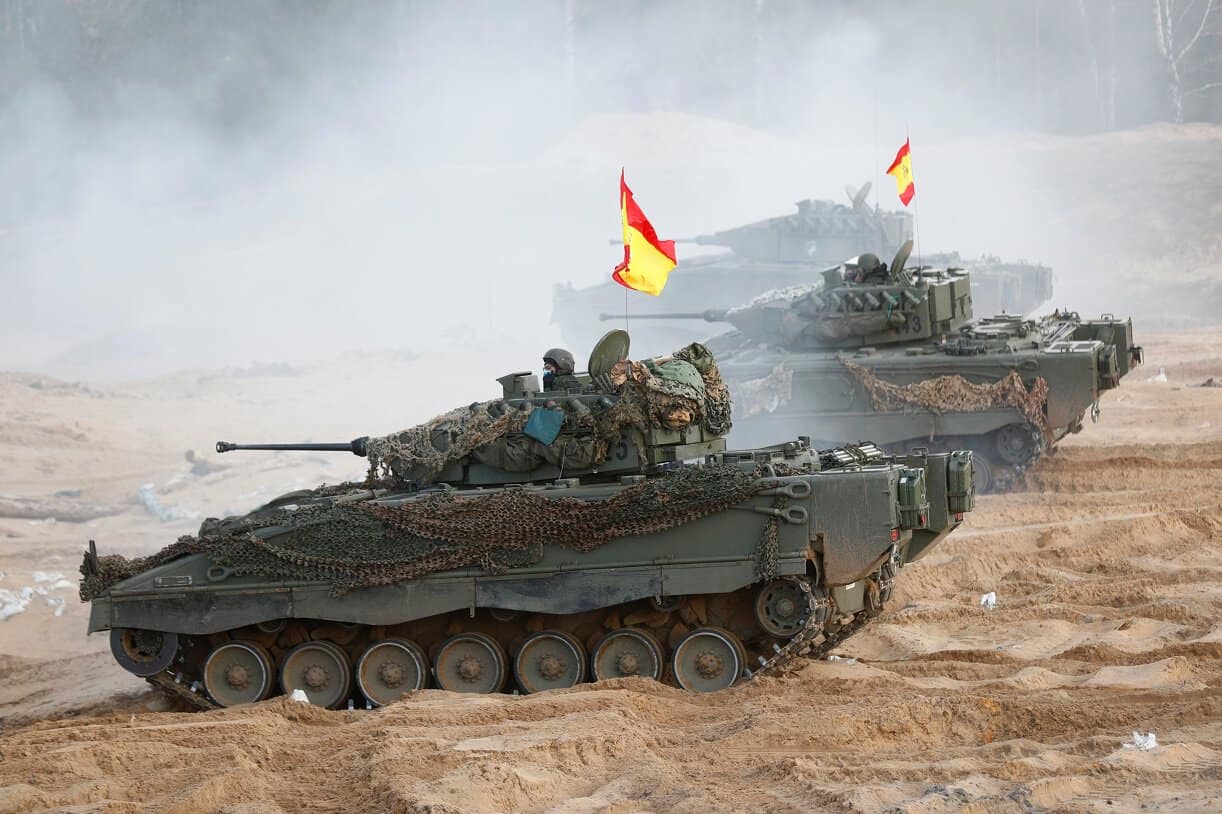
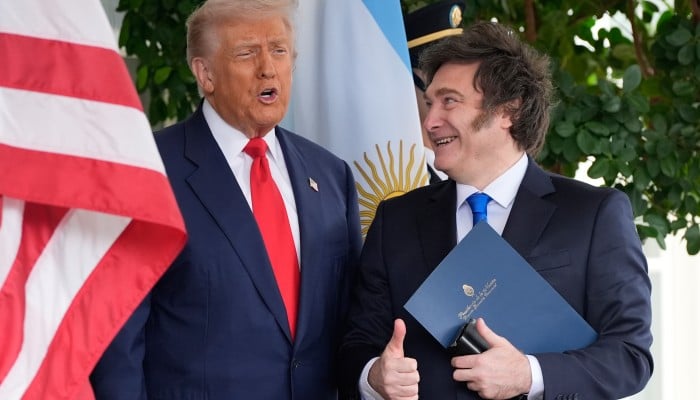
The escalating geopolitical tensions between the Trump administration and Spanish Prime Minister Pedro Sánchez over military intervention policies represent a critical risk factor for cross-border e-commerce sellers operating in the US-EU trade corridor. While the news coverage lacks specific policy details, the underlying political confrontation signals potential trade policy shifts that could impact tariff structures, customs procedures, and market access for European sellers. Historically, US-Spain diplomatic tensions have preceded tariff adjustments and increased customs scrutiny on Spanish and broader EU imports.
Tariff Arbitrage Implications: The confrontation suggests elevated risk of retaliatory tariffs on Spanish-origin products and EU goods transiting through Spain. Sellers sourcing from Spain (machinery, automotive parts, ceramics, wine—HS codes 8407-8409, 7007-7010, 2204) face potential 10-25% tariff increases if trade tensions escalate. This directly compresses margins for sellers relying on Spanish suppliers or manufacturing. Mid-market sellers (annual revenue $500K-$5M) are most vulnerable, as they lack the scale to absorb tariff costs or diversify sourcing quickly.
Market Access Shifts: Political friction typically precedes customs procedure changes. Spanish sellers should anticipate: (1) Extended customs clearance times (currently 2-3 days, potentially extending to 5-7 days), (2) Increased documentation requirements for Spanish-origin goods, (3) Potential anti-dumping investigations targeting Spanish categories. These delays directly impact Amazon FBA restocking cycles and eBay inventory turnover, reducing competitive velocity for Spanish-based sellers.
Competitive Dynamics: US-based sellers and sellers sourcing from non-EU countries (Vietnam, India, Mexico) gain relative advantage if EU tariffs increase. Sellers currently using Spanish suppliers should evaluate alternative sourcing from Portugal, Italy, or non-EU countries to hedge tariff risk. The timing window for sourcing diversification is critical—typically 60-90 days before formal tariff announcements.
Strategic Sourcing Opportunity: Sellers can exploit tariff arbitrage by shifting 20-30% of Spanish-sourced inventory to Mexico or Vietnam before potential tariff escalation. Mexican suppliers (USMCA-advantaged) offer 0-5% tariff rates versus potential 15-25% on Spanish goods, creating 10-20 percentage point margin improvements on affected categories.
Questions 8
Should I shift my sourcing away from Spain to other EU countries?
Partial diversification is strategic. Spain-specific tariff risk is elevated, but broader EU tariffs could also increase. Optimal strategy: (1) Keep 50-60% Spanish sourcing for categories where Spain has cost advantages (ceramics, wine), (2) Shift 20-30% to Mexico/Vietnam for tariff-sensitive categories (machinery, electronics), (3) Maintain 10-20% with Portugal/Italy as EU alternatives. This hedges against Spain-specific tariffs while preserving cost advantages. Calculate your current Spain-sourced revenue by category and prioritize shifts in highest-margin products first. Timeline: execute 50% of sourcing changes within 60 days.
What compliance steps should I take now to prepare for tariff changes?
Immediate actions (0-30 days): (1) Audit your supplier list—identify all Spain-origin goods by HS code and current tariff rates, (2) Request tariff classification letters from US Customs for ambiguous products, (3) Calculate tariff impact scenarios (10%, 15%, 25% increases) on your top 20 SKUs, (4) Review your Amazon Seller Central and eBay pricing to identify margin compression points. Strategic actions (30-90 days): (1) Negotiate price reductions with Spanish suppliers (they may offer 5-10% discounts to maintain volume), (2) Identify alternative suppliers in Mexico, Portugal, Vietnam, (3) Update your supply chain documentation for customs compliance. Avoid: holding large Spanish inventory—if tariffs increase, you'll be locked into high-cost stock.