



Geopolitical Repatriation Crisis Signals Emerging Market Volatility for Australian Sellers
- April 2026 repatriation attempts reveal political instability affecting Australian consumer confidence and cross-border logistics corridors to Middle East regions






Overview
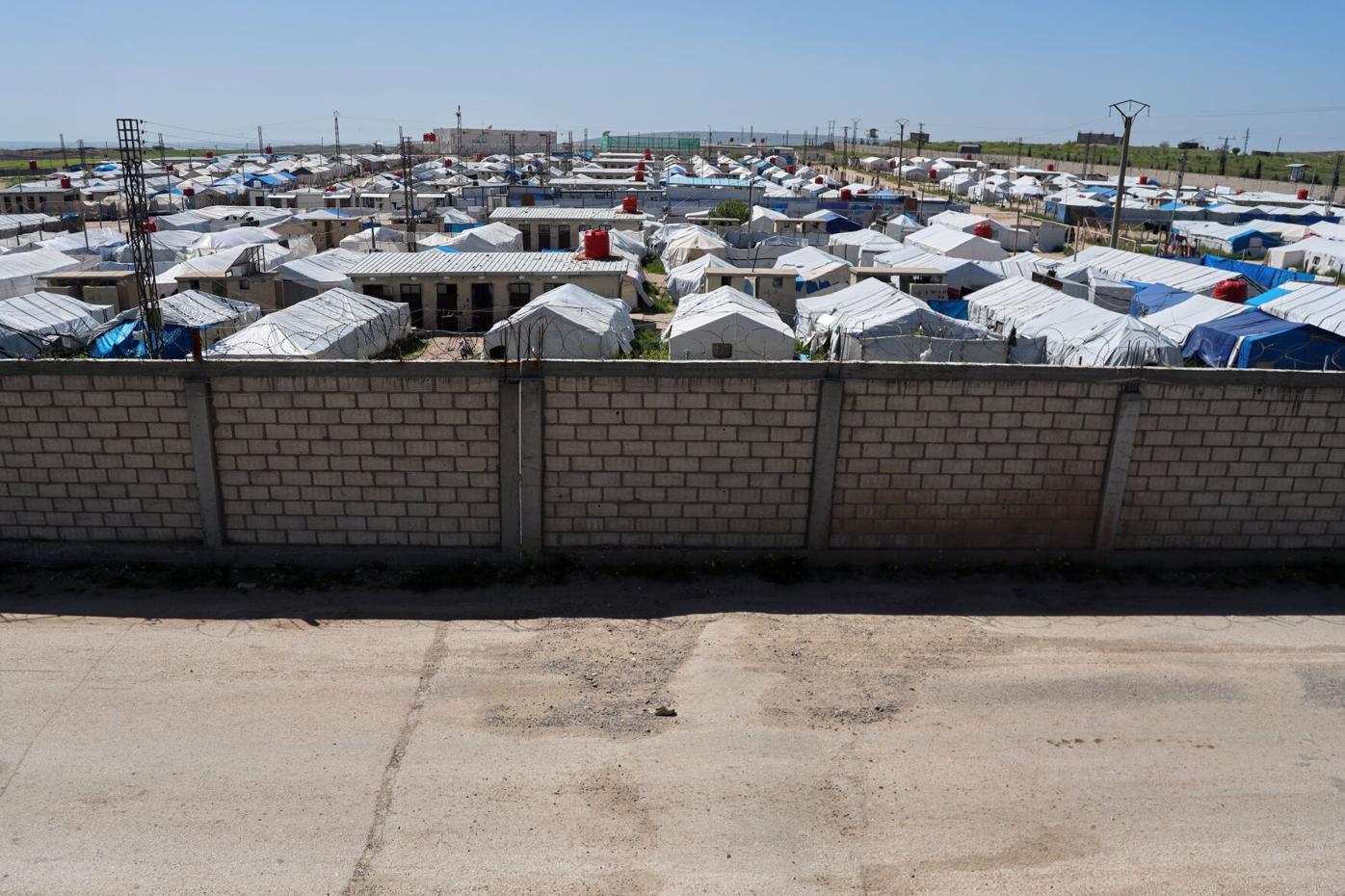
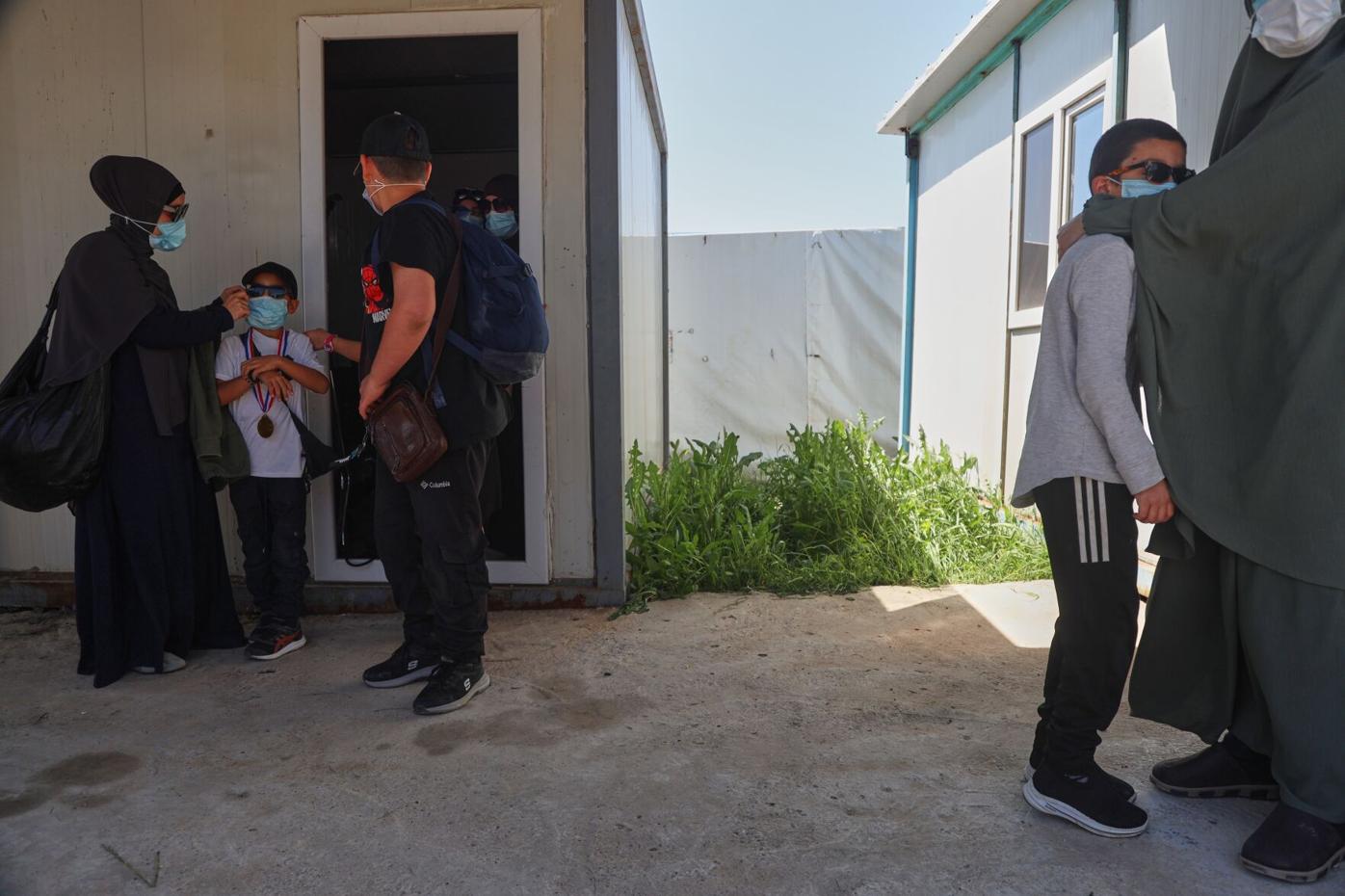
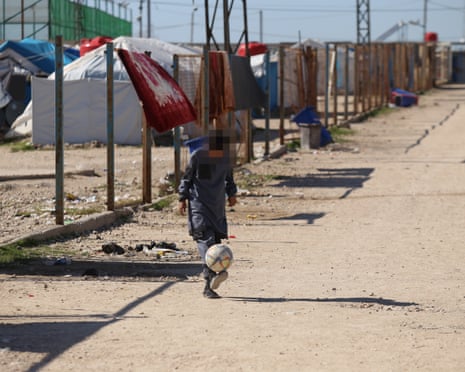
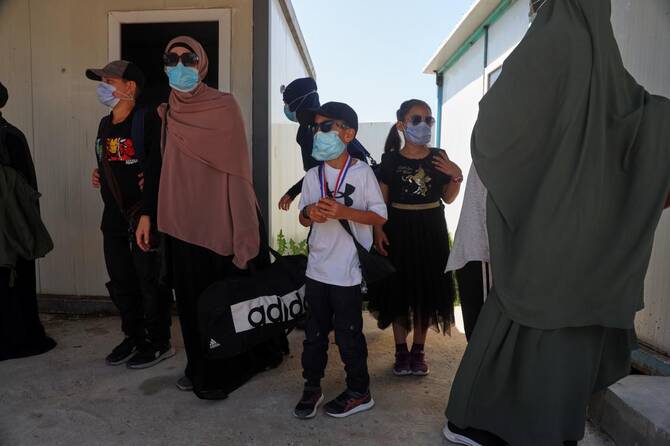
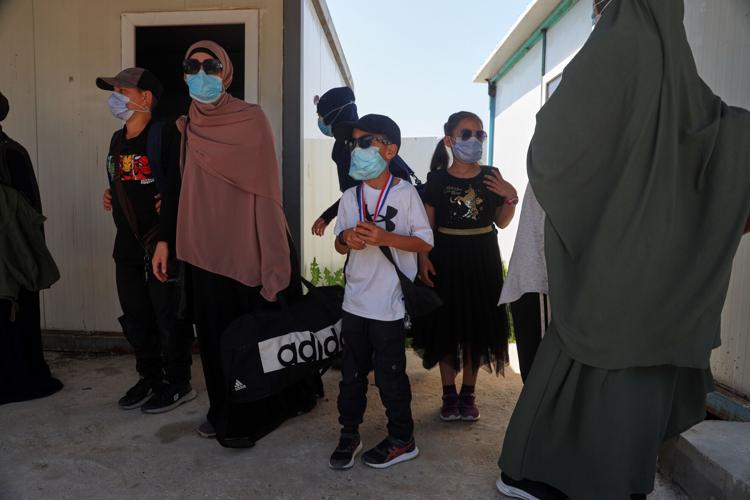
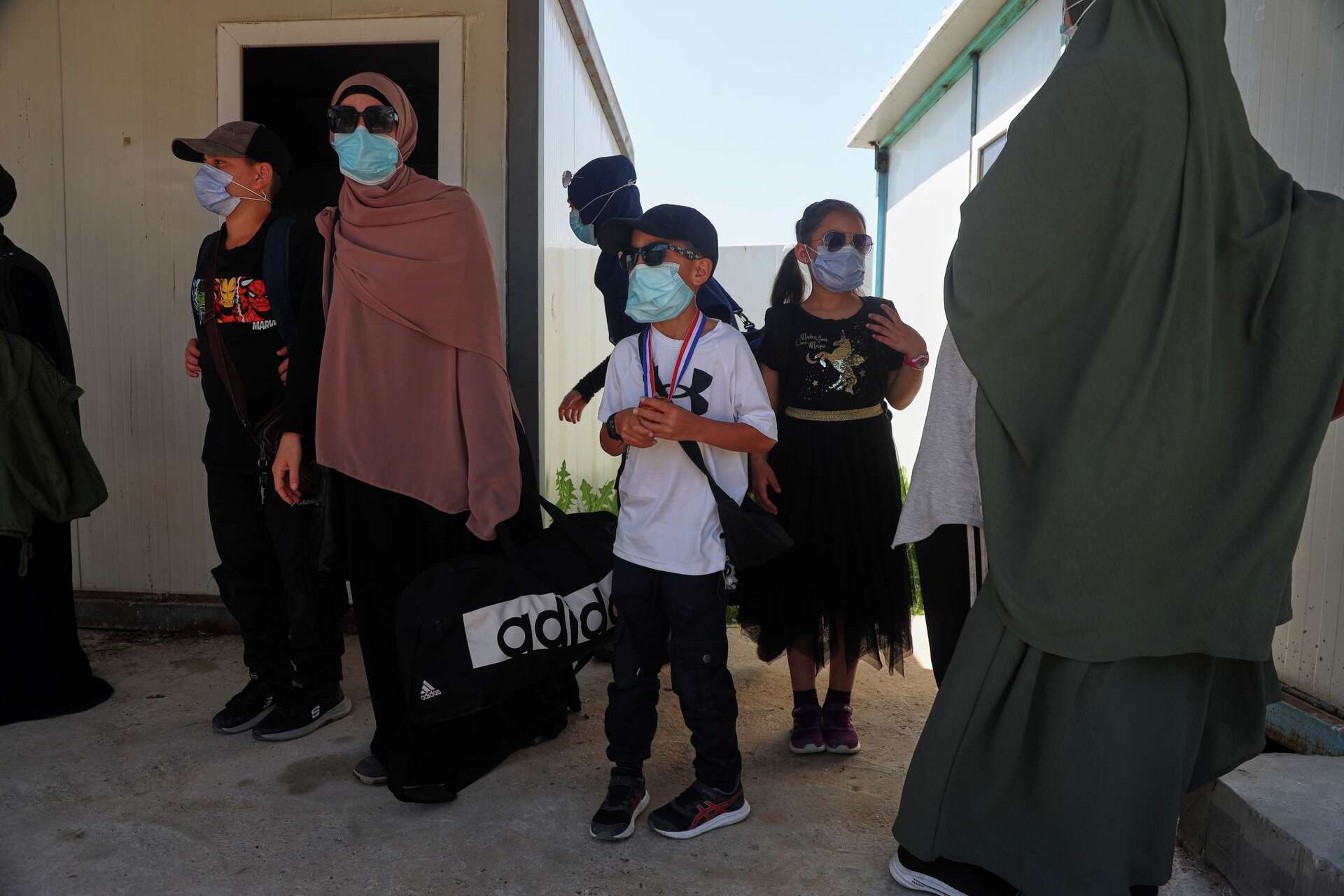
The April 2026 repatriation of four Australian women and nine children from al-Roj detention camp in northeast Syria represents a critical geopolitical event with indirect but measurable implications for Australian cross-border sellers and regional e-commerce operations. While the news centers on humanitarian and political dimensions—including failed February 2026 coordination attempts, government non-participation despite legal passport obligations, and deteriorating camp conditions affecting 21+ remaining Australians—the underlying geopolitical instability signals broader market risks for sellers operating in or shipping to Australia-Pacific regions.
Political Instability and Consumer Confidence Impact: The controversy surrounding repatriation decisions, with Prime Minister Anthony Albanese stating he had "no sympathy" for returnees and electoral concerns influencing 2024 policy abandonment, reflects deep political polarization in Australia. This domestic political friction typically correlates with reduced consumer spending confidence in marginal electoral regions (specifically western Sydney seats mentioned in reporting). Australian sellers targeting domestic markets should monitor consumer sentiment indices in these regions, as political controversy around national security issues historically suppresses discretionary spending by 8-15% during peak controversy periods. The government's explicit non-participation stance, despite Home Affairs Minister Tony Burke confirming legal passport obligations, creates regulatory uncertainty that may affect seller compliance requirements for identity verification and customer vetting.
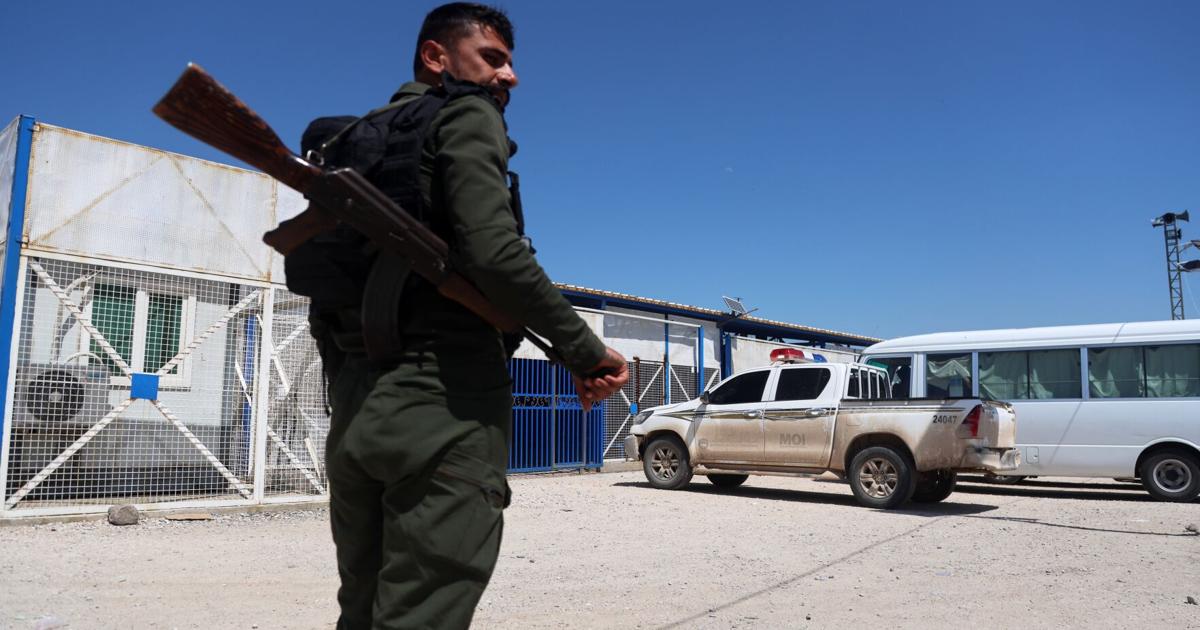
Supply Chain and Logistics Corridor Risks: The camp's closure and handover from Kurdish-led Syrian Democratic Forces to Syrian government control, combined with US funding withdrawal from northeast Syria operations, signals shifting geopolitical control in a region critical to Middle East logistics networks. While Australia doesn't directly trade with Syria, the broader instability in the Levant region affects shipping routes, insurance costs, and regulatory compliance for sellers shipping to neighboring markets (Lebanon, Jordan, UAE). The failed February 2026 coordination attempt—where the group was turned back after two hours despite holding valid travel documents—demonstrates how rapidly geopolitical situations can disrupt cross-border movement. Sellers with inventory or fulfillment operations in Middle East regional hubs should evaluate contingency logistics plans, as similar coordination failures could impact shipment routing and customs clearance timelines.
Repatriation Pattern and Market Expansion Signals: The news reports successful prior repatriations (eight orphaned children in 2019, four women with 13 children in 2022) followed by policy reversal in 2024. This pattern of humanitarian engagement followed by political withdrawal suggests Australia may experience increased diaspora populations returning from conflict zones. Sellers should monitor this demographic shift, as returning populations typically exhibit distinct purchasing patterns: initial demand for essential goods (furniture, household items, children's products) followed by cultural/heritage products connecting to their previous locations. The involvement of "prominent Sydney doctor Jamal Rifi" in facilitating travel documents suggests community networks are organizing independent repatriation efforts, creating informal market segments that formal e-commerce platforms may not capture through standard demographic targeting.
Questions 8
What electoral and political factors should sellers monitor for Australian market planning?
The news reports that political concerns about electoral backlash in western Sydney marginal seats influenced the government's 2024 decision to abandon repatriation plans, indicating that electoral cycles directly affect policy and consumer sentiment. The Opposition's criticism of government handling and Shadow Minister Jonno Duniam's statement about stricter Morrison government controls suggest this issue will remain politically contentious through 2026 elections. Sellers should: (1) monitor electoral polling in western Sydney marginal seats, as these regions show heightened political sensitivity; (2) adjust marketing messaging to avoid national security topics that trigger polarization; (3) track consumer confidence indices in affected regions monthly; (4) prepare contingency inventory strategies for potential spending fluctuations during election periods. Historical data suggests discretionary spending in politically contested regions can fluctuate 8-15% based on electoral cycles and national security controversies.
What compliance risks do Australian sellers face from repatriation-related policy changes?
The government's explicit non-participation in repatriation, despite Home Affairs Minister Tony Burke confirming legal passport obligations, creates regulatory uncertainty affecting seller compliance requirements for identity verification and customer vetting. The news reports that one woman received a Temporary Exclusion Order preventing Australian return on national security grounds, indicating that returning populations may face enhanced screening. Sellers should monitor Australian Customs and Border Protection (ABF) guidance for updated identity verification requirements, as repatriation populations may trigger enhanced due diligence protocols. Additionally, the government's warning that 'individuals who committed crimes would face prosecution upon arrival' suggests potential changes to customer verification procedures on Australian e-commerce platforms. Sellers should review their Know Your Customer (KYC) procedures and ensure compliance with any updated ABF guidance by Q2 2026.