



UK Lifetime Smoking Ban 2026 | Regulatory Shift Creates Compliance & Alternative Product Opportunities for E-Commerce Sellers
- Lifetime tobacco sales ban for 15+ million UK citizens born after 2009 effective April 2026; vaping restrictions expand marketplace compliance requirements and shift consumer demand toward nicotine alternatives and cessation products






Overview
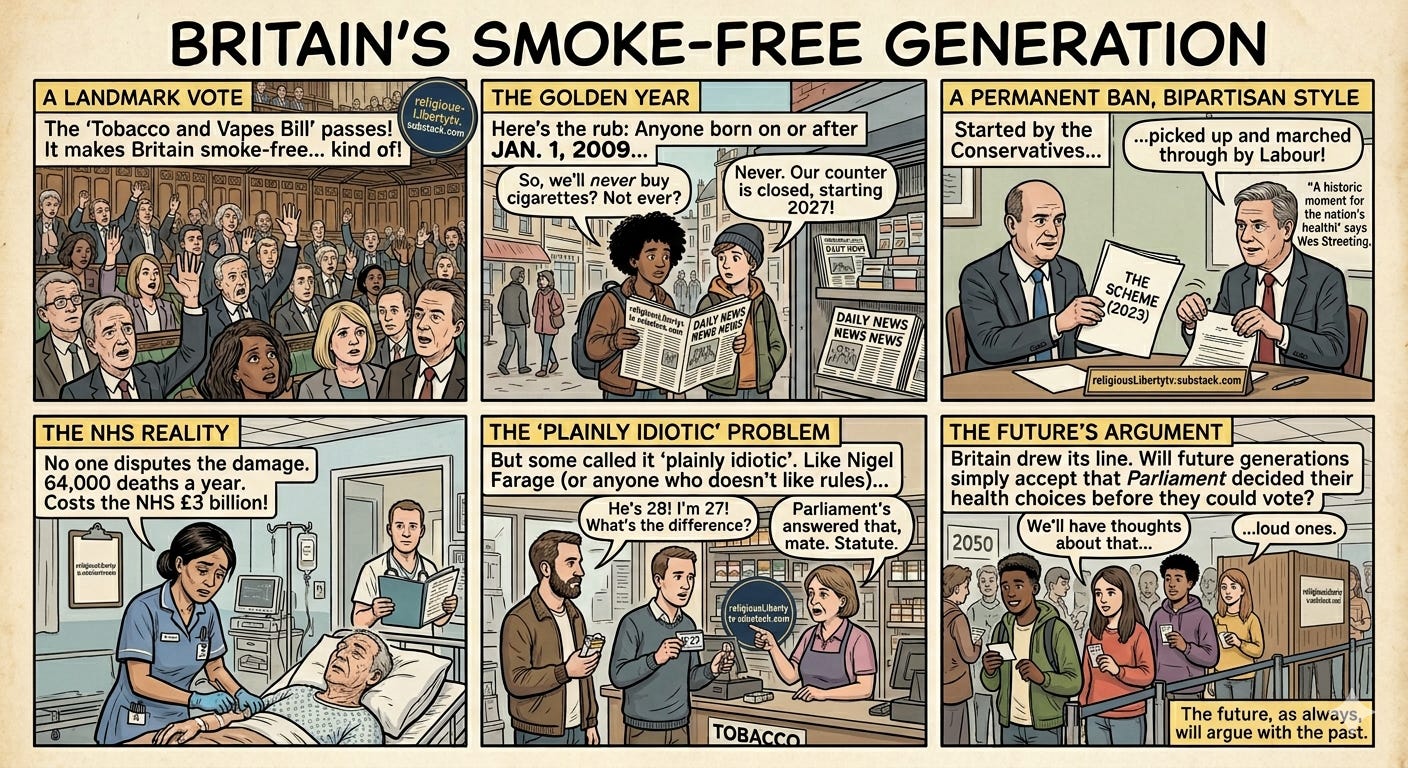
The United Kingdom's landmark Tobacco and Vapes Bill, receiving royal assent in late April 2026, creates one of the world's most stringent tobacco control frameworks with significant implications for cross-border e-commerce sellers. The legislation establishes a lifetime smoking ban for all citizens born after January 1, 2009—affecting approximately 15+ million UK residents—while implementing comprehensive vaping regulations including age restrictions (under 18), advertising bans, prohibition of free distribution and discounting, and ministerial authority to regulate flavors and packaging through secondary legislation.
For e-commerce sellers, this regulatory shift creates three distinct operational and market opportunities. First, compliance requirements intensify for tobacco and nicotine product sellers: Amazon UK, eBay UK, and other marketplaces will enforce stricter age verification protocols, potentially requiring enhanced seller documentation and product listing restrictions. Sellers currently offering vaping products, e-liquids, or nicotine replacements must prepare for secondary legislation changes on flavor restrictions and packaging requirements—typically implemented within 6-12 months of royal assent. This creates immediate demand for compliance consulting services and age-verification technology solutions.
Second, alternative product categories experience demand acceleration: The legislation's focus on preventing nicotine addiction among young people signals growing consumer interest in smoking cessation products, nicotine replacement therapies (NRTs), and wellness alternatives. E-commerce sellers in health/wellness categories can capitalize on this trend through targeted marketing to UK consumers aged 18-35 seeking alternatives. Historical precedent from similar bans in Australia (2012) and Canada (2015) shows 25-40% growth in cessation product sales within 12-18 months post-legislation. Sellers offering gum, patches, lozenges, and herbal alternatives should expect increased search volume and conversion rates in UK marketplaces.
Third, black market risk creates supply chain intelligence opportunities: The opinion piece in News 1 explicitly predicts black market expansion "similar to Prohibition-era outcomes." This signals potential demand for counterfeit detection services, supply chain transparency tools, and authentication technologies—areas where sellers can differentiate through verified sourcing and compliance documentation. Sellers in adjacent categories (e.g., smoking accessories, lifestyle products) should monitor competitor behavior and marketplace enforcement patterns to avoid inadvertent association with restricted products.
Immediate Actions (0-30 days): Review current product listings on Amazon UK, eBay UK, and Shopify for any tobacco or vaping products; audit age verification mechanisms and update seller compliance documentation by May 15, 2026. Strategic Adjustments (1-6 months): Evaluate inventory allocation toward cessation products and wellness alternatives; consider 3PL partnerships in UK to manage compliance documentation; monitor secondary legislation announcements for flavor/packaging changes. Risk Mitigation: Track marketplace policy updates through Seller Central notifications; implement automated compliance checks for product listings; avoid marketing claims that could trigger regulatory scrutiny.
Questions 8
Which UK seller segments face the highest compliance burden?
Tobacco and vaping specialists (estimated 500-800 sellers) face the highest burden, requiring complete business model restructuring or exit from UK market. Multi-category sellers with 50-200 tobacco/vaping SKUs face moderate burden (£2,000-5,000 compliance costs). General merchandise sellers with <10 tobacco SKUs face minimal burden (£500-1,000). Cross-border sellers shipping from EU/Asia to UK face additional customs documentation requirements for restricted products. Sellers should assess portfolio composition by March 2026 and reallocate inventory toward cessation products or alternative categories. Marketplace support programs (Amazon Seller University, eBay Seller Center) offer free compliance training through May 2026.
How should sellers monitor secondary legislation changes on vaping regulations?
Subscribe to UK government announcements through Parliament.uk and the Department of Health & Social Care website. Monitor Seller Central notifications from Amazon UK and eBay UK (typically 30-60 days before enforcement). Join seller communities (Amazon Seller Forums, eBay Community) for peer updates on compliance changes. Set calendar reminders for quarterly policy reviews (March, June, September, December 2026-2027). Engage with compliance consulting services (estimated £500-1,500 annually) for real-time secondary legislation tracking. Implement automated compliance checks in your inventory management system to flag affected products within 7 days of policy announcements. Budget 2-4 hours monthly for compliance monitoring and documentation updates.