





Celebrity Memecoin Merchandise Contests Drive $1.35B Trading Volume | Seller Opportunity in Branded Collectibles
- Trump family crypto ventures generate $336M+ in H1 2025 sales; branded merchandise (watches, sneakers, fragrances) drive 18,882 wallet participation; collectible merchandise category shows 80%+ price volatility creating arbitrage opportunities for cross-border sellers















Overview
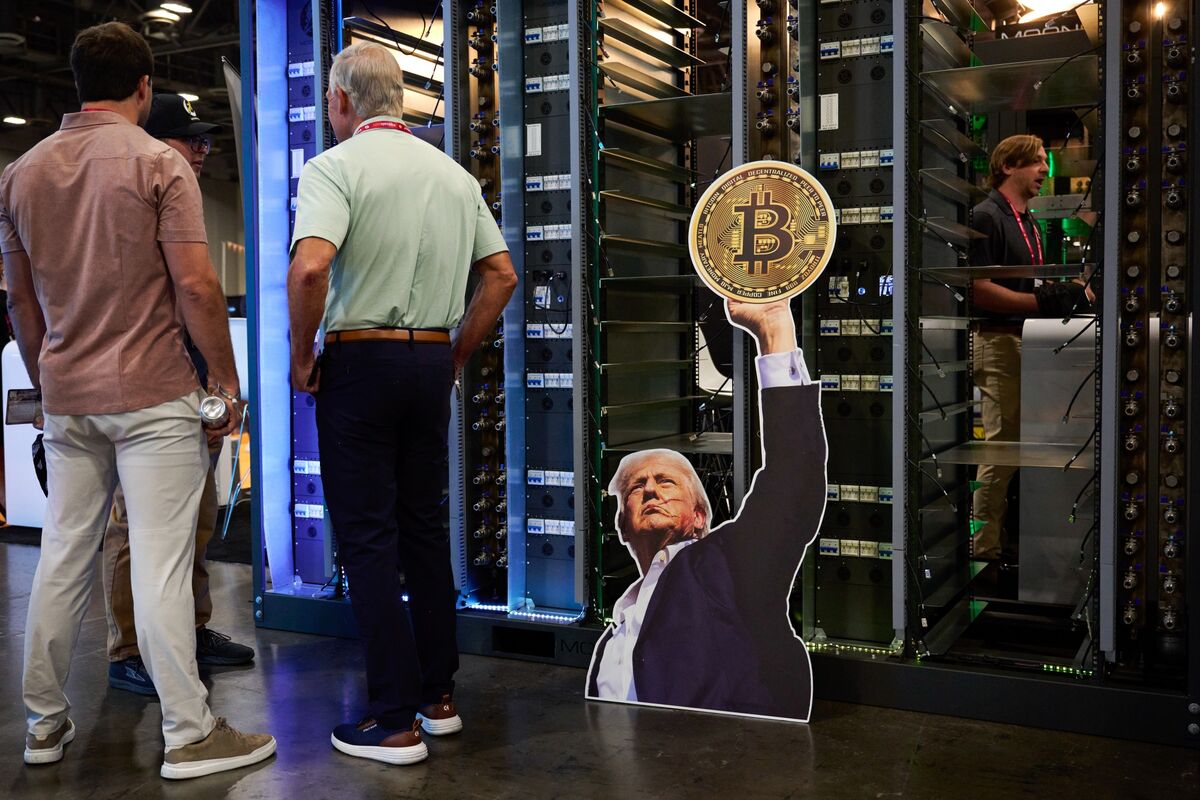
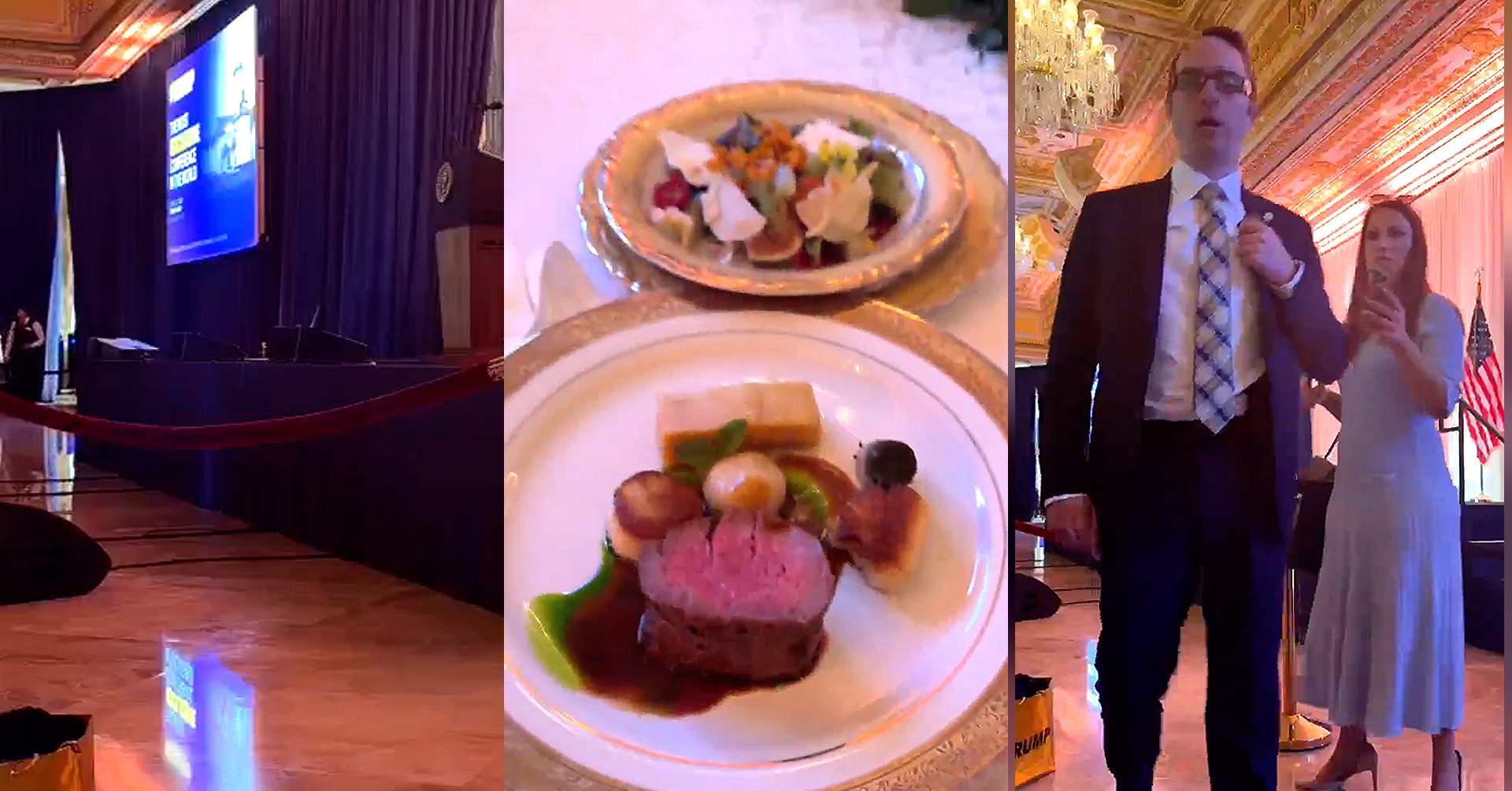
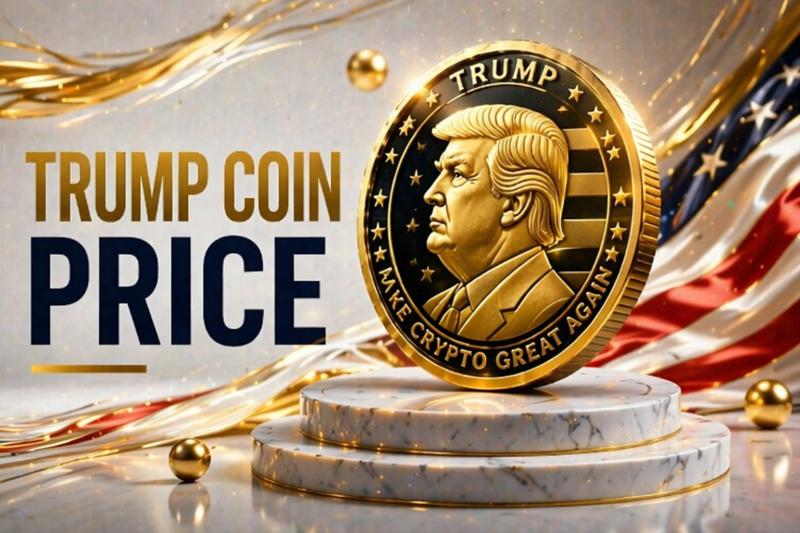
Celebrity-backed cryptocurrency ventures are creating unprecedented merchandise bundling opportunities worth $1.35 billion in transaction volume during 2025 contests alone. The Trump family's memecoin ecosystem demonstrates a hybrid monetization model combining digital assets with physical branded products—sneakers, watches ($499 retail value), fragrances, and commemorative trading cards—that generated $336 million in H1 2025 sales according to Reuters investigation. The April 2025 Mar-a-Lago conference attracted 297 top token holders across 18,882 unique wallets, with contest mechanics explicitly rewarding merchandise purchases alongside token holdings between March 12-April 14, 2025.
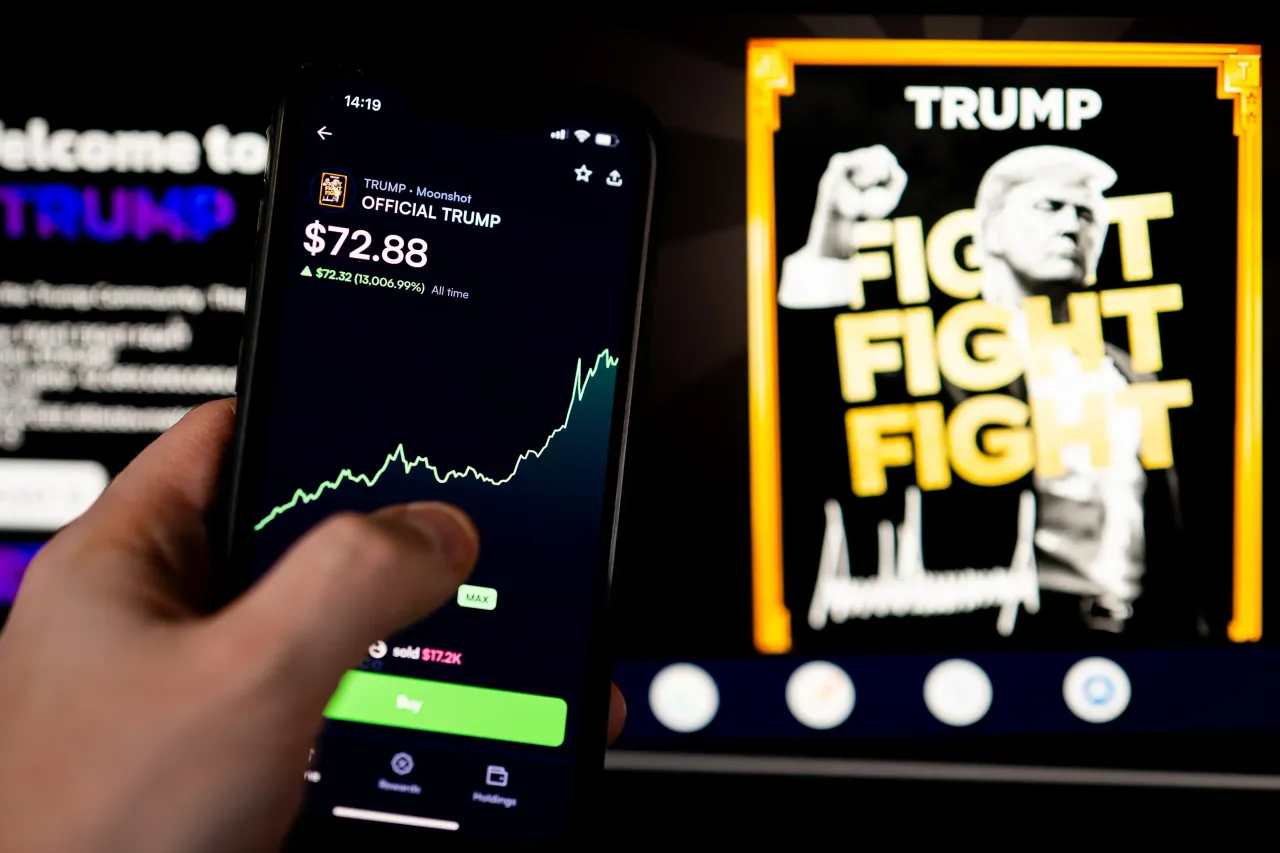
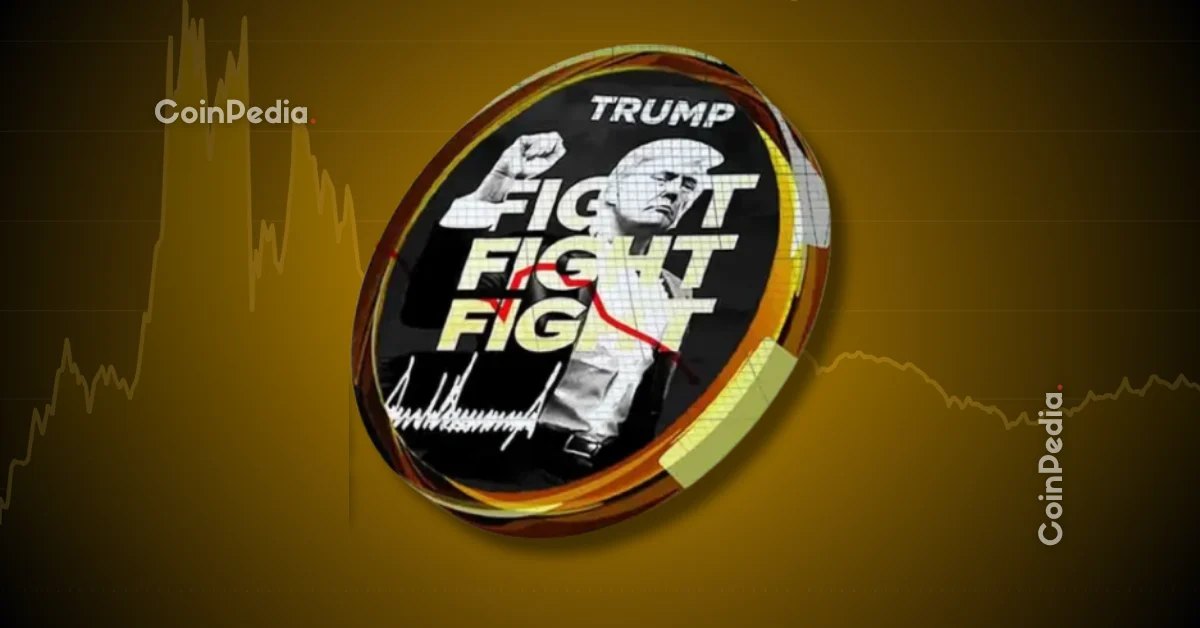
For cross-border sellers, this trend reveals three critical financial optimization angles: First, merchandise arbitrage opportunities emerge from the 96-97% price collapse of TRUMP and MELANIA tokens (from $75 peak to $2.81-$4.37 trading range), creating inventory liquidation pressure. Winners received branded merchandise with stated retail values ($499 watches, designer fragrances, limited-edition trading cards), but secondary market pricing for these collectibles remains undiscovered—sellers can source excess inventory from contest participants and resell through Amazon, eBay, and Shopify at 40-60% markups in collectibles categories. Second, payment method optimization becomes critical: the $1.35 billion trading volume across crypto wallets (Phantom app mentioned) indicates crypto-native buyers willing to pay premium prices for exclusive merchandise. Sellers accepting stablecoin payments (USDC, USDT) via Stripe or Coinbase Commerce can capture 2-3% fee savings versus traditional credit card processing (2.9% + $0.30), unlocking $27-40M in potential fee reductions across the 18,882 participating wallets if even 10% convert to crypto payments. Third, working capital acceleration through invoice financing becomes viable: the merchandise contest model creates predictable buyer cohorts (high-net-worth crypto investors) with documented purchasing patterns, allowing sellers to secure PO financing or inventory loans at 8-12% APR (versus 15-18% for general e-commerce) from specialized crypto-friendly lenders like Brex or Silverline.
The declining participation pattern (80% price drop from April 2025 to April 2026, $148M to $29M in token holdings) signals market saturation in celebrity-backed tokens but sustained demand for exclusive merchandise. Sellers should immediately identify Trump-branded merchandise suppliers and negotiate bulk purchase agreements before Q2 2025 inventory peaks. The merchandise-first positioning (watches, fragrances, sneakers) rather than token-first indicates consumer preference for tangible assets, creating a 6-12 month window for sellers to establish supply chains before mainstream retailers enter the celebrity collectibles category. Regional arbitrage opportunities exist: merchandise purchased at US Mar-a-Lago events can be resold to EU/Asia Pacific buyers at 25-35% premiums due to exclusivity positioning and limited international distribution.
Questions 8
What merchandise categories are driving the $1.35 billion trading volume in celebrity memecoin contests?
The April 2025 Trump memecoin contest explicitly bundled digital token holdings with physical merchandise purchases—specifically branded watches (retail $499), sneakers, fragrances, trading cards, and commemorative posters. Contest rankings combined token holdings with merchandise purchases between March 12-April 14, 2025, across 18,882 unique wallets. This hybrid model indicates that high-net-worth crypto investors prioritize exclusive physical collectibles over pure digital assets. For sellers, this reveals a 6-12 month window to source and resell these branded items through Amazon Collectibles, eBay, and specialty marketplaces before mainstream retailers recognize the category opportunity.
What inventory arbitrage opportunities exist from the 96% memecoin price collapse?
The TRUMP token crashed from $75 peak (January 2025) to $2.81 by April 2025 contest closing, creating forced liquidation pressure among retail investors. Contest winners collectively held $29M in tokens (April 2025) versus $148M in inaugural contest (May 2025), indicating 80% participation decline. This distress creates secondary market opportunities: sellers can source excess branded merchandise from liquidating contest participants and resell through Amazon, eBay, and Shopify at 40-60% markups in collectibles categories. The merchandise (watches, fragrances, trading cards) retains value independent of token price, making it a hedge against crypto volatility. Identify liquidation channels (crypto forums, Discord communities) by May 2025 to secure inventory before Q3 peak selling season.