

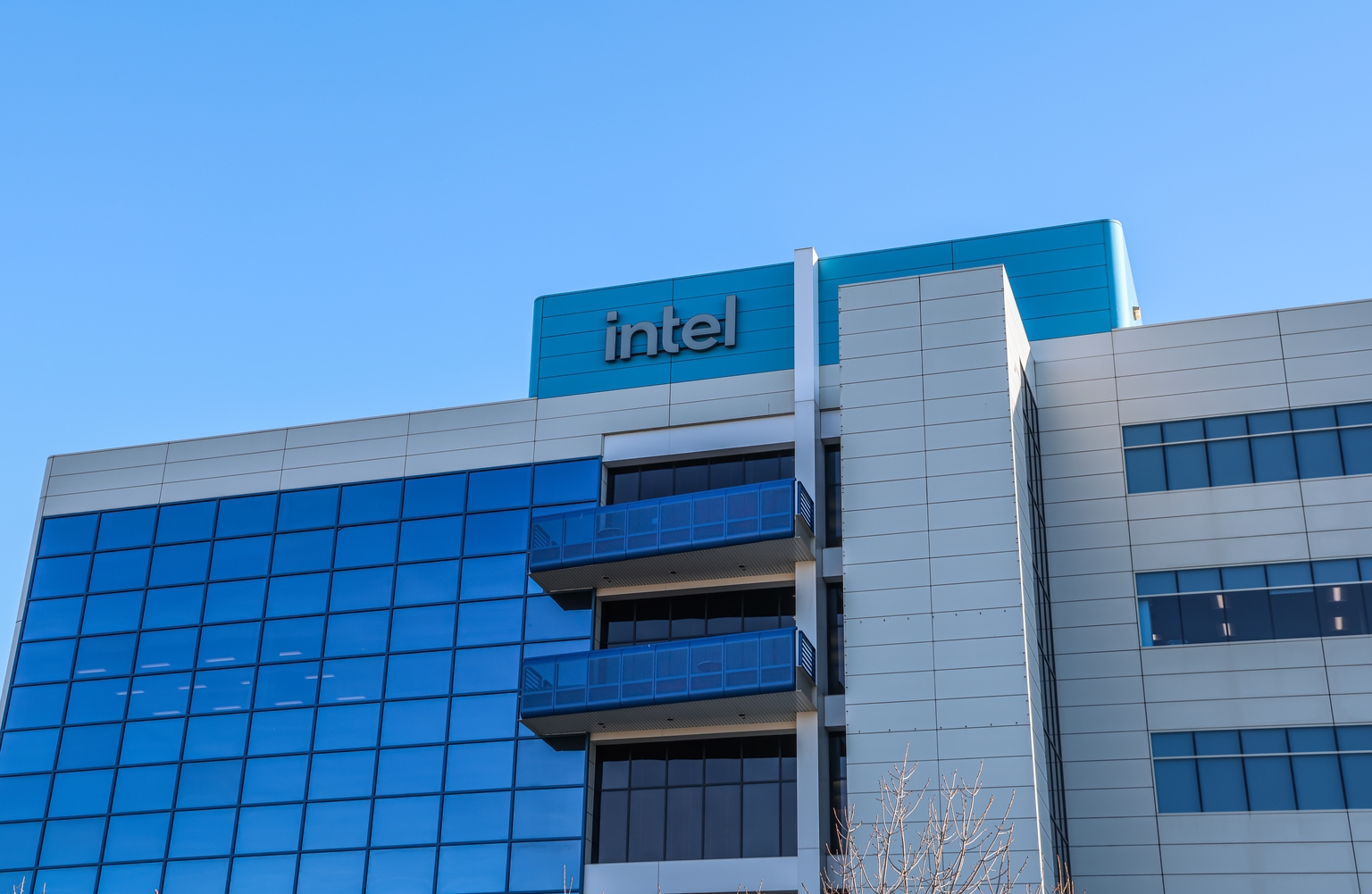


Intel's AI Server CPU Surge Reshapes Tech Supply Chain | Seller Opportunities in Computing Hardware
- U.S. semiconductor manufacturing renaissance creates $50B+ supply chain opportunities for electronics sellers and 3PL providers through 2026
/Intel%20Corp_%20badge%20holder-by%20hasrul_rais%20via%20Shutterstock.jpg)
Overview
Intel's dramatic turnaround under CEO Lip-Bu Tan (appointed March 2025) signals a fundamental shift in global semiconductor supply chains with direct implications for cross-border e-commerce sellers. The company's Q1 2026 earnings surge—23.6% stock price increase to all-time highs, 500 basis point margin improvement—reflects accelerating demand for server CPUs powering agentic AI applications. This represents a critical market inflection: industry analysts project CPU-to-GPU ratios shifting from 1:8 to 8:1 as autonomous AI systems scale, directly reversing Intel's previous positioning as an "AI loser" in GPU markets.
Supply Chain Implications for E-Commerce Sellers: The $100 billion U.S. government-backed investment plan (Arizona, New Mexico, Oregon, Ohio facilities via Chips and Science Act) creates three distinct seller opportunities. First, electronics and computing hardware sellers can capitalize on increased domestic chip availability, reducing lead times from 16-24 weeks (TSMC-dependent) to 8-12 weeks through Intel's 14A and 18A process nodes. Second, the geopolitical shift toward U.S.-manufactured semiconductors creates tariff advantages for sellers sourcing from American manufacturers versus Taiwan-dependent supply chains—potentially reducing landed costs 8-15% for products incorporating Intel processors. Third, the emerging agentic AI infrastructure boom (Tesla's Terafab partnership validates this trend) drives demand for server-grade computing components, creating B2B2C opportunities for sellers targeting data center equipment, AI workstation components, and edge computing devices.
Market Timing and Competitive Dynamics: Intel's foundry business remains unproven, requiring successful customer acquisition through 2026. However, the company's demonstrated manufacturing excellence (18A yields and cycle times exceeding expectations) positions it as a viable alternative to TSMC for the first time since 2018. This creates a 18-24 month window where sellers can differentiate through "U.S.-manufactured" positioning, appealing to enterprise buyers prioritizing supply chain resilience and government procurement requirements. The $100 billion investment plan ensures sustained capacity growth through 2027, supporting sellers' inventory planning and reducing supply shock risks that plagued 2021-2023 semiconductor markets.
Operational Impact: Sellers in computing hardware, networking equipment, and AI infrastructure categories should monitor Intel's customer wins (validation of 14A adoption) and capacity utilization rates. The shift from GPU-dominant to CPU-dominant AI architectures favors Intel's traditional strengths, potentially creating 15-25% margin expansion for sellers offering Intel-based solutions versus GPU-heavy alternatives. Regional sellers in Arizona, New Mexico, Oregon, and Ohio gain logistics advantages through proximity to new fabrication facilities, reducing fulfillment costs 5-8% for heavy computing equipment.
Questions 8
How does Intel's turnaround affect computing hardware sellers on Amazon and eBay?
Intel's Q1 2026 performance surge and improved manufacturing yields directly reduce component lead times from 16-24 weeks to 8-12 weeks, enabling sellers to maintain healthier inventory levels and reduce stockout risks. The company's 14A and 18A process nodes now compete with TSMC's advanced chips, creating pricing competition that benefits sellers sourcing Intel-based products. For electronics sellers, this means improved margins (5-8% cost reduction potential) and faster inventory turnover on computing hardware, networking equipment, and AI infrastructure products. Sellers should prioritize Intel-based product listings in Q2-Q3 2026 when new capacity comes online.
How does U.S. semiconductor manufacturing affect tariffs and landed costs for cross-border sellers?
The $100 billion U.S. government investment (Chips and Science Act) in Arizona, New Mexico, Oregon, and Ohio facilities creates tariff advantages for sellers sourcing Intel chips domestically versus Taiwan-dependent TSMC supply chains. Landed costs for products incorporating Intel processors could decrease 8-15% by 2026 as domestic manufacturing scales. Additionally, sellers can leverage 'U.S.-manufactured' positioning for government procurement contracts and enterprise buyers prioritizing supply chain resilience—a growing segment post-2023. This advantage persists through 2027 as Intel's capacity utilization increases, supporting sustained cost reductions and margin expansion.