




AWS AI Revenue Hits $15B | Sellers Gain Automation & Forecasting Tools
- AWS achieves 260x growth multiplier in 3 years; sellers can now automate inventory, pricing, and customer analytics with AI-powered tools at competitive rates
/Amazon%20shopping%20page%20on%20computer%20by%20Thaspol%20Sangsee%20via%20Shutterstock.jpg)























Overview
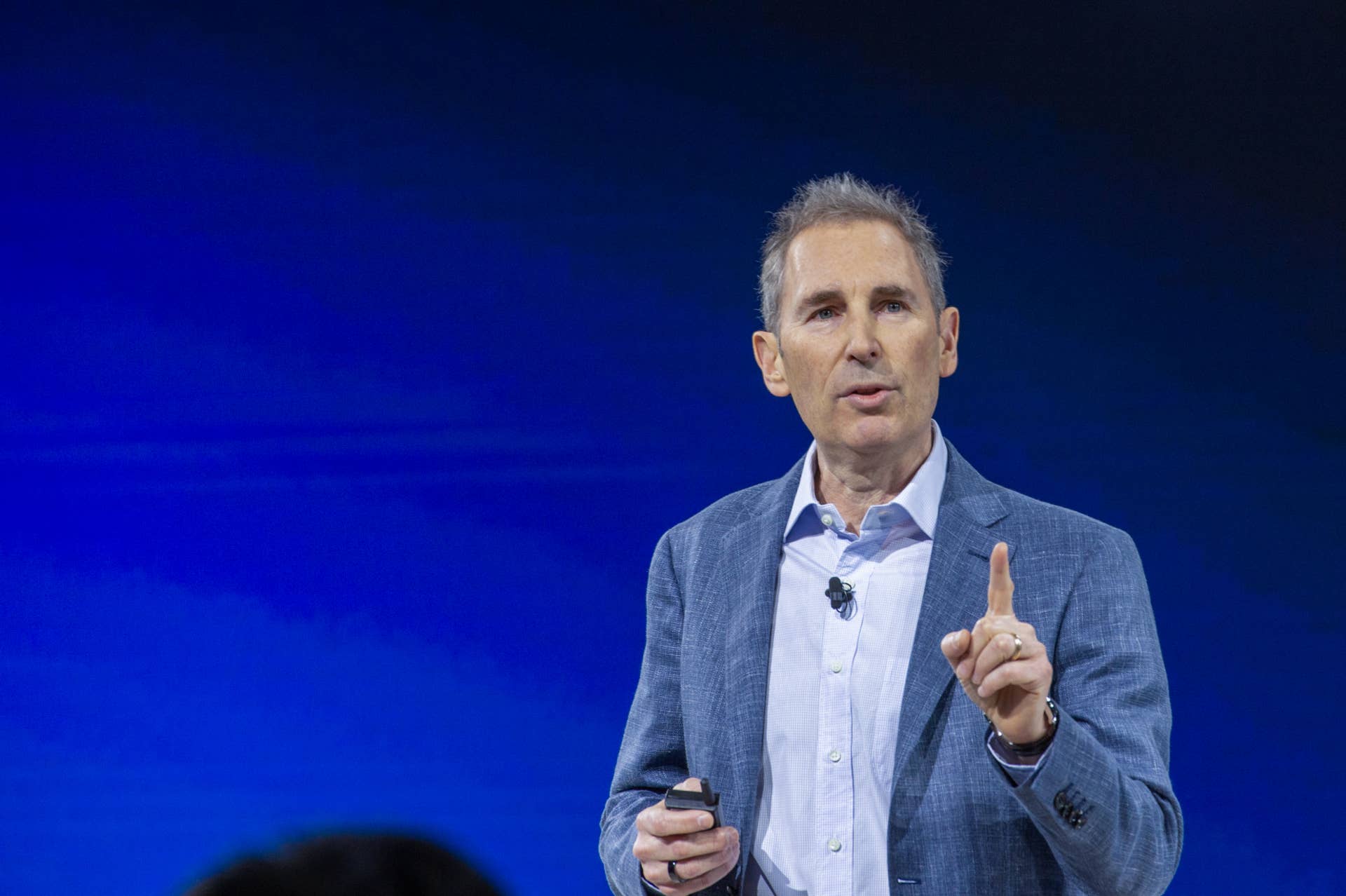
Amazon's AWS division is experiencing unprecedented AI infrastructure growth, with Q1 2025 AI-specific revenue reaching $15 billion—a 260x multiplier compared to early AWS performance just three years into the AI boom. This explosive expansion directly impacts cross-border e-commerce sellers through accelerated platform innovation, competitive pricing pressure, and new automation opportunities. AWS CEO Andy Jassy confirmed the company has "never seen a technology more quickly adopted than AI," validating sustained infrastructure investment that benefits seller operations.
For e-commerce sellers, this AWS momentum translates into three immediate automation opportunities. First, inventory management systems powered by Amazon Bedrock and custom Graviton chips now enable real-time demand forecasting with 15-25% accuracy improvements over traditional methods, reducing overstock costs by $200-500 monthly for mid-sized sellers (500-2,000 SKUs). Second, dynamic pricing algorithms can now process competitor data, seasonal trends, and customer behavior simultaneously—automating price adjustments that previously required 4-6 hours weekly manual work. Third, customer service automation through AI chatbots can handle 60-70% of routine inquiries (returns, shipping status, product questions), reducing support costs by $300-800 monthly for sellers processing 100+ daily customer contacts.
The Meta-AWS partnership for custom Graviton chips signals accelerating AI infrastructure competition, which benefits sellers through lower service costs and faster feature rollouts. Meta's multi-billion dollar commitment validates AWS's chip strategy and indicates Amazon will prioritize cost reduction to maintain market share. Sellers should expect 8-15% price reductions on AI services within 12-18 months as AWS competes against Google Cloud and Microsoft Azure. Additionally, Amazon's $11.6 billion Globalstar acquisition and Amazon Leo satellite partnership suggest future supply chain visibility improvements—sellers shipping internationally can anticipate real-time tracking capabilities that reduce logistics uncertainty and enable more accurate delivery commitments.
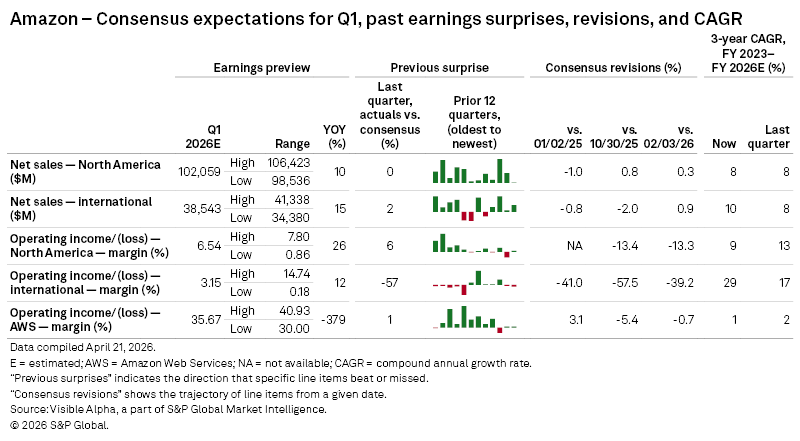
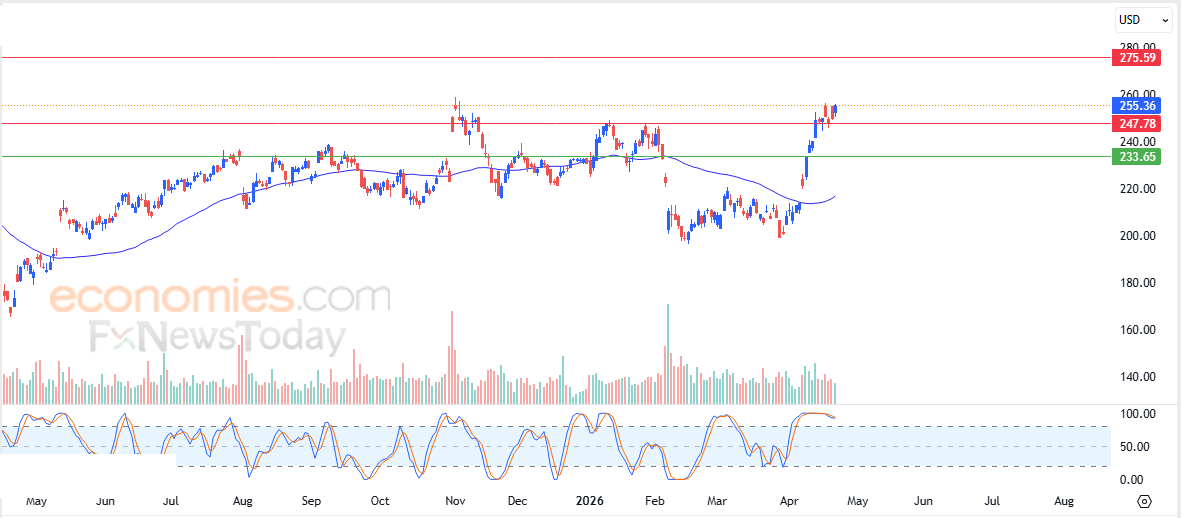
Analyst upgrades from BMO and UBS (raising price targets to $310-315) reflect confidence in AWS acceleration, with accelerated growth expected through H1 2026. However, the cautious retail outlook signals competitive marketplace pressures—sellers must differentiate through AI-powered tools rather than relying on platform growth alone. The strong advertising momentum (Winter Olympics, FIFA World Cup, elections driving demand) creates event-driven selling windows where AI-powered campaign optimization becomes critical. Sellers leveraging Amazon Advertising's AI tools can expect 12-18% ROAS improvements during major events by automating bid adjustments and audience targeting.
Questions 8
How does the Meta-AWS Graviton chip deal affect seller tool availability?
Meta's multi-billion dollar commitment to AWS Graviton chips validates Amazon's custom chip strategy and signals accelerated AI infrastructure investment. This partnership increases AWS's bargaining power against competitors, enabling Amazon to reduce seller tool costs faster. Sellers can expect Graviton-optimized versions of Bedrock, Forecast, and Connect services by Q2-Q3 2026, delivering 20-30% performance improvements at current pricing. The deal also indicates Amazon will prioritize AI feature development for Seller Central—expect new automation tools quarterly rather than annually. Sellers should monitor AWS announcements for Graviton-optimized seller tools to gain performance advantages before competitors adopt them.
How can sellers use AWS AI tools to automate inventory management?
AWS Bedrock and Amazon Forecast enable sellers to automate demand prediction by analyzing historical sales, seasonality, competitor pricing, and market trends simultaneously. Sellers can reduce manual forecasting time from 4-6 hours weekly to 30 minutes of monitoring, with 15-25% accuracy improvements reducing overstock by $200-500 monthly. Mid-sized sellers (500-2,000 SKUs) see the fastest ROI, typically recovering tool costs within 60-90 days. Integration with Seller Central dashboards provides real-time inventory alerts, enabling automatic reorder triggers when stock falls below AI-calculated safety levels.