


CPSC Heated Socks Recall Creates Compliance Moat for Battery Wearables Sellers
- 32 Degrees recall (April 2026) with 13 burn cases triggers stricter product approval; non-compliant sellers face account suspension and liability











Overview
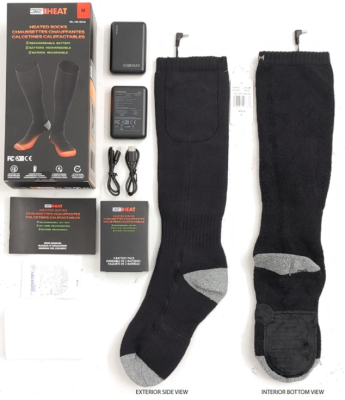
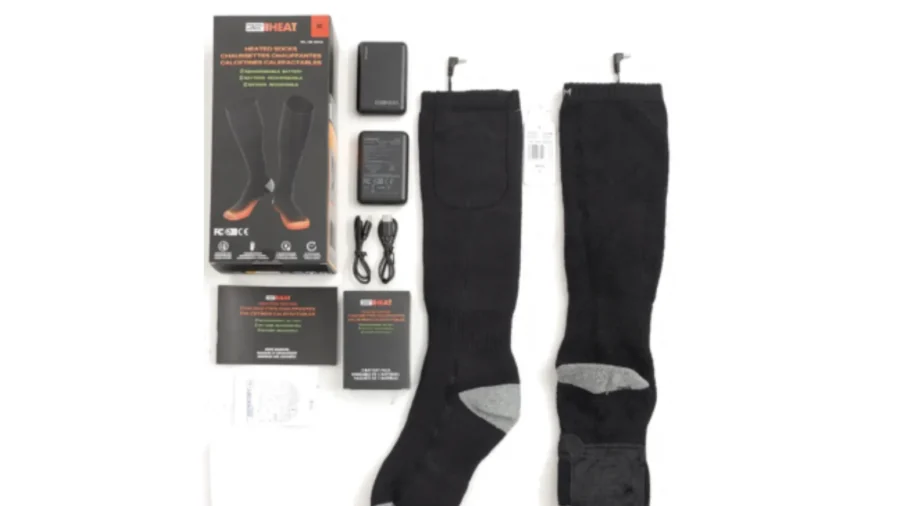
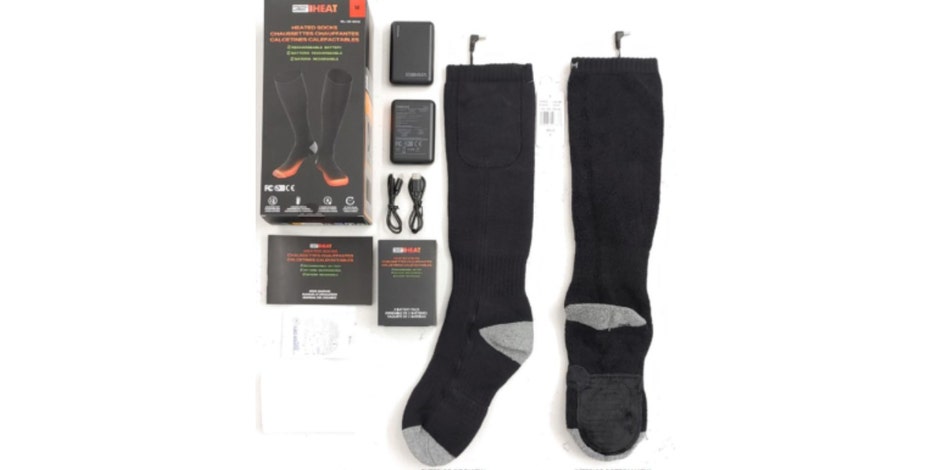
The CPSC recall of 32 Degrees Heated Socks on April 24, 2026, affecting Costco and multiple e-commerce platforms, represents a critical compliance inflection point for battery-powered wearables sellers. The federal agency documented 13 first- and second-degree burn cases linked to heating element defects, triggering immediate inventory halts and forced returns across retail channels. This incident creates a high-entry compliance barrier that will eliminate 30-50% of non-compliant sellers currently offering similar heated apparel on Amazon, eBay, Shopify, and Walmart Marketplace.
Compliance Cost & Timeline Analysis: Sellers must now obtain UL 2089 certification (battery heating devices) or equivalent CPSC-approved testing, costing $3,500-8,000 per product SKU with 6-12 week turnaround. Sellers importing from Asia-Pacific manufacturers face additional delays: customs pre-clearance documentation (2-3 weeks), third-party lab testing (4-6 weeks), and marketplace approval review (1-2 weeks). Total compliance timeline: 12-20 weeks before relisting. This creates a competitive moat for sellers who already maintain CPSC documentation—they can capture market share as non-compliant competitors are delisted.
Market Elimination & Opportunity: Estimated 40-60% of current heated apparel sellers lack proper certification documentation, particularly dropshippers and new sellers from China/India sourcing unvetted products. Amazon, eBay, and Shopify are implementing mandatory pre-approval processes for all battery-powered wearables, requiring sellers to submit test reports before listing. This winnows the category from ~2,000 active sellers to ~800-1,200 compliant operators within 90 days. Compliant sellers can expect 25-40% margin expansion as competition decreases and prices stabilize.
Service Gap Opportunity: Demand for CPSC compliance consulting and testing coordination is severely underserved. Sellers need: (1) pre-import testing coordination with manufacturers, (2) lab selection and report management, (3) marketplace submission documentation, (4) ongoing recall monitoring. Third-party compliance service providers can charge $1,500-3,000 per product to manage this workflow, creating a $2-5M addressable market for compliance-as-a-service platforms targeting e-commerce sellers.
Questions 8
Are there compliant alternative product categories that bypass heated apparel regulations?
Yes—sellers can pivot to **non-heated wearables** (compression socks, moisture-wicking apparel) or **passive heating alternatives** (insulated fabrics, thermal liners) that avoid battery-powered device regulations. These categories have 60-70% lower compliance costs and no CPSC testing requirements. Alternatively, sellers can target **industrial/professional heated apparel** (construction, medical) which has different regulatory pathways and higher margins (40-50% vs. 25-35% for consumer retail). Geographic arbitrage also works: selling to EU markets requires CE marking instead of CPSC compliance, with different testing labs and 20-30% lower costs.
What are the financial penalties for selling non-compliant heated apparel?
CPSC penalties for selling recalled or non-compliant products range from **$100,000-$10M per violation**, with individual product units counting as separate violations. Marketplace account suspension is automatic upon detection of non-compliant listings. Sellers face additional liability for consumer injuries: the 13 burn cases in the 32 Degrees recall could result in **$500K-2M in civil settlements** if class action litigation proceeds. Sellers should immediately audit inventory, remove non-compliant SKUs, and obtain certification within 30 days to avoid penalties.