



EU Regulatory Fragmentation Risk | Cross-Border Sellers Face 27-Nation Consensus Delays
- Orbán's exit removes single veto but exposes deeper EU divisions affecting VAT harmonization, customs procedures, and market access timelines for 50K+ cross-border sellers












Overview
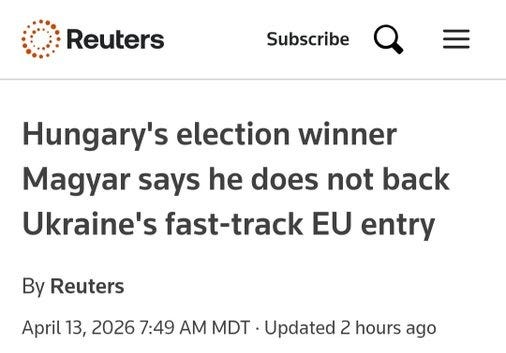
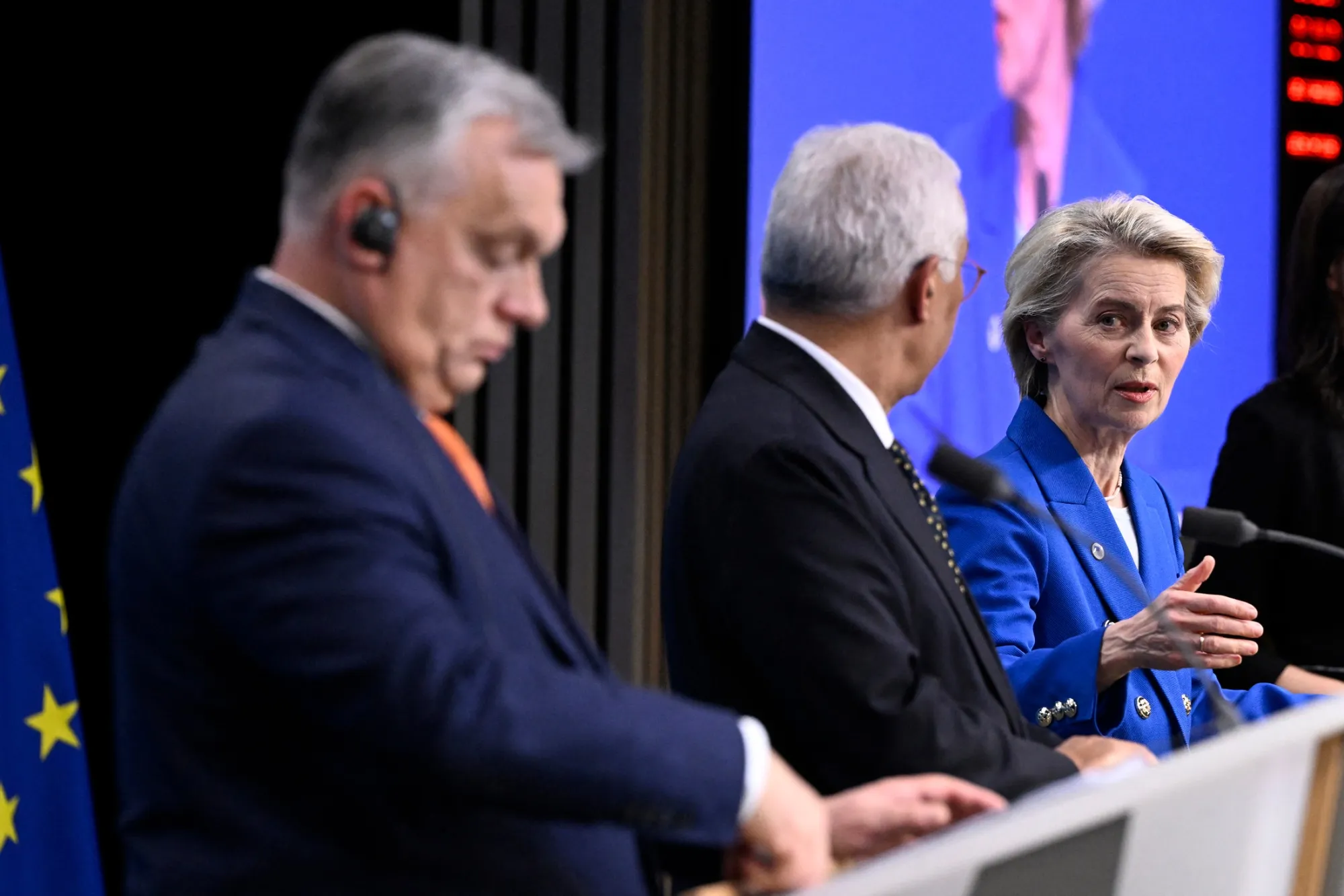
The removal of Hungarian Prime Minister Viktor Orbán from EU politics on April 24, 2026, paradoxically increases regulatory uncertainty for cross-border e-commerce sellers rather than simplifying operations. While EU officials celebrated the end of Hungary's veto power blocking €90 billion in Ukraine aid and sanctions packages, the underlying structural reality reveals a more complex challenge: the EU's unanimity requirement on foreign policy, enlargement, and trade matters means that 27 member states with competing economic interests must now negotiate directly without a convenient scapegoat. For cross-border sellers, this translates to prolonged uncertainty on critical operational frameworks.
The April 24 Cyprus summit and June 18 Brussels formal summit exposed fundamental divisions that directly impact e-commerce infrastructure. Budget negotiations revealed stark disagreements between Germany and the Netherlands (advocating reduced EU spending) versus Poland and Commission President Ursula von der Leyen (supporting increased contributions). These budget disputes cascade into e-commerce operations: VAT harmonization initiatives, customs digitalization projects, and data protection enforcement all depend on EU-wide funding and consensus. The absence of collective statements from the Cyprus gathering signals that consensus remains elusive. For sellers operating across multiple EU markets, this means continued fragmentation in VAT compliance requirements, customs procedures, and payment regulation timelines. The €1.8 trillion seven-year budget negotiations will determine funding for digital infrastructure projects that sellers depend on—delayed consensus means delayed implementation of simplified customs procedures and harmonized VAT systems.
Energy security discussions at the summit reveal supply chain vulnerabilities affecting logistics costs for cross-border sellers. Transport Commissioner Apostolos Tzitzikostas warned of jet fuel shortages due to Middle East conflict, with countries potentially needing to share emergency reserves. This signals potential increases in air freight costs for time-sensitive shipments (electronics, perishables, seasonal goods) and possible prioritization of domestic logistics over cross-border operations. Sellers shipping high-value items via air freight should anticipate 8-15% cost increases and potential delivery delays of 5-10 days during Q2-Q3 2026. Additionally, Ukraine's EU accession timeline remains uncertain—Croatian Prime Minister Plenković indicated rapid accession is unrealistic, meaning Ukrainian sellers and sellers sourcing from Ukraine face continued regulatory limbo regarding market access, tariff treatment, and compliance requirements. The June 18 formal summit will determine whether Ukraine receives preferential trade status or maintains current association agreement terms, directly affecting sourcing costs for sellers using Ukrainian suppliers.
Questions 8
What compliance shortcuts can sellers use during this regulatory uncertainty period?
During the June 18 summit transition period, sellers should leverage existing compliance frameworks rather than anticipating changes. Use established VAT thresholds and reporting deadlines (currently fragmented by member state) rather than waiting for harmonization. For customs procedures, work with 3PL providers experienced in current fragmented systems—they understand workarounds and efficient routing. Sellers can legally optimize by routing shipments through member states with favorable VAT treatment (though this requires genuine business justification). Document all compliance decisions with dates and regulatory references to demonstrate good-faith compliance if rules change retroactively. Avoid making major sourcing or market expansion decisions until post-June 18 clarity emerges.
When should sellers expect clarity on EU trade policy direction?
The June 18, 2026 formal Brussels summit is the critical decision point for EU trade policy direction. This summit will determine budget allocation, Ukraine accession timeline, and regulatory harmonization priorities. Sellers should plan major operational decisions (market expansion, sourcing changes, compliance system investments) around this June 18 deadline. If consensus emerges, expect 30-60 day implementation windows for new policies. If consensus fails (likely given April 24 divisions), expect continued fragmentation through Q4 2026. Monitor EU Commission announcements in late May 2026 for pre-summit signals about likely outcomes. Delay major capital investments in compliance infrastructure until post-June 18 clarity.