



Used EV Market Explosion 2026-2028 | Seller Opportunity in 1.56M Vehicle Influx
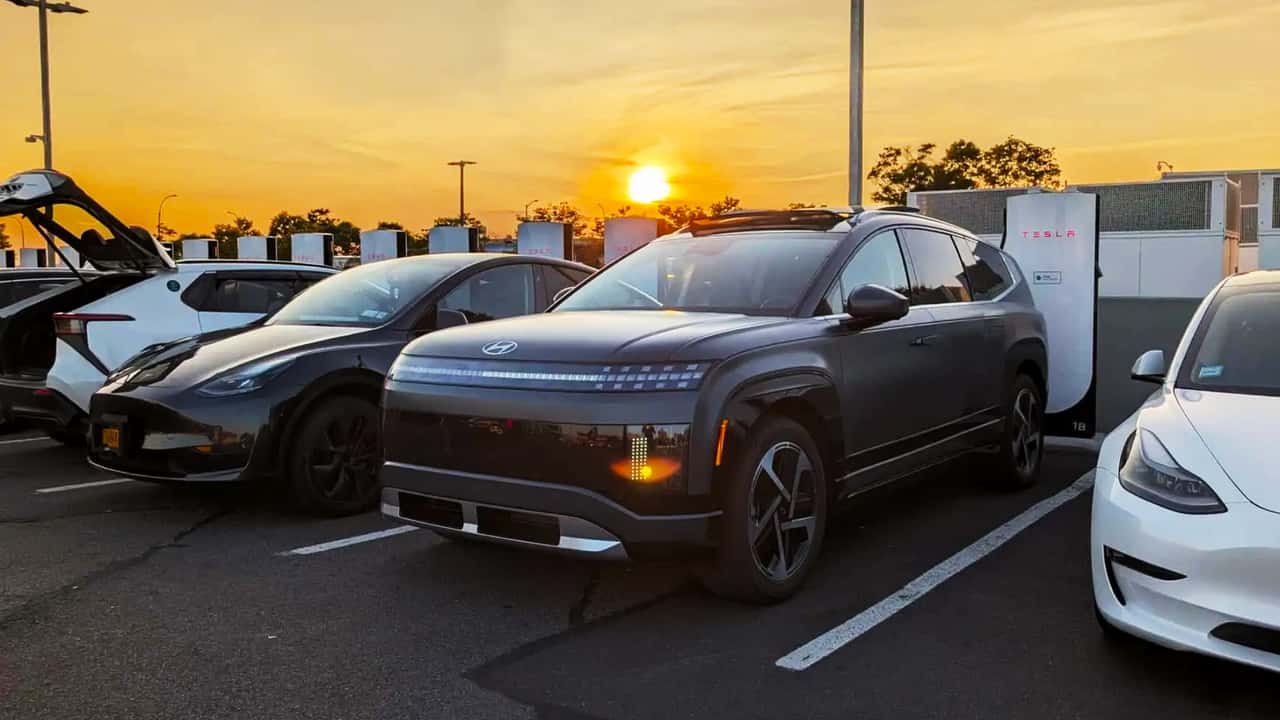
- 300K-660K annual off-lease EVs create $8-12B automotive parts/accessories market opportunity; Hyundai/Tesla/Kia dominate used segment at $13K-$65K price points






Overview
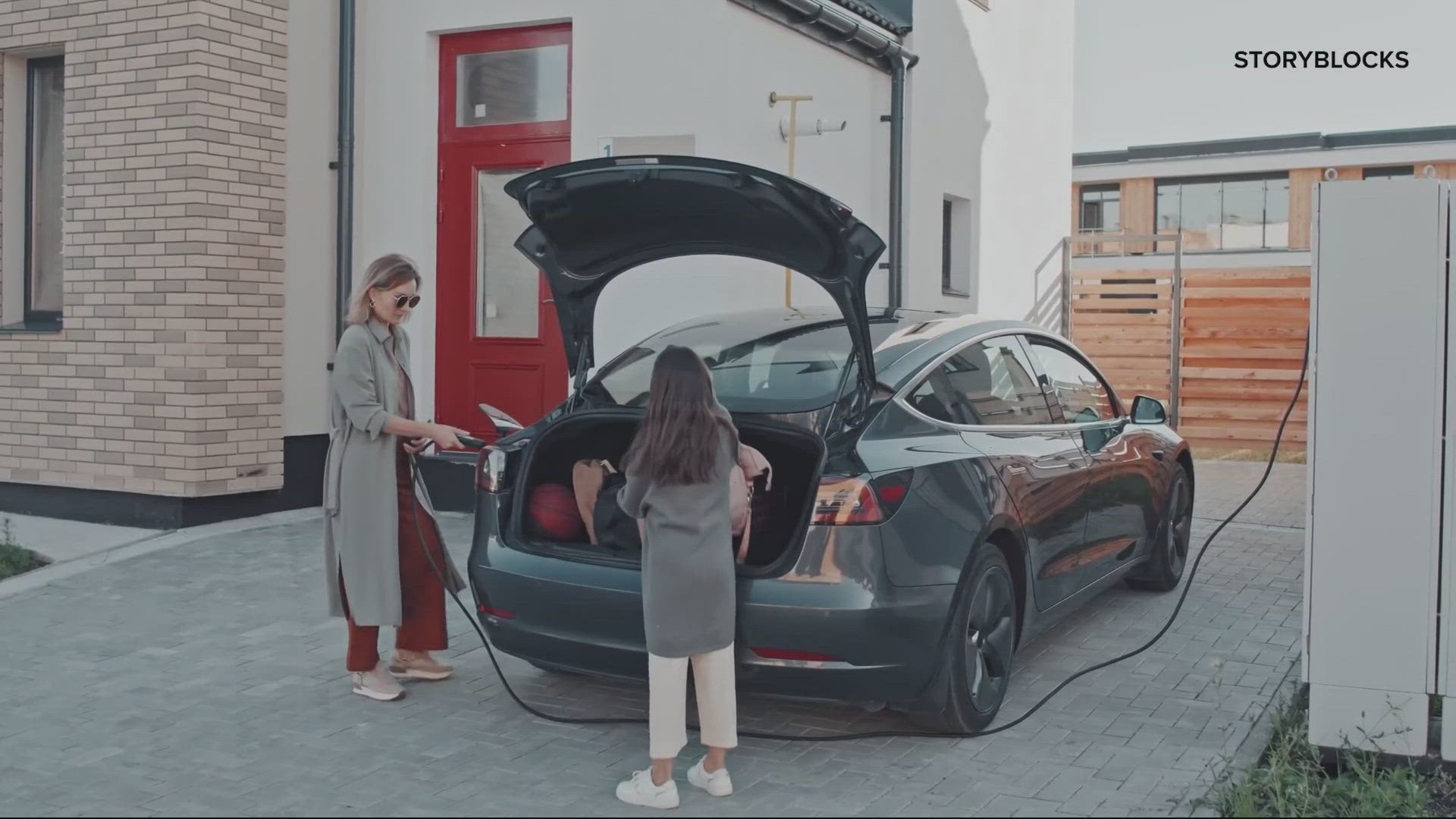
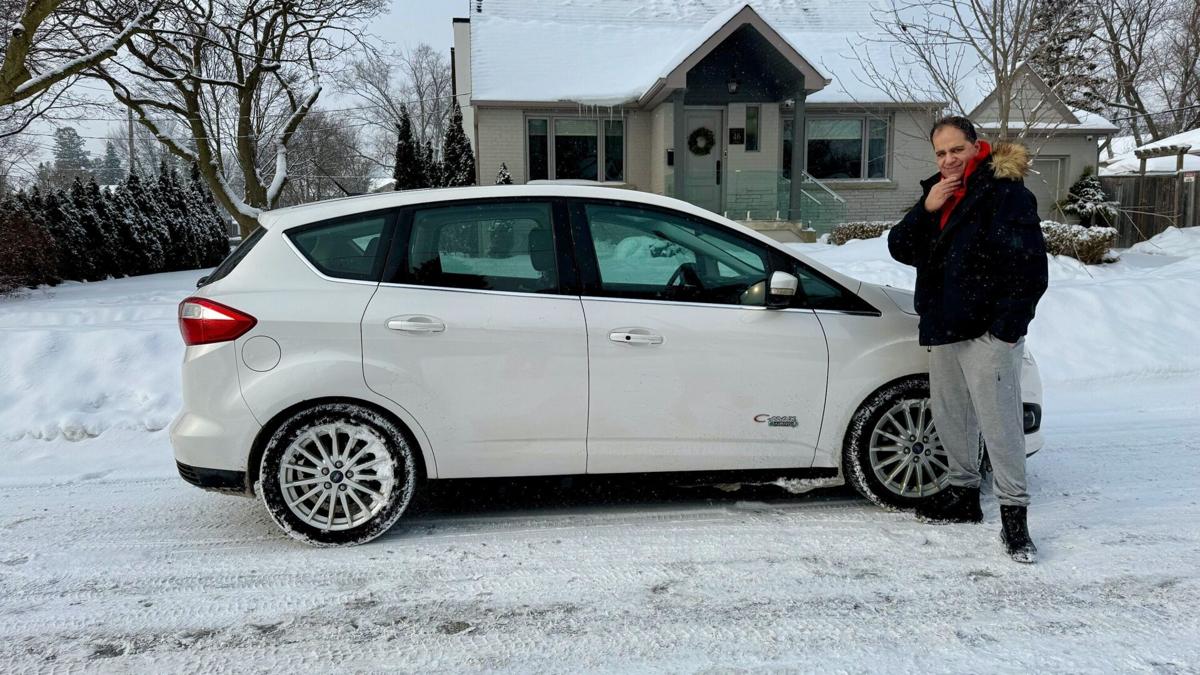
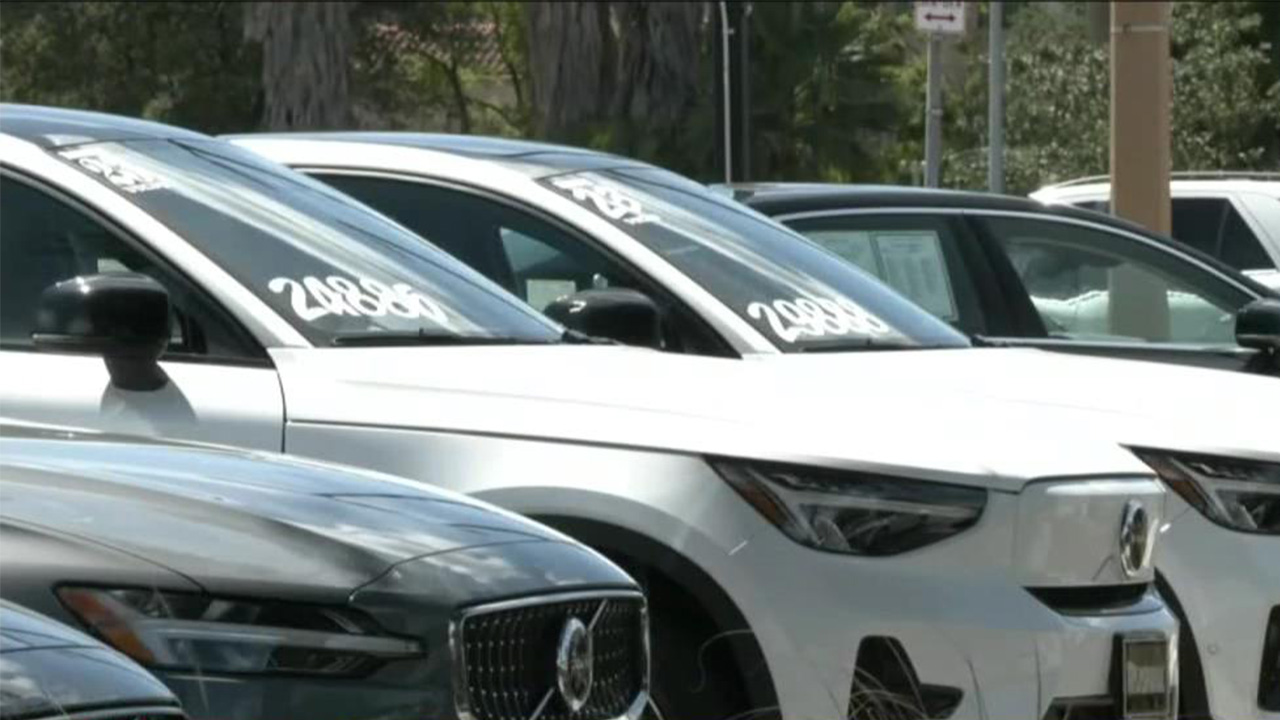
The used electric vehicle market is experiencing a structural supply shock that creates unprecedented cross-border e-commerce opportunities. Cox Automotive projects 300,000 off-lease EVs returning in 2026, accelerating to 600,000 in 2027 and 660,000 in 2028—totaling 1.56 million vehicles over three years. This influx coincides with expired $7,500 federal tax credits (September 2025), gasoline prices surging past $4/gallon nationally ($7/gallon in some states), and new vehicle prices near record levels. The timing creates a perfect storm driving consumers toward used EVs as cost-effective alternatives.
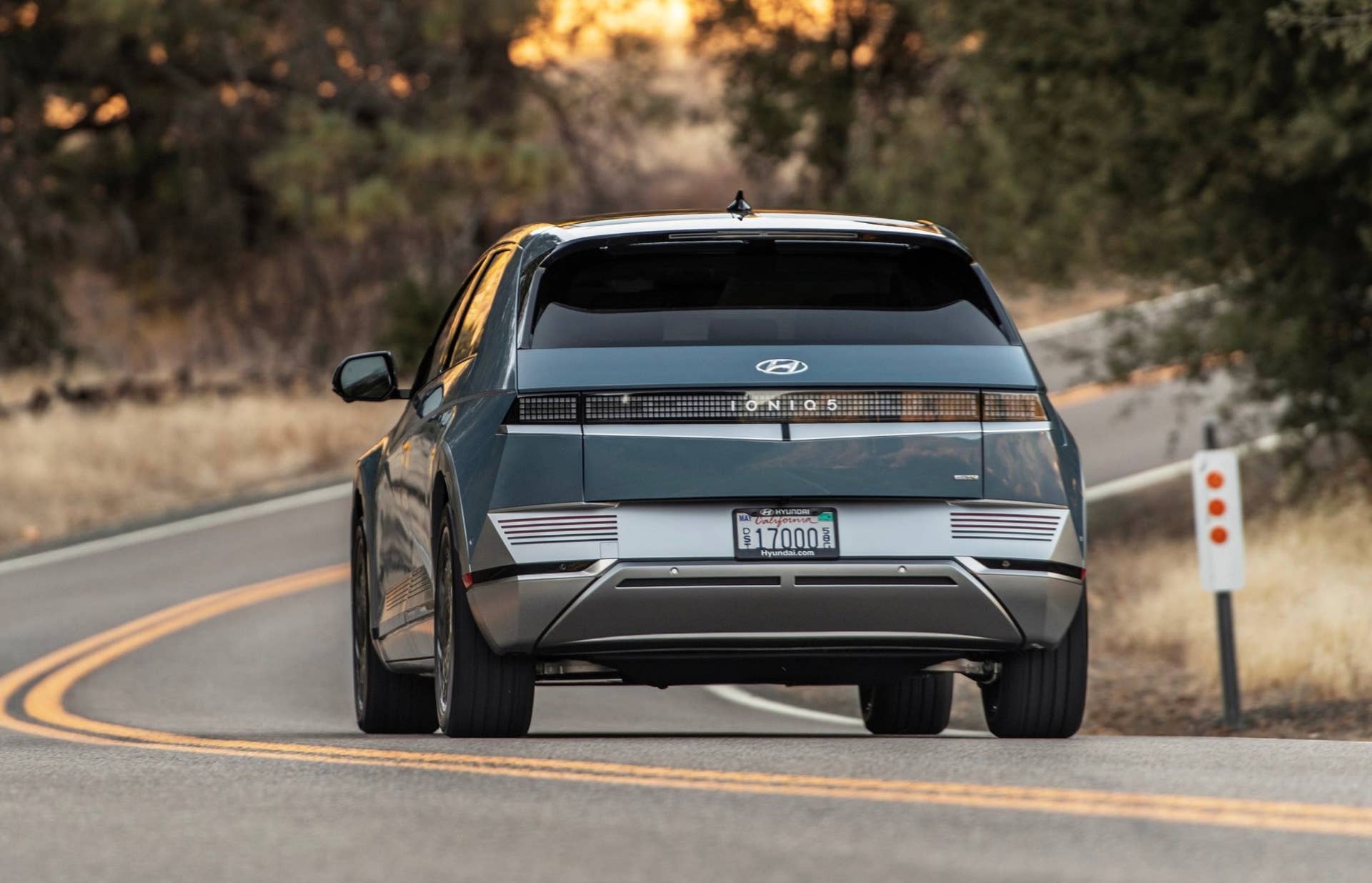
For cross-border e-commerce sellers, this represents a multi-layered opportunity spanning automotive parts, accessories, and complementary products. The used EV market is transitioning from niche to mainstream adoption, with industry data showing 85%+ of current EV owners plan to purchase another EV—indicating strong repeat-purchase intent and customer satisfaction. Popular used models include Hyundai Ioniq 5 ($25K-$35K), Tesla Model 3 ($20K-$30K), Chevrolet Bolt ($13K-$22K), and premium options like Lucid Air ($55K-$65K) and Rivian R1T ($53K-$60K). This price-point diversity signals demand across multiple consumer segments and income levels.
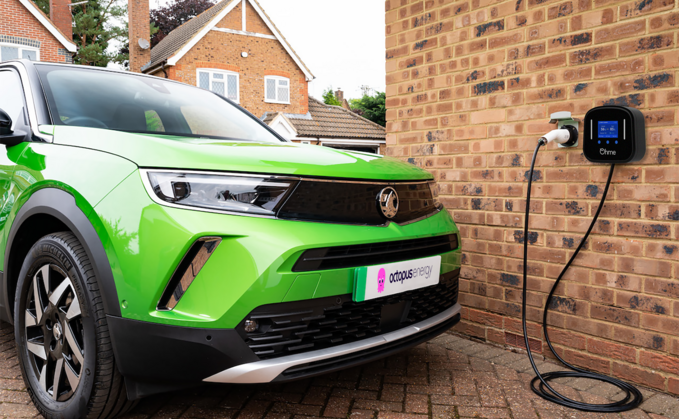
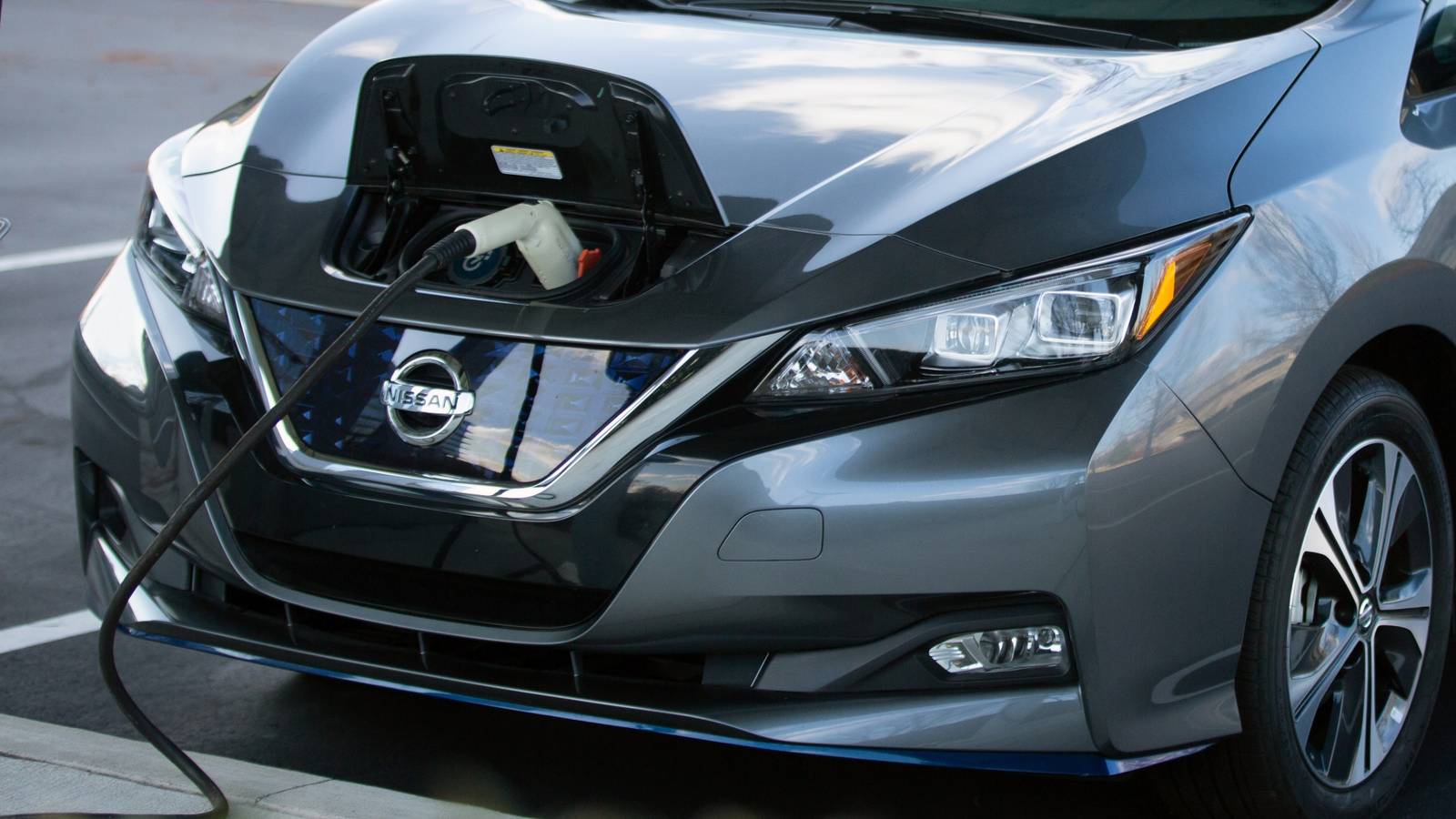
The operational impact for sellers breaks into three distinct revenue streams: (1) Direct vehicle sales through automotive marketplaces and cross-border platforms—the 1.56M vehicle pipeline creates inventory opportunities for dealers and certified pre-owned specialists; (2) Aftermarket parts and accessories—off-lease EVs require battery diagnostics, charging equipment, interior upgrades, and maintenance products, estimated at $800-1,200 per vehicle lifecycle; (3) EV-specific merchandise—charging cables, adapters, protective cases, and educational content targeting new EV owners unfamiliar with electric vehicle ownership. The influx of price-conscious buyers (driven by fuel cost comparison) creates demand for budget-friendly accessories and DIY maintenance guides.
Competitive dynamics are shifting rapidly. Increased used EV inventory will compress margins on vehicle sales (Cox Automotive notes "prices lower" as supply expands), but this simultaneously expands the addressable market for complementary products. Sellers currently focused on new vehicle sales face margin pressure but can pivot to high-margin accessories and services. The 2026-2028 window represents a critical market entry point before competition intensifies—early movers can establish brand authority in EV-specific product categories on Amazon, eBay, Shopify, and specialized automotive platforms.
Questions 8
What product categories should sellers prioritize in the used EV boom?
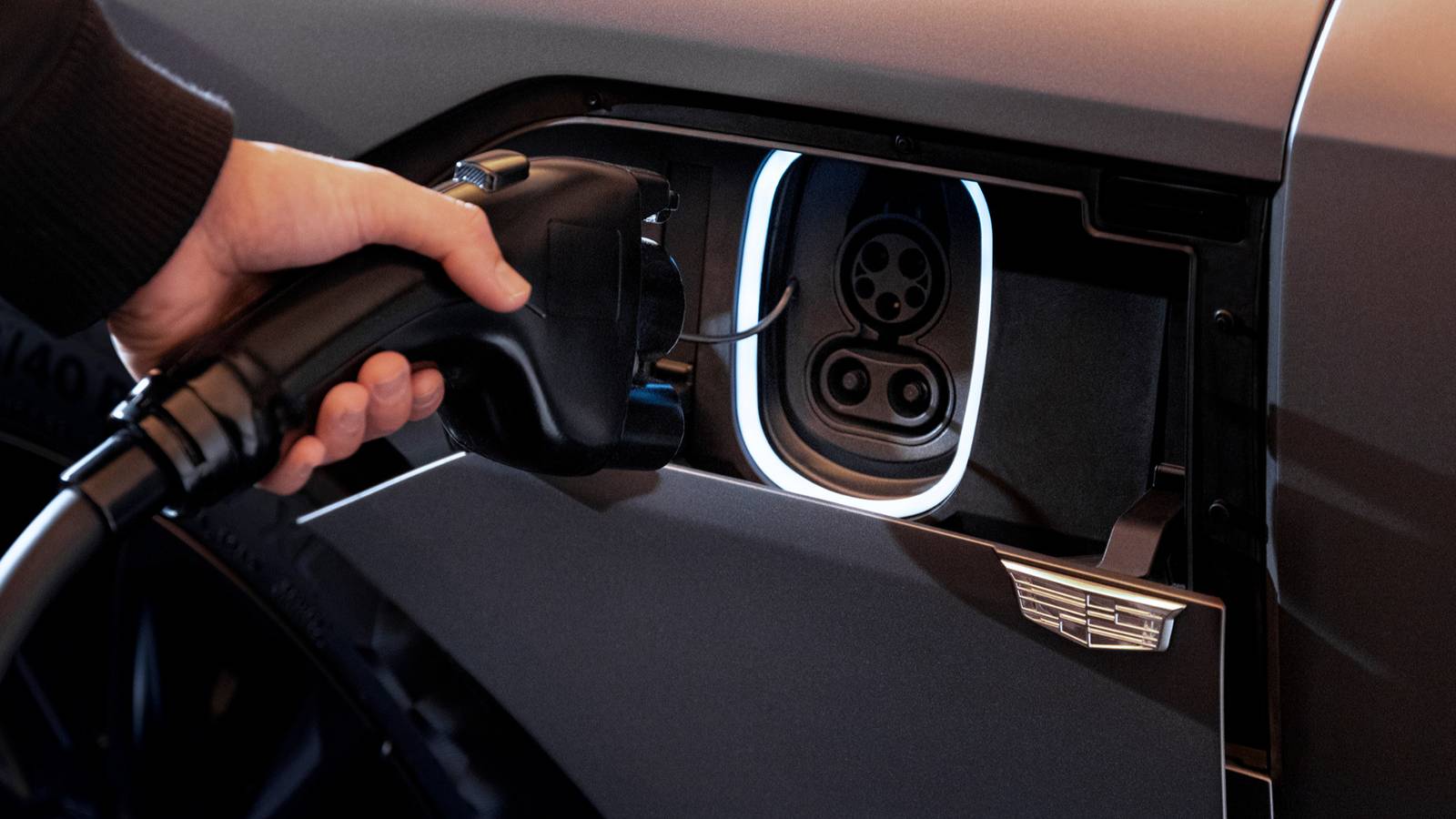
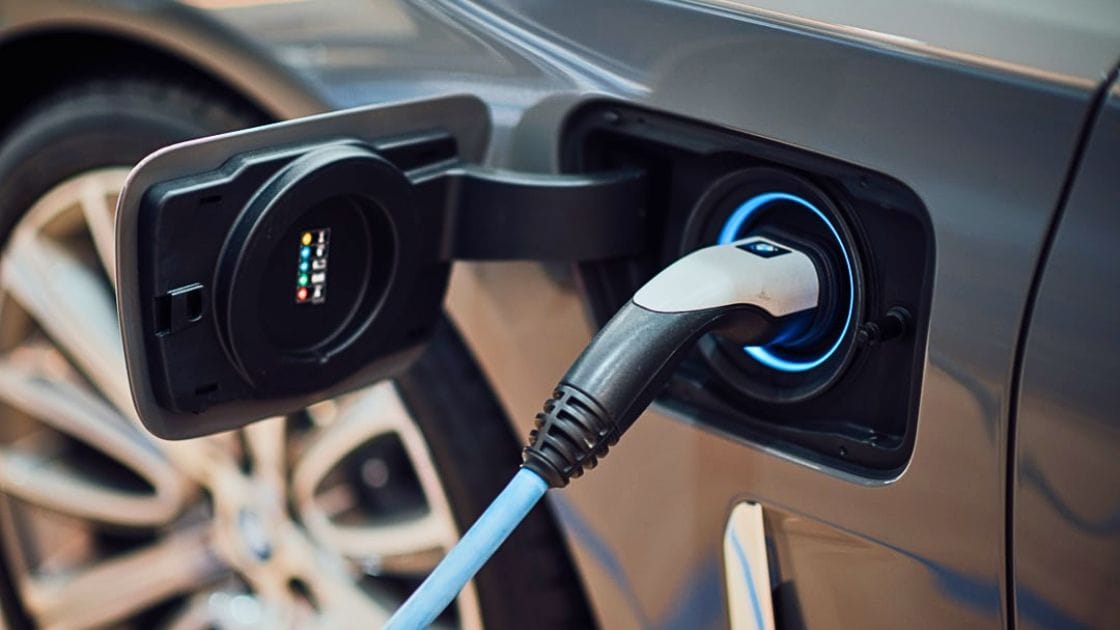
Three high-margin categories emerge: (1) **Charging equipment and cables** ($30-150 per unit)—Level 2 home chargers, portable DC fast chargers, and replacement cables for the 1.56M incoming vehicles; (2) **Battery diagnostics and maintenance products** ($50-300)—diagnostic tools, thermal management solutions, and battery health monitoring devices; (3) **Interior and comfort upgrades** ($20-200)—seat covers, floor mats, cable organizers, and tech accessories designed for EV-specific features. Industry data suggests off-lease vehicles generate $800-1,200 in aftermarket spending per vehicle lifecycle. Early movers can establish brand authority on Amazon, eBay, and Shopify before competition intensifies in 2026.
How does the $7,500 federal tax credit expiration affect used EV demand?
The September 2025 expiration of federal EV tax credits removed a major incentive for new vehicle purchases, directly accelerating used EV adoption. New EV sales have declined since the credit ended, while used vehicles offer 'substantially better value propositions' according to Cox Automotive. Combined with gasoline prices exceeding $4/gallon nationally (up to $7 in some states), consumers are increasingly comparing total cost of ownership—where used EVs win decisively. This creates a 3-5 year window (2026-2030) where used EV demand remains elevated. Sellers should position products around cost savings messaging: 'Save $X annually on fuel with EV ownership' and 'Maximize your used EV investment with quality accessories.'