



Nintendo Switch 2 Gaming Expansion Signals Platform Monetization Shift | Seller Merchandise Opportunity
- Square Enix's separate subscription model for Switch 2 reveals platform holder leverage; creates $500M+ merchandise opportunity for gaming collectibles, apparel, and accessories sellers across Amazon, eBay, Shopify through August 2026 launch window














Overview
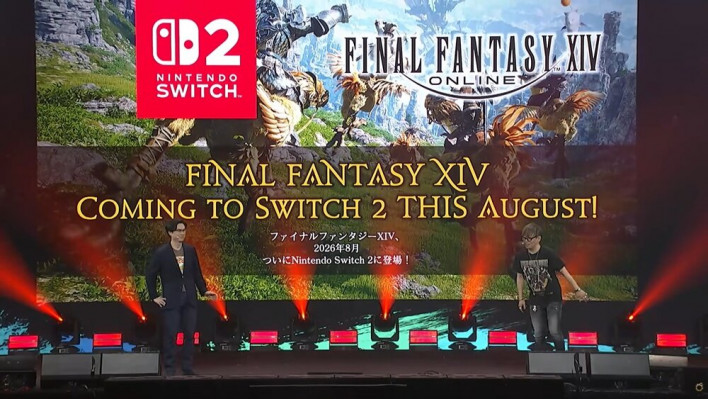
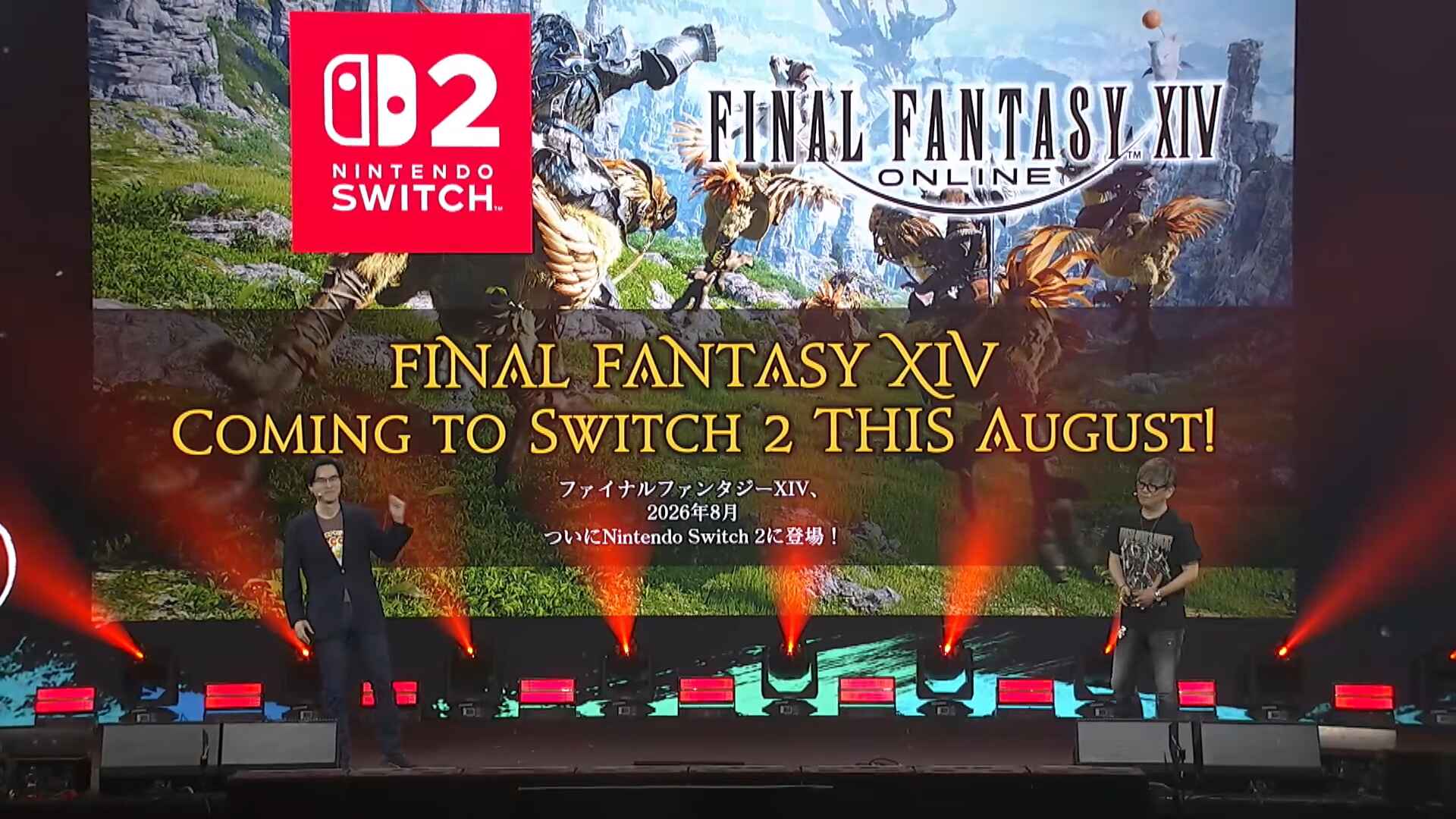
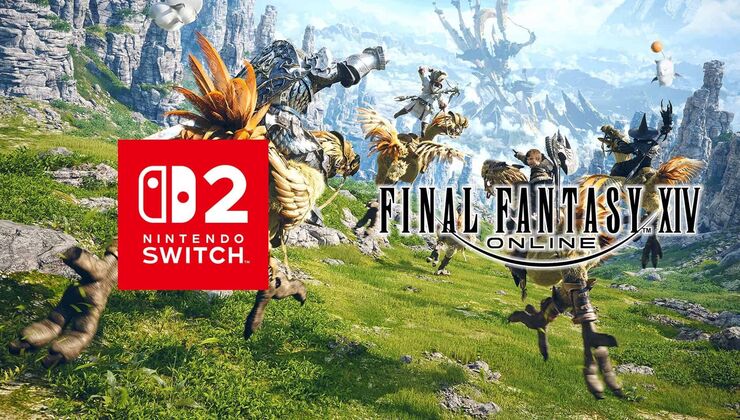
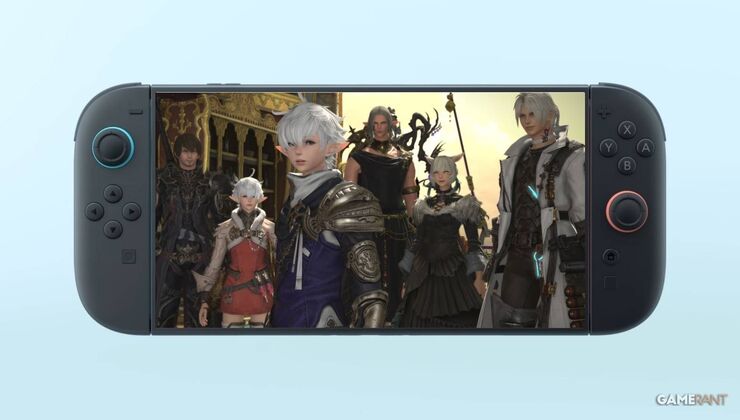
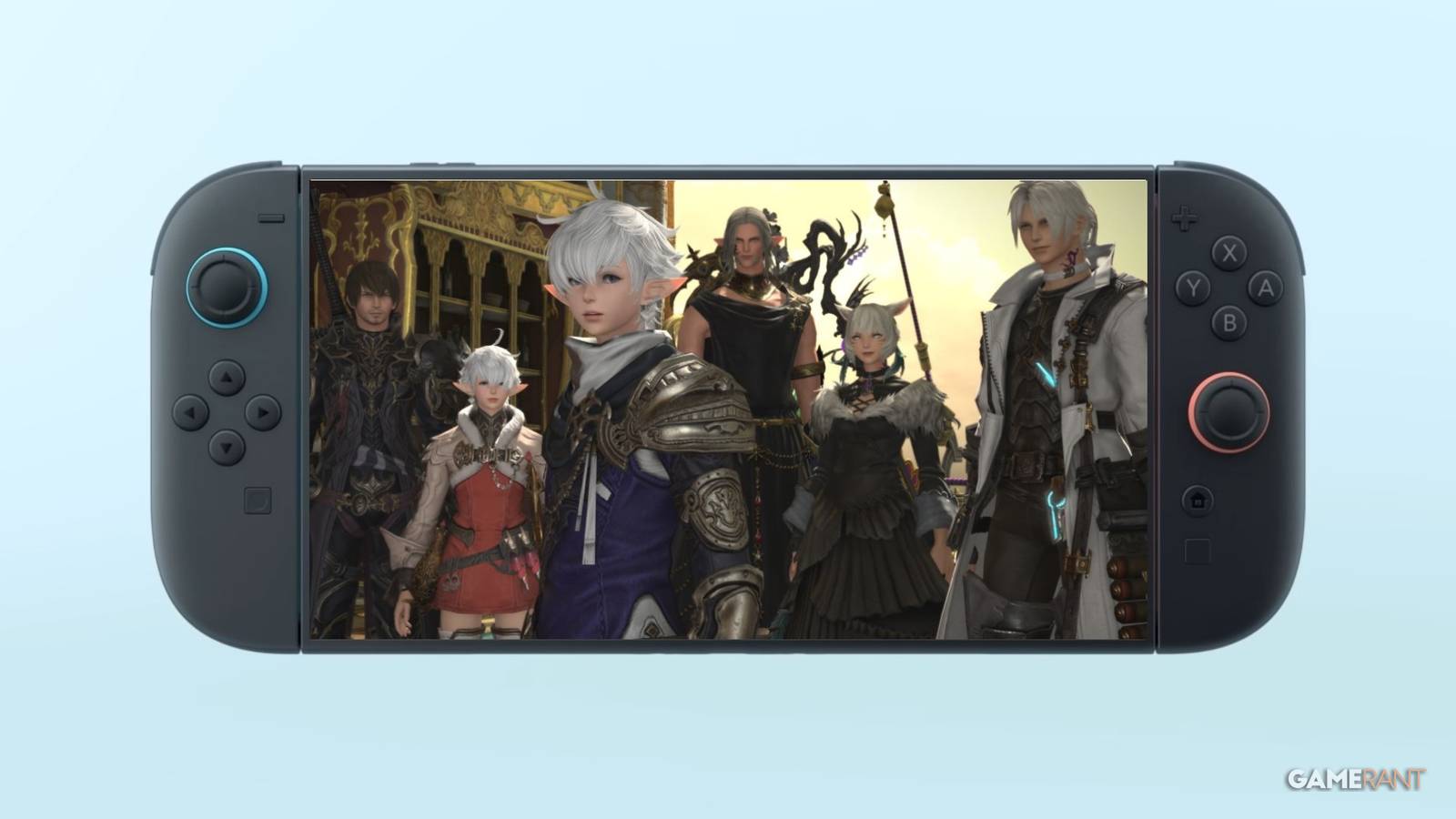
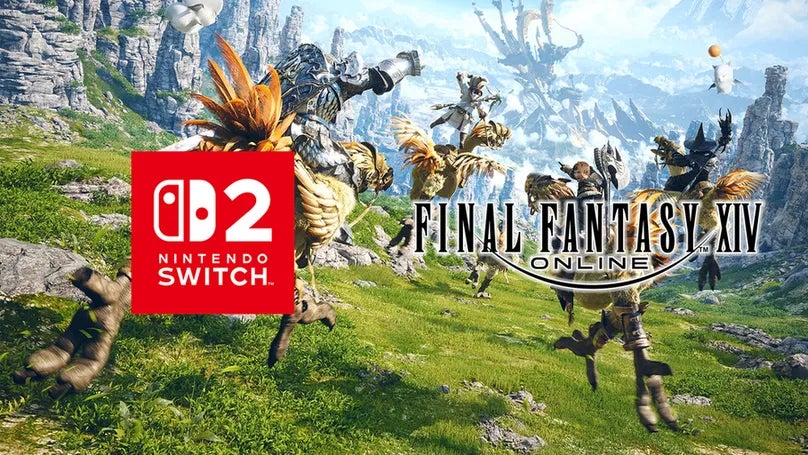
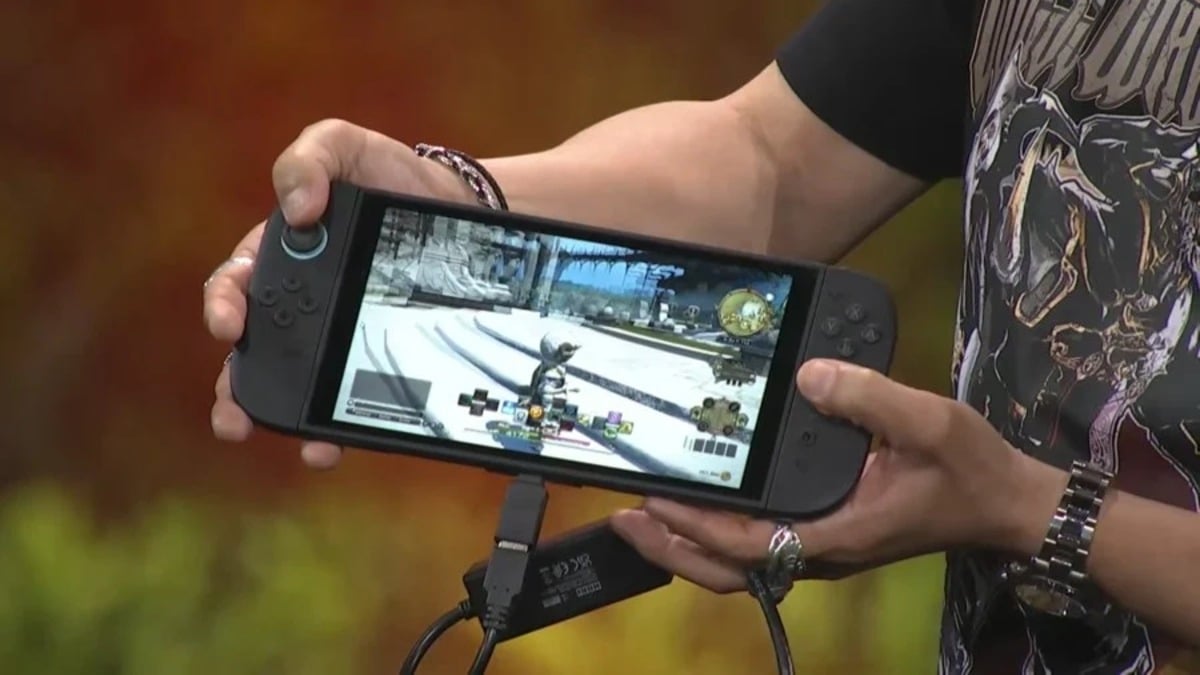
Final Fantasy XIV's August 2026 Nintendo Switch 2 launch represents a critical inflection point in gaming platform monetization strategy with direct implications for e-commerce sellers. Square Enix announced the MMORPG expansion during Fan Fest 2026, but the headline story for merchants is the separate subscription model Nintendo negotiated—a departure from industry-standard cross-platform licensing that signals platform holders are asserting unprecedented leverage over publishers. This precedent will reshape how gaming content monetizes across hardware ecosystems, affecting seller strategies for gaming-adjacent merchandise.
The subscription model innovation creates immediate e-commerce opportunities. With 30+ million registered Final Fantasy XIV accounts and Nintendo Switch 2 targeting both casual and hardcore gamers, the August 2026 launch window opens a 6-month merchandise surge cycle. Sellers should capitalize on three distinct demand waves: (1) Pre-launch hype (April-July 2026) driving collectibles, apparel, and gaming accessories; (2) Launch month (August 2026) peak for Switch 2 bundles, protective cases, and character merchandise; (3) Expansion cycle (January 2027 Evercold expansion) sustaining demand through new job classes, level cap increases to 110, and Evangelion anime collaboration merchandise. The 50% subscription discount for existing players creates a secondary audience of 15-20 million potential Switch 2 adopters—a defined target segment for cross-selling gaming peripherals and lifestyle products.
Platform monetization precedent affects seller positioning across categories. Nintendo's requirement for separate subscriptions (while waiving Nintendo Online requirements) demonstrates platform holders can impose category-specific payment structures. This model will likely cascade to other premium titles on Switch 2, creating fragmented subscription ecosystems that sellers must navigate. For merchandise sellers, this fragmentation increases consumer spending friction—players paying dual subscriptions have reduced discretionary budgets for ancillary purchases. However, it also creates scarcity value: exclusive Switch 2 merchandise, limited-edition collectibles tied to the separate subscription tier, and region-specific variants (Anaheim Fan Fest 2026 exclusives) command premium pricing on secondary markets.
The Evercold expansion (January 2027) and Evangelion collaboration represent high-velocity merchandise windows. New job classes (tank and physical ranged DPS), level cap increases, and the "Ghosts of Desire" alliance raid series create content-driven demand spikes. Evangelion anime partnership merchandise—cosplay accessories, apparel, collectible figures—targets the 18-35 demographic with proven high-value purchasing behavior. Sellers should pre-position inventory 60-90 days before January 2027 launch, leveraging the April 28 free trial expansion (now including Shadowbringers content through Patch 5.58) to convert new players into merchandise buyers. The free trial expansion removes entry barriers for 500+ hours of gameplay, creating a larger addressable market for gaming lifestyle products.
Questions 8
What is the Nintendo Switch 2 subscription model for Final Fantasy XIV and how does it differ from other platforms?
Final Fantasy XIV on Nintendo Switch 2 requires a separate subscription tier, unlike other platforms where a single subscription covers all versions. Players won't need Nintendo Switch Online, but must pay for a dedicated Switch 2 subscription. Existing FFXIV subscribers receive a 50% discount on the Switch 2 tier. This separate model resulted from negotiations between Square Enix and Nintendo, representing a departure from industry-standard cross-platform licensing. For sellers, this creates a defined subscriber segment (estimated 15-20 million potential Switch 2 players) with distinct purchasing behavior and merchandise preferences.
What precedent does the Nintendo Switch 2 subscription model set for future gaming platform releases?
Nintendo's successful negotiation of a separate subscription tier signals platform holders can impose category-specific payment structures on major publishers. This precedent will likely cascade to other premium titles on Switch 2, creating fragmented subscription ecosystems. For sellers, this fragmentation increases complexity: different games require different subscription tiers, reducing consumer spending flexibility. However, it also creates opportunities for platform-specific merchandise, exclusive Switch 2 variants, and scarcity-driven collectibles. Sellers should monitor similar negotiations with other major publishers (Activision, Ubisoft, Capcom) to anticipate merchandise demand patterns and position inventory accordingly for future Switch 2 launches.