



Black Sea Logistics Crisis | Sellers Face Port Disruptions & Supply Chain Delays
- Odesa port infrastructure damage threatens shipping routes for 5,000+ cross-border sellers; expect 2-4 week delivery delays and 15-25% freight cost increases



































Overview
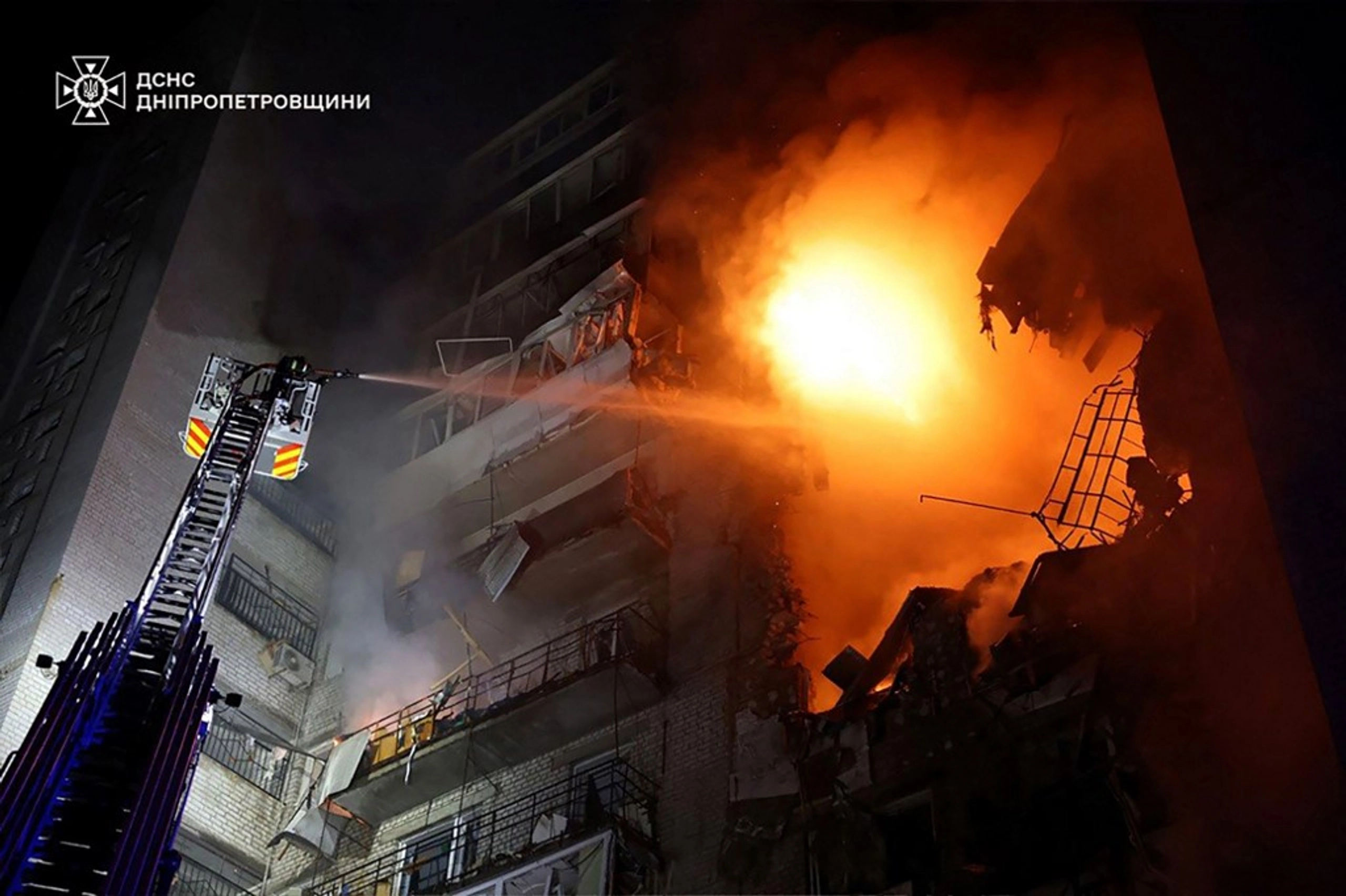
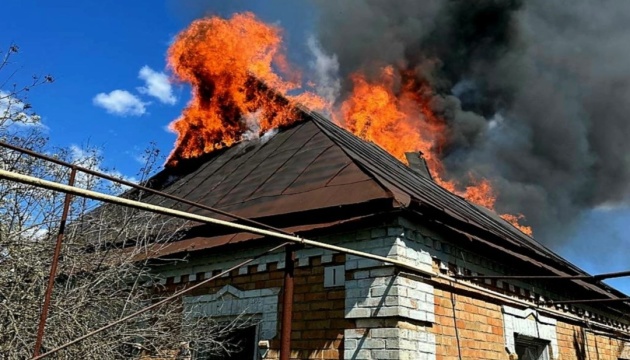
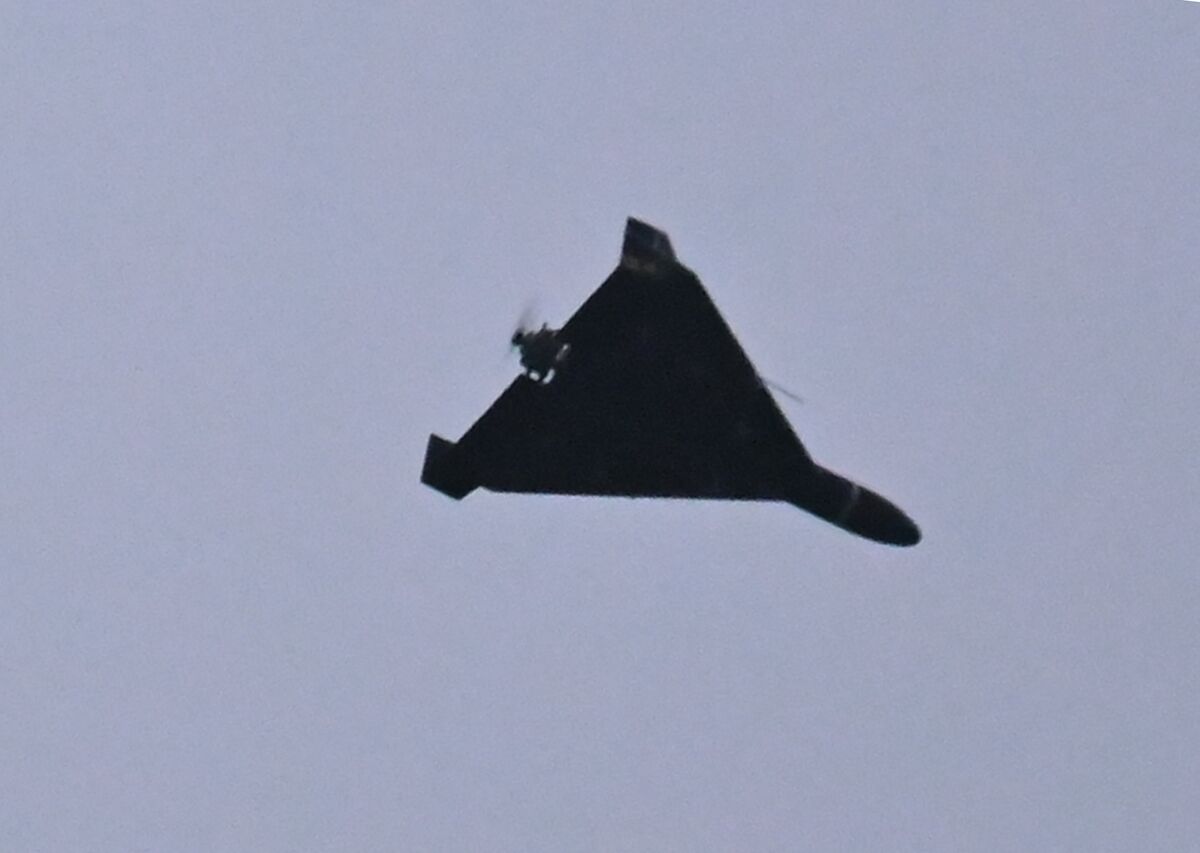
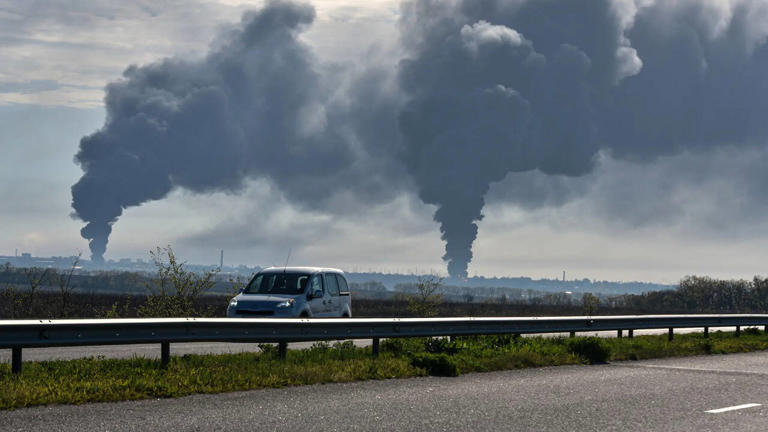
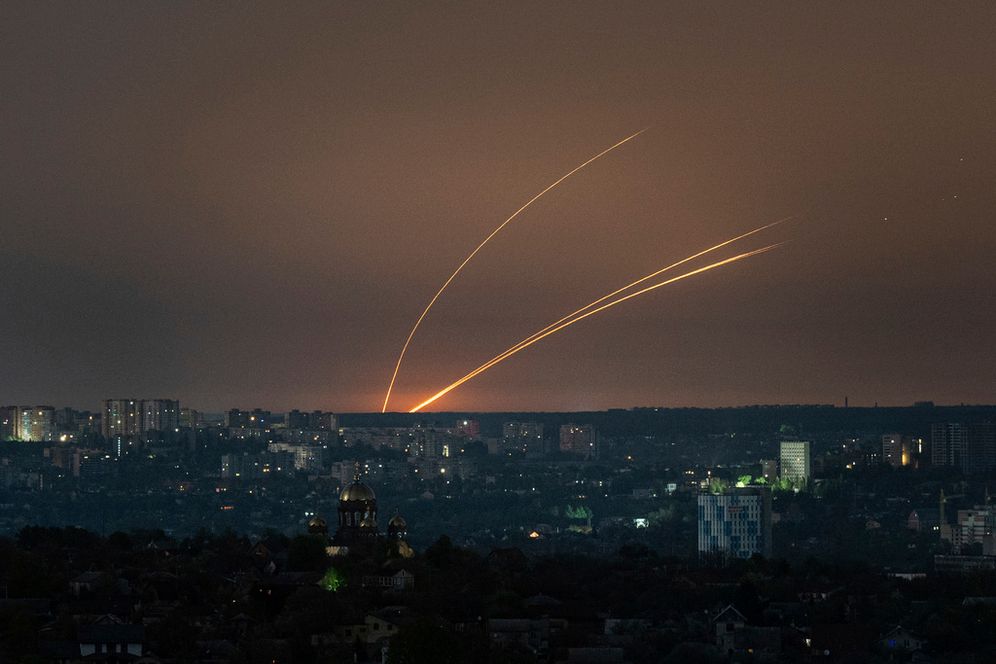
The escalating Russia-Ukraine conflict has created a critical logistics crisis for cross-border e-commerce sellers operating in Eastern Europe and the Black Sea region. Russian drone attacks on Odesa port infrastructure—including warehouses, cargo storage facilities, and a civilian vessel—have directly compromised one of Europe's primary maritime shipping corridors. This represents a significant operational threat to sellers who rely on Black Sea logistics for inventory movement, particularly those shipping from or to Ukraine, Russia, Moldova, and Romania.
Supply Chain Impact for Sellers: The damage to Odesa port infrastructure creates immediate disruptions for merchants using Black Sea shipping routes. Sellers typically experience 2-4 week delivery delays when alternative routing becomes necessary, with freight costs increasing 15-25% as carriers reroute through longer Mediterranean or Baltic corridors. For sellers shipping 500+ units monthly via Black Sea routes, this translates to $3,000-8,000 in additional monthly logistics costs. Smaller sellers (100-300 units/month) face proportionally higher per-unit cost increases of 20-30%, compressing margins by 8-12%.
Regional Seller Segments Affected: Sellers based in Ukraine, Russia, and neighboring countries face the most severe impact, with potential inventory stranding and fulfillment delays. EU-based sellers shipping to Eastern European markets must reassess 3PL partnerships and consider temporary inventory repositioning to Central European warehouses (Poland, Czech Republic, Hungary). Amazon FBA sellers in the region may experience longer processing times at fulfillment centers, while eBay and Shopify sellers using independent logistics providers must verify carrier capabilities and insurance coverage for conflict-affected zones.
Diplomatic Developments Create Uncertainty: President Zelenskyy's recent security agreements with Azerbaijan and willingness to negotiate peace talks introduce potential for logistics normalization within 2-6 months. However, sellers should assume continued disruptions through Q1 2025 and plan inventory strategies accordingly. The ongoing conflict also affects sourcing from Ukrainian manufacturers and suppliers, particularly in electronics, textiles, and industrial components categories.
Immediate Seller Actions: Monitor shipping carrier announcements regarding Black Sea route status; contact 3PL providers for alternative routing options; review insurance coverage for conflict-affected regions; consider temporary inventory diversification to non-affected European warehouses; adjust delivery time estimates in product listings to reflect 2-4 week delays. Strategic sellers should evaluate whether to temporarily pause inventory shipments to affected regions or shift focus to alternative European markets with stable logistics infrastructure.
Questions 8
What insurance and risk management steps should sellers take now?
Review your cargo insurance policies immediately to confirm coverage for conflict-affected zones (Ukraine, Russia, Black Sea region). Many standard policies exclude war/conflict zones. Contact your insurance provider to: (1) verify current coverage limits, (2) add conflict zone riders if available, (3) understand claim procedures for inventory loss. For sellers with significant inventory in affected regions, consider purchasing additional war risk insurance ($500-2,000 monthly for $100K+ inventory). Document all inventory locations and values for potential claims. Consult with your 3PL provider about their insurance coverage as well.
When might Black Sea shipping routes normalize for sellers?
President Zelenskyy's recent security agreements with Azerbaijan and willingness to negotiate suggest potential normalization within 2-6 months, likely Q2-Q3 2025. However, sellers should plan conservatively and assume continued disruptions through Q1 2025. Monitor diplomatic developments weekly and maintain contact with 3PL providers for route status updates. If peace negotiations progress, carriers will likely announce route reopening 2-4 weeks in advance, giving sellers time to resume normal shipping patterns. Until then, maintain alternative logistics strategies.