


Strait of Hormuz Closure Reshapes Global Shipping Routes | Seller Logistics Impact
- Shipping costs surge 5-15% for Middle East logistics; Panama Canal rerouting adds $4M per transit; sellers face 2-3 year supply chain restructuring






&format=webp&quality=medium)











Overview
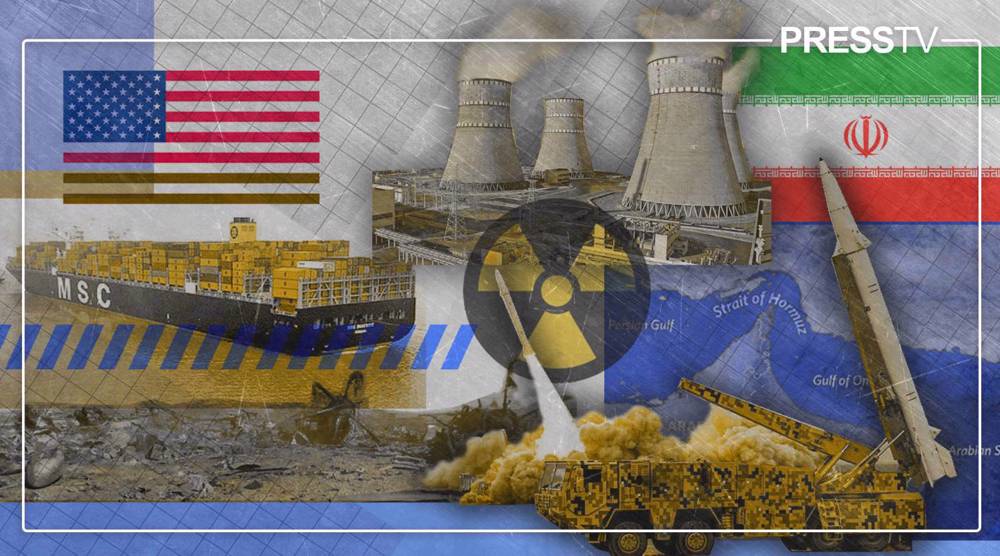
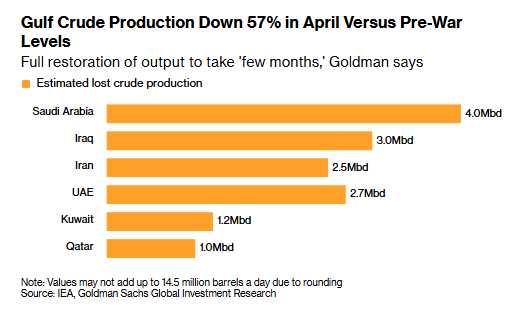
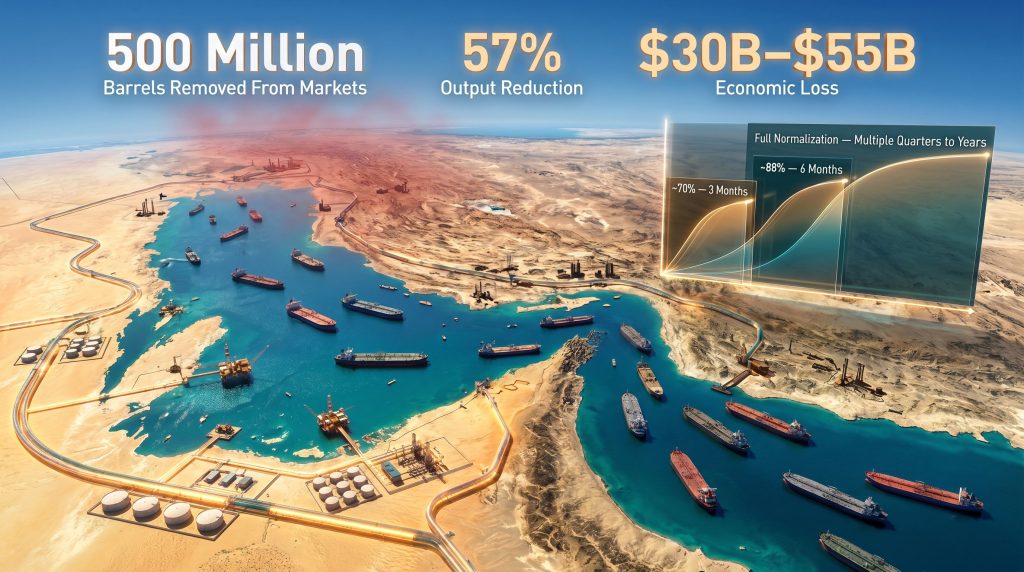
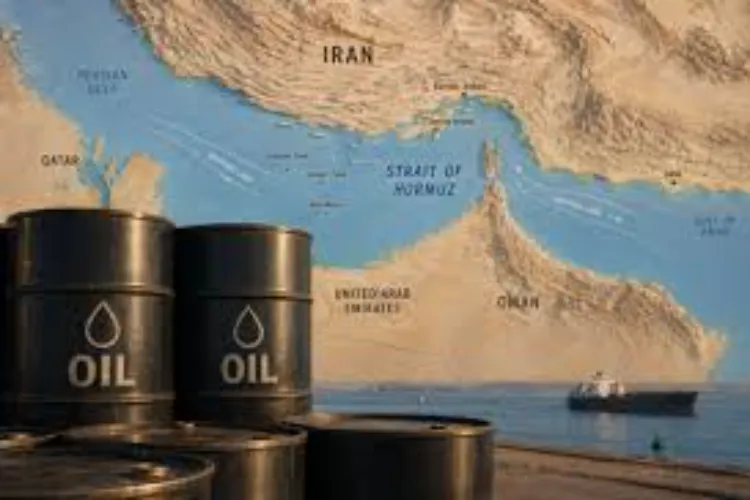
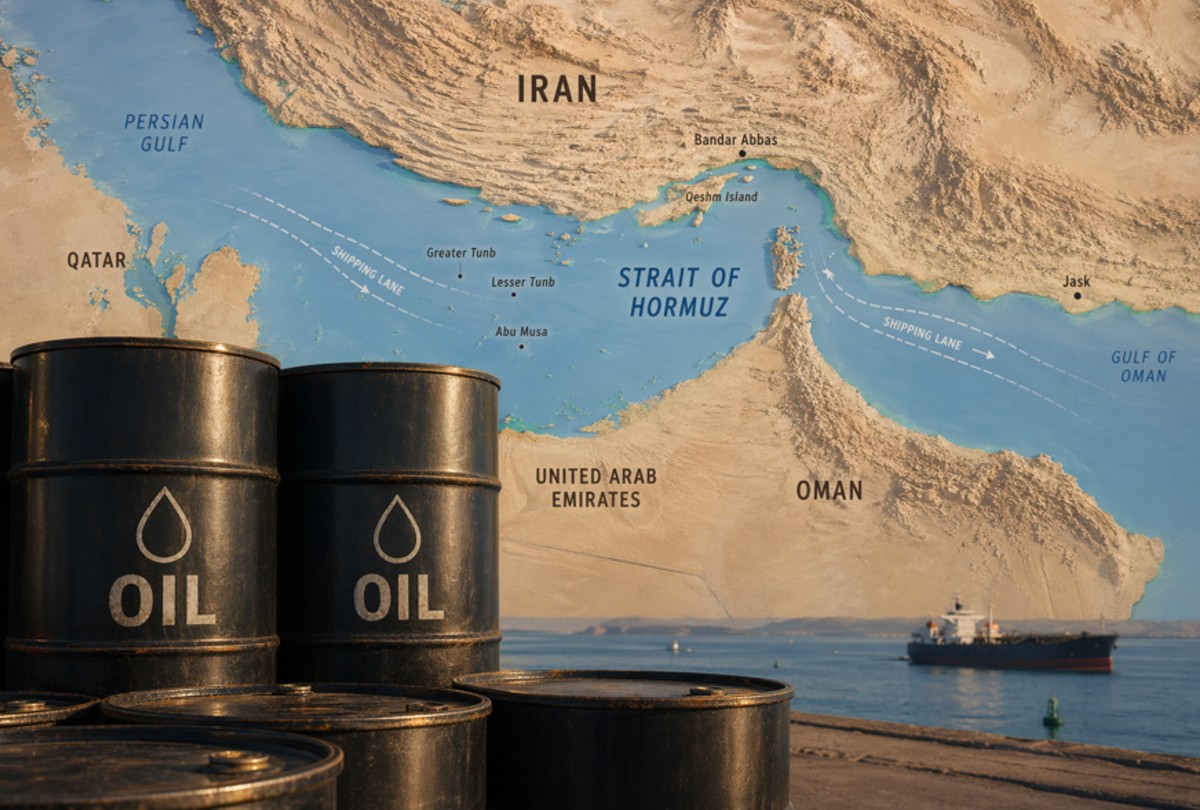
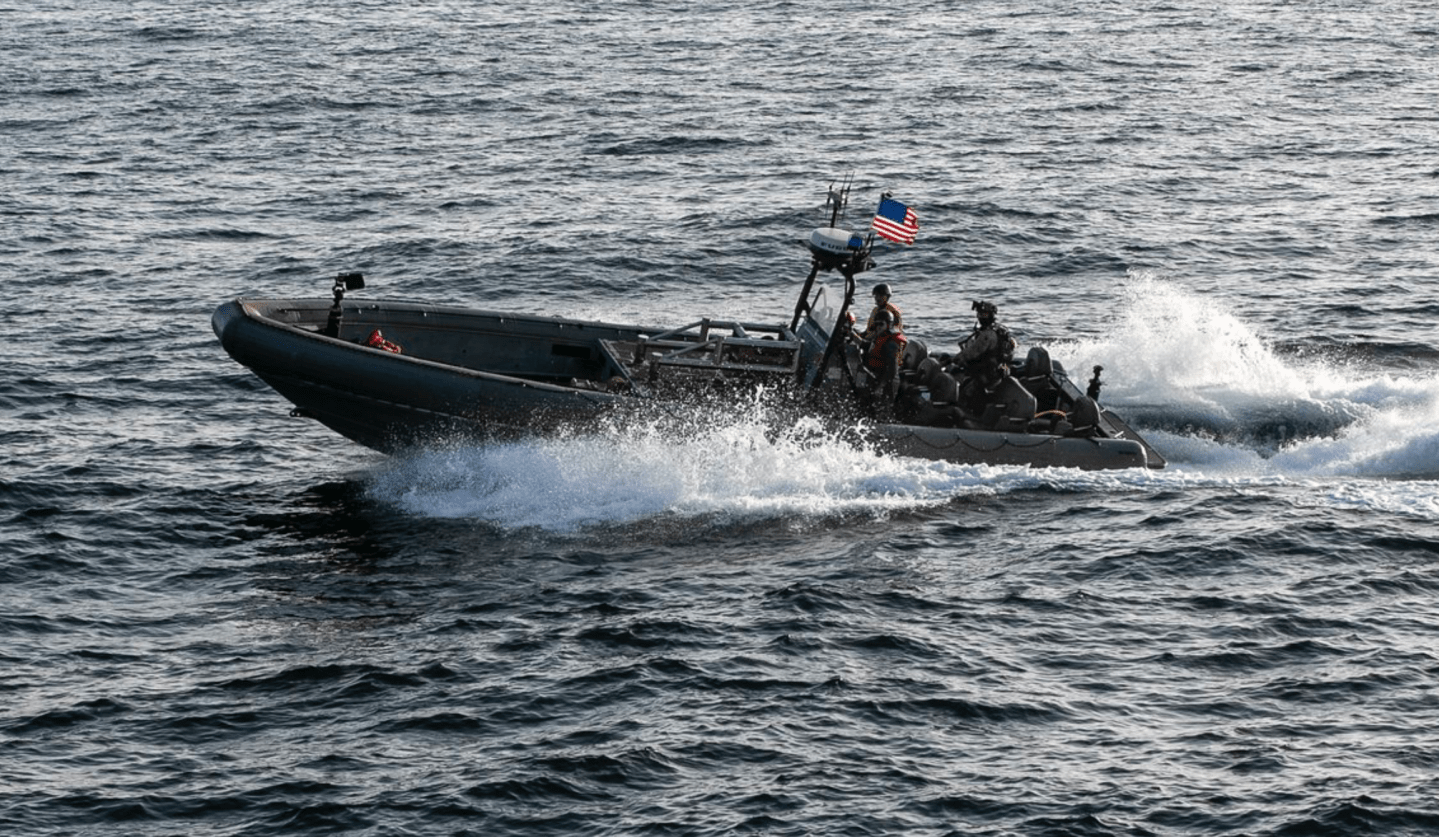
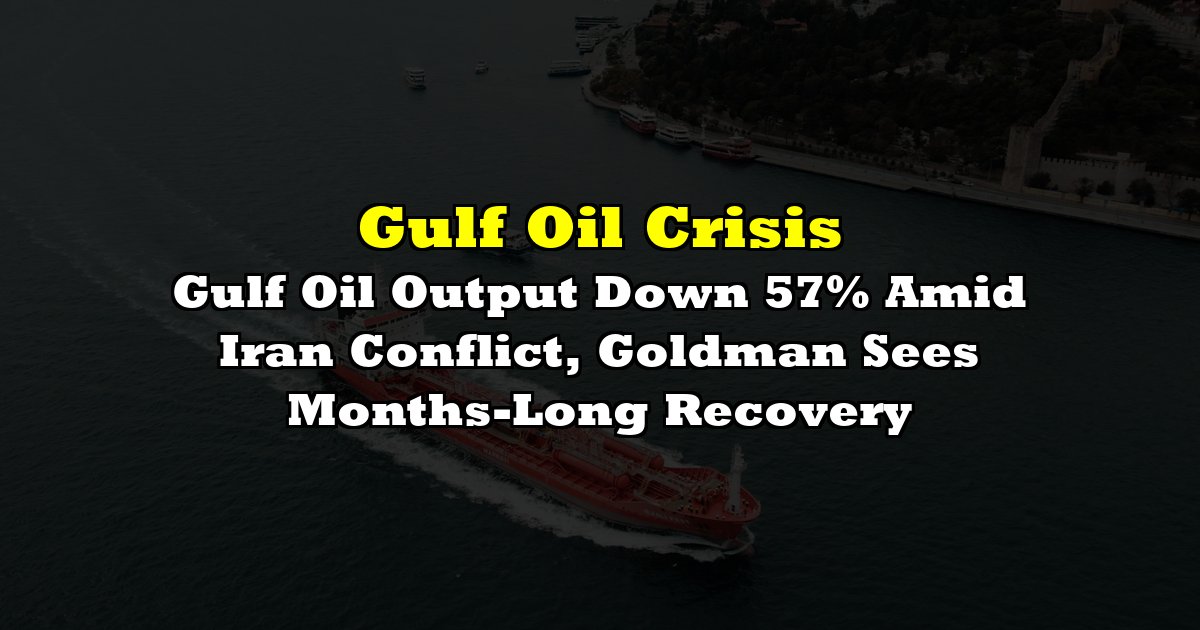
The Strait of Hormuz geopolitical standoff since late February 2026 represents a fundamental restructuring of global maritime commerce with direct implications for cross-border e-commerce logistics and supply chain costs. Goldman Sachs' Jared Cohen, co-head of the Global Institute, confirms that Iran's weaponization of this critical waterway—which handles approximately one-third of global seaborne oil trade and 21% of global petroleum annually—has created a permanent shift in shipping economics. The "maritime trench warfare" between U.S./Israeli forces and Iranian Revolutionary Guard Corps fast-attack boats maintains the strait's effective closure, with the U.S. Navy imposing blockades on Iran-linked shipping while Iranian forces continue targeting commercial vessels. Cohen's direct conversations with senior officials in Saudi Arabia, Qatar, and the UAE reveal that Gulf state power brokers now view Iran's control as indefinite unless regime collapse occurs—a scenario deemed unlikely by major financial institutions.
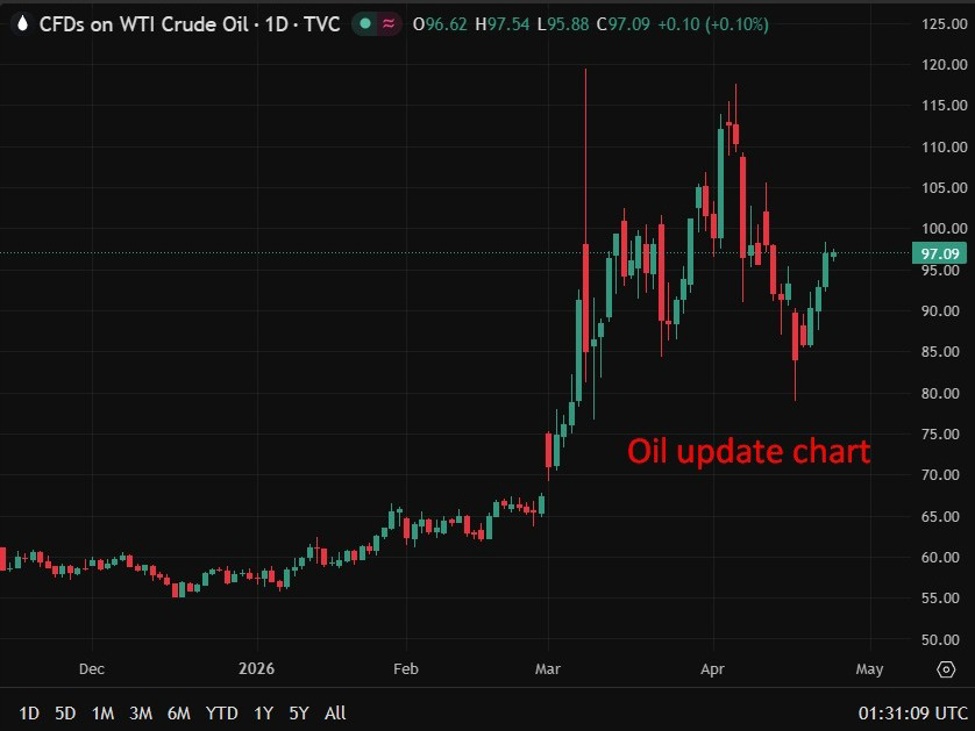
For cross-border e-commerce sellers, this creates immediate and structural cost pressures across three dimensions: fuel surcharges, route diversification, and supply chain unpredictability. Energy market crises directly threaten transportation expenses, with analysts warning of global oil and fuel shortages within two months that could precipitate economic disaster. Sellers relying on just-in-time inventory models face heightened operational risk, particularly those shipping through Middle Eastern ports or dependent on Gulf energy markets. Insurance premiums for maritime shipping are increasing, and compliance complexities multiply for sellers operating in affected regions. The news indicates sellers should anticipate cost increases of 5-15% for Middle East-related logistics over coming months, with potential margin compression of 8-12% for high-volume sellers (1,000+ units monthly) shipping through traditional Hormuz routes.
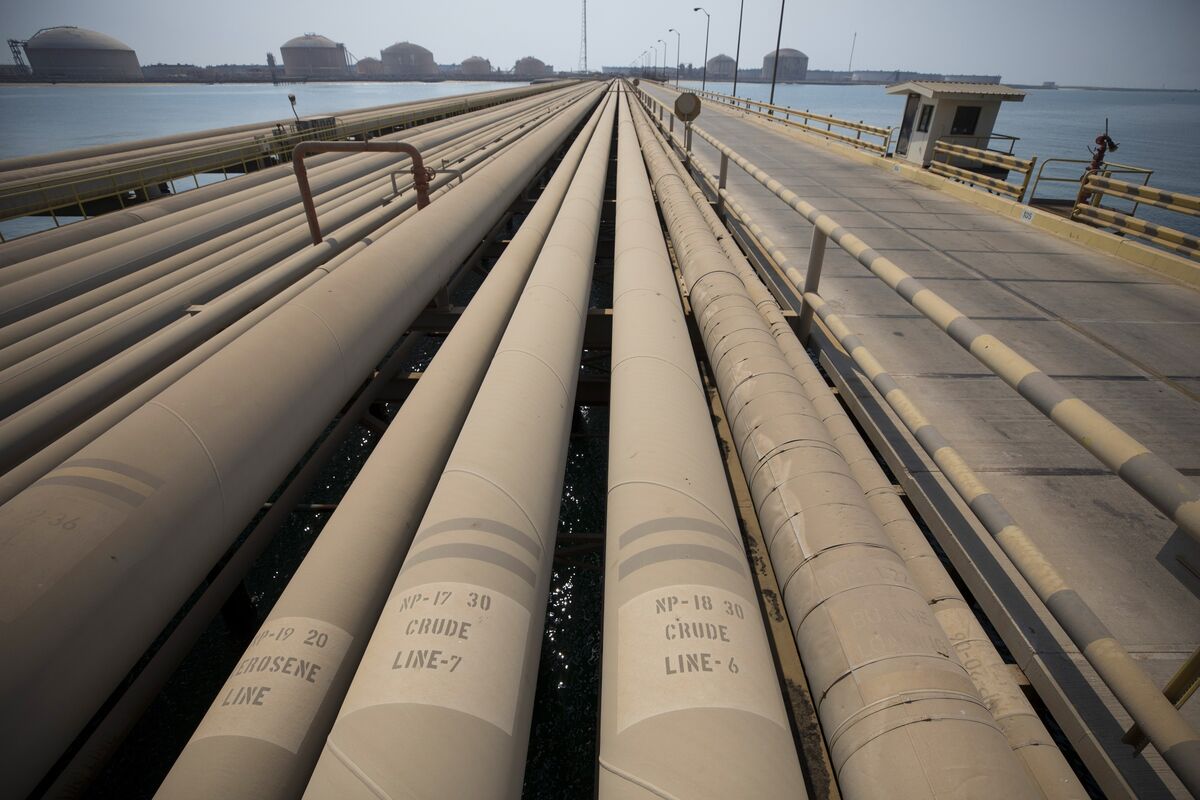
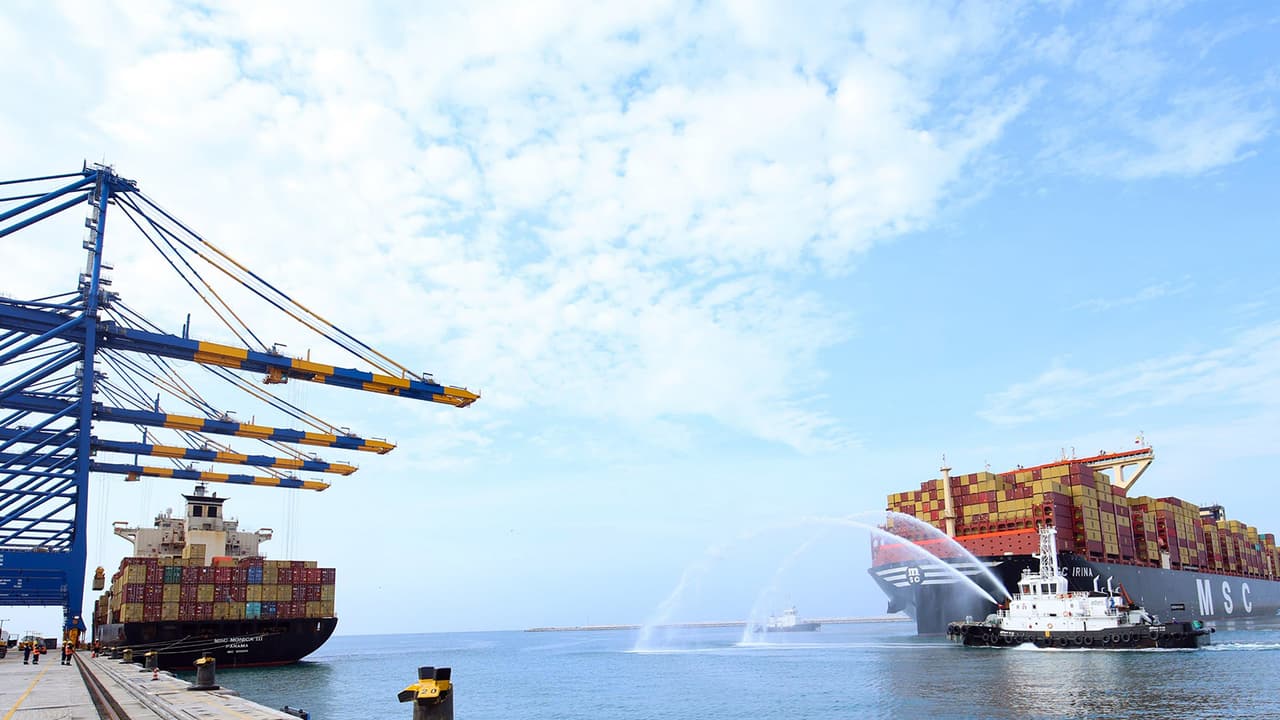
Strategic sourcing and routing alternatives are already reshaping competitive dynamics. Gulf Cooperation Council states are actively diversifying away from Hormuz dependency—Saudi Arabia has diverted exports via the Red Sea East-West Pipeline, while the UAE plans reducing Hormuz exposure from 50% to zero within 2.5-3 years. Businesses increasingly route shipments through the Panama Canal despite $4 million transit costs per vessel, viewing it as safer and more economical than Hormuz passage. This represents a critical timing window: sellers who establish alternative logistics partnerships and rerouting strategies within the next 30-60 days will gain competitive advantages over slower-moving competitors. The predicted evolution toward a "sloppy peace"—with Iran maintaining 1,000-2,000 missiles and partial closure capability—suggests this disruption will persist indefinitely, making supply chain restructuring a strategic imperative rather than temporary adjustment.
Questions 8
What is the timeline for supply chain restructuring to avoid Hormuz dependency?
Goldman Sachs' assessment indicates Iran will maintain indefinite control unless regime collapse occurs—a scenario deemed unlikely by major financial institutions. The UAE plans reducing Hormuz exposure from 50% to zero within 2.5-3 years, establishing a realistic restructuring timeline. However, the predicted evolution toward a 'sloppy peace' with Iran maintaining 1,000-2,000 missiles suggests partial closure capability will persist indefinitely. Sellers should implement immediate actions (0-30 days): audit logistics partnerships, calculate rerouting costs, and identify alternative 3PL providers. Strategic adjustments (1-6 months): shift 20-30% inventory to alternative routes, evaluate regional sourcing shifts, and establish backup suppliers. Long-term planning (6-36 months): restructure supply chains to reduce Hormuz dependency by 50-75% through diversified sourcing and routing strategies.
How do insurance premiums and compliance costs change due to Strait of Hormuz instability?
The news indicates maritime shipping insurance premiums are increasing due to heightened geopolitical risk, with sellers operating in affected regions facing additional compliance complexities. While specific premium increases aren't quantified in the reports, historical precedent suggests 10-25% increases for high-risk corridors. Sellers must update insurance policies to reflect new routing (Panama Canal vs. Hormuz), which may carry different risk profiles and premium structures. Compliance complexities multiply for sellers shipping through multiple routes—documentation, customs procedures, and regulatory requirements differ between Hormuz, Red Sea, and Panama Canal passages. Budget 5-10% additional operational costs for compliance management and insurance adjustments. Consult with maritime insurance brokers immediately to understand premium impacts and explore risk mitigation strategies.