


Strait of Hormuz Crisis Drives 82% Jet Fuel Surge | Urgent Logistics Cost Escalation for E-Commerce Sellers
- Jet fuel prices surge from $2.30 to $4.19 per gallon (82% increase); California diesel at $7.49 vs $5.47 national average; air freight surcharges spike immediately; West Coast fulfillment costs rise 15-25% through 2026















Overview
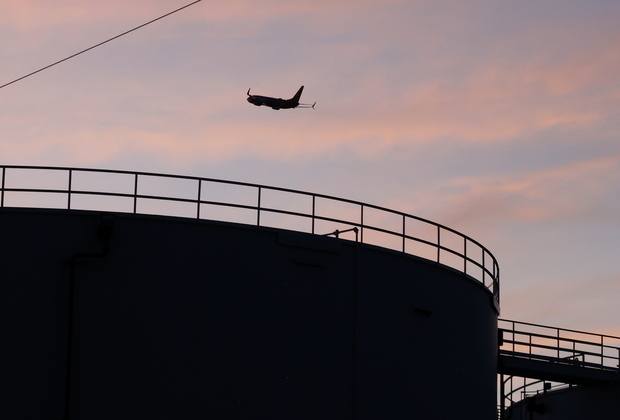
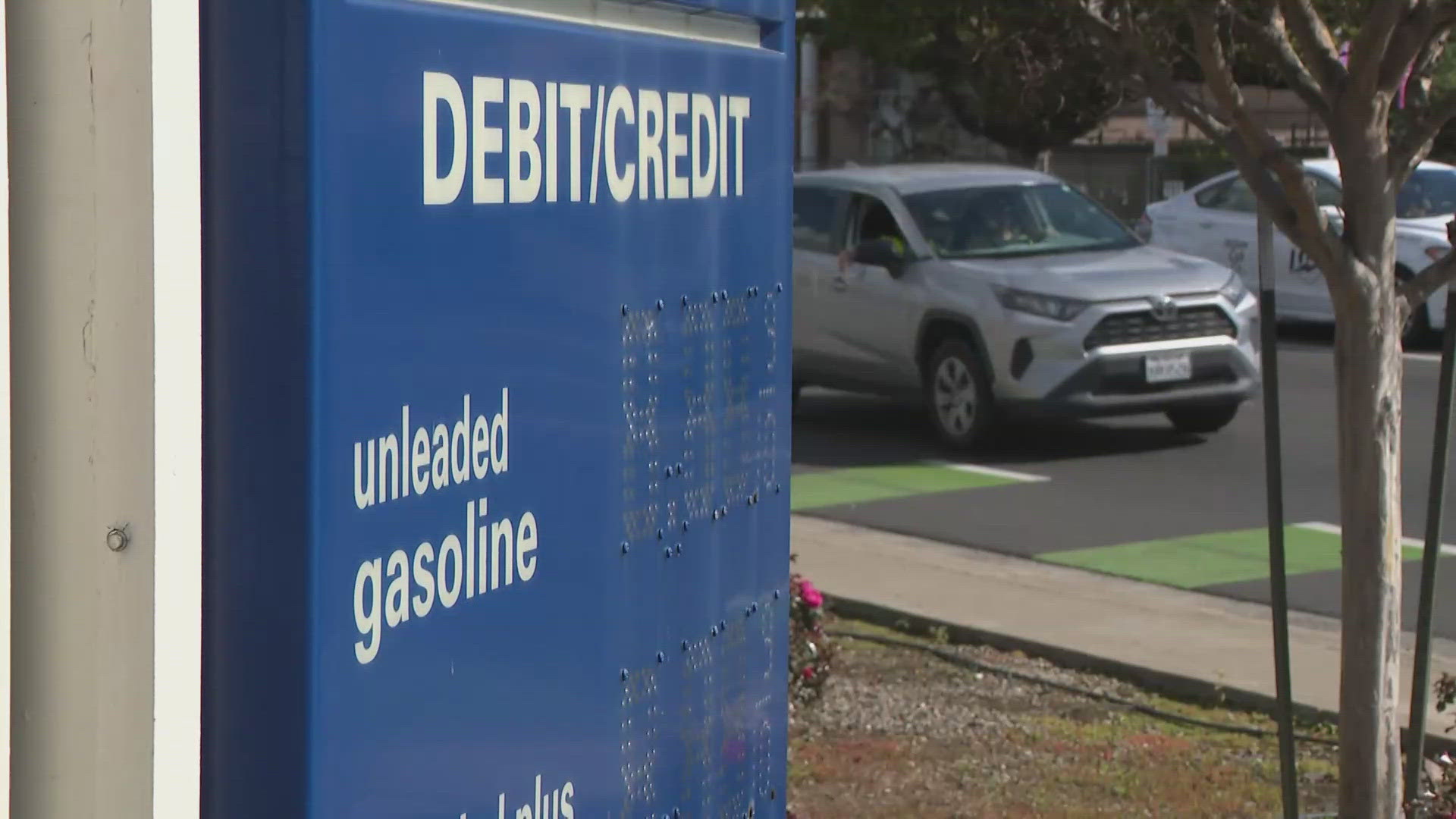
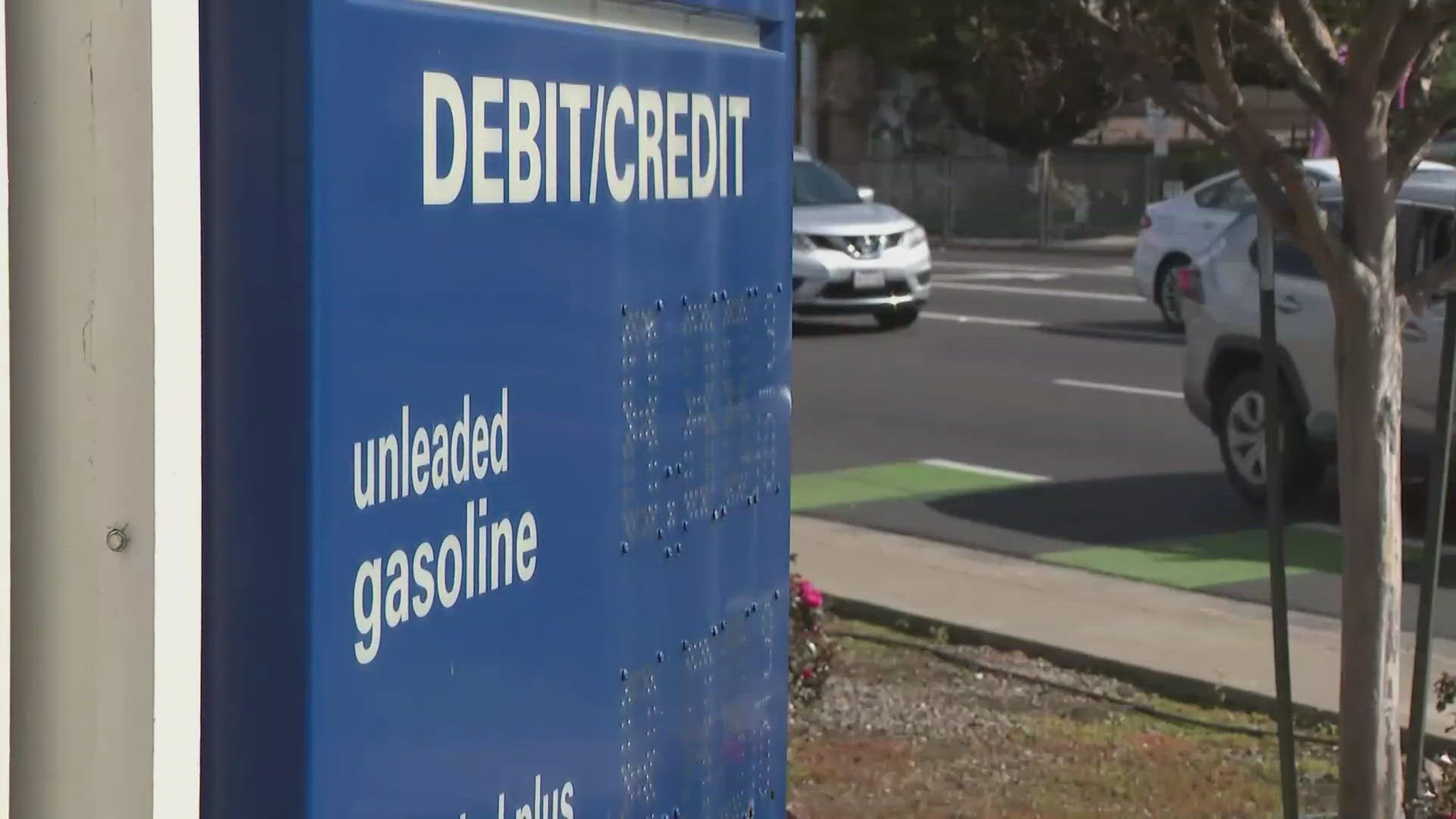
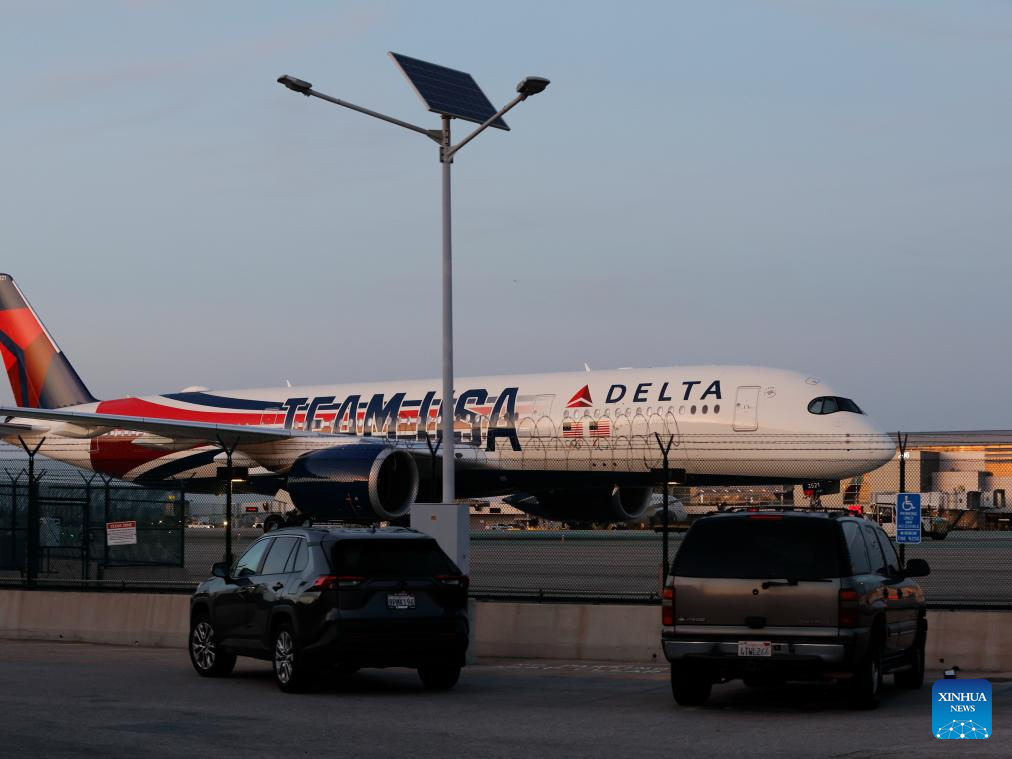
The Strait of Hormuz closure triggered by Iran-US-Israel conflict has created a critical logistics cost crisis for cross-border e-commerce sellers. Since late February 2025, global oil supply has contracted by at least 10%, with California's jet fuel inventory plummeting to a three-year low of 2.6 million barrels (down from 3.2 million in 2024). Jet fuel prices in major U.S. markets surged from approximately $2.30 per gallon in early 2026 to $4.19 by April 24—an 82% increase—while Los Angeles International Airport experienced extreme pricing at $15 per gallon. This represents an immediate and sustained cost shock to air freight operations critical for time-sensitive e-commerce shipments.
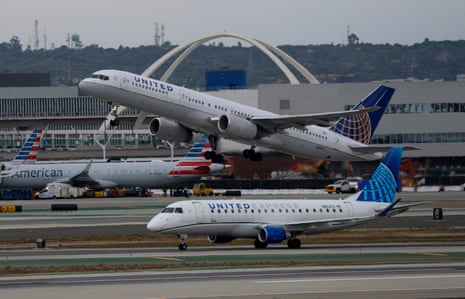
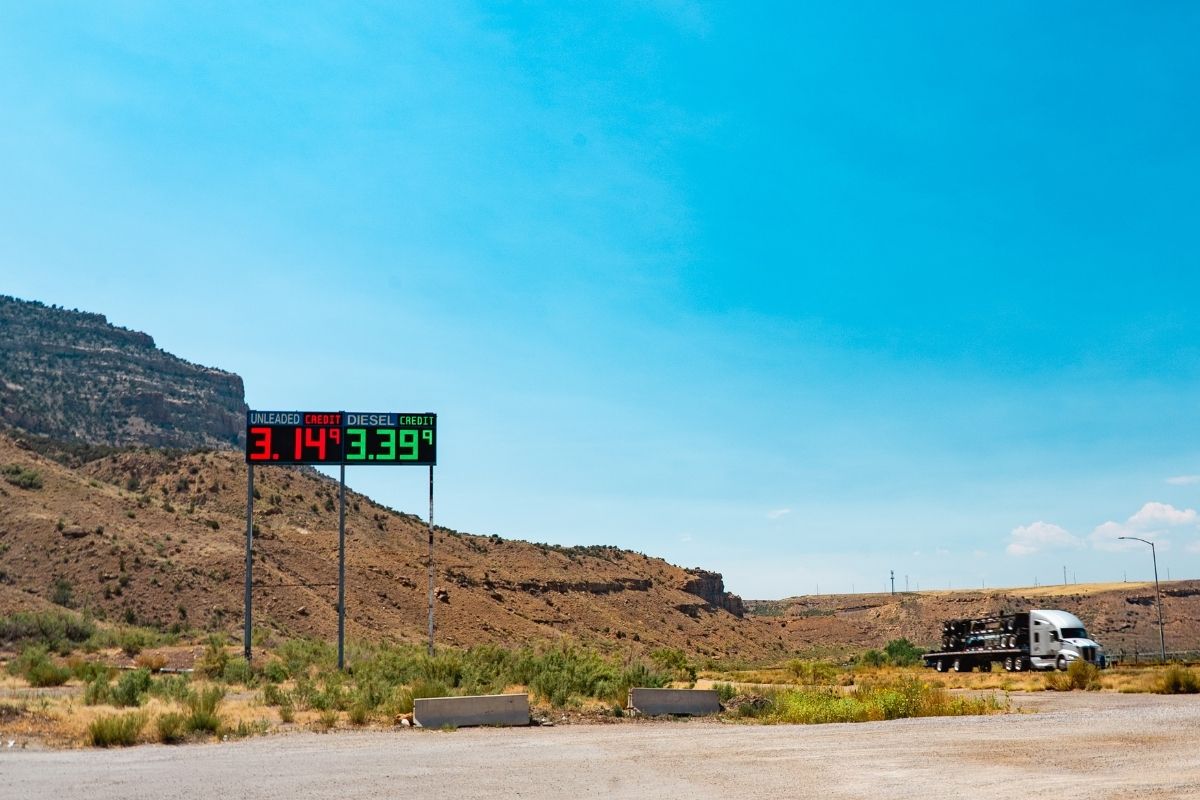
For cross-border sellers, the operational impact is substantial and multi-layered. Air freight surcharges are escalating immediately, with carriers like United Airlines raising fares up to 20% while cutting capacity. Deutsche Lufthansa scrubbed 20,000 short-haul European flights, and Vietnamese carriers reduced operations, directly constraining air cargo capacity for sellers shipping electronics, apparel, and perishables. Ground logistics face parallel pressure: California diesel prices at $7.49 per gallon (45% above the $5.47 national average) directly increase last-mile delivery costs for Amazon FBA, 3PL providers, and warehouse operations. The International Energy Agency's emergency release of 400 million barrels is depleting rapidly, with analysts guaranteeing a billion-barrel supply loss—more than double released reserves. Without resolution within three months, the European Central Bank models Brent crude at $145 per barrel, cutting regional growth in half and fundamentally suppressing consumer purchasing power across e-commerce demand.
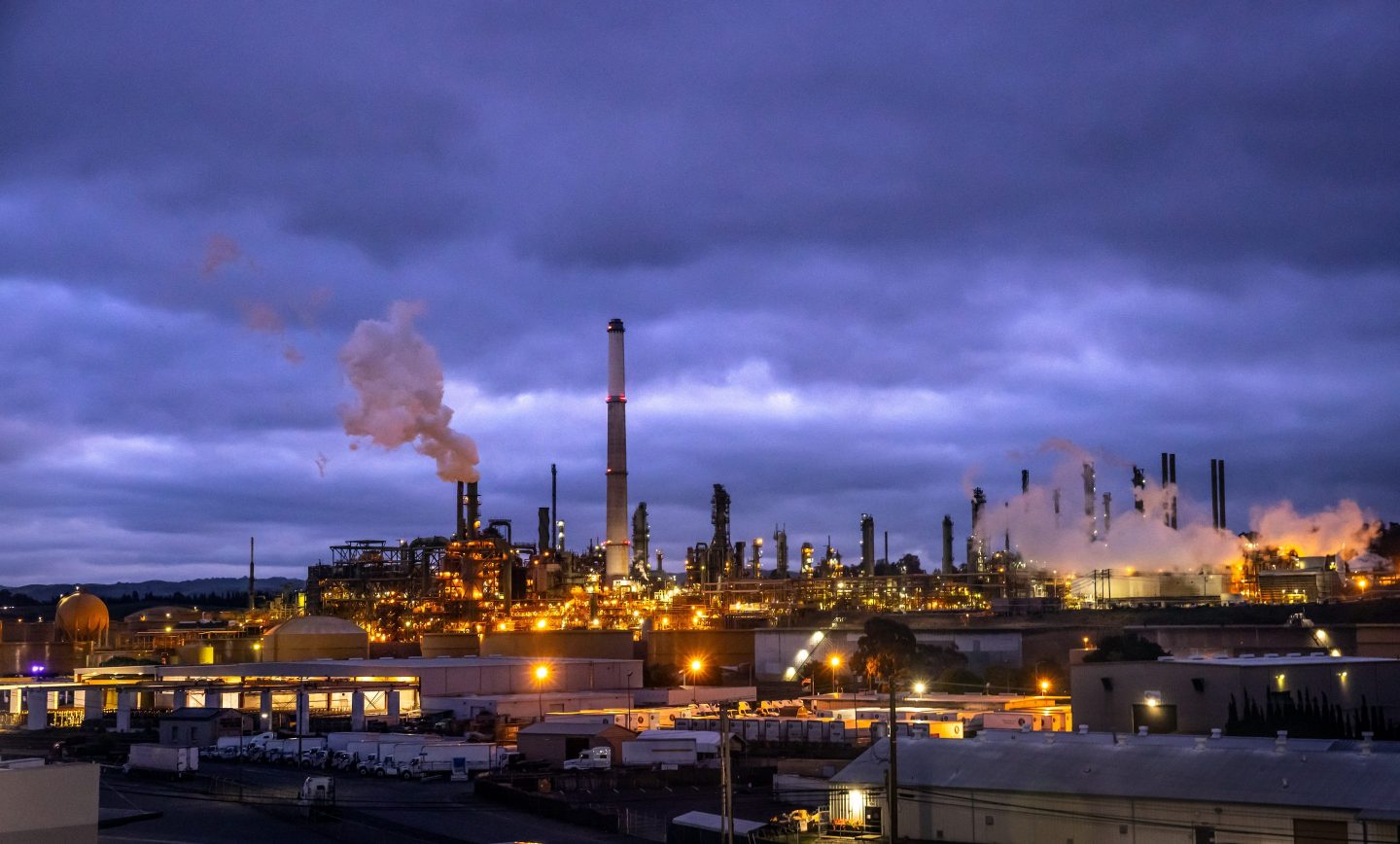
Strategic sourcing and market access shifts are accelerating. California's dependence on foreign oil has increased to 61.1% in 2025, with Asian refiners comprising the majority of suppliers. This creates competitive advantages for sellers with diversified logistics networks: those relying solely on West Coast air freight face 15-25% cost increases through 2026, while sellers with East Coast or international 3PL partnerships can arbitrage lower fuel costs. The closure of Phillips 66's Los Angeles refinery and Valero's Benicia facility (representing 20% of California's refining capacity) signals sustained supply tightness. The Trump administration's temporary Jones Act waiver provides incremental relief via Panama Canal fuel shipments, but long-term solutions (Phillips 66/Kinder Morgan Western Gateway Pipeline) won't arrive until 2029. For sellers, this creates a 3-year window of elevated logistics costs, making inventory positioning and fulfillment network optimization critical competitive factors.
Questions 8
Which e-commerce sellers are most vulnerable to this logistics cost crisis?
West Coast-based sellers and those using California fulfillment centers face the highest immediate impact, as California diesel prices reached $7.49 per gallon versus $5.47 nationally (45% premium). Sellers shipping time-sensitive categories (electronics, perishables, fashion) relying on air freight are particularly exposed, as are small-to-medium sellers (SMBs) with limited logistics network diversification. Large sellers with multi-region 3PL partnerships can arbitrage lower costs on East Coast or international routes. Sellers dependent on Amazon FBA West Coast fulfillment centers will see increased storage and fulfillment fees as Amazon passes through logistics cost increases.
What is the timeline for logistics cost relief and when should sellers act?
Experts warn that without a peace deal within three weeks (from April 2026), jet fuel shortages will severely impact the West Coast through summer 2026. Long-term relief is years away: Phillips 66 and Kinder Morgan's Western Gateway Pipeline won't come online until 2029. Sellers should immediately audit their fulfillment networks and consider shifting 20-30% of inventory from West Coast to East Coast or international 3PL providers by May 2026. The International Energy Agency's emergency reserves are depleting rapidly, guaranteeing a billion-barrel supply loss, so this is not a short-term disruption but a structural cost increase through 2026-2027.