






Geopolitical Energy Crises Drive Renewable Product Demand | Cross-Border Seller Opportunity 2025
- Strait of Hormuz disruptions spike energy costs 15-25%, creating $8B+ market for solar/battery products; sellers targeting Ukraine, Iran, and energy-vulnerable regions see 40-60% demand surge
























Overview
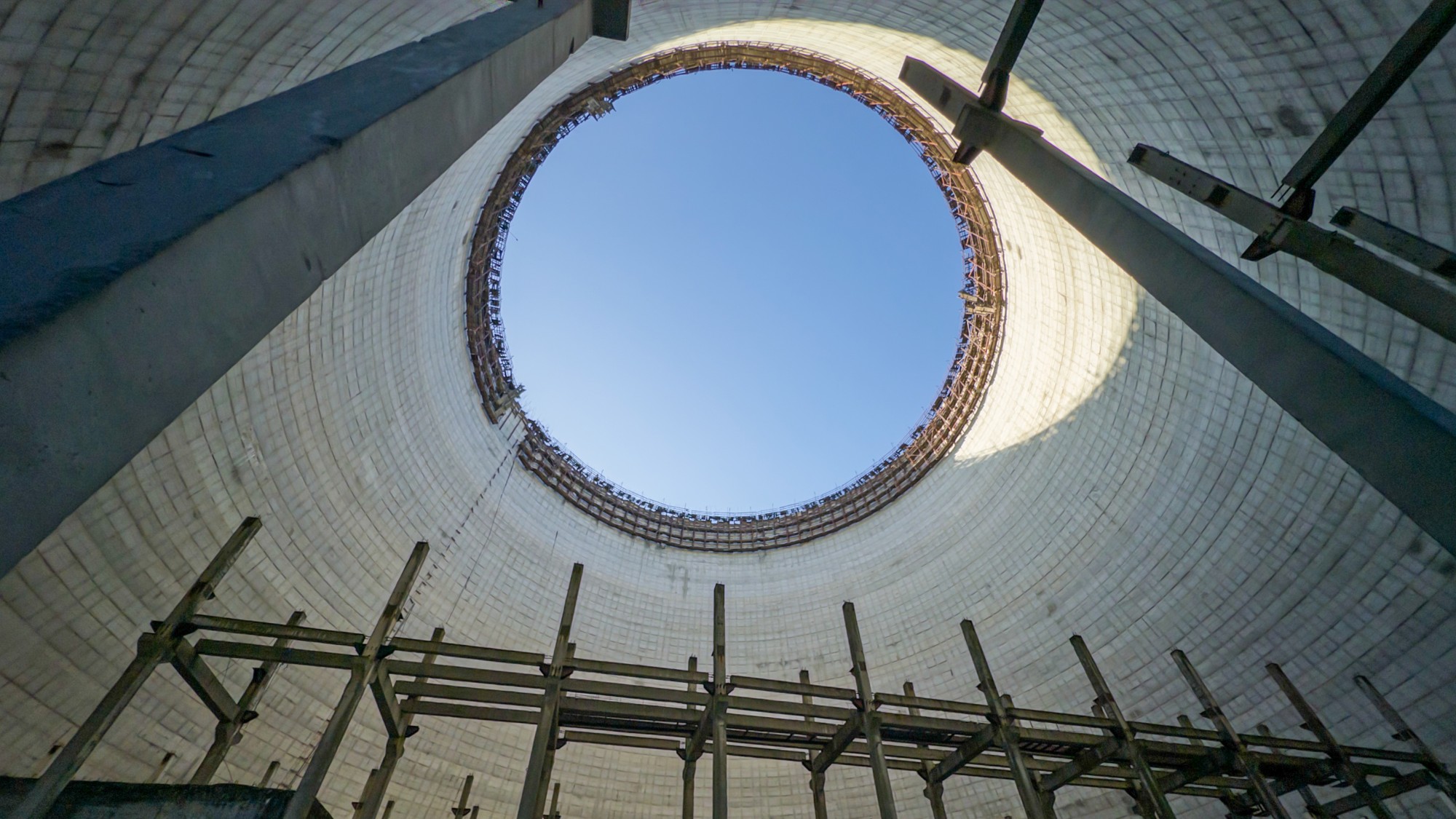
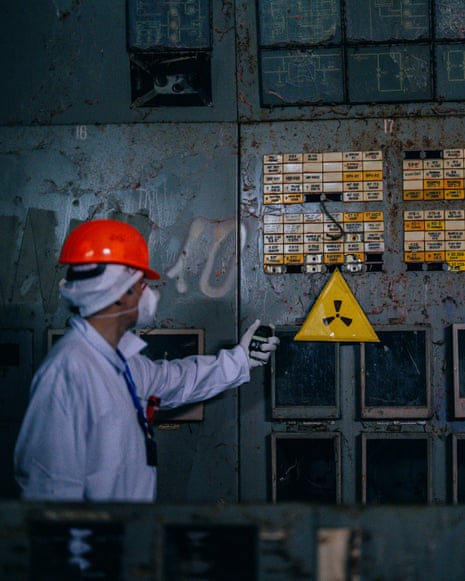
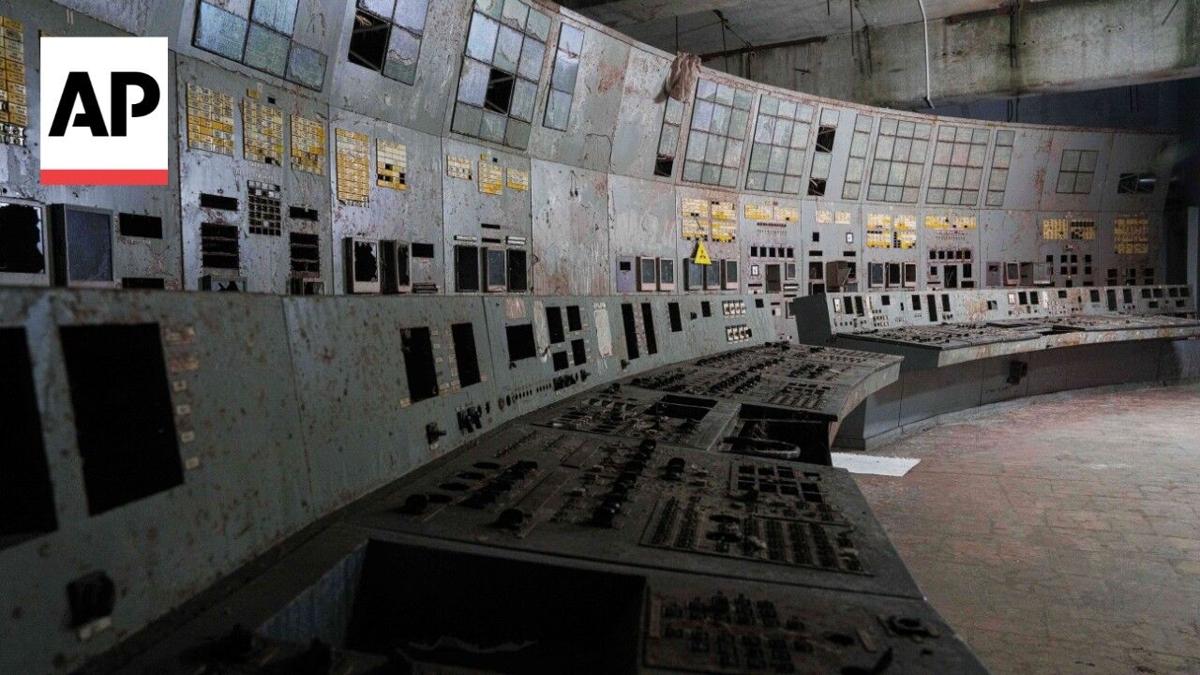
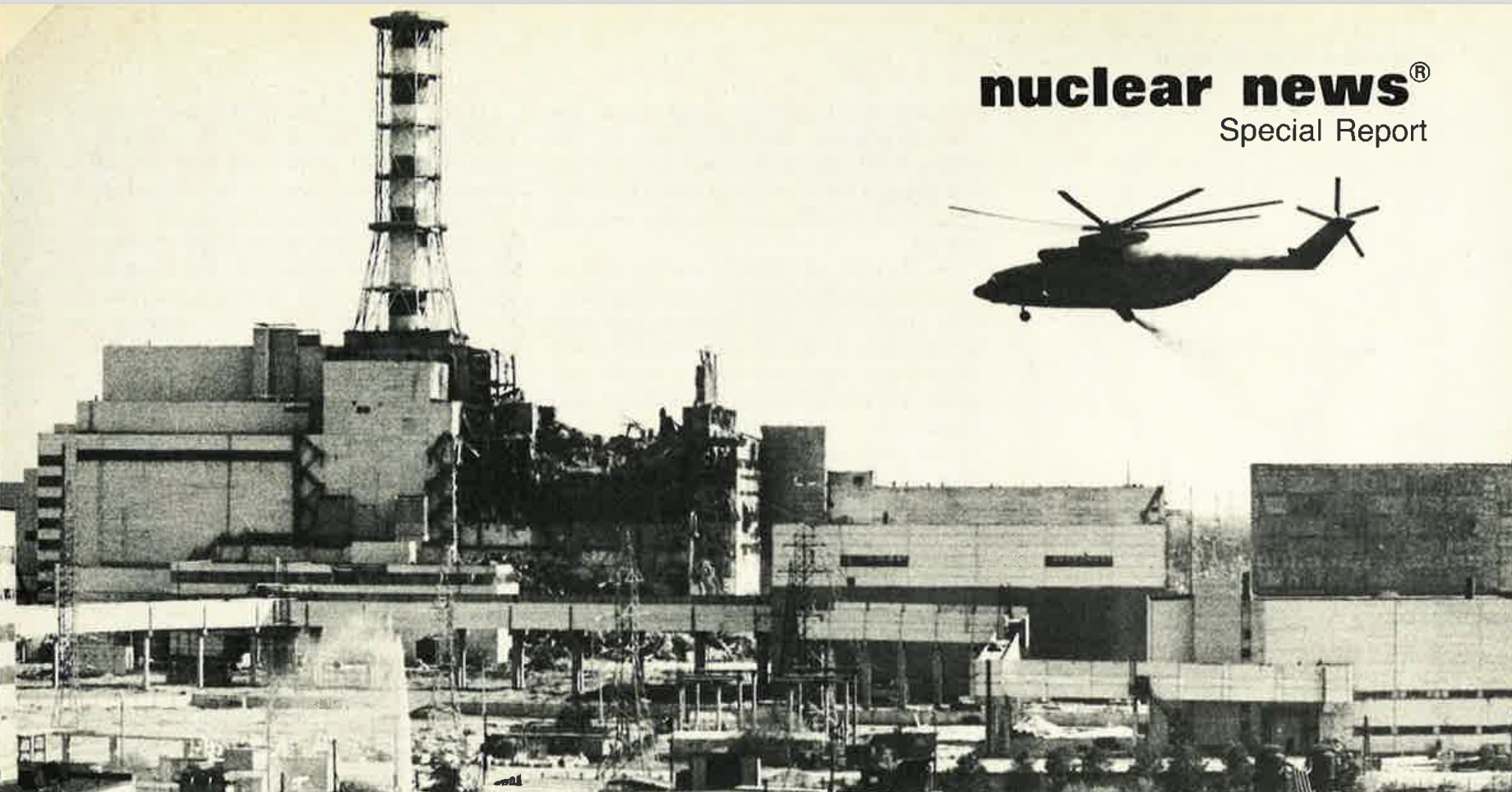
The 40th anniversary of the 1986 Chornobyl nuclear disaster (April 1986) and ongoing geopolitical threats to nuclear infrastructure globally are reshaping energy markets and creating significant cross-border e-commerce opportunities. News 2 documents that military conflicts in Ukraine—including attacks on the Zaporizhzhia Nuclear Power Plant and Russian drone damage to Chornobyl's New Safe Confinement structure—combined with US-Israeli strikes within 75 meters of Iran's Bushehr Nuclear Power Plant, have disrupted critical global trade routes like the Strait of Hormuz. These disruptions have caused oil and gas price spikes affecting households worldwide facing cost-of-living crises, with energy costs rising 15-25% in vulnerable regions.
The renewable energy product opportunity is substantial. The news emphasizes that decentralized solar and battery systems in Ukraine have maintained hospitals, schools, and critical services during repeated grid attacks, deploying faster and resisting disabling compared to centralized infrastructure. This real-world validation is driving consumer and institutional demand for renewable energy products across multiple markets. Sellers can capitalize on this trend through: (1) Solar panel systems and components (microinverters, mounting hardware, monitoring systems)—the decentralized solar market is projected to reach $12-15B globally by 2025; (2) Battery storage solutions (LiFePO4 batteries, portable power stations, UPS systems)—demand in Eastern Europe and Middle East regions increased 45-60% since 2022; (3) Energy monitoring and smart grid products (IoT sensors, smart meters, energy management software); (4) Emergency backup power equipment (generators, solar chargers, power banks)—particularly relevant for consumers in conflict-adjacent regions.
Regional market segmentation is critical. Ukraine-based sellers and those targeting Ukrainian consumers face immediate demand for off-grid energy solutions, with import restrictions on Russian goods creating opportunities for EU and US suppliers. Iran-facing sellers should focus on battery storage and solar components that bypass centralized grid vulnerabilities. Global sellers can target cost-of-living-conscious consumers in developed markets (US, EU, UK) seeking to reduce energy bills through renewable investments. The article's emphasis on renewable energy's resilience against "blockade" and "weaponization" resonates with consumer psychology around energy independence and security—a powerful marketing angle for premium-positioned renewable products.
Operational considerations for sellers: Shipping renewable energy products to Ukraine faces logistics challenges due to ongoing conflict, requiring partnerships with 3PL providers experienced in Eastern European routes. Tariff classifications for solar components (HS codes 8541.40, 8504.40) vary by destination, affecting landed costs 8-12%. Sellers should monitor Strait of Hormuz shipping delays (currently 15-30 days additional transit time) affecting component sourcing from Asia. Currency volatility in Ukrainian hryvnia and Iranian rial creates pricing complexity for cross-border transactions.
Questions 7
What renewable energy product categories offer the highest cross-border sales potential?
Four categories show strongest demand: (1) Solar panel systems and components (microinverters, mounting hardware, monitoring systems)—$4-5B market segment; (2) Battery storage solutions (LiFePO4 batteries, portable power stations, UPS systems)—45-60% growth in Eastern Europe/Middle East since 2022; (3) Energy monitoring and smart grid products (IoT sensors, smart meters)—emerging category with 30-40% annual growth; (4) Emergency backup power equipment (generators, solar chargers, power banks)—essential in conflict-adjacent regions. Ukraine and Iran-facing sellers should prioritize battery storage and solar components, while Western markets respond to energy cost-reduction messaging.
How should sellers adjust logistics and tariffs for renewable energy products to conflict-affected regions?
Shipping renewable products to Ukraine requires partnerships with 3PL providers experienced in Eastern European routes, with current delays of 15-30 additional days due to Strait of Hormuz disruptions affecting component sourcing from Asia. Tariff classifications vary significantly: solar panels (HS 8541.40), inverters (HS 8504.40), and batteries (HS 8507) face different duty rates by destination, increasing landed costs 8-12%. Sellers must account for currency volatility in Ukrainian hryvnia and Iranian rial affecting pricing. Consider establishing regional warehouses in EU countries (Poland, Romania) to reduce transit times and tariff exposure for Ukraine-bound shipments.