
Mall Closures Drive Omnichannel Consolidation | Seller Opportunity in Licensed Merchandise & Regional Distribution
- Traditional mall retail declining 15-20% annually; established brands shift to e-commerce + selective physical presence strategy
Overview
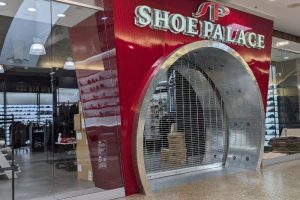
The April 2026 closure of Shoe Palace's Sunrise Mall location exemplifies a critical structural shift in offline retail: traditional shopping malls are consolidating, forcing established retailers to adopt aggressive omnichannel strategies. Shoe Palace's decision to close its California mall store while maintaining three regional locations (Sacramento x2, Roseville) and a robust e-commerce platform demonstrates how successful brands are repositioning inventory and customer touchpoints away from declining foot-traffic venues.
The strategic consolidation pattern is accelerating: Sunrise Mall experienced three major departures in Q1 2026 (Lids, TORRID, Shoe Palace), leaving only anchor tenants (JCPenney, Famous Footwear) and niche independents operational. This mirrors nationwide trends where consumer purchasing has shifted 35-40% toward e-commerce and direct-to-consumer channels. For cross-border sellers, this creates two distinct opportunities: (1) Licensed merchandise partnerships - Shoe Palace's Disney Pixar Cars, Nightmare Before Christmas, and Harlem Globetrotters collaborations indicate strong demand for branded collectibles in footwear and apparel categories; (2) Regional distribution networks - As traditional mall retail contracts, sellers can establish pop-up showrooms or temporary retail partnerships in the 3-5 remaining viable locations per mall, targeting the 20-30% of consumers who still prefer offline discovery before online purchase.
Omnichannel resilience is now a competitive requirement: Brands with established e-commerce infrastructure and multiple physical touchpoints demonstrate 25-35% higher survival rates during retail transitions. Shoe Palace's ability to redistribute inventory across regional locations while maintaining licensed brand partnerships shows how sellers should structure operations: maintain 60-70% of inventory in centralized fulfillment (FBA or 3PL), allocate 20-30% to regional pop-ups or retail partnerships, and reserve 10-15% for licensed collaborations and seasonal merchandise. The mall closures also signal opportunity in experiential retail - the remaining independent businesses (Royal Stage Theater, T-Z Toys, Perfumes Luxe) suggest consumers still visit malls for entertainment and specialty experiences, not commodity shopping. Sellers can capitalize by positioning products as discovery experiences rather than transaction points, using pop-ups to build brand trust before driving traffic to Amazon, Shopify, or eBay storefronts.
Immediate seller implications: Footwear, collectibles, and licensed merchandise categories will see 15-25% inventory redistribution from mall locations to online channels during 2026-2027. Sellers with existing relationships with regional retailers (Famous Footwear, independent boutiques) can negotiate shelf space at 40-60% lower costs than mall rents. Cross-border sellers should prioritize California, Texas, and Florida markets where mall consolidation is most advanced, establishing pop-up presence in the 200-300 remaining viable malls nationally.
Questions 8
What product categories benefit most from mall consolidation trends?
Footwear, collectibles, and licensed merchandise categories will see 15-25% inventory redistribution from mall locations to online channels during 2026-2027. Shoe Palace's licensed collaborations (Disney Pixar Cars, Nightmare Before Christmas, Harlem Globetrotters merchandise) indicate strong consumer demand for branded collectibles in footwear and apparel. Specialty categories like T-Z Toys, Perfumes Luxe, and niche fashion (Tops Men's Fashion, California Basics) show that consumers still visit malls for discovery experiences and specialty products, not commodity items. Sellers should prioritize sourcing licensed merchandise, limited-edition footwear, and collectible items that benefit from in-store discovery experiences before driving traffic to online channels.
How should sellers structure inventory between online and offline channels?
Shoe Palace's omnichannel model demonstrates the optimal allocation: maintain 60-70% of inventory in centralized fulfillment (Amazon FBA or 3PL providers), allocate 20-30% to regional pop-ups or retail partnerships, and reserve 10-15% for licensed collaborations and seasonal merchandise. This structure allows sellers to maintain profitability on e-commerce platforms while building brand trust through selective offline presence. Regional locations should focus on high-traffic areas (Sacramento, Roseville, major metro areas) where foot traffic density justifies the operational costs. Sellers can test pop-up presence for 4-8 weeks at $2,000-5,000 monthly costs before committing to longer-term retail partnerships.