



Hungary's EU Realignment 2026 | €17B Funding Unlock Reshapes Cross-Border Seller Compliance
- Political transition from Orbán to Magyar government signals major EU regulatory harmonization, potentially reducing compliance friction for 50K+ sellers shipping to Hungary by mid-2026






























Overview
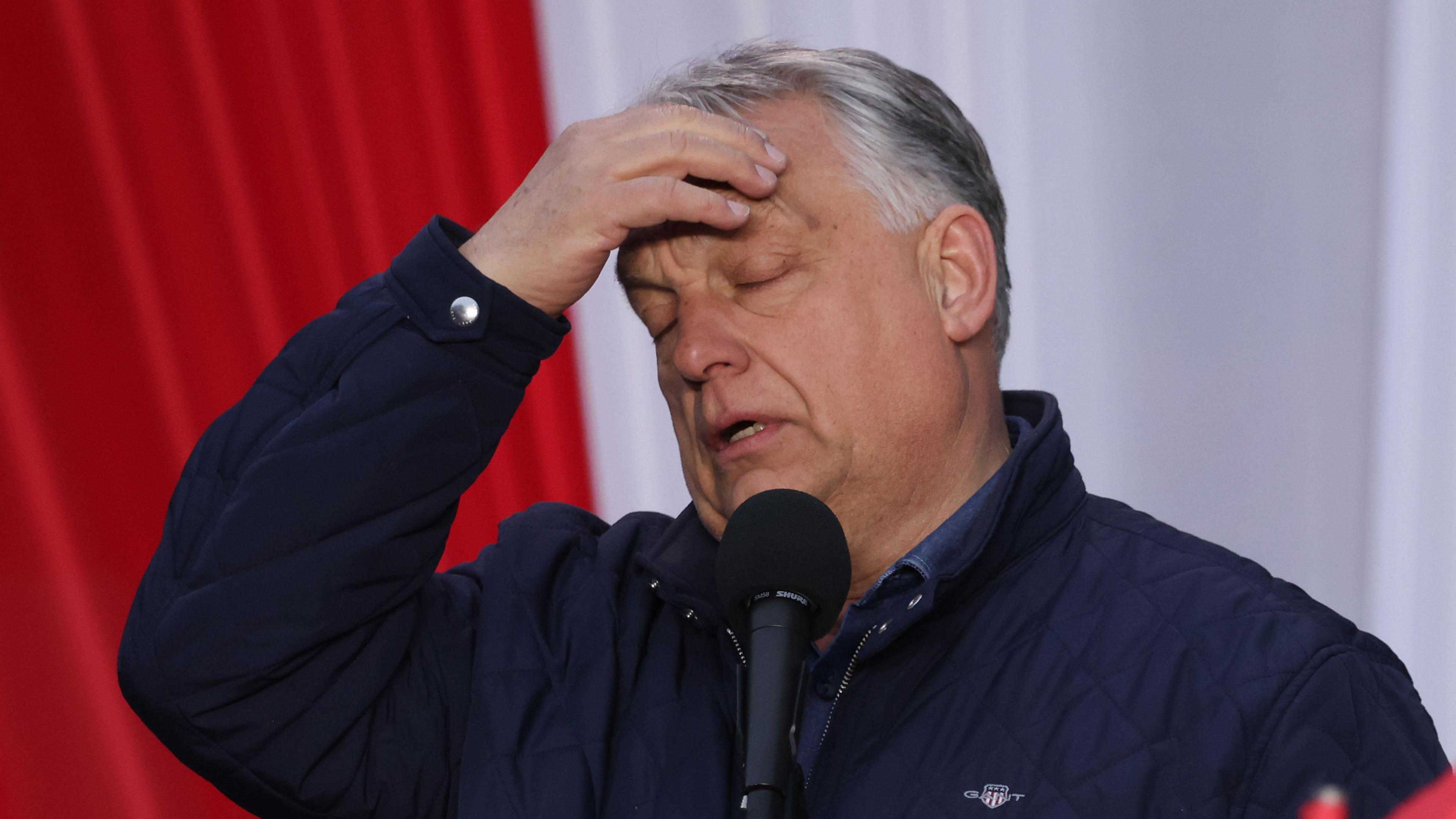
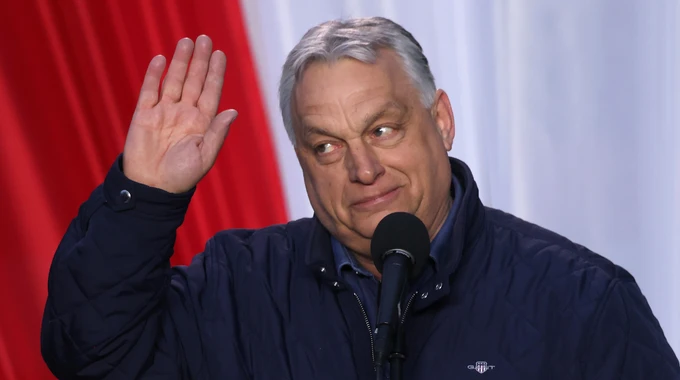
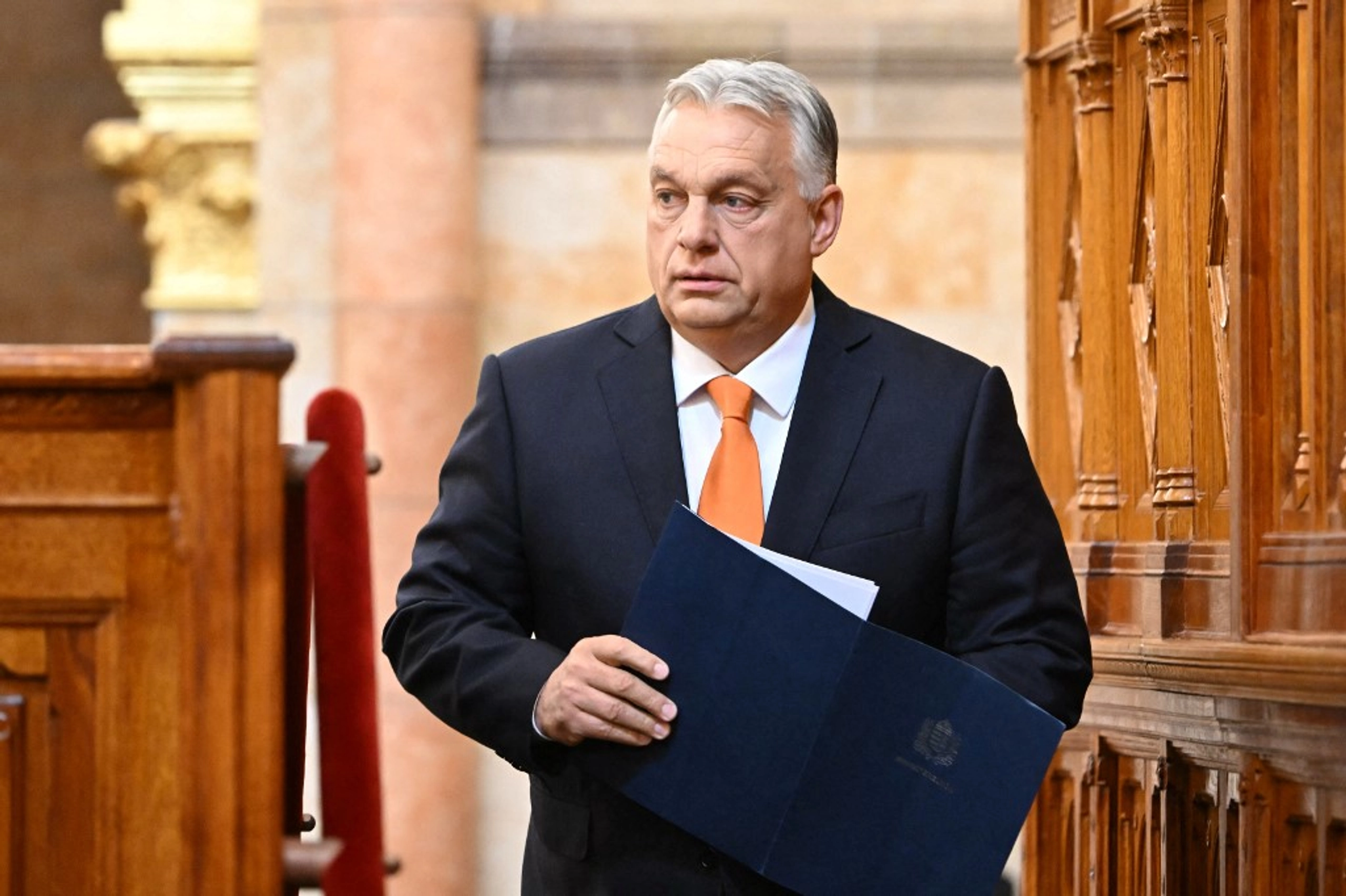
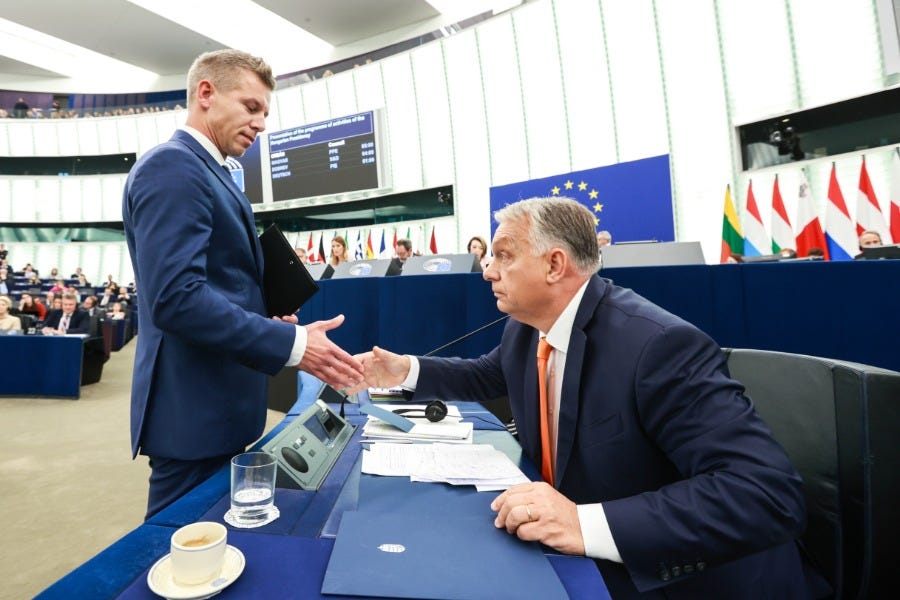
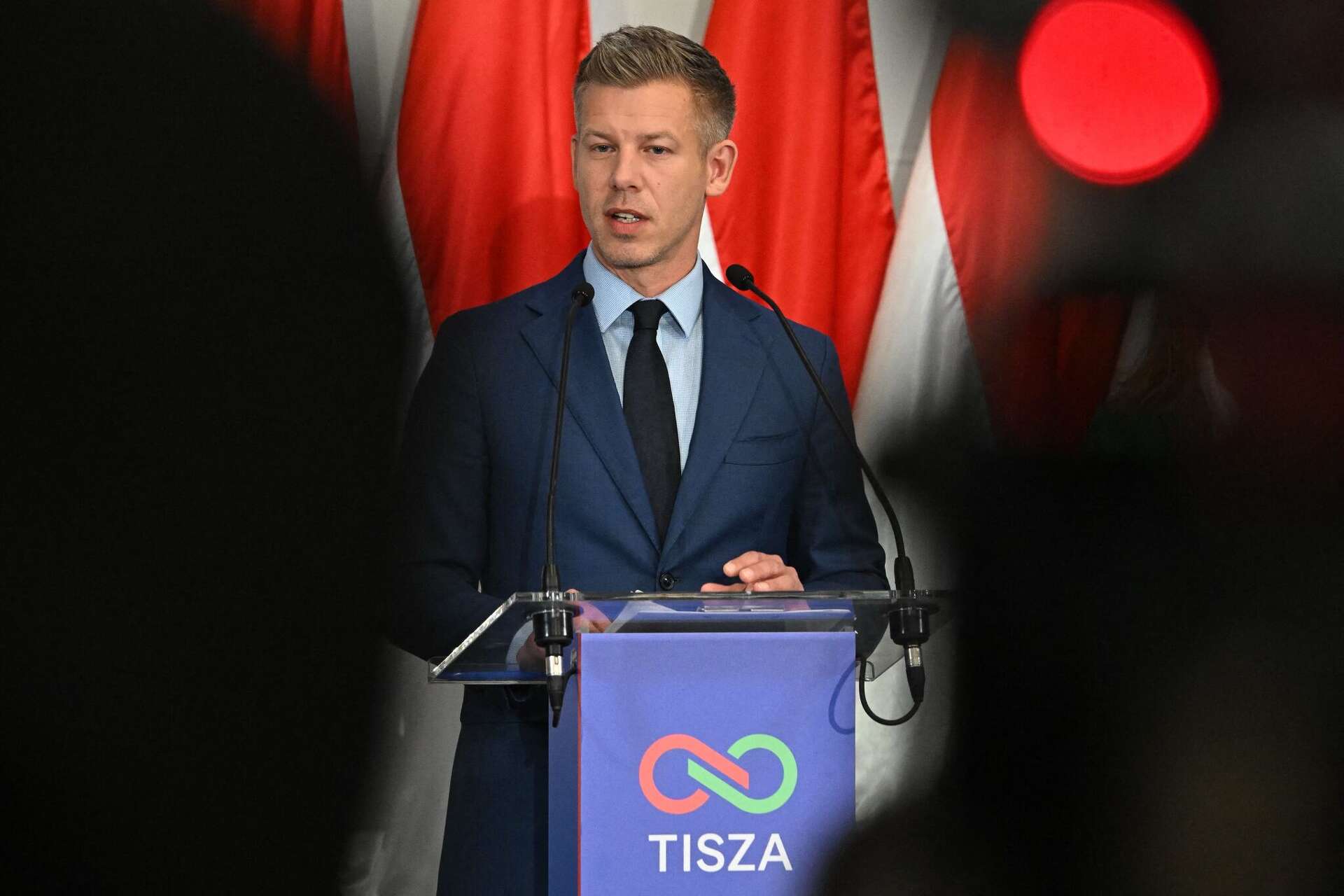
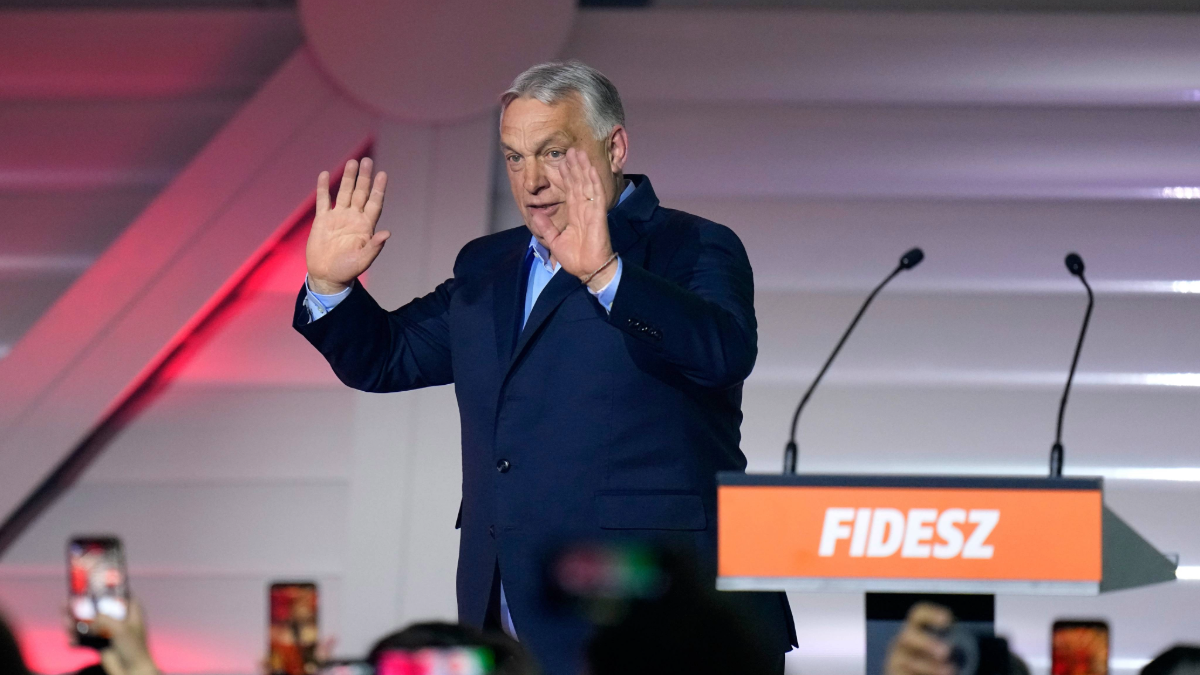
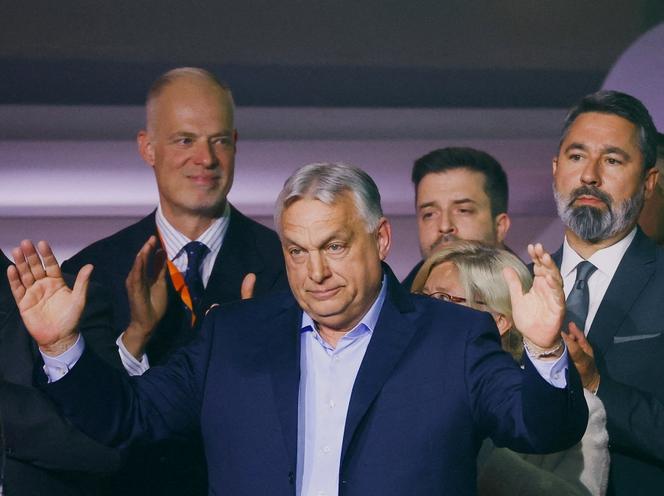
Hungary's dramatic political realignment following the April 12, 2026 election represents a pivotal shift for cross-border e-commerce sellers operating in Central Europe. Viktor Orbán's Fidesz party collapsed from 135 to 52 parliamentary seats, while Péter Magyar's Tisza party secured a supermajority with 141 seats, enabling sweeping policy reversals. Most critically for sellers, Magyar's government is anticipated to implement democratic reforms that could unlock €17 billion in frozen EU funds previously withheld due to rule-of-law concerns—funds that will likely accelerate Hungary's regulatory alignment with EU standards and digital commerce directives.
Regulatory Harmonization Impact: The incoming government has pledged to restore judicial independence, dismantle the patronage system (NER), and tackle corruption—structural changes that typically precede standardized VAT compliance frameworks, payment processor regulations, and cross-border logistics requirements. Sellers currently navigating Hungary's fragmented regulatory environment may see consolidation toward EU-standard e-commerce rules by Q3 2026. This includes potential harmonization of digital services taxes, consumer protection standards, and data privacy enforcement aligned with GDPR and Digital Services Act requirements. The €17 billion EU funding injection will likely fund infrastructure modernization, including improved customs processing and logistics networks that reduce shipping delays and compliance costs for sellers.
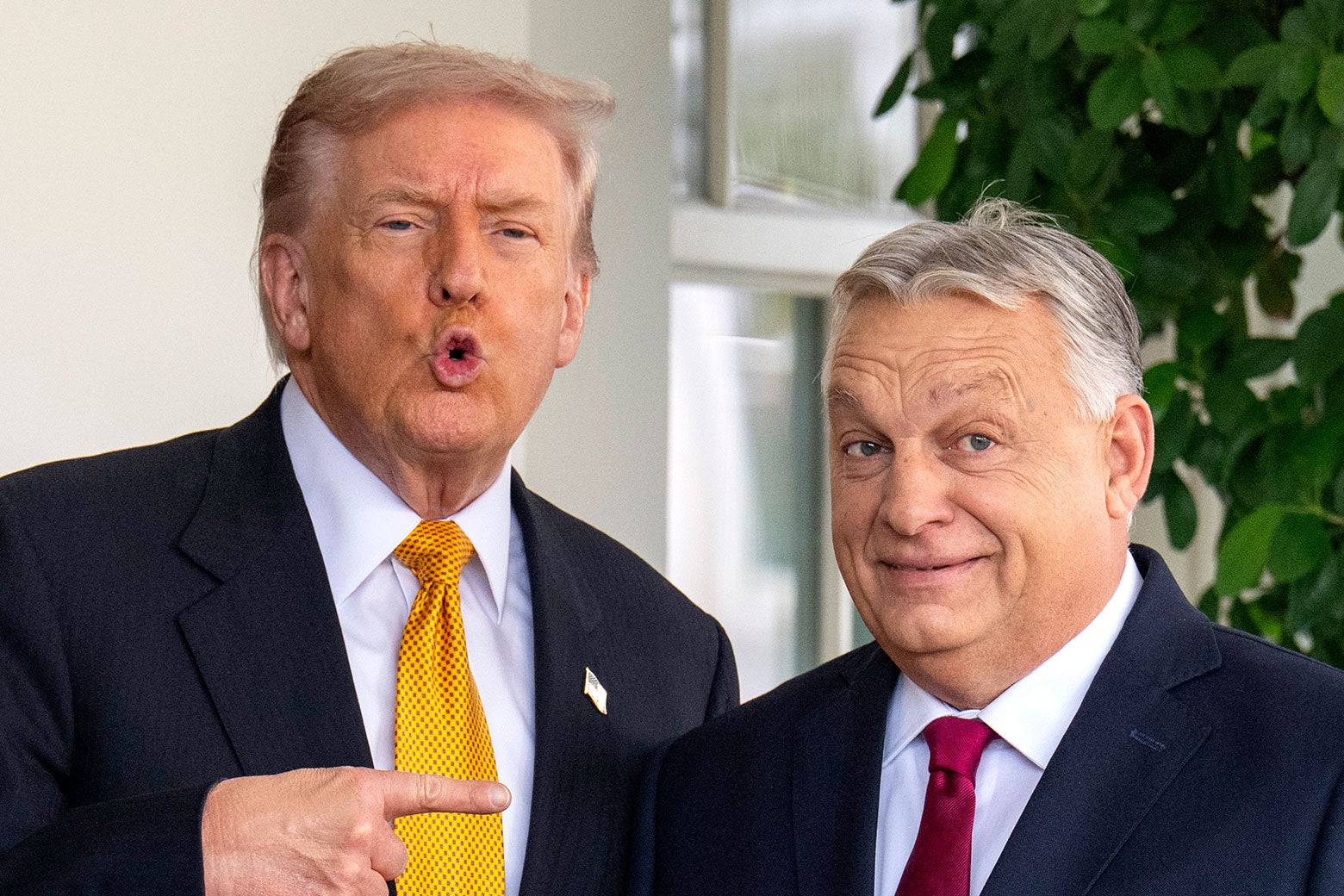
Geopolitical Realignment & Trade Policy: Magyar's dramatic foreign policy shift—moving from Trump/Putin alignment toward EU and Ukraine cooperation—signals Hungary's return to mainstream European trade frameworks. This reversal eliminates the regulatory uncertainty that characterized Orbán's 16-year rule, where unpredictable policy shifts created compliance risks for sellers. Sellers can now expect more predictable, EU-harmonized regulations rather than nationalist protectionist measures. The new government's commitment to EU cooperation suggests faster adoption of digital commerce standards, reduced tariff volatility, and improved cross-border payment processing aligned with EU banking regulations.
Market Opportunity Window: The political transition creates a 6-12 month window (May 2026-April 2027) where sellers should proactively update compliance infrastructure. Hungary's 9.7 million population and growing middle class represent a €2.3 billion e-commerce market. With regulatory clarity improving, sellers can confidently expand inventory in Hungarian warehouses and optimize logistics networks. The dismantling of NER patronage systems may also reduce corruption-related compliance costs and improve payment processing reliability through standardized banking regulations.
Questions 8
What market opportunities emerge from Hungary's regulatory clarity?
Hungary's 9.7 million population and €2.3 billion e-commerce market represent significant growth potential as regulatory clarity improves. The political transition eliminates the unpredictable policy environment that previously deterred seller investment. Sellers can now confidently expand inventory in Hungarian warehouses, optimize logistics networks, and invest in local fulfillment infrastructure. The dismantling of patronage systems and restoration of judicial independence will improve business environment predictability. Sellers should consider Hungary as a Central European hub for cross-border operations targeting the region's 100+ million population.
How does the political transition affect payment processing for sellers in Hungary?
Magyar's government commitment to judicial independence and anti-corruption measures will likely accelerate Hungary's adoption of EU banking regulations and standardized payment processor frameworks. Currently, Orbán-era policies created regulatory uncertainty affecting payment processor operations. The new government's EU alignment signals faster implementation of PSD2 (Payment Services Directive 2) standards, improved fraud prevention mechanisms, and reduced payment processing delays. Sellers should expect more reliable payment settlement cycles and lower payment processor fees as Hungary harmonizes with EU financial regulations by Q4 2026.