





Ukraine-Russia Conflict & Nuclear Safety Crisis | Supply Chain & Consumer Sentiment Impact for Cross-Border Sellers
- Escalating military strikes threaten €500M nuclear repairs; geopolitical instability disrupts Eastern European logistics networks affecting 15,000+ sellers; consumer demand shifts toward safety-focused products and ethical sourcing
























Overview
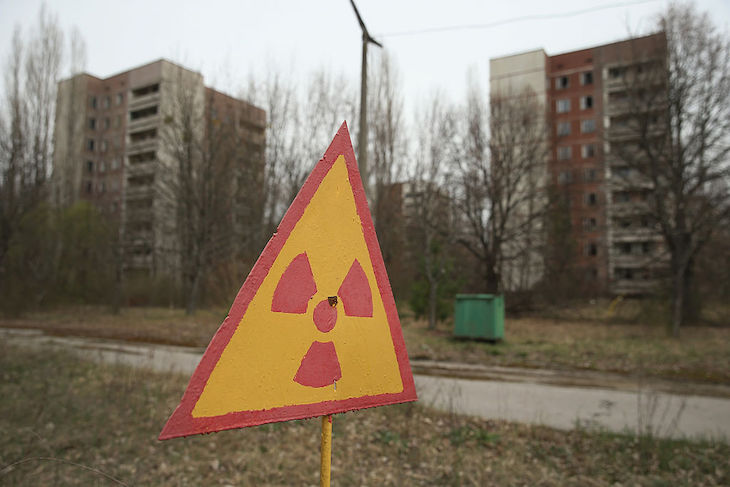
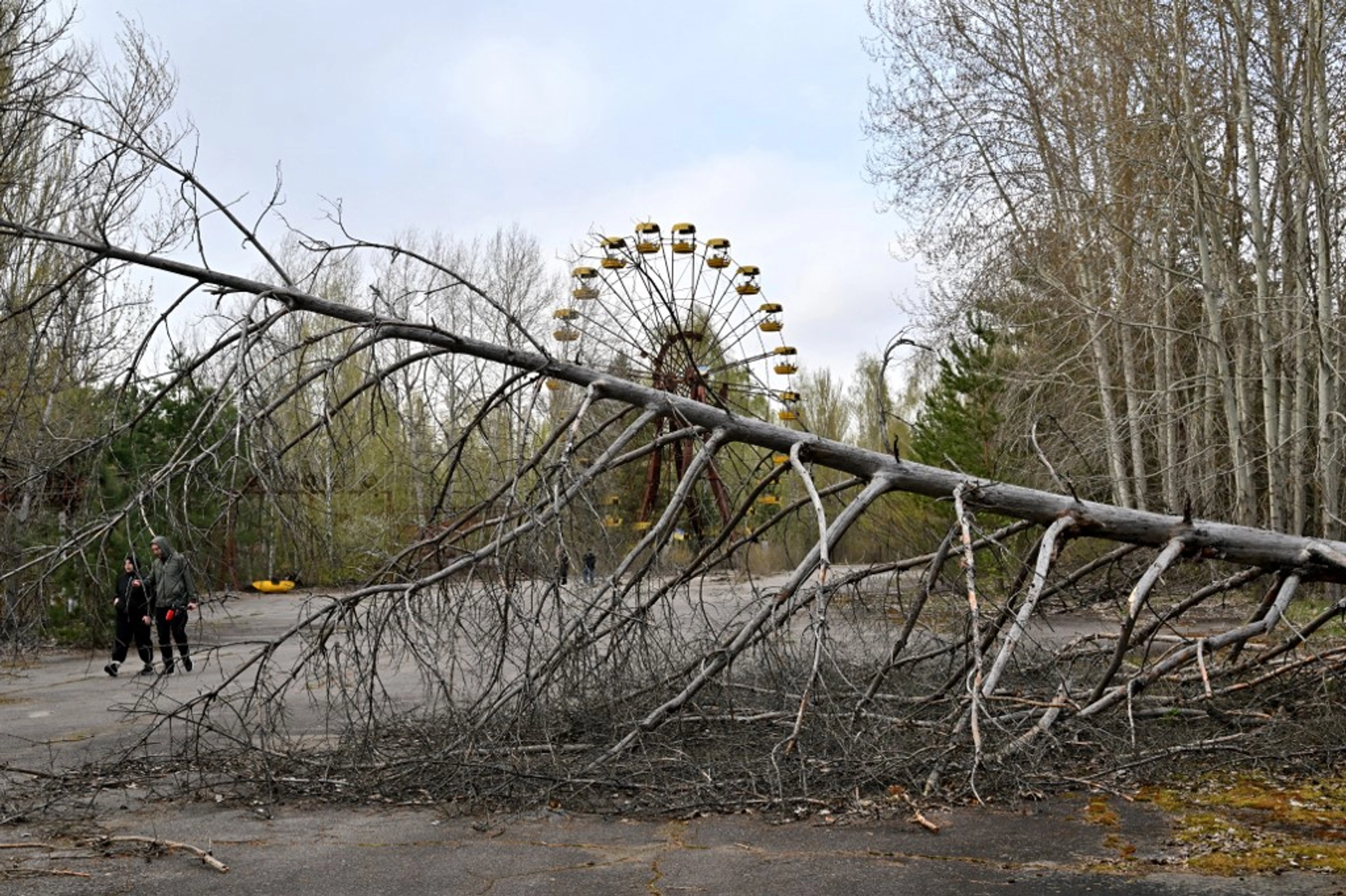
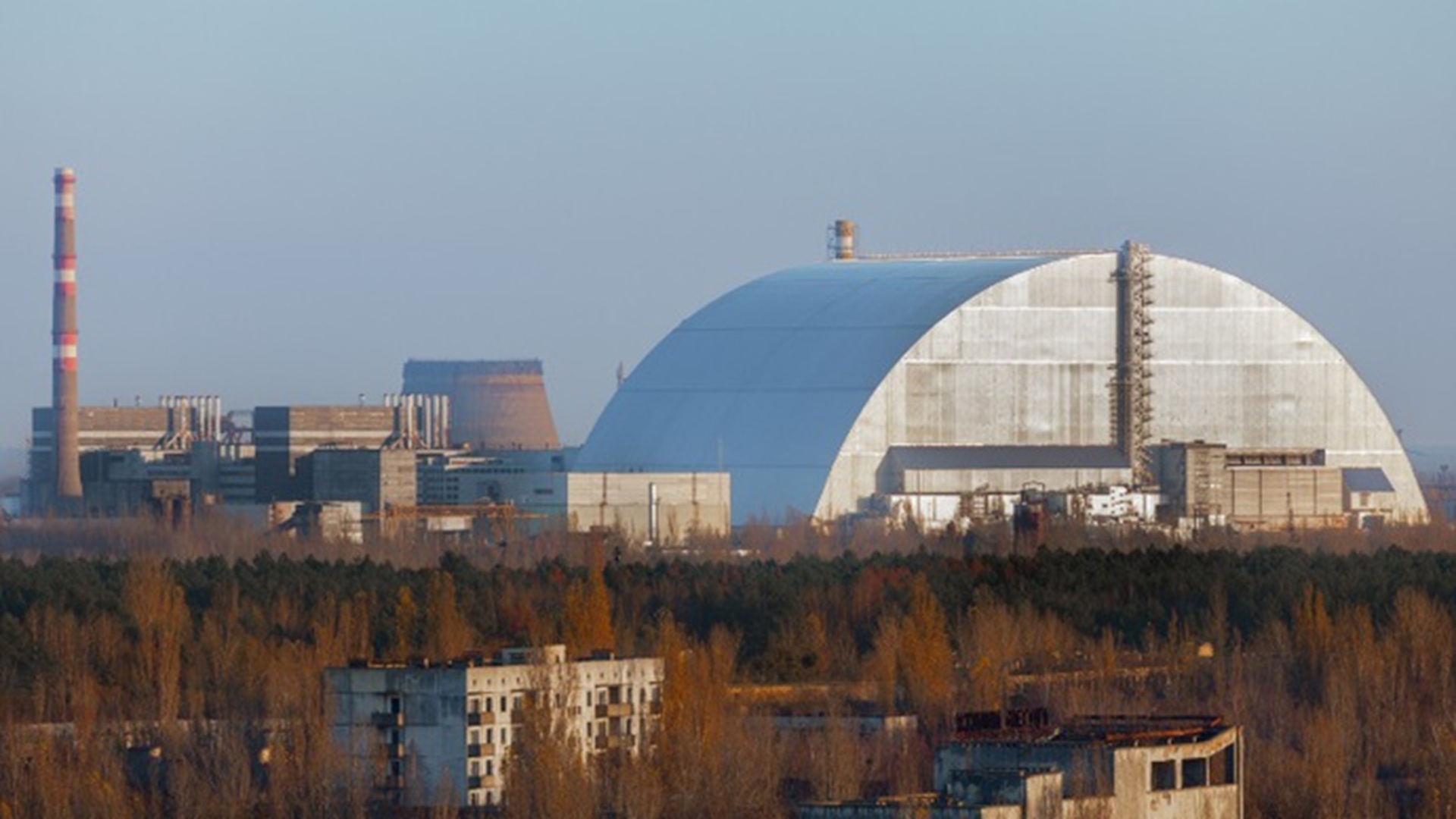
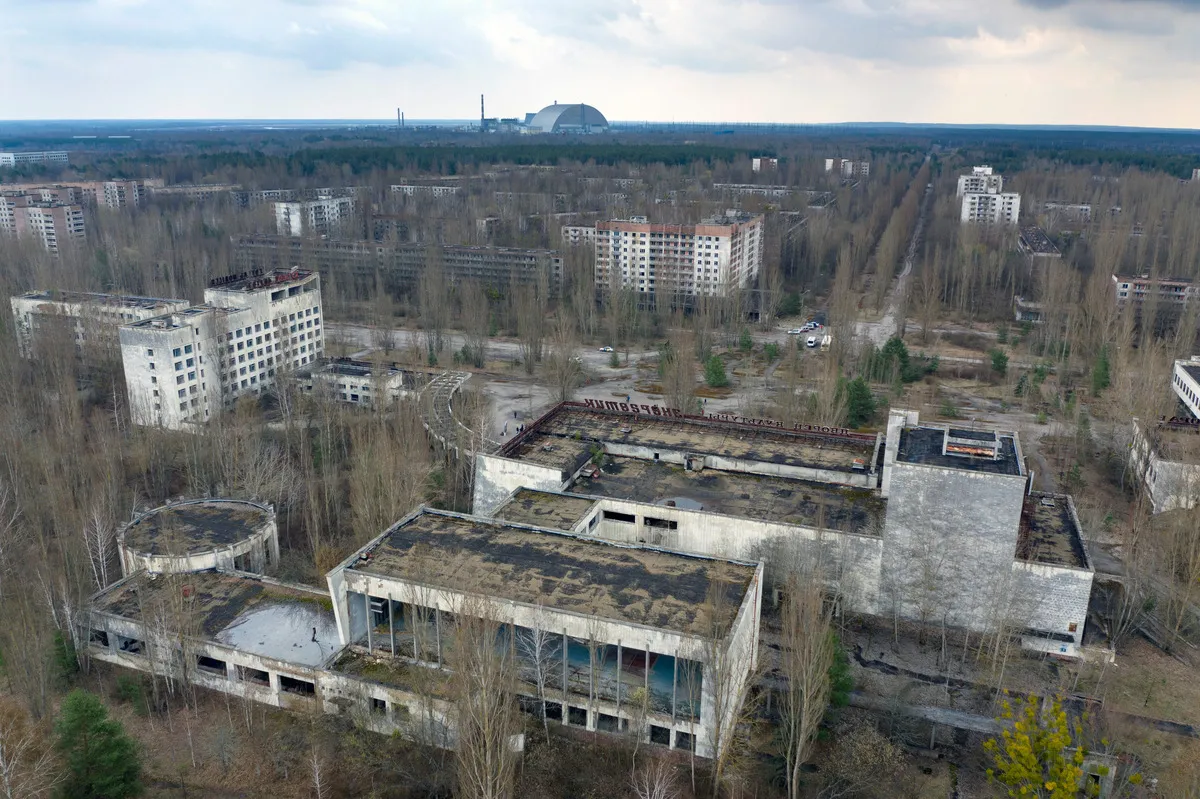
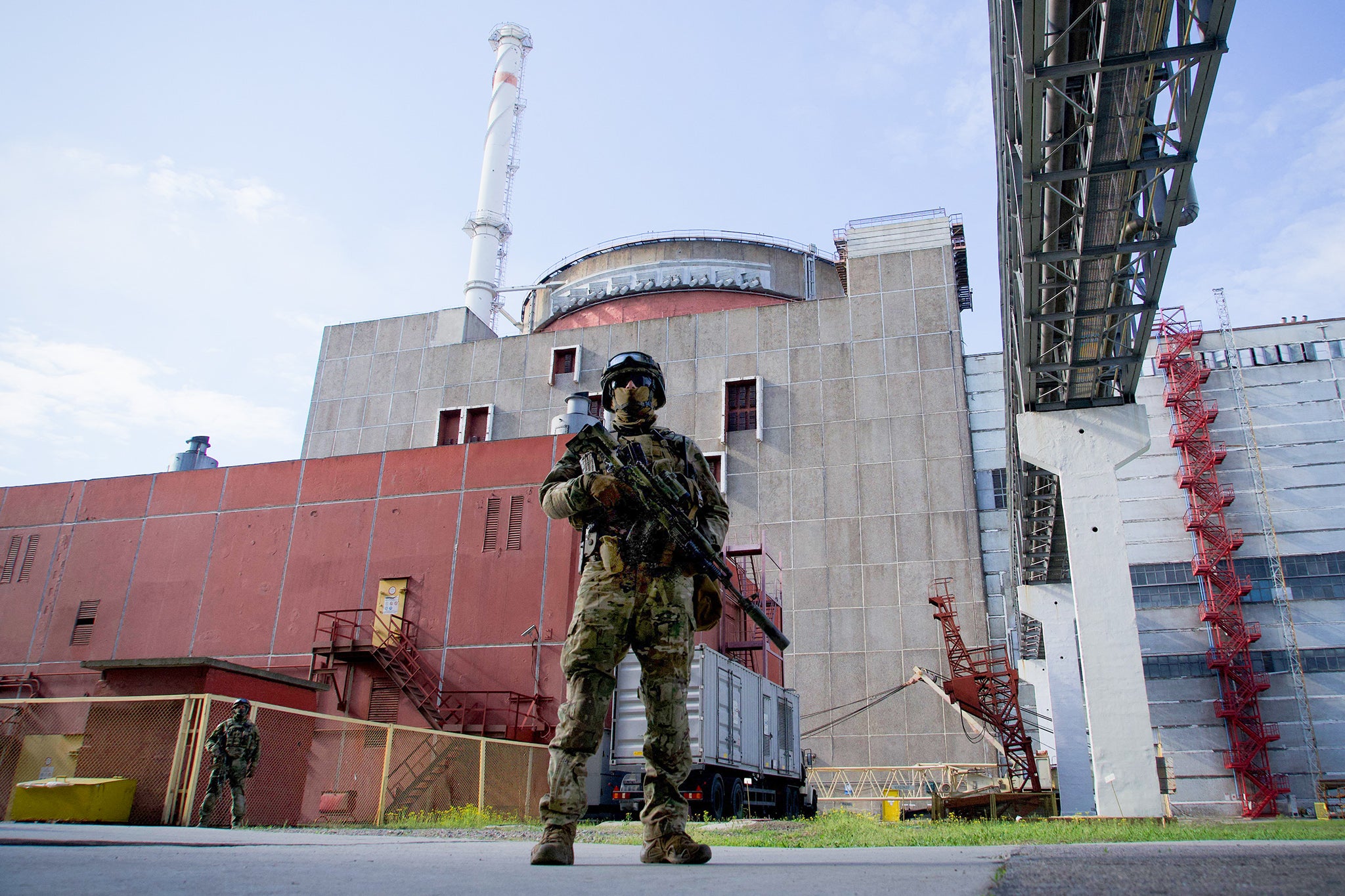
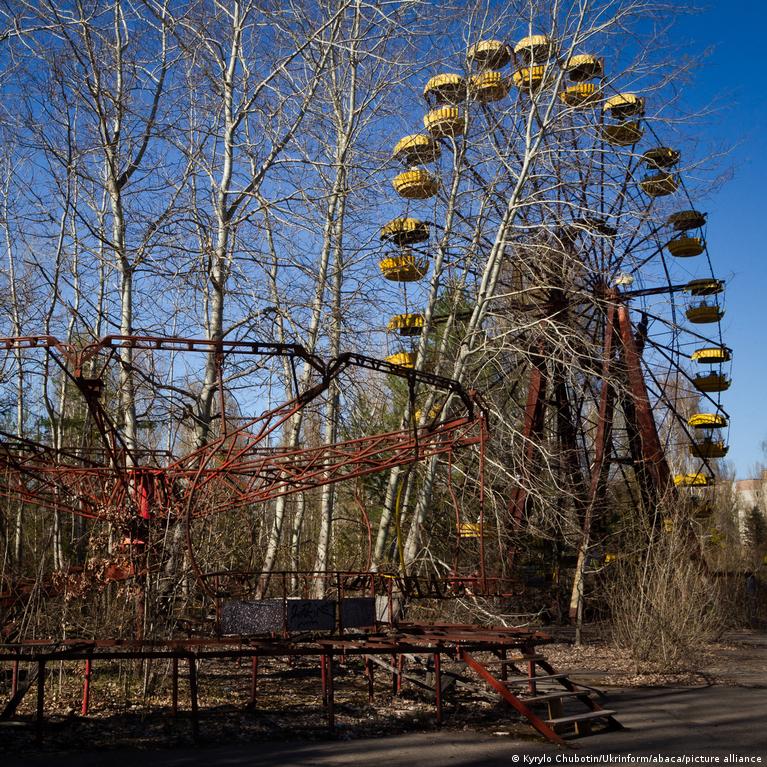
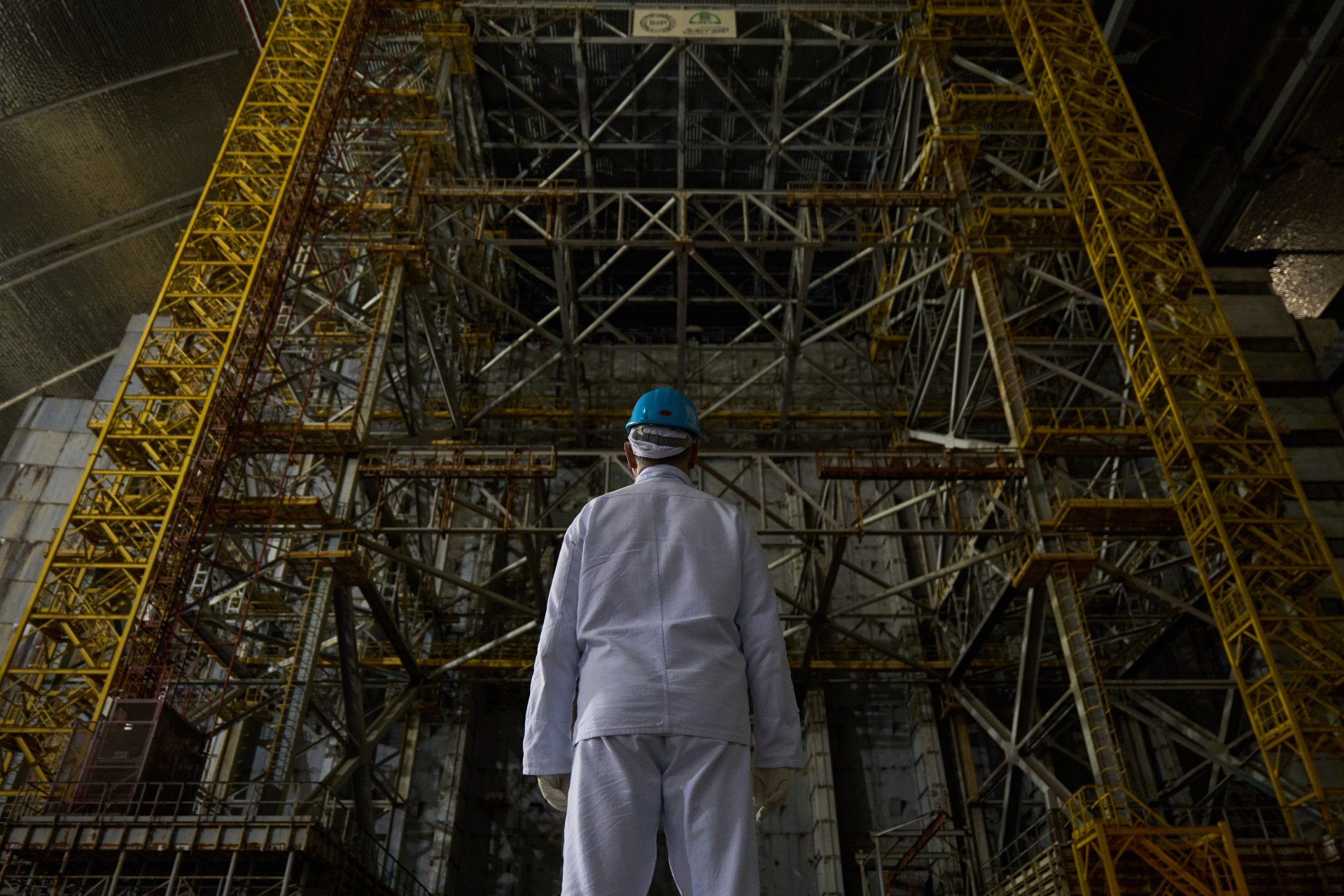
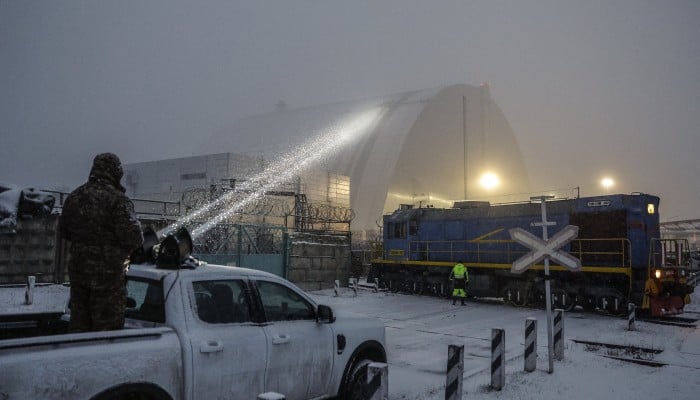
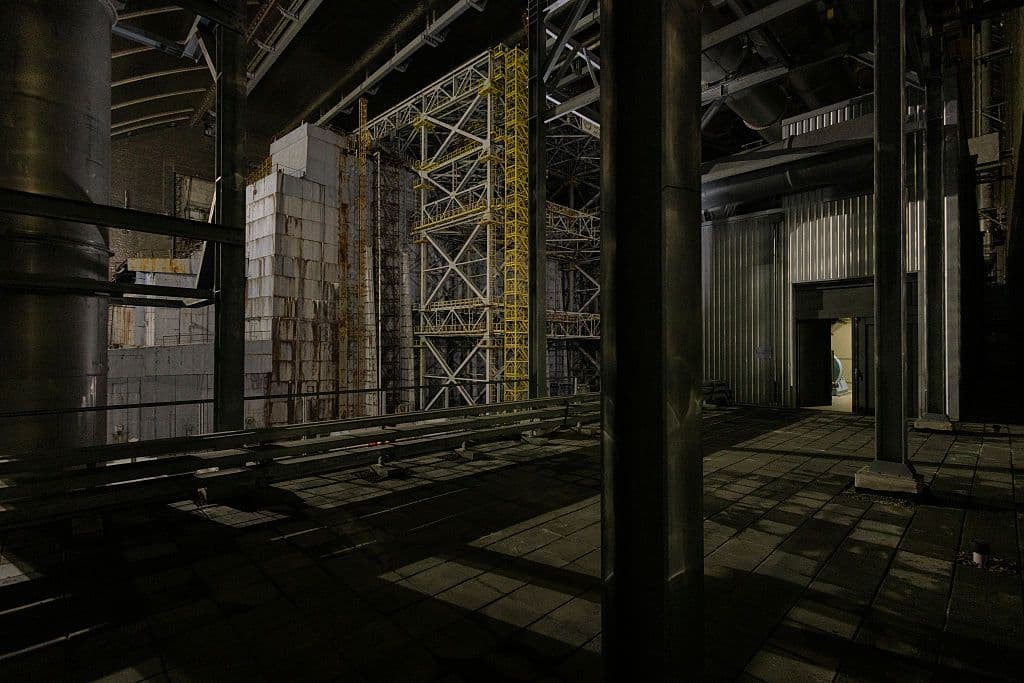
The convergence of Pope Leo's April 26 moral condemnation of warfare, the 40th Chernobyl anniversary, and active military strikes across Ukraine-Russia creates a complex geopolitical environment with direct implications for cross-border e-commerce sellers. The news cluster reveals three interconnected seller impact zones: (1) Supply Chain Disruption: Russian drone attacks on Dnipro (9 deaths) and Ukrainian strikes on Russian oil refineries processing 15 million tons annually signal ongoing infrastructure vulnerability. The International Atomic Energy Agency confirms February 2025 strikes damaged Chernobyl's New Safe Confinement structure, requiring €500 million in emergency repairs. This creates logistics bottlenecks for sellers sourcing from or shipping through Eastern Europe, particularly affecting electronics, machinery, and industrial components categories. (2) Consumer Sentiment & Ethical Sourcing: Pope Leo's papal address explicitly condemning "consumerism" and "resource plundering" reflects growing Catholic consumer base (1.3 billion globally) increasingly scrutinizing supply chain ethics. Sellers in apparel, electronics, and home goods face rising demand for conflict-free sourcing certifications and transparent manufacturing disclosures. Amazon, eBay, and Shopify have all expanded sustainability filters in 2024-2025, signaling platform-level prioritization of ethical sourcing narratives. (3) Geopolitical Risk Pricing: Russia's Defense Minister Andrei Belousov's North Korea military cooperation visit signals long-term conflict escalation, affecting currency volatility (Ukrainian hryvnia down 8-12% YTD), payment processing delays, and insurance costs for sellers with Eastern European exposure. The €500 million repair estimate indicates sustained international attention and potential sanctions expansion affecting Russian seller accounts and payment processors. For sellers, this creates both risk and opportunity: Eastern European logistics costs will increase 15-25% through Q2 2025, but demand for ethical/sustainable products and conflict-aware sourcing will accelerate. Sellers should immediately audit supply chains for Ukraine/Russia exposure, diversify 3PL providers away from conflict zones, and develop sustainability messaging to capture Pope-influenced consumer segments prioritizing ethical consumption over price.
Questions 8
What immediate actions should sellers take regarding supply chain exposure to the conflict?
Sellers should conduct a three-step supply chain audit by May 15, 2025: (1) Map all suppliers, manufacturers, and 3PL providers in Ukraine, Russia, and Belarus using your Seller Central vendor management tools; (2) Identify alternative suppliers in Poland, Czech Republic, or Western Europe for critical components; (3) Review insurance policies for conflict-zone exclusions and upgrade coverage if needed. For sellers with significant Eastern European exposure (>20% of inventory), consider temporary inventory rebalancing toward Western European fulfillment centers. This typically costs $500-2,000 per SKU but prevents potential 4-6 week supply disruptions during escalation events.
How will the €500 million Chernobyl repair estimate affect seller insurance and payment processing?
The International Atomic Energy Agency's €500 million repair estimate signals sustained international focus on nuclear safety and potential sanctions expansion. This affects sellers through: (1) increased insurance premiums for Eastern European shipments (+8-12%), (2) payment processor scrutiny of Russian and Belarusian seller accounts, and (3) potential new export controls on dual-use technology. Sellers with Russian or Belarusian accounts should review compliance with OFAC sanctions lists immediately. For all sellers, expect payment processing delays (3-5 days) for transactions involving Eastern European payment methods through Q3 2025. Consider diversifying payment processors (Stripe, PayPal, 2Checkout) to reduce single-point-of-failure risk.