

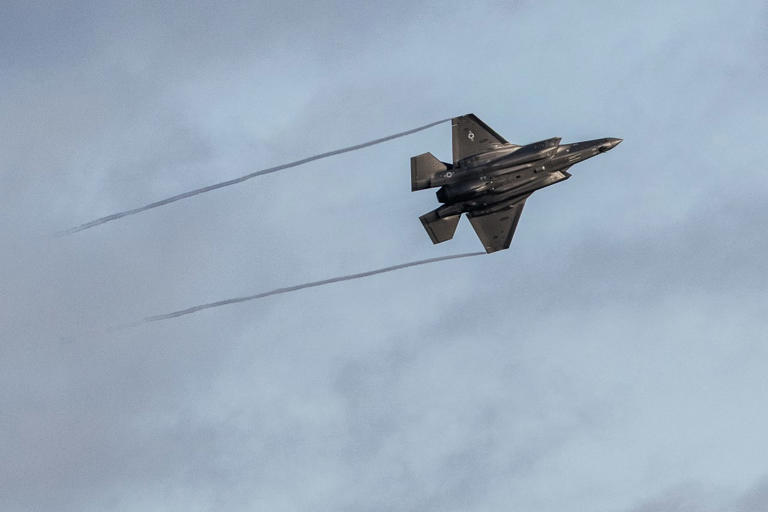

Pentagon Budget Surge Creates $1.5T Opportunity | Seller Supply Chain & Logistics Impact
- $901B Congressional allocation (2026) and $1.5T Trump budget request (2027) reshape U.S. manufacturing capacity, logistics infrastructure, and industrial supply chains affecting cross-border sellers














Overview
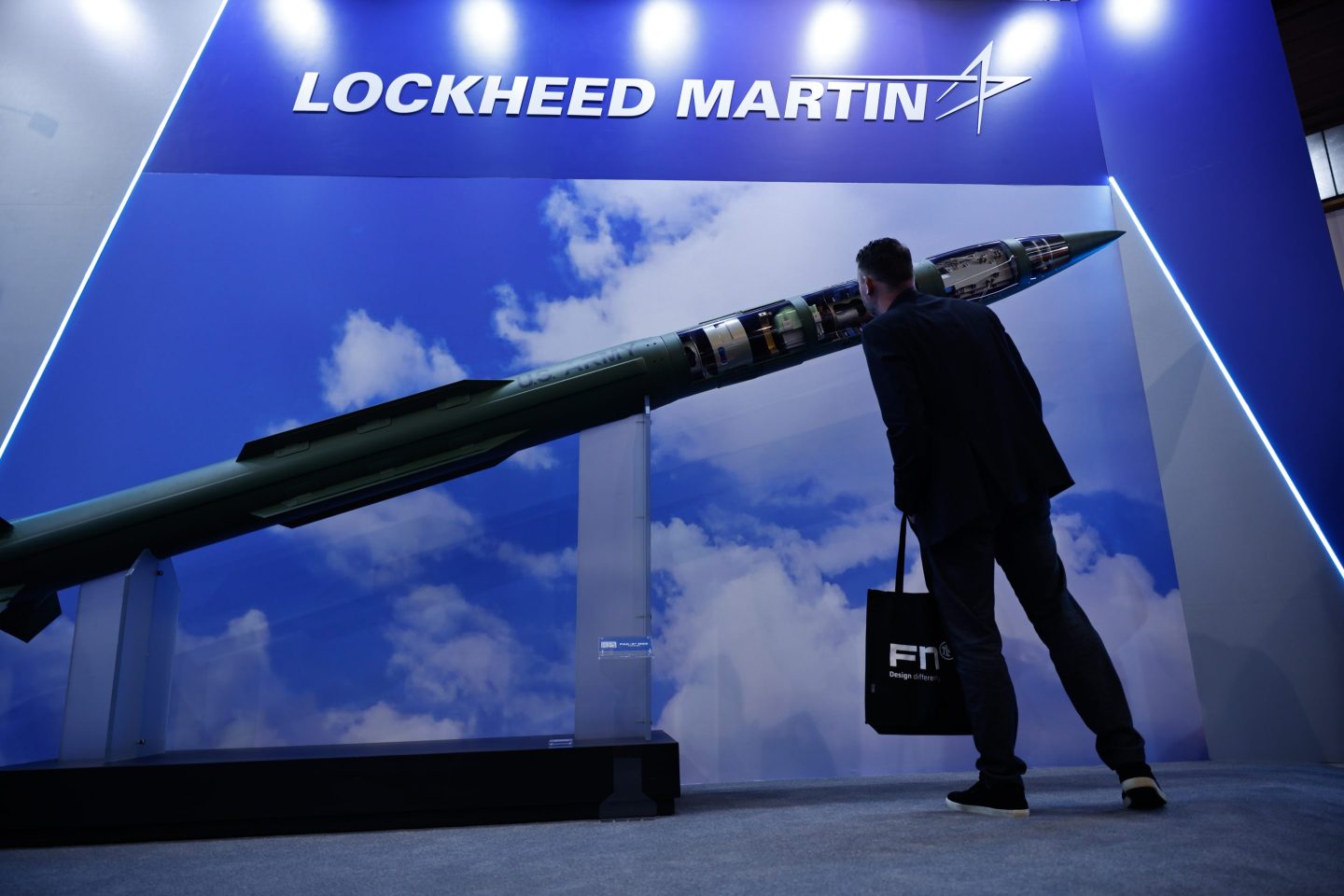
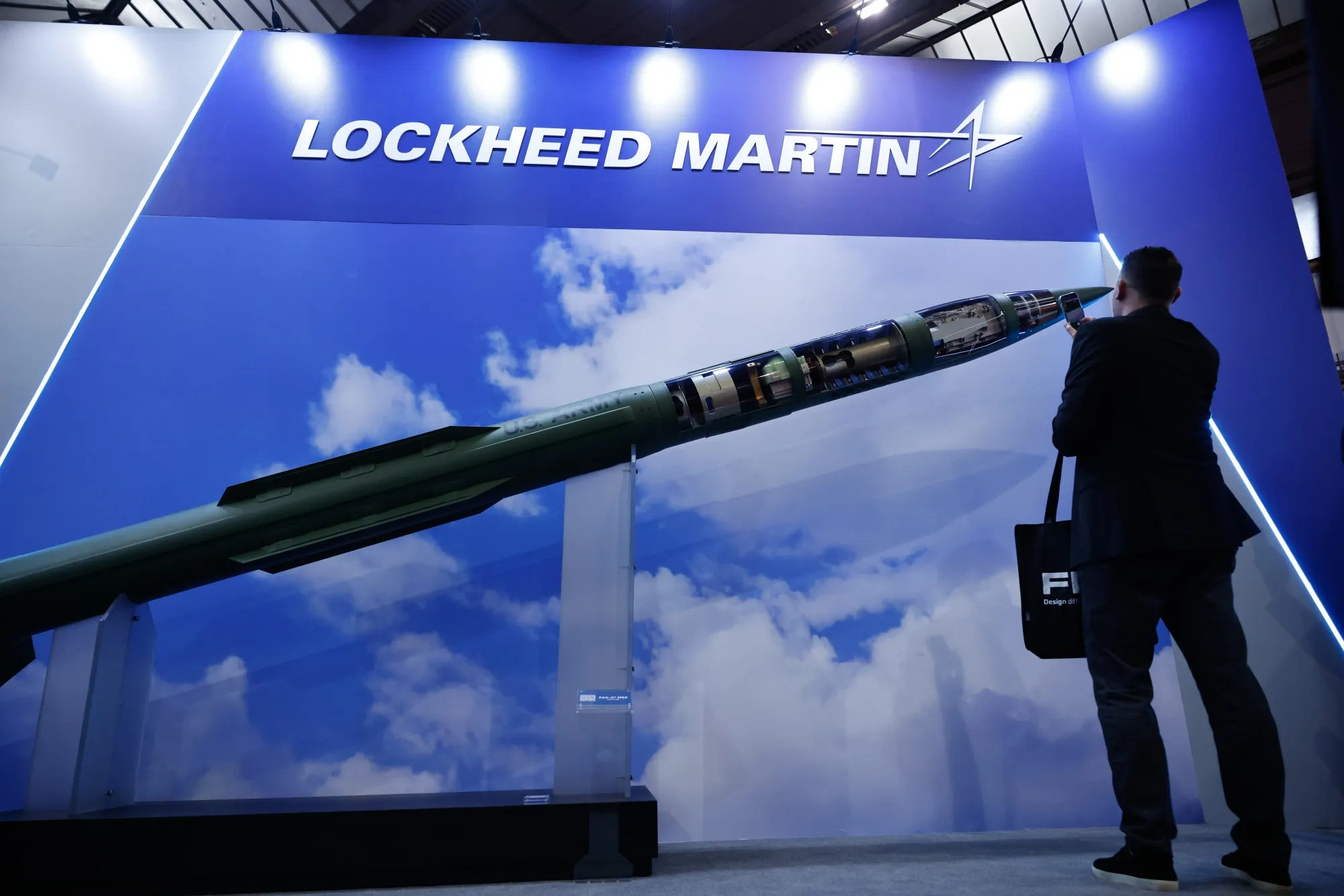
The Trump administration's unprecedented defense spending expansion—with a $1.5 trillion 2027 budget request representing a 40% increase and Congress allocating a record $901 billion for 2026—creates significant indirect opportunities and operational challenges for cross-border e-commerce sellers. While defense contractors like Lockheed Martin ($194B in expected orders) and RTX ($107B in backlogs) capture direct Pentagon contracts, the broader economic stimulus from this spending surge reshapes critical infrastructure affecting seller operations.
Supply Chain and Manufacturing Capacity Shifts: The Pentagon's aggressive restocking needs—requiring 1-4 years to replenish missile stocks depleted in the first seven weeks of the Iran conflict—will absorb substantial U.S. manufacturing capacity. This creates a critical window for sellers: as defense contractors quadruple production targets (per defense executive meetings with Trump), competition for contract manufacturers, logistics providers, and raw materials intensifies. Sellers sourcing from U.S.-based suppliers face potential 8-15% cost increases and 4-8 week lead time extensions through 2026-2027 as manufacturers prioritize higher-margin Pentagon contracts. Conversely, sellers sourcing from Vietnam, India, and Mexico gain competitive advantage as these regions capture overflow manufacturing demand.
Logistics Infrastructure and Shipping Cost Implications: The $445 billion increase in Pentagon spending (from prior year baseline) will strain domestic logistics networks. Lockheed Martin's $6.6 billion in April 2026 contracts alone (including $4.7B for PAC-3 missile acceleration) require expedited shipping and specialized handling. This creates two seller impacts: (1) FBA and 3PL shipping costs to military-adjacent regions (Southern California, Texas, Alabama) will increase 5-12% as defense logistics consume carrier capacity; (2) sellers shipping non-defense goods via standard carriers experience 2-3 week delays during peak defense production cycles (Q2-Q4 2026).
Government Procurement Modernization and B2B Opportunities: The Pentagon's shift toward "commercial-like contracting models" with recovery clauses (unprecedented risk-mitigation approach per Lockheed Martin CEO) signals broader federal procurement efficiency trends. This creates emerging opportunities for sellers in industrial supplies, logistics software, and compliance tools. The $73 billion cut to domestic agencies (housing, health, education) may reduce consumer spending in certain demographics, but increased military employment and contractor hiring in defense hubs (Southern California, Texas, Connecticut) creates localized demand spikes for consumer goods.
Tariff and Trade Policy Implications: European defense spending projected at €800 billion by 2030 creates export opportunities for U.S. sellers, but new EU regulations and homegrown European defense firms will increase competition. Sellers should monitor potential tariff exemptions for defense-adjacent products and supply chain diversification away from China toward allied manufacturing nations.
Questions 8
Which seller segments benefit from the Pentagon's manufacturing capacity expansion?
Sellers sourcing from Vietnam, India, and Mexico gain 8-15% cost advantages as U.S. manufacturers prioritize higher-margin Pentagon contracts through 2026-2027. Defense contractors absorbing U.S. manufacturing capacity creates overflow demand in allied nations. Small-to-medium sellers (annual revenue $500K-$5M) benefit most by shifting sourcing to these regions before larger competitors recognize the opportunity. Conversely, sellers relying on U.S. contract manufacturers face 4-8 week lead time extensions and 8-15% cost increases. The optimal strategy: diversify sourcing across Vietnam (electronics, textiles), India (industrial supplies), and Mexico (logistics equipment) by Q2 2026 before capacity constraints fully materialize.
How does the $901B Pentagon budget allocation affect cross-border seller shipping costs?
The record $901 billion 2026 Congressional defense allocation will increase FBA and 3PL shipping costs by 5-12% for sellers shipping to military-adjacent regions (Southern California, Texas, Alabama) as defense logistics consume carrier capacity. Lockheed Martin's $6.6 billion in April 2026 contracts require expedited shipping that competes with standard e-commerce carriers. Sellers should expect 2-3 week delays during peak defense production cycles (Q2-Q4 2026) and consider rerouting shipments through alternative carriers or consolidating inventory in non-affected regions. Monitor carrier capacity alerts and budget 8-12% higher shipping costs for Q2-Q4 2026 shipments to defense-concentrated areas.