
India's $250B E-Commerce Boom | Regulatory Shift Creates Seller Opportunities in Tier-2 Markets
- India's e-commerce market projected to grow 178% to $250B by 2030; 22 crore Gen Z shoppers entering market; Tier-2 cities represent 60% of online shoppers and half of spending; regulatory enforcement against predatory pricing and dark stores reshapes competitive landscape for independent sellers
Overview
India's e-commerce market stands at an inflection point. The Deloitte-Google "250 Billion Commerce Frontier" report projects explosive growth from $90 billion (2019-2025) to $250 billion by 2030—a 178% expansion—with 22 crore (220 million) Gen Z shoppers entering online commerce and per capita spending doubling. This represents one of the world's fastest-growing digital commerce ecosystems, but the regulatory environment is shifting dramatically in ways that directly impact seller strategy and profitability.
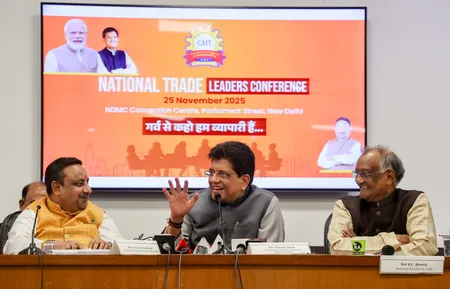
The regulatory crackdown on predatory practices creates immediate opportunities for independent sellers. India's Confederation of All India Traders (CAIT) has successfully pressured the government to enforce stricter Foreign Direct Investment (FDI) policies against major e-commerce platforms. Documented violations include indirect inventory ownership, preferred seller arrangements, private labels, predatory pricing, deep discounting, dark stores (rapid fulfillment centers), manipulative algorithms, and preferential listings. Government action on these fronts—including FDI enforcement, predatory pricing bans, dark store regulation, and algorithm transparency—will level the playing field for independent sellers and MSMEs who have been systematically disadvantaged. This regulatory shift mirrors similar enforcement actions in the EU and US, signaling a global trend toward platform accountability.
Tier-2 cities and smaller towns represent the highest-growth, lowest-competition opportunity zone. Over 60% of India's online shoppers and nearly 50% of total e-commerce spending already originates from Tier-2 cities and smaller towns—not major metros. This geographic distribution is critical: these markets have lower customer acquisition costs (CAC), less saturated competition from mega-sellers, and higher brand loyalty to local/regional merchants. Sellers targeting categories like home goods, apparel, beauty, and FMCG in these regions can achieve 2-3x better unit economics than competing in Tier-1 metros. The acceleration of e-commerce penetration in smaller cities creates a 24-36 month window before major platforms fully optimize these markets.
Algorithm transparency and equal MSME opportunities reshape marketing strategy. CAIT's demands for algorithm transparency and equal opportunities for small sellers will force platforms to reduce preferential treatment for private labels and preferred sellers. This creates space for independent sellers to compete on merit—product quality, pricing, and customer service—rather than algorithmic bias. Sellers should immediately audit their listings for optimization opportunities, invest in customer reviews and ratings (which will become more visible), and develop direct-to-consumer channels to reduce platform dependency. The shift toward transparency also means PPC advertising becomes more predictable and ROI-focused, reducing the advantage of mega-sellers with massive ad budgets.
Questions 8
What data protection and compliance requirements should sellers implement to align with India's new e-commerce policy?
CAIT's demands for data protection and dedicated grievance redressal systems signal that India is moving toward stricter consumer data regulations, similar to GDPR in the EU. Sellers should immediately audit their data collection, storage, and usage practices to ensure compliance with India's Digital Personal Data Protection Act (DPDPA) and any forthcoming e-commerce-specific regulations. Implement transparent privacy policies, obtain explicit customer consent for data usage, and establish secure data storage practices. Additionally, establish clear grievance redressal processes for customer complaints, as platforms will be required to provide dedicated channels. Sellers should also prepare for potential liability if customer data is mishandled. The regulatory shift creates opportunities for sellers who prioritize data security and customer trust as competitive differentiators, particularly in Tier-2 markets where trust in digital commerce is still developing.
How can sellers leverage the Gen Z demographic shift to maximize growth in India's expanding e-commerce market?
22 crore (220 million) Gen Z shoppers are entering India's e-commerce market, representing a fundamental shift in consumer behavior and preferences. Gen Z shoppers are mobile-first, social-media-driven, and value authenticity and sustainability. Sellers should prioritize mobile-optimized listings, invest in social commerce (Instagram Shopping, TikTok, YouTube Shorts), and develop influencer partnerships with micro-influencers who resonate with Gen Z audiences. Content marketing focused on product storytelling, behind-the-scenes manufacturing, and sustainability narratives will drive higher engagement and conversion rates. Additionally, Gen Z shoppers expect seamless omnichannel experiences, so sellers should integrate online and offline touchpoints. The regulatory environment supporting MSME growth also aligns with Gen Z preferences for supporting small businesses and local brands. Sellers should emphasize their MSME status, local sourcing, and community impact in marketing messaging to capture this demographic's purchasing power.