



Capcom's Strategic Revival: Resurrecting Iconic Franchises Through Calculated Nostalgia
- Gaming industry's masterclass in franchise regeneration targeting multi-generational fan bases
























Overview
Capcom's strategic game announcements at The Game Awards 2025 reveal a sophisticated approach to franchise revival that transcends mere nostalgia, representing a calculated resurrection of beloved gaming properties. By carefully timing releases and leveraging generational appeal, the company is demonstrating a nuanced understanding of how to breathe new life into iconic brands.
Three pivotal game announcements underscore this strategy: Pragmata, Resident Evil Requiem, and Mega Man: Dual Override. Each title represents a different dimension of Capcom's revival playbook. Pragmata signals the company's willingness to explore innovative sci-fi narratives, with its April 24, 2026 launch promising a fresh intellectual property that combines cinematic storytelling and futuristic world-building. The game's inclusion of Deluxe Edition pre-order bonuses like Neo Bushido and Neo Kunoichi costumes suggests a deep understanding of collector and hardcore gamer psychology.
The Resident Evil Requiem announcement particularly highlights Capcom's narrative sophistication. By introducing Leon S. Kennedy alongside a new protagonist, Grace Ashcroft, the game promises contrasting gameplay styles and interconnected narratives. This approach demonstrates a keen awareness of evolving player expectations—moving beyond traditional linear storytelling toward more complex, multi-perspective experiences.
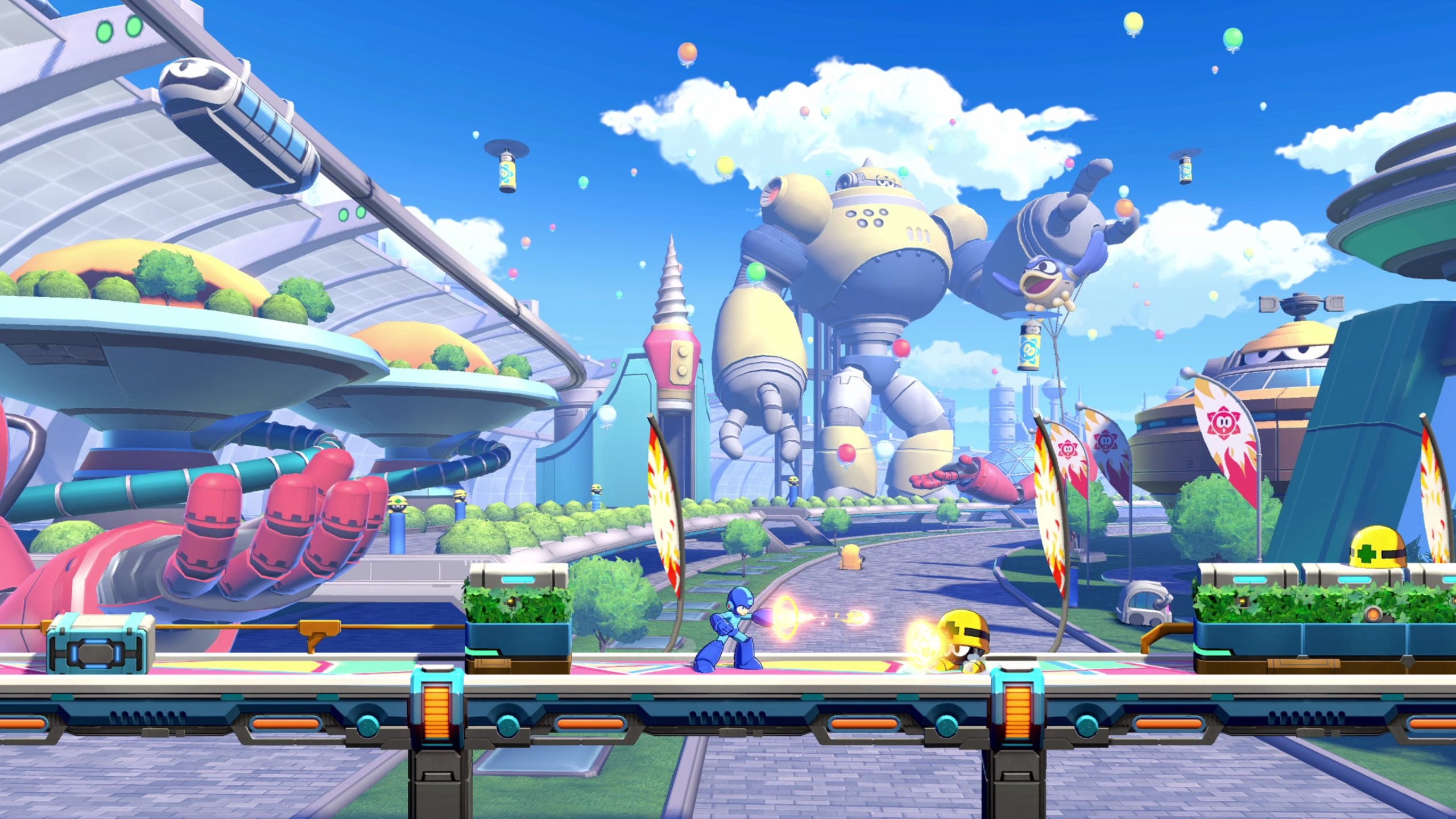
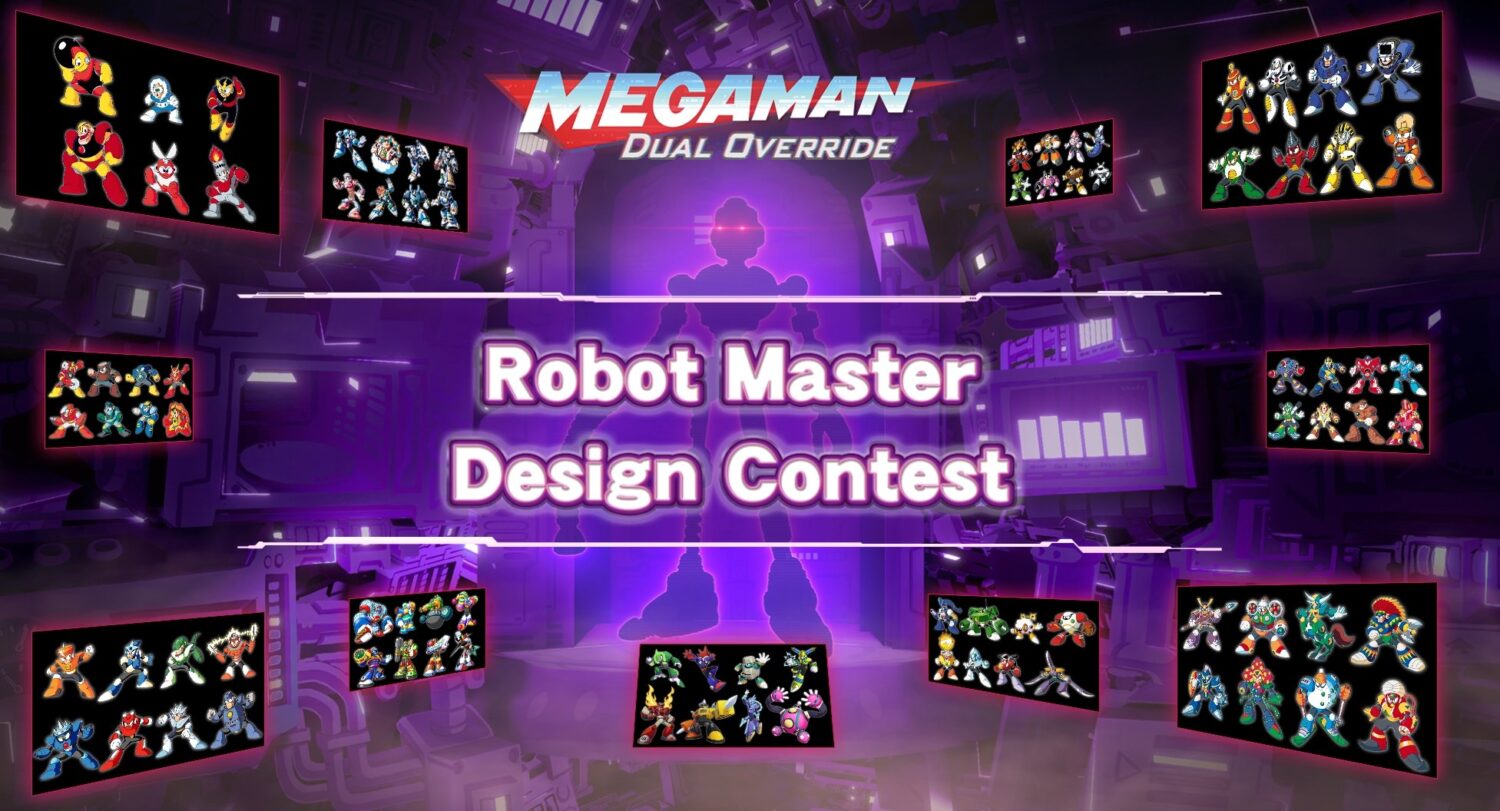
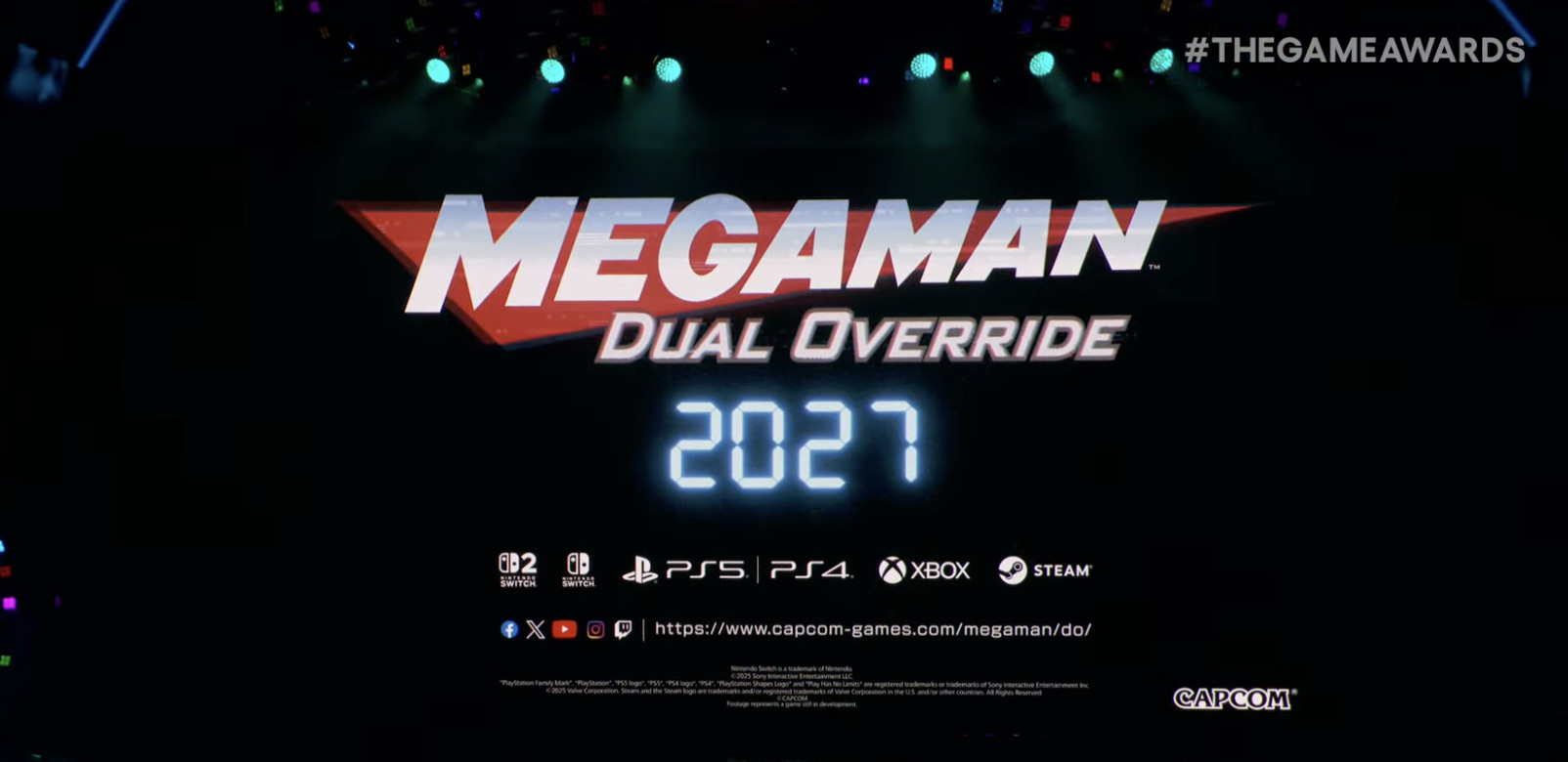
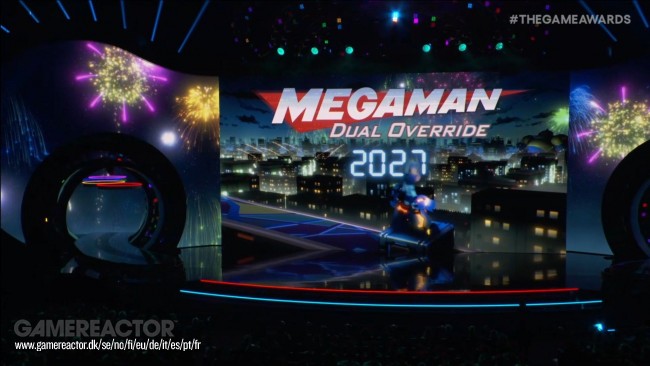
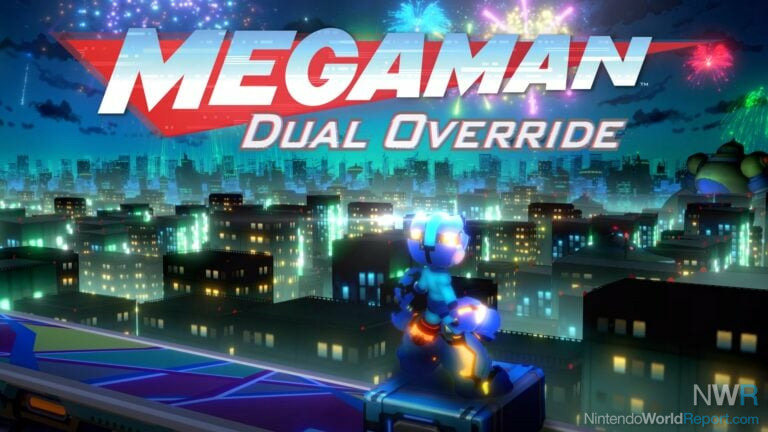
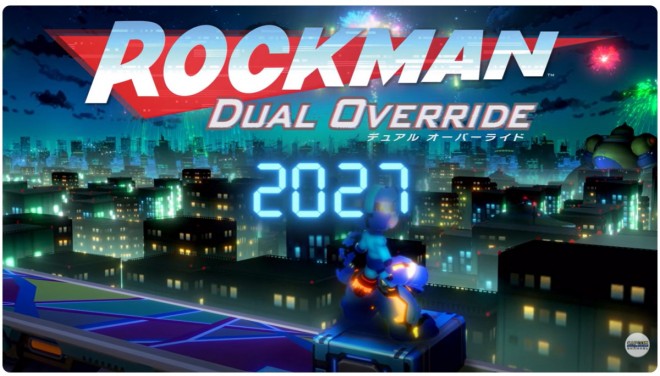
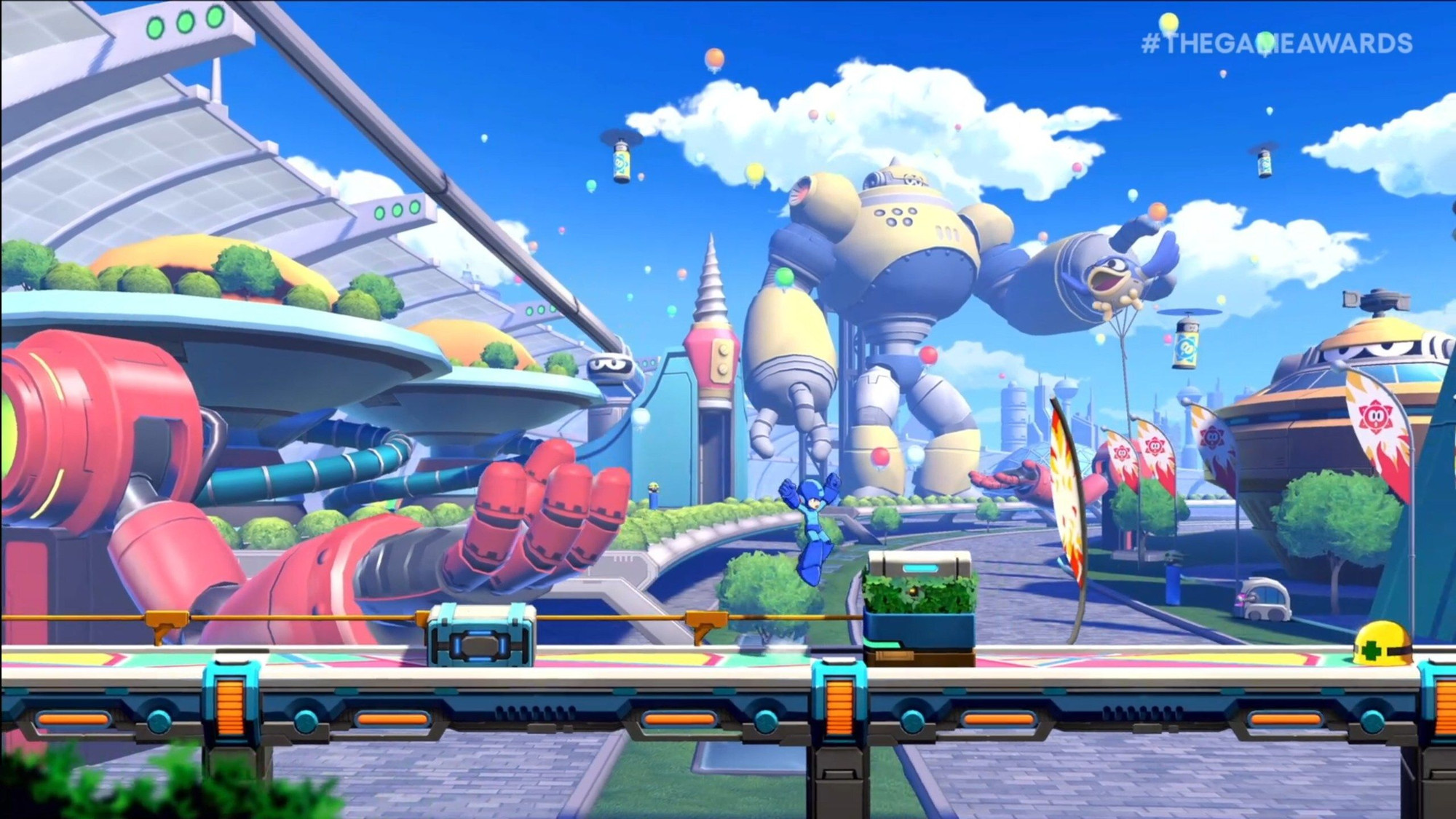
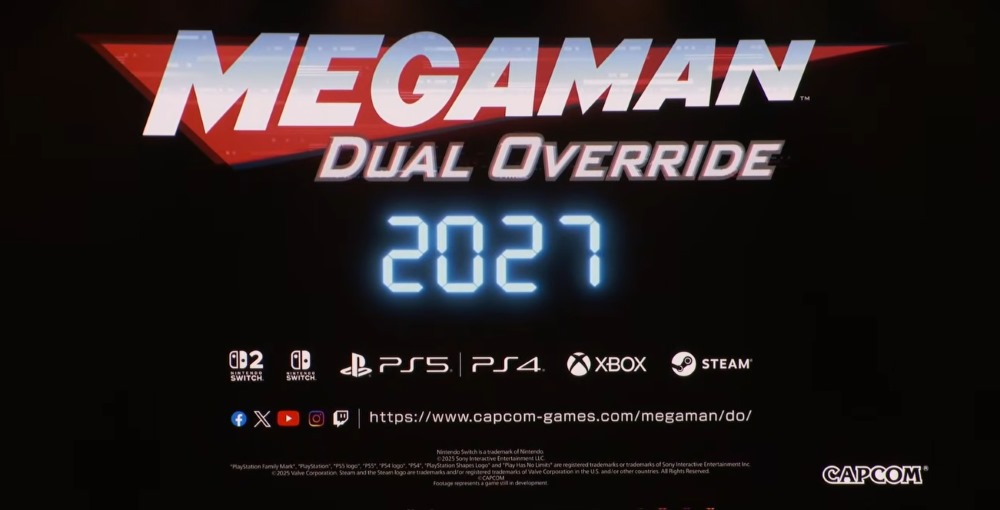
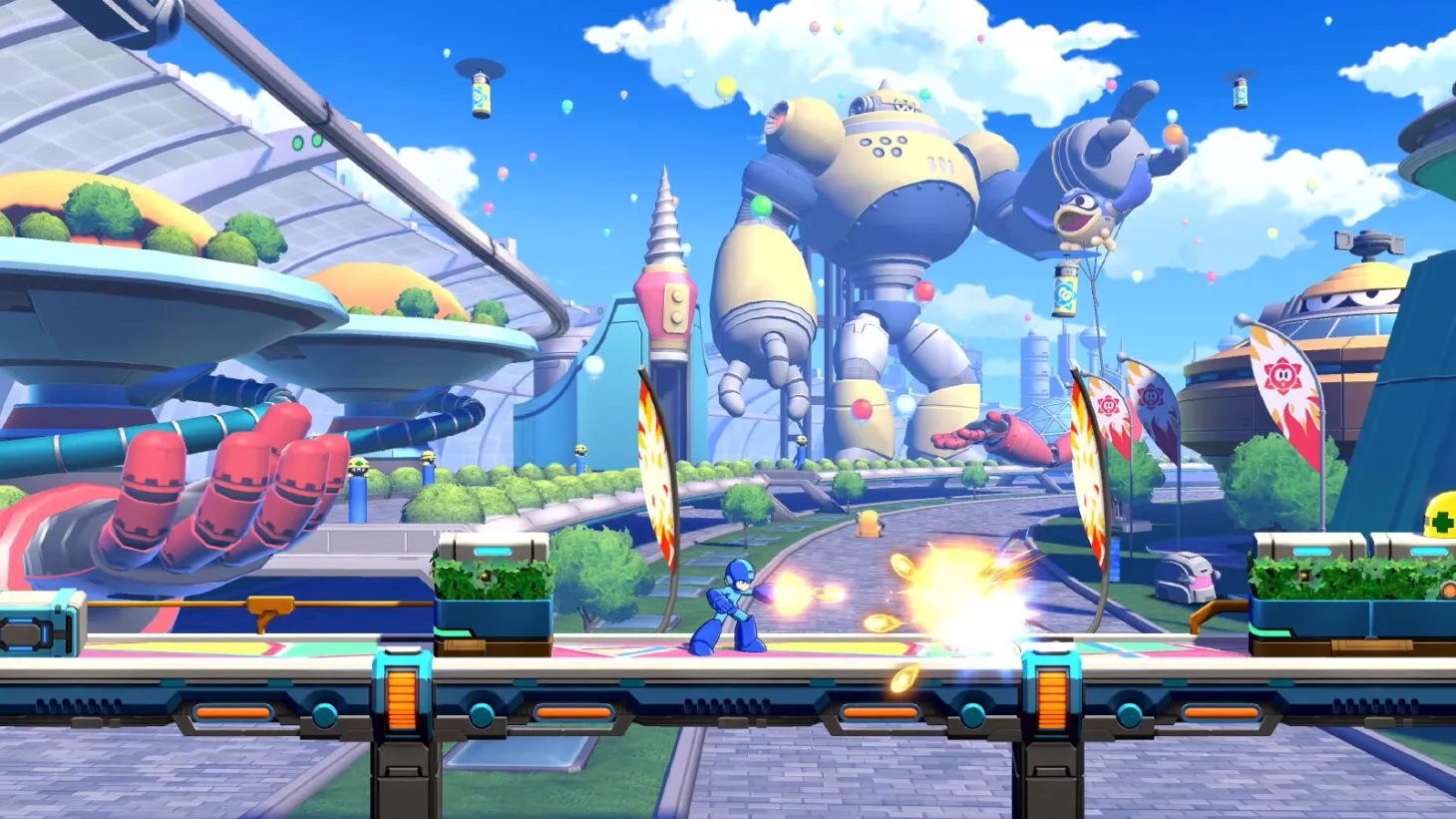
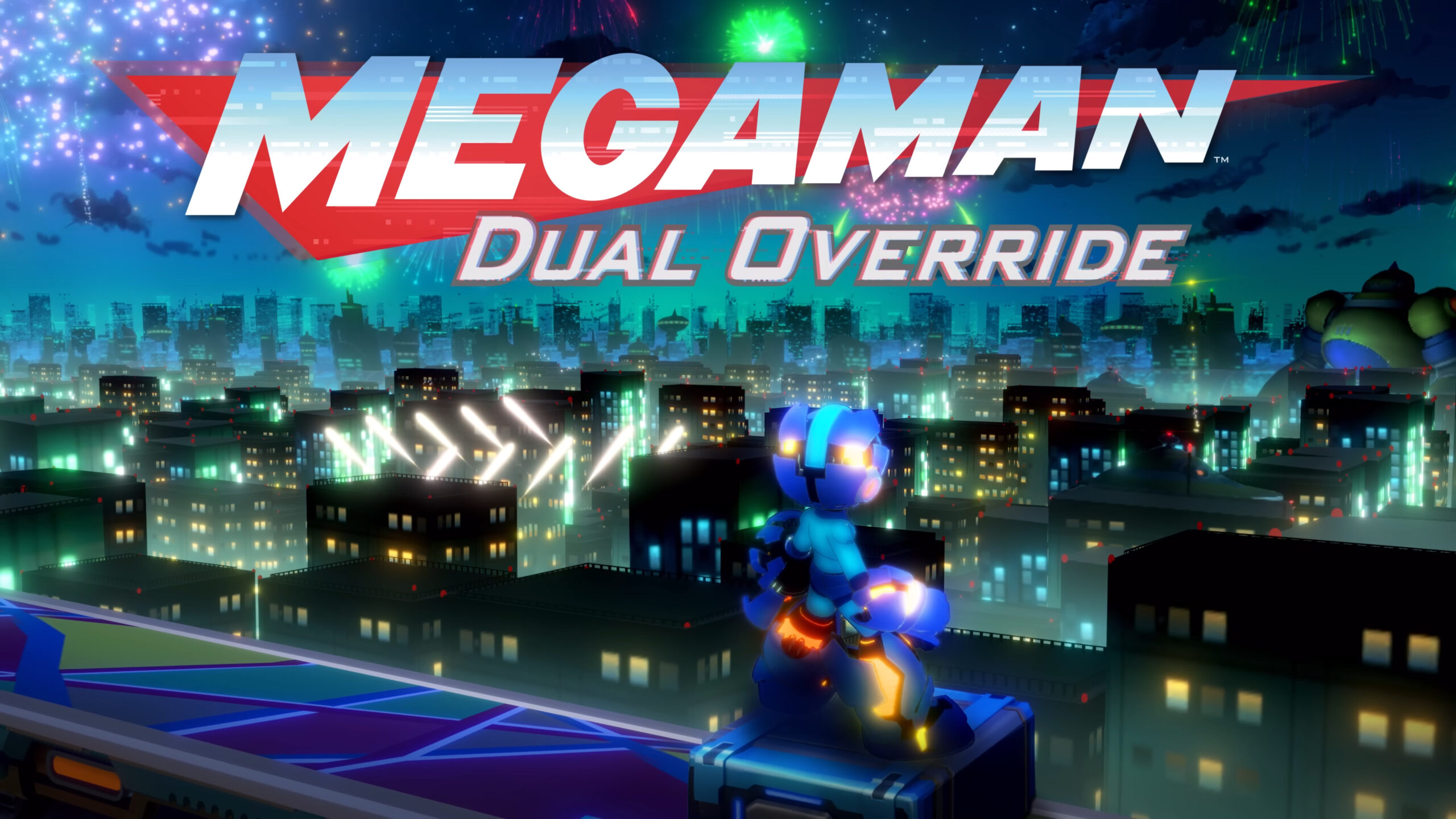
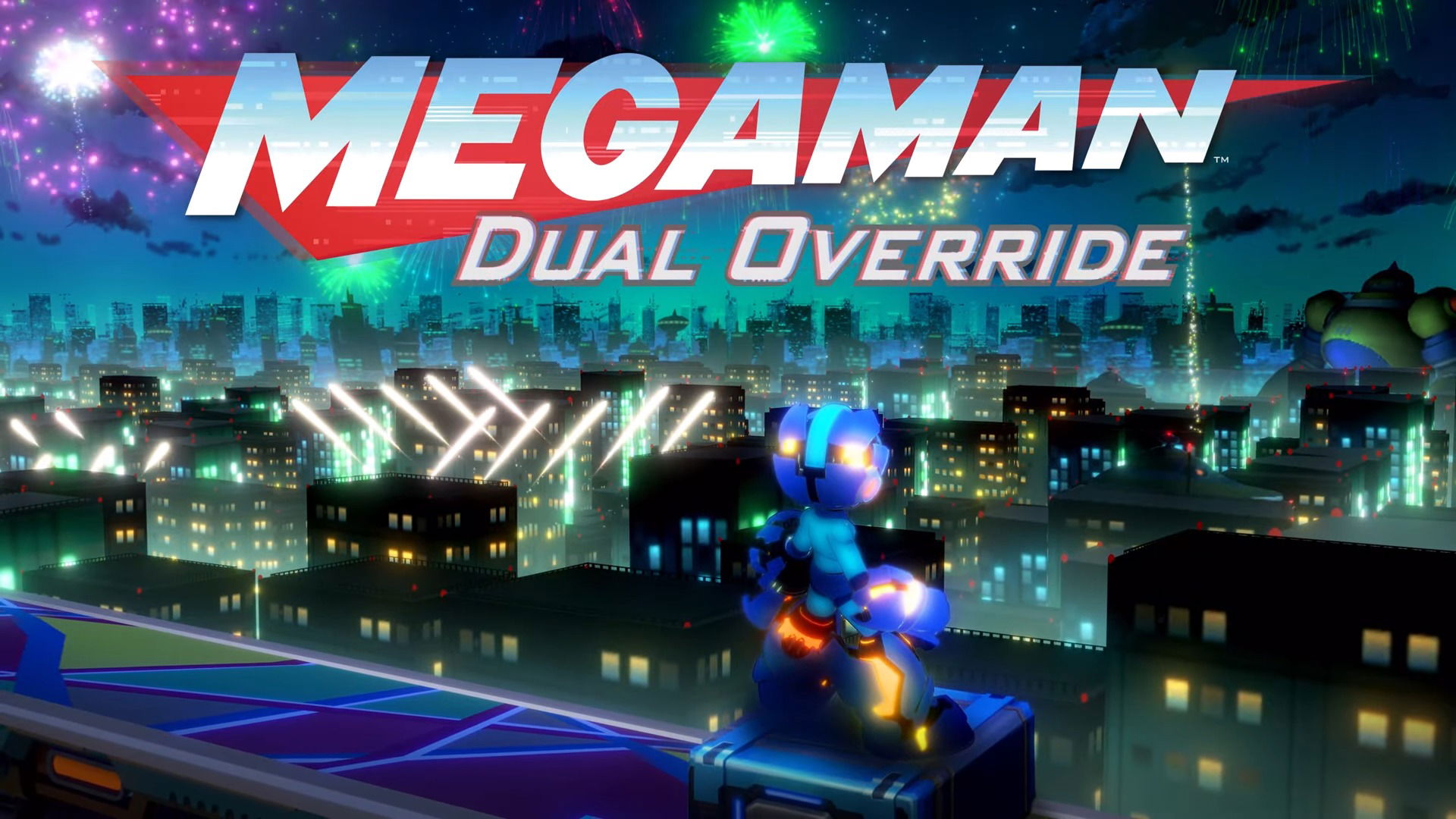
Mega Man: Dual Override's 2027 release, coinciding with the franchise's 40th anniversary, represents perhaps the most strategic revival. The game's planned 2.5D gameplay style, featuring classic mechanics like jumping and shooting, signals a deliberate return to the franchise's roots while hinting at potential modernization. The extended development timeline suggests a measured, quality-focused approach designed to rebuild fan trust after years of franchise dormancy.
Critically, these announcements reveal Capcom's broader strategic vision: franchises are living ecosystems, not static intellectual properties. By spacing releases, teasing future showcases, and maintaining a delicate balance between nostalgia and innovation, the company is positioning itself as a master of generational game design. The carefully orchestrated reveals suggest a deep understanding that modern gaming audiences demand both familiarity and surprise.
Questions 3
How does Capcom's approach differ from typical game franchise management?
Unlike many game companies that either completely reboot franchises or let them stagnate, Capcom treats its properties as living ecosystems. They carefully balance nostalgia, narrative innovation, and generational appeal. The staggered announcements for Pragmata, Resident Evil Requiem, and Mega Man: Dual Override demonstrate a sophisticated, long-term strategic vision.
How is Capcom strategically reviving its classic franchises?
Capcom is using a multi-pronged approach that balances nostalgia with innovation. By spacing out releases, maintaining classic gameplay elements, and introducing narrative complexity, they're rebuilding fan trust while attracting new audiences. The Mega Man and Resident Evil announcements demonstrate careful franchise management that respects original fan expectations while pushing creative boundaries.