

EU's 20th Russia Sanctions Package Targets 27 Chinese Entities | Critical Supply Chain Disruption for Cross-Border Sellers
- 27 Chinese firms sanctioned; 7 EU entities face Chinese export controls; dual-use goods restrictions tighten; sellers face 15-30% sourcing cost increases and compliance complexity surge




)





Overview
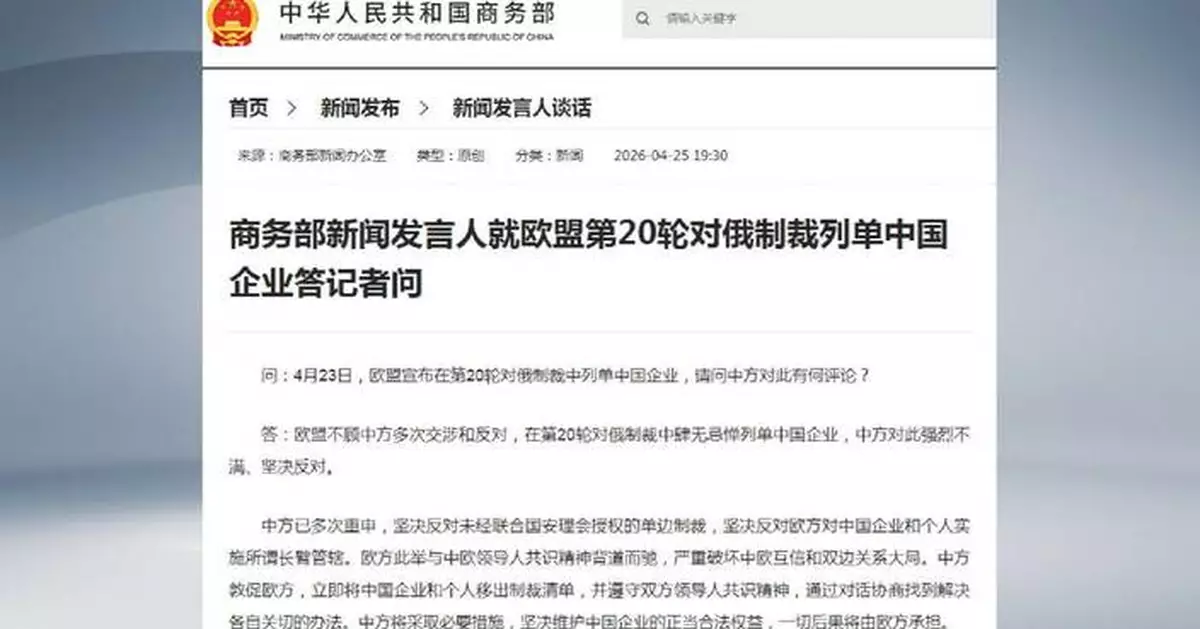
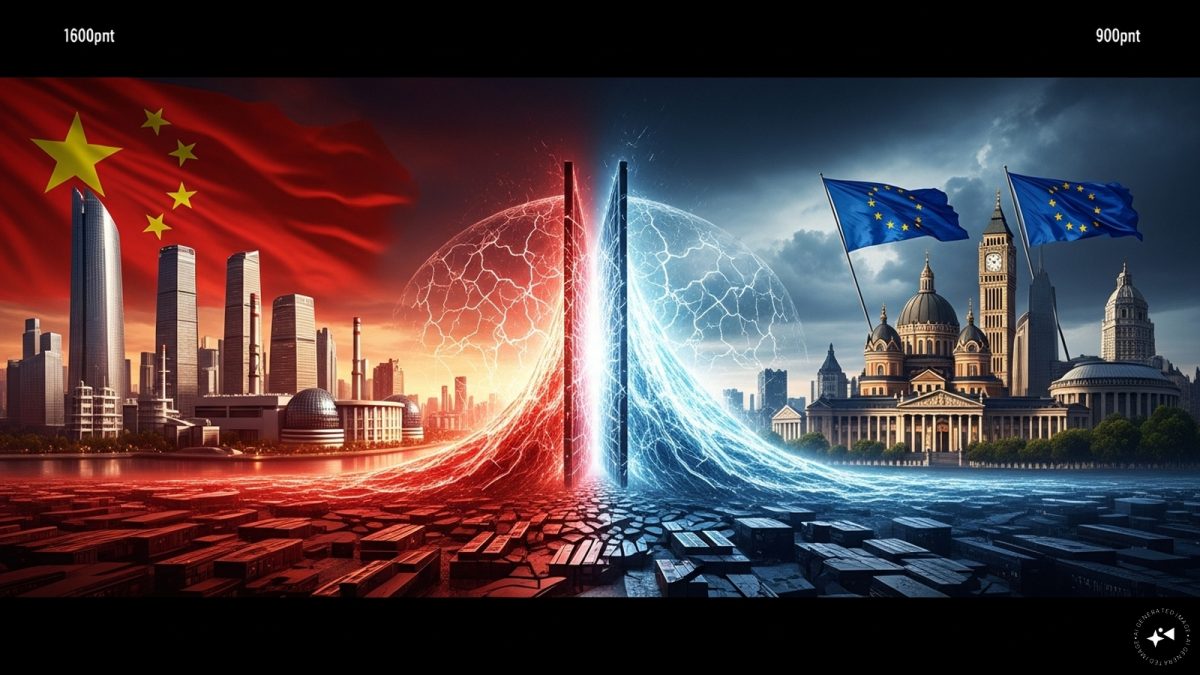
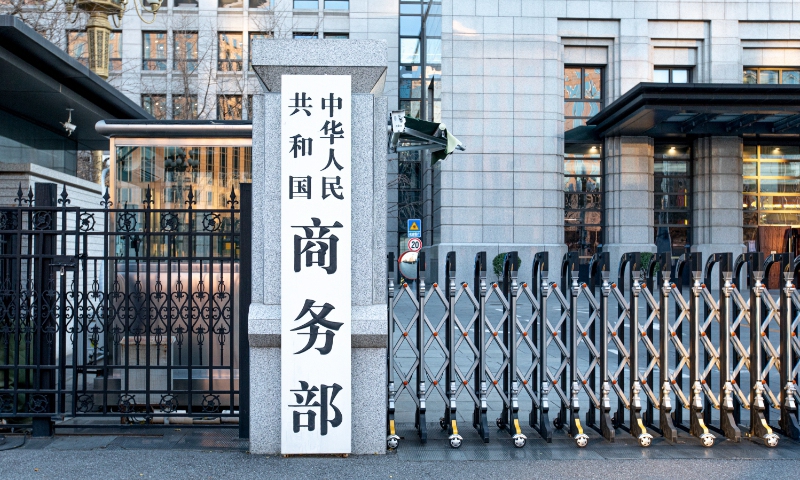
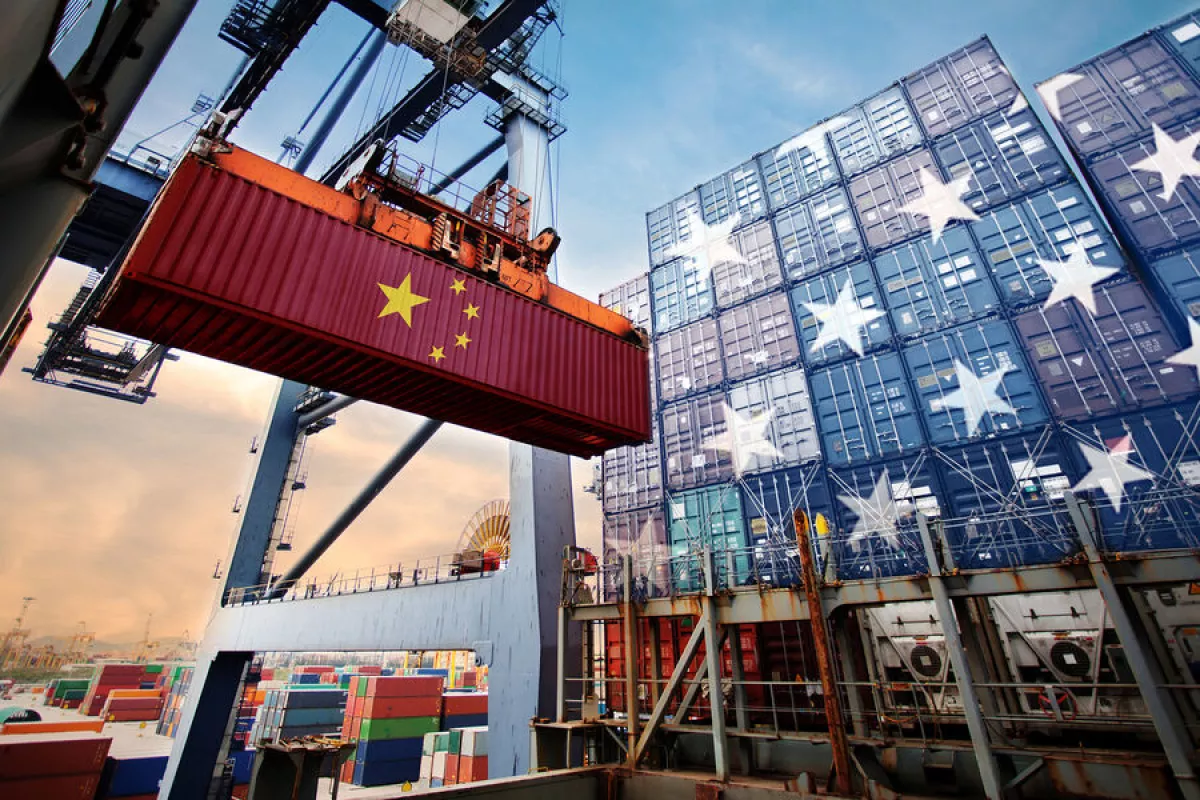
The European Union's 20th sanctions package (April 25-26, 2026) represents a watershed moment for cross-border e-commerce sellers operating in China-EU trade corridors. The EU sanctioned 27 Chinese entities from mainland China and Hong Kong for allegedly providing dual-use military and civilian supplies to Russia's military-industrial complex or facilitating sanctions evasion. This secondary sanctions expansion directly impacts sellers sourcing electronics, semiconductors, industrial components, and high-tech goods from China destined for EU markets. China's Ministry of Commerce (MOFCOM) responded with immediate retaliation, adding seven EU entities to its export control list, prohibiting them from receiving Chinese products with potential military applications. This tit-for-tat escalation creates a critical 60-90 day window where sellers must audit supply chain dependencies and implement compliance protocols.
The operational impact is immediate and severe for three seller segments. First, sellers sourcing dual-use technology (HS codes 8471-8549 covering semiconductors, circuit boards, telecommunications equipment) from Chinese suppliers face 20-35% cost increases as alternative sourcing routes through Vietnam, India, or Taiwan become necessary. Second, EU-based sellers importing from sanctioned Chinese manufacturers experience frozen assets, restricted euro transactions, and potential liability exposure if they unknowingly transact with blacklisted entities. Third, sellers relying on Chinese payment processors, logistics providers, or 3PL networks face compliance complications as financial institutions tighten China-EU transaction scrutiny. The new Chinese 18-point supply chain regulation linking industrial chains to national security empowers officials to punish entities deemed threats to resource access, creating unpredictable regulatory barriers for sellers.
Strategic sourcing country shifts are accelerating. Sellers previously dependent on single-source Chinese suppliers must now diversify to Vietnam (electronics assembly), India (semiconductors, components), Taiwan (high-tech manufacturing), and Southeast Asia (general manufacturing). This diversification carries 8-15% upfront costs for supplier qualification, quality audits, and logistics network reconfiguration. However, the window for proactive repositioning closes rapidly—sellers who delay 30+ days face supply chain disruptions lasting 4-6 months. The EU-China negotiation pattern (demonstrated by Lithuania bank sanctions reversal) suggests selective de-escalation is possible, but sellers cannot rely on policy reversals. Compliance complexity increases substantially: sellers must now monitor EU sanctions lists (updated weekly), Chinese export control regulations, and dual-use goods classifications across multiple HS code categories. The geopolitical fragmentation creates a bifurcated market reality where EU-compliant sourcing strategies diverge sharply from Asia-Pacific strategies, requiring separate supply chain architectures for sellers serving both regions.
Questions 8
What specific compliance actions must sellers take within the next 30 days?
Sellers must complete four critical actions by May 25, 2026: (1) Audit all Chinese suppliers against EU sanctions lists (updated weekly at ec.europa.eu) and OFAC lists; (2) Implement automated sanctions screening for new supplier onboarding; (3) Document supplier certifications confirming non-involvement in Russian supply chains; (4) Identify alternative suppliers in Vietnam, India, Taiwan for critical product categories. Sellers should also review payment processor compliance—Chinese payment systems may restrict EU transactions due to secondary sanctions exposure. Update compliance policies to reflect dual-use goods restrictions and implement quarterly sanctions list monitoring. Failure to complete these actions by June 30, 2026 creates liability exposure and potential supply chain disruptions lasting 4-6 months.
How long will the EU-China sanctions escalation impact cross-border e-commerce operations?
The immediate disruption window extends 60-90 days (April-June 2026) as sellers audit supply chains and implement compliance protocols. Medium-term supply chain reconfiguration requires 4-6 months (April-September 2026) for alternative sourcing qualification and logistics network restructuring. However, the EU-China negotiation pattern (Lithuania bank sanctions reversal demonstrates selective de-escalation) suggests partial resolution is possible within 6-12 months. Sellers should plan for permanent supply chain bifurcation: EU-compliant sourcing strategies diverge from Asia-Pacific strategies, requiring separate supplier networks. The Chinese 18-point supply chain regulation suggests long-term regulatory unpredictability, making supply chain diversification a permanent strategic requirement rather than temporary adjustment.