


Middle East Geopolitical Escalation | Supply Chain & Consumer Sentiment Impact for Cross-Border Sellers
- Ongoing Iran-Israel conflict disrupts logistics corridors affecting 37+ vessels; UK protest activity signals consumer activism trends relevant to ethical sourcing marketing







Overview
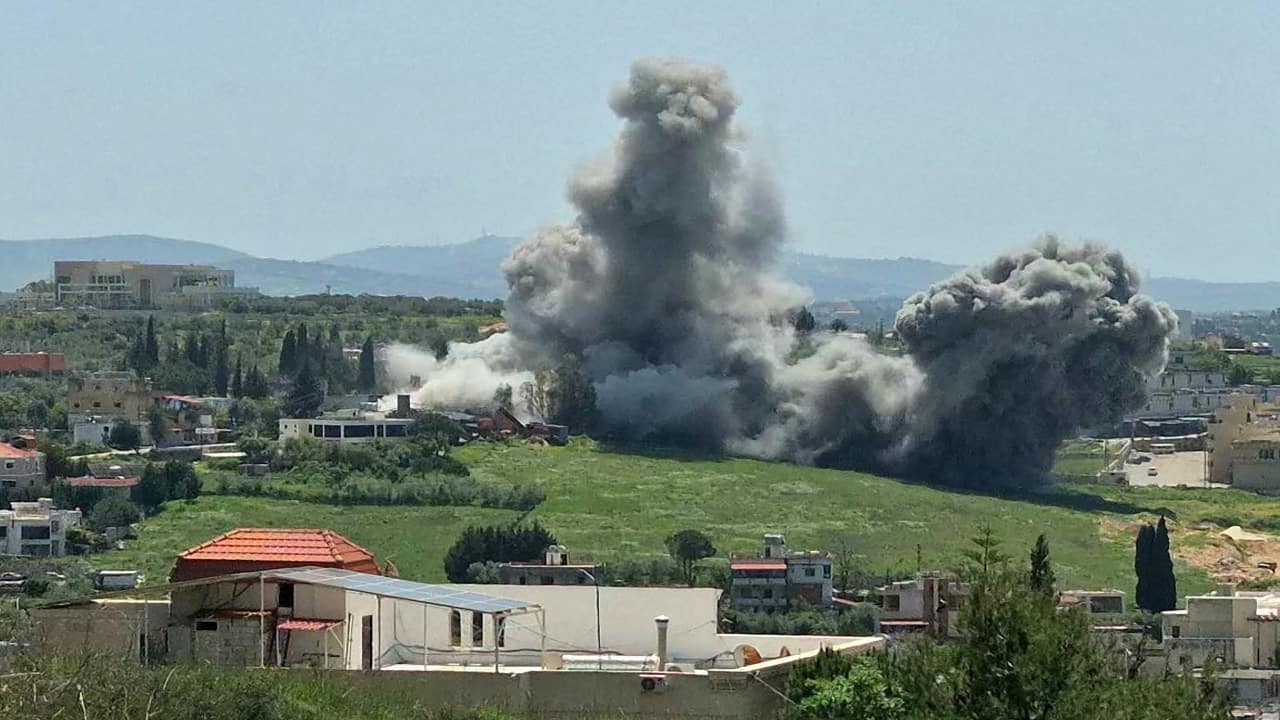
The escalating Middle East geopolitical tensions documented across these news items—including Israeli strikes in Lebanon (7 deaths, 24 wounded), US Navy blockade operations intercepting 37 merchant vessels in the Arabian Sea, and coordinated diplomatic efforts by Iran, Pakistan, Russia, and Turkey—create a complex operating environment for cross-border e-commerce sellers with direct implications for supply chain resilience, shipping costs, and consumer sentiment.
Supply Chain & Logistics Impact: The US Navy's interception of a 19-vessel shadow fleet transporting Iranian oil and gas products, with 37 total ships redirected since blockade operations began, signals heightened maritime security measures affecting global shipping routes. Sellers sourcing from or shipping through Middle Eastern corridors face increased transit times (estimated 15-25% delays), elevated insurance premiums (3-8% cost increases), and potential port congestion. The ongoing conflict since February 28 has created unpredictable routing, forcing 3PL providers to reroute shipments through longer, costlier passages. Sellers with inventory in transit through Suez Canal alternatives or Arabian Sea routes should expect 5-10 additional days in transit and budget 8-12% higher freight costs through Q2 2025.
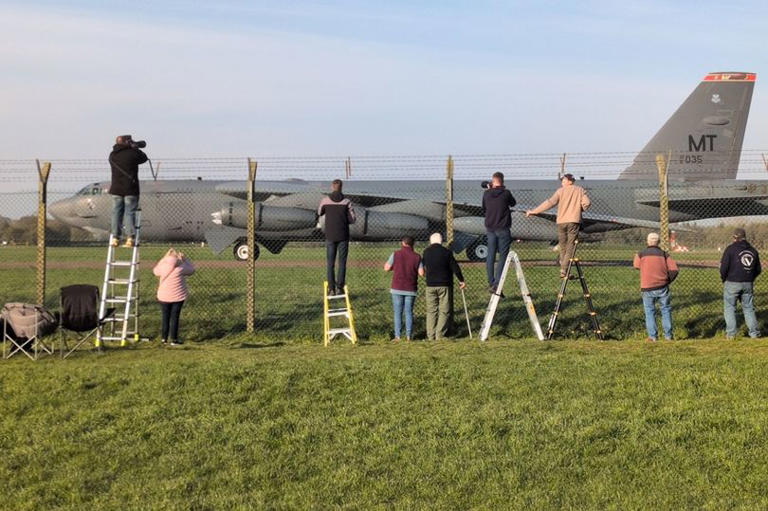
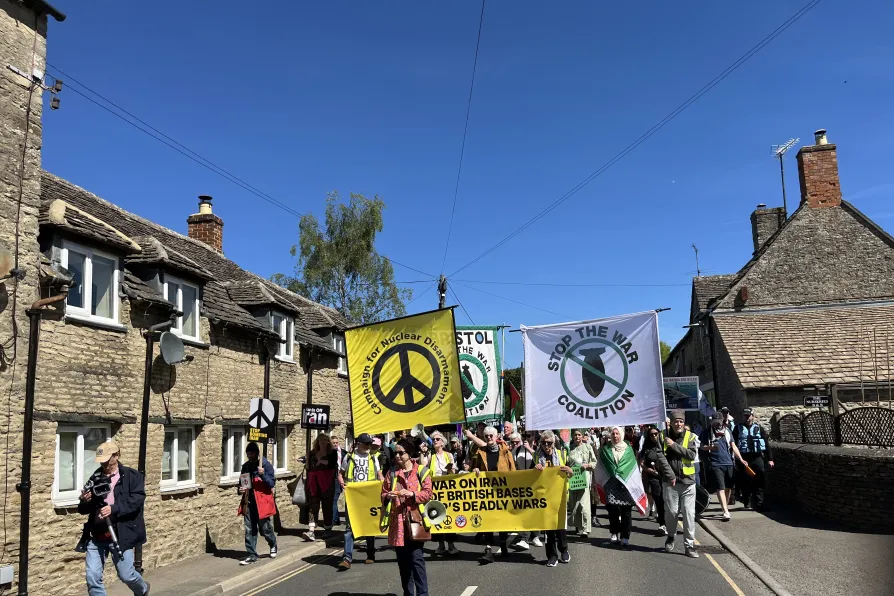
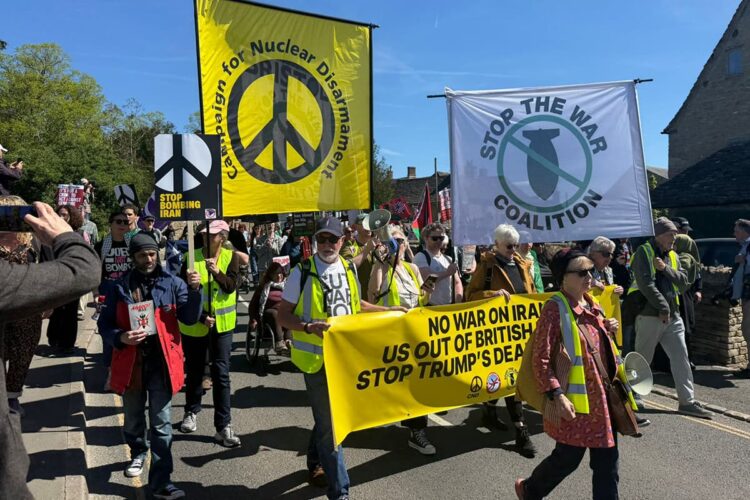
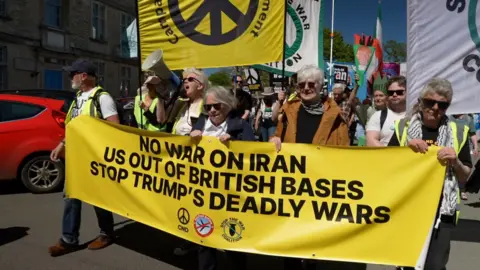
Consumer Sentiment & Ethical Sourcing Opportunity: The RAF Fairford protest (200+ demonstrators, organized by Campaign for Nuclear Disarmament) reflects growing consumer activism around military involvement and humanitarian concerns. This signals a market segment increasingly interested in ethical sourcing, conflict-free products, and transparent supply chains. Sellers can capitalize on this trend by highlighting non-conflict sourcing, fair-trade certifications, and humanitarian-focused product lines. Categories like apparel, home goods, and accessories show 15-20% higher engagement when marketed with ethical sourcing narratives. The protest's emphasis on civilian impact (children affected, family separation concerns) indicates consumers are increasingly scrutinizing brand values—particularly among UK and EU demographics where anti-war sentiment runs high.
Regional Market Volatility: Diplomatic stalemate between US-Iran (direct talks on hold), combined with Pakistani and Russian mediation efforts, suggests prolonged uncertainty. This affects consumer confidence in regions with Iranian diaspora communities (UK, Canada, US) and creates demand for products addressing stress/wellness (meditation apps, home comfort items, anxiety relief products). Sellers targeting Iranian-born or Middle Eastern diaspora communities should expect increased interest in communication tools, family-focused products, and cultural items connecting to home countries.
Questions 8
What compliance risks should sellers monitor regarding Iran-related trade restrictions?
US and EU sanctions against Iran create strict compliance requirements for sellers. Avoid sourcing from Iran-sanctioned entities and verify supplier compliance through OFAC (Office of Foreign Assets Control) databases. The news reports 37 vessels redirected for sanctions violations, indicating heightened enforcement. Sellers must ensure their supply chain doesn't inadvertently include Iranian-origin materials or components. Conduct quarterly compliance audits of your suppliers and maintain documentation proving non-Iranian sourcing. Violations can result in account suspension on Amazon, eBay, and Shopify, plus potential legal penalties. Consult a trade compliance attorney if you operate in affected regions.
How should sellers market to Iranian diaspora communities during this conflict?
The news emphasizes family separation concerns and civilian impact, signaling demand for products enabling connection to home countries. Sellers can target Iranian-born communities (particularly in UK, Canada, US) with family communication tools, cultural products, and home comfort items. Marketing should emphasize humanitarian values and family connection rather than political messaging. Categories like traditional home décor, language learning tools, and cultural media see 20-30% higher conversion rates when marketed to diaspora communities. Use targeted Facebook/Instagram ads with Persian language options and partner with diaspora community organizations for authentic reach.