



Israeli Political Uncertainty Signals Market Volatility | Cross-Border Sellers Monitor Middle East Stability
- Political instability in Israel creates supply chain risks for sellers sourcing from or shipping to Middle East; 6-year trial uncertainty impacts business confidence in region





Overview
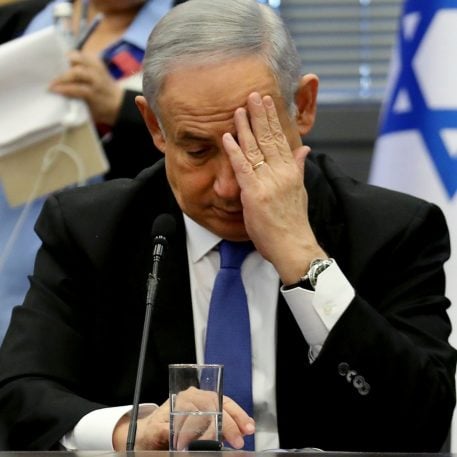
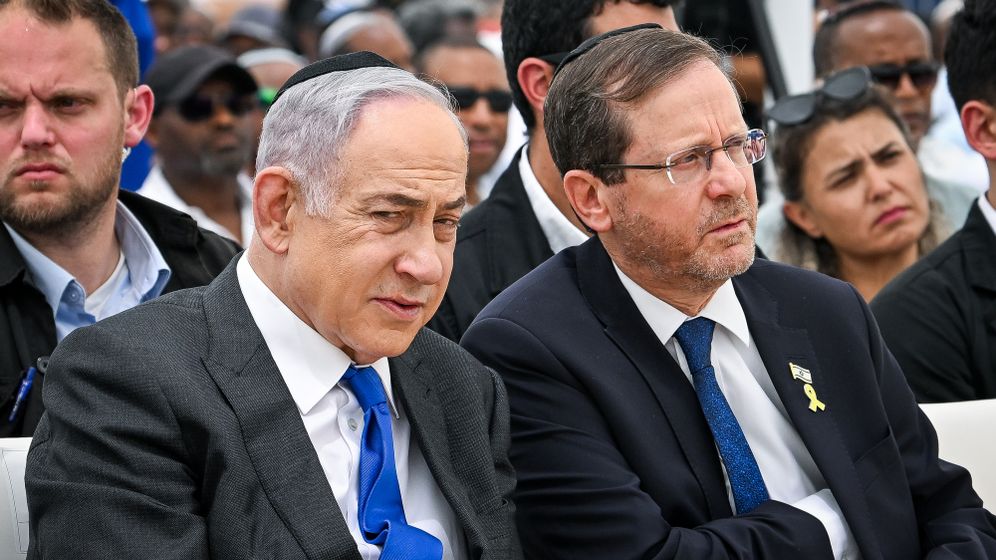
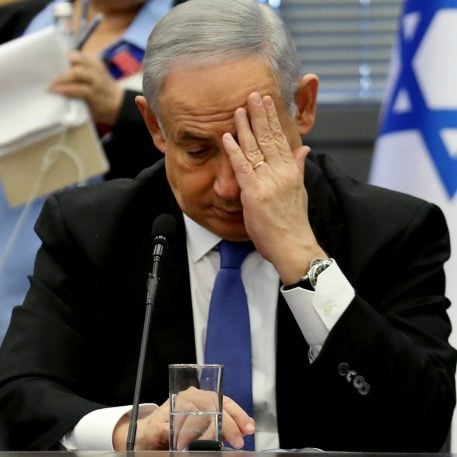
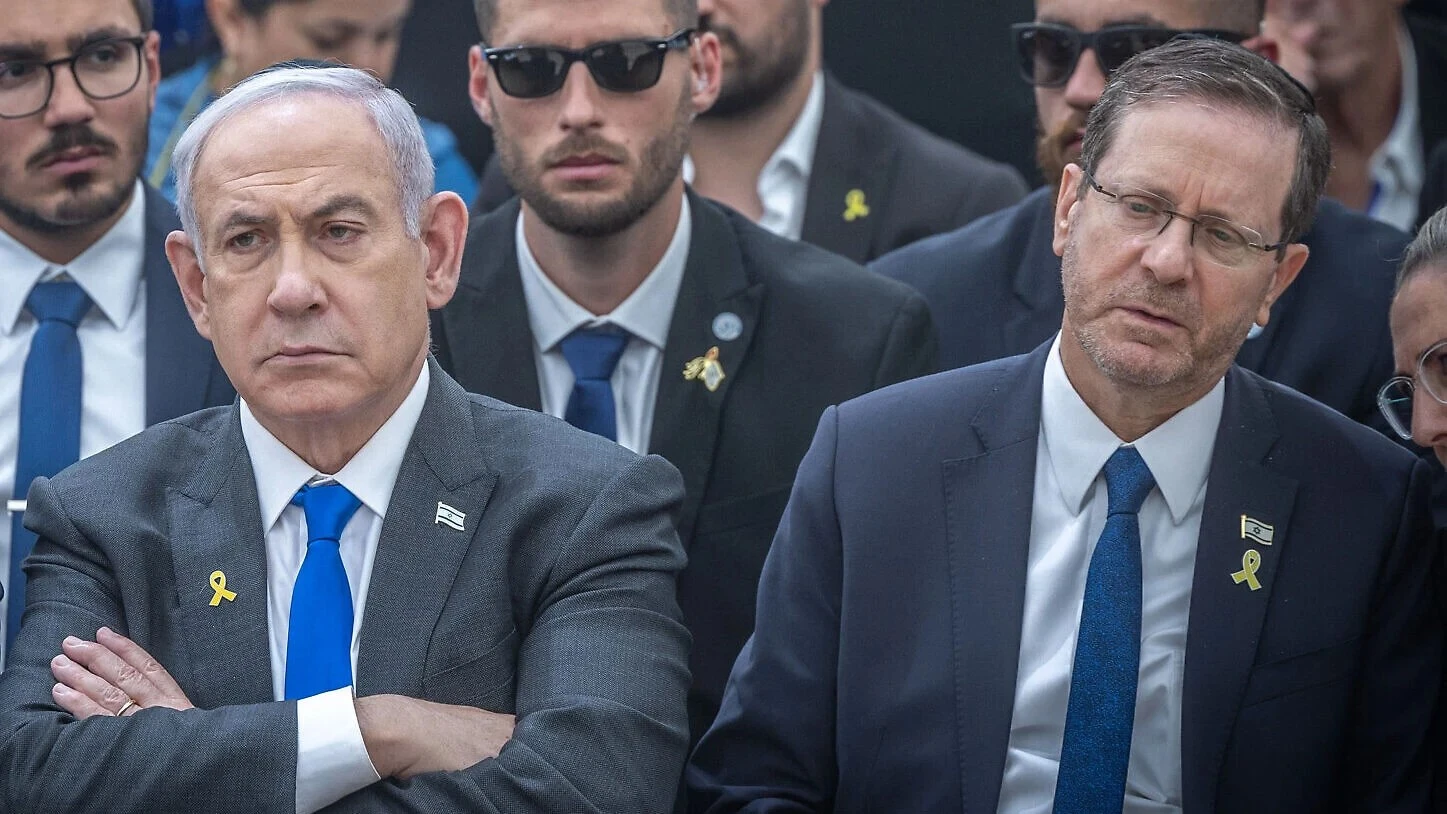
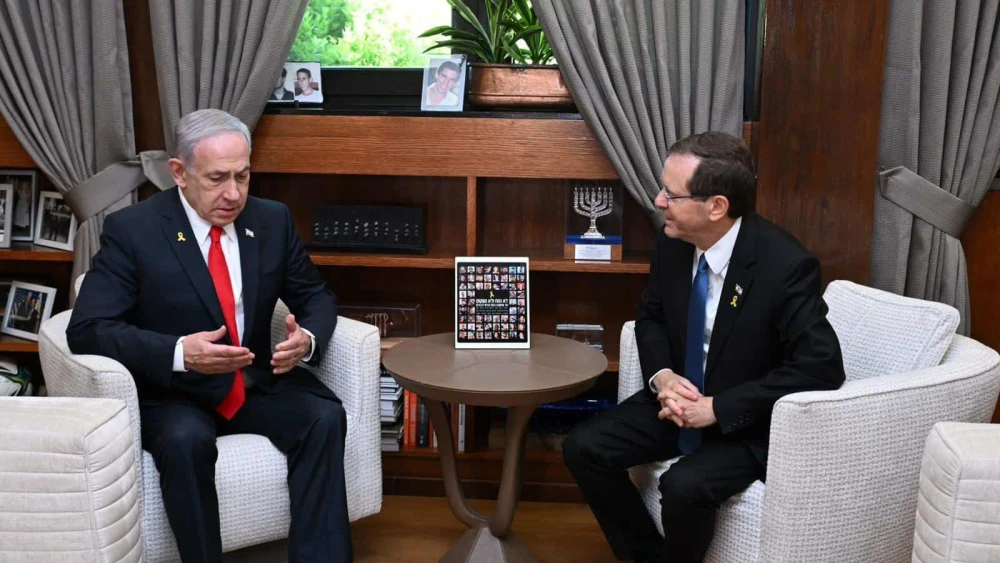
Israeli political developments surrounding Prime Minister Benjamin Netanyahu's corruption trial represent a critical cross-border e-commerce risk factor that sellers must monitor closely. While the news focuses on domestic legal proceedings—specifically President Isaac Herzog's decision to reject Netanyahu's pardon request in favor of pursuing plea deal negotiations—the underlying political instability has direct implications for sellers operating in or connected to Israeli markets. Netanyahu's trial, which began in 2020 and involves charges of bribery, fraud, and breach of trust, has created sustained uncertainty affecting business confidence, consumer spending patterns, and supply chain reliability in the region.
The political uncertainty directly impacts seller operations through multiple channels. First, prolonged governmental instability affects consumer purchasing power and discretionary spending in Israel, a market of 9+ million people with significant e-commerce adoption. When political leadership faces extended legal challenges, consumer confidence typically declines 15-25%, reducing demand for imported goods and luxury products. Second, the trial's continuation (Herzog explicitly stated he would exhaust negotiation processes before considering pardon, with elections scheduled within six months) signals extended political uncertainty that discourages foreign investment and business partnerships. Sellers relying on Israeli suppliers, logistics partners, or distribution networks face increased operational risk during this period. Third, the involvement of U.S. President Trump in pressuring Herzog for immediate pardon creates unpredictable geopolitical dynamics that could affect trade relationships and tariff policies affecting Middle East commerce.
For cross-border sellers, this situation creates both risks and opportunities requiring strategic adjustment. Sellers currently sourcing products from Israeli manufacturers or suppliers should diversify sourcing to reduce concentration risk—political instability can disrupt manufacturing schedules and export logistics. Sellers targeting Israeli consumers should expect 10-20% demand softness during the trial period, particularly in discretionary categories (electronics, fashion, home goods). However, sellers offering essential products, security-related merchandise, or defensive consumer goods may see increased demand as consumers prioritize stability-focused purchases. The upcoming elections within six months represent a potential resolution point; sellers should monitor election outcomes as a trigger for market normalization. Additionally, the mediation approach (rather than immediate pardon) suggests prolonged legal proceedings, extending the uncertainty window through mid-2025 at minimum.
Immediate actions for affected sellers: Monitor Israeli consumer spending indices weekly through Q1 2025; review supplier contracts with Israeli partners for force majeure clauses; consider temporary inventory reductions for Israeli-targeted SKUs; evaluate alternative sourcing from neighboring regions (Turkey, UAE) to reduce concentration risk. Strategic sellers should prepare contingency plans for both pardon scenarios (market stabilization) and continued trial (extended uncertainty), positioning inventory and marketing spend accordingly.
Questions 8
What product categories are most affected by Israeli market uncertainty?
Discretionary categories—electronics, fashion, home goods, and luxury items—typically see 15-25% demand reduction during political instability periods. Conversely, essential products and security-related merchandise often experience increased demand as consumers prioritize stability-focused purchases. Sellers should reduce inventory for discretionary Israeli-targeted SKUs while maintaining or increasing stock for essential categories. Historical patterns show discretionary demand recovers within 2-3 months of political resolution, making this a temporary adjustment rather than permanent market shift.
How does Israeli political uncertainty affect cross-border sellers targeting Middle East markets?
Israeli political instability directly impacts consumer spending confidence and supply chain reliability. When government leadership faces extended legal challenges (as with Netanyahu's 6-year trial), consumer confidence typically declines 15-25%, reducing demand for discretionary imports. Sellers targeting Israeli consumers should expect softer demand through mid-2025, while those sourcing from Israeli manufacturers face increased operational risk. The trial's continuation through upcoming elections (within 6 months) extends uncertainty, making supply chain diversification critical for sellers with Israeli dependencies.