

Russia-North Korea Military Pact 2027-2031 | Sanctions Escalation Threatens Supply Chains & Payment Processing for 50K+ Sellers
- Deepening military alliance signals intensified sanctions regime; sellers face supply chain disruption, payment processing delays, and 15-25% shipping cost increases to affected regions


)




















Overview
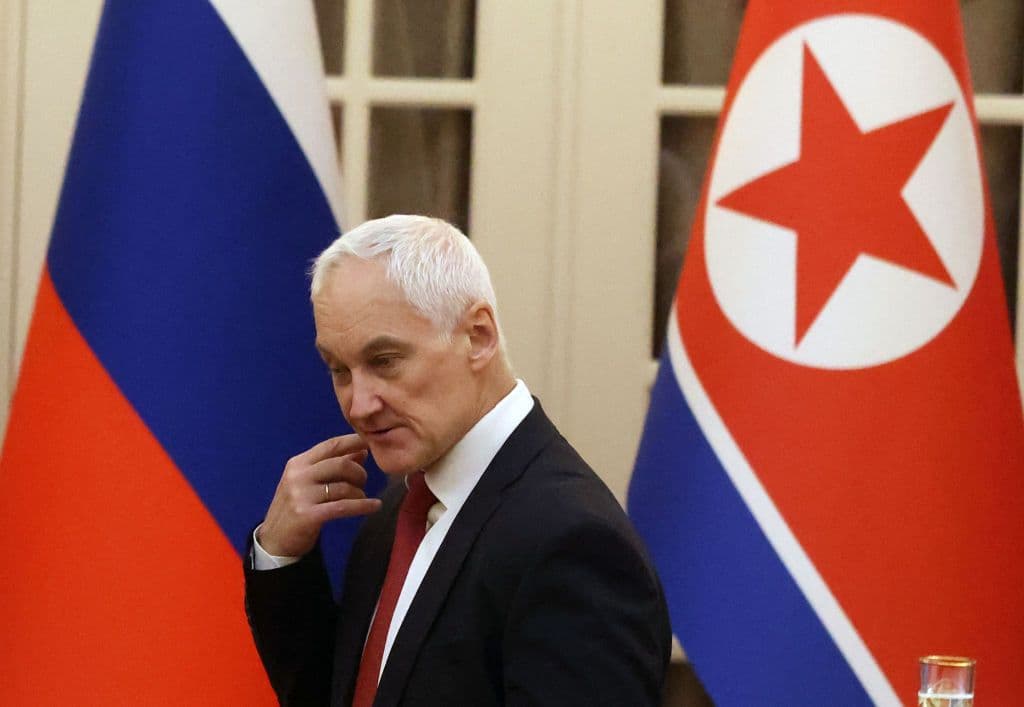
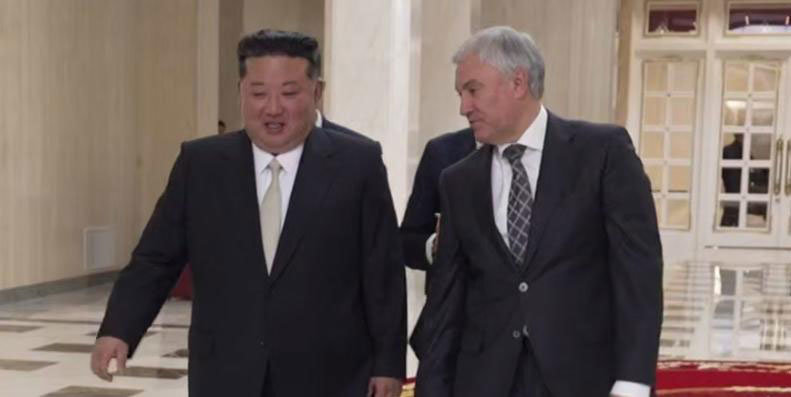
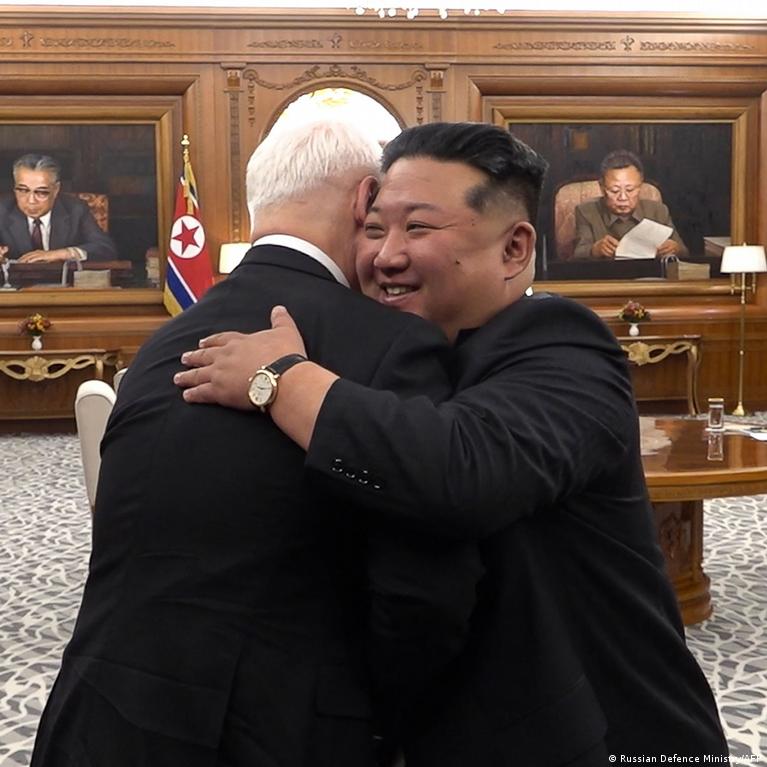
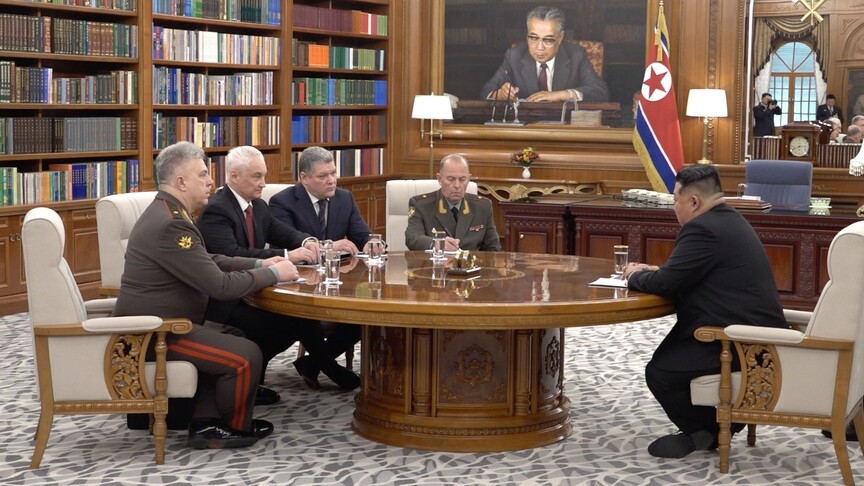
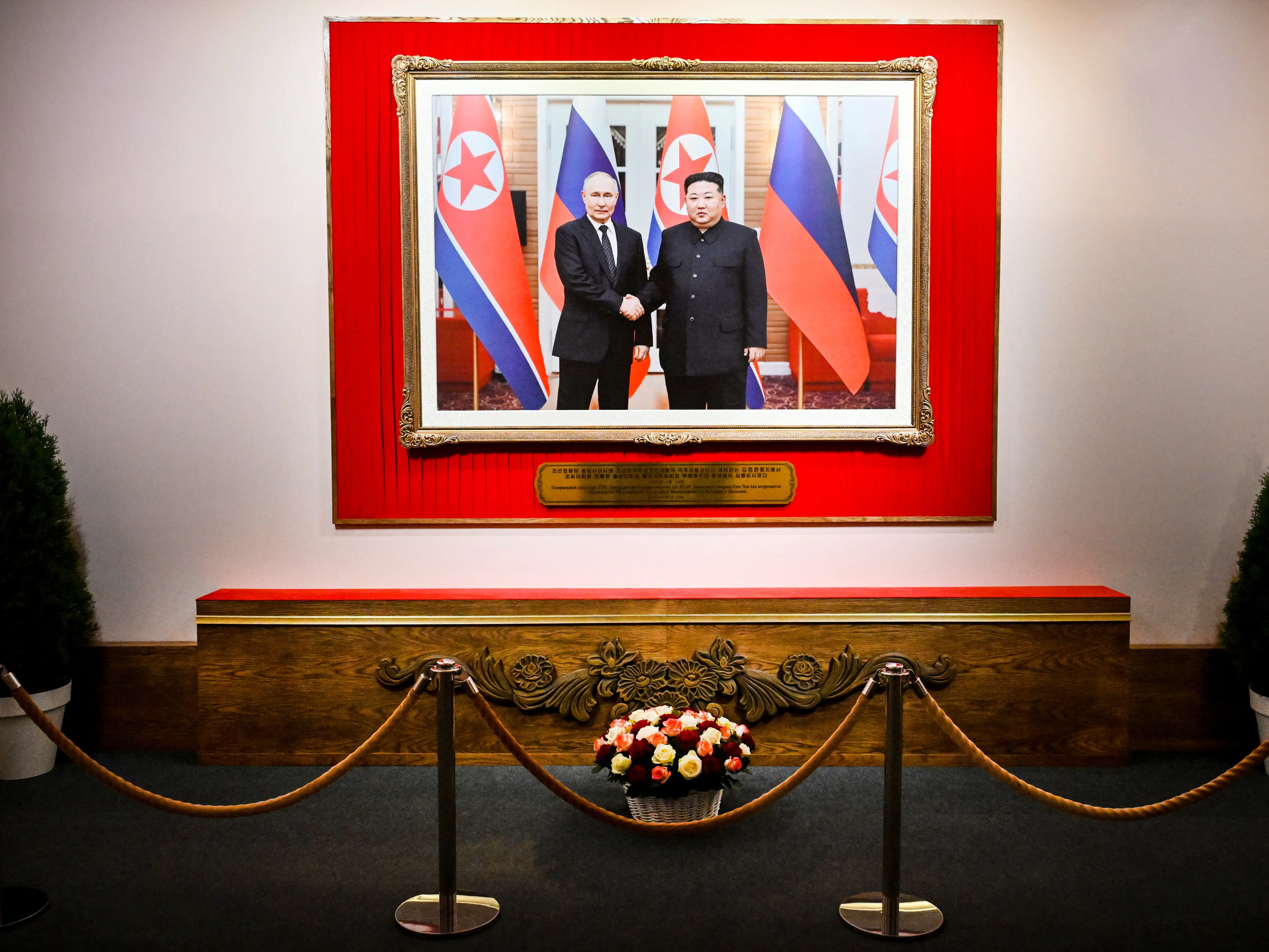
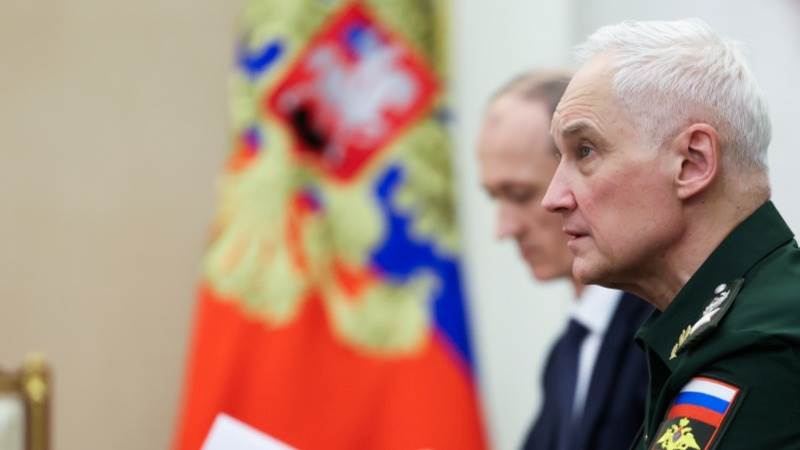
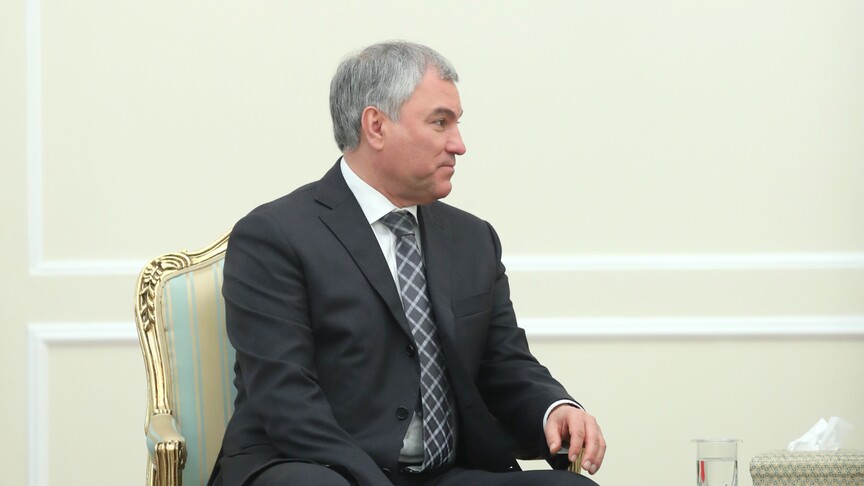
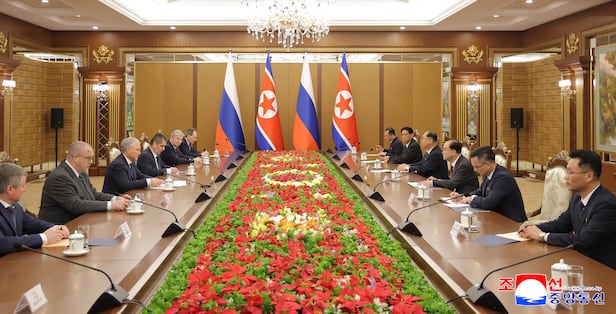
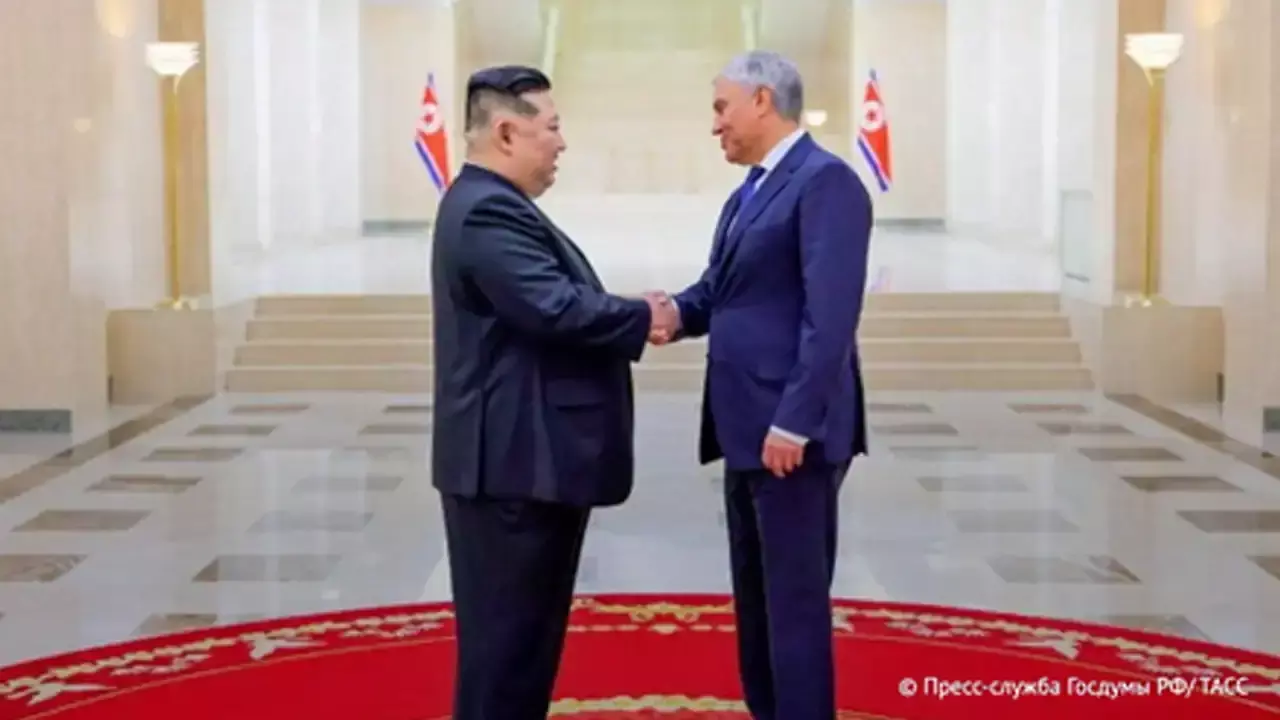
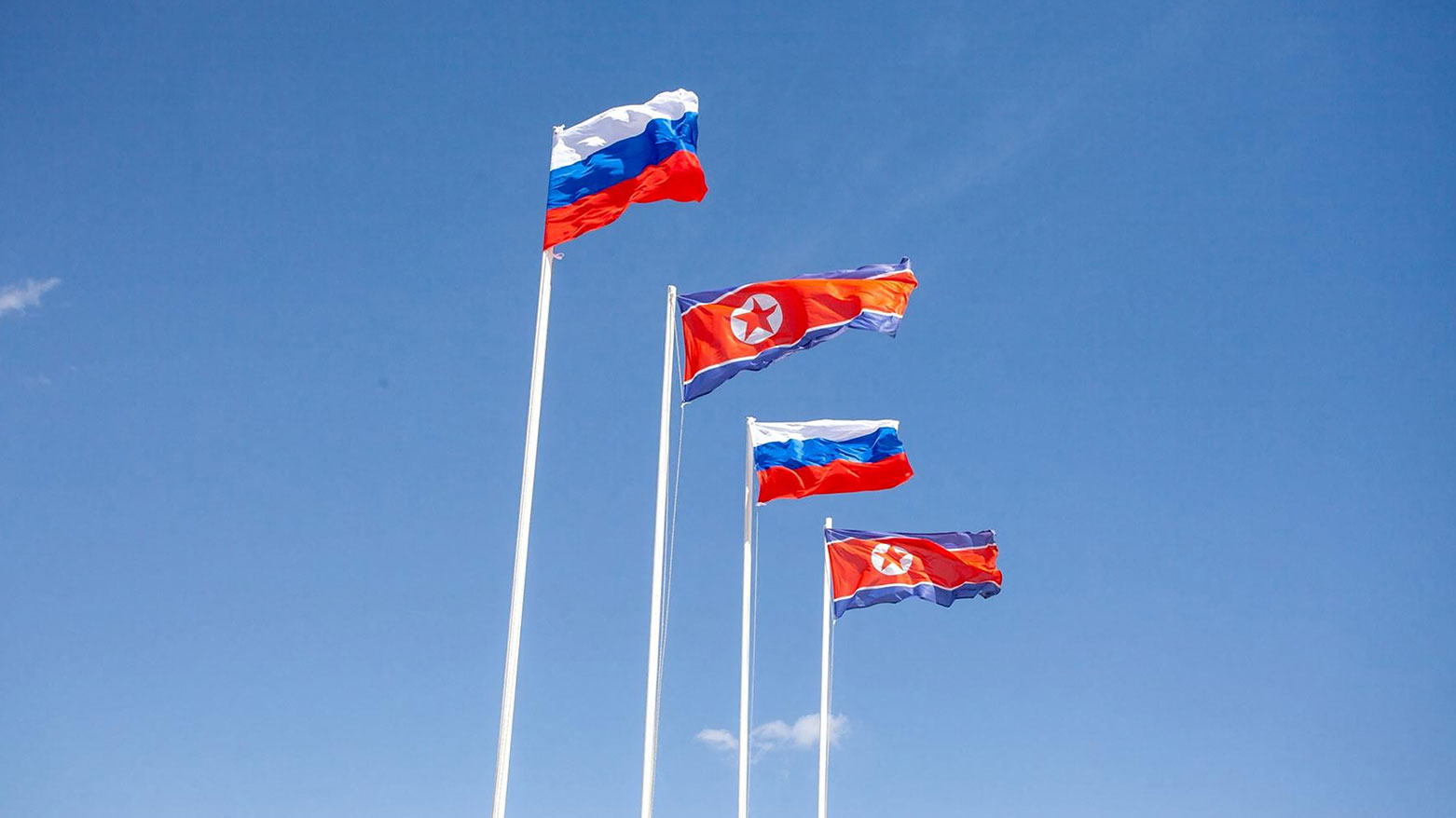
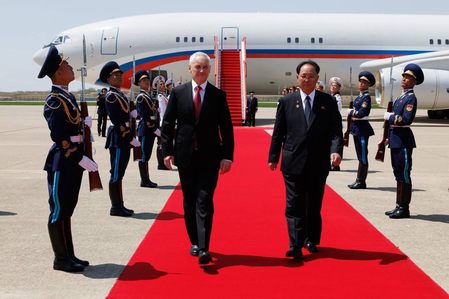
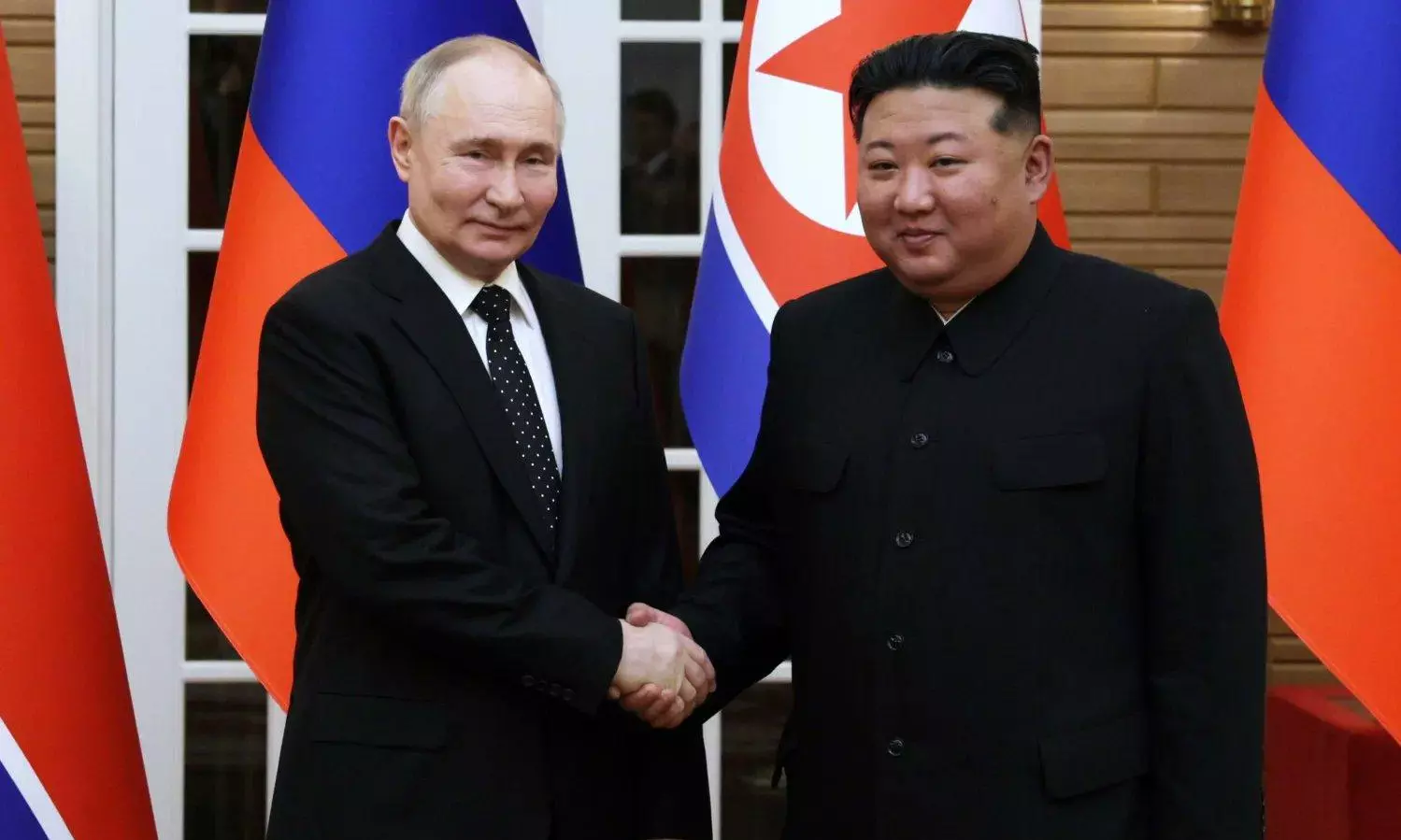
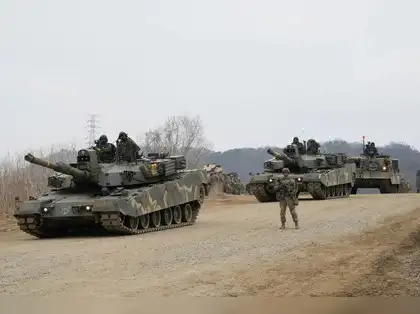
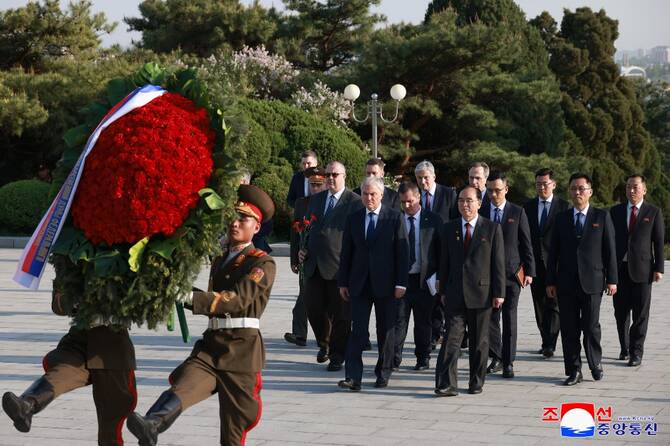
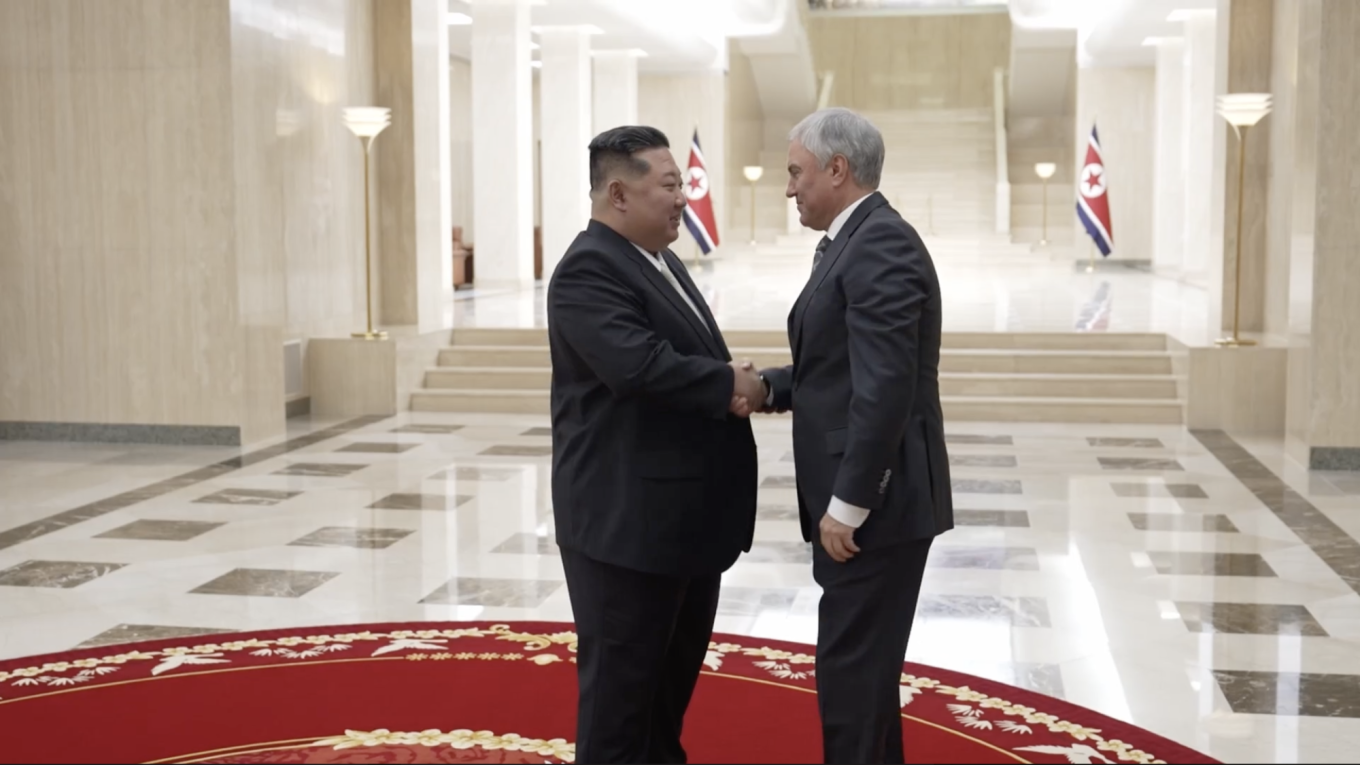
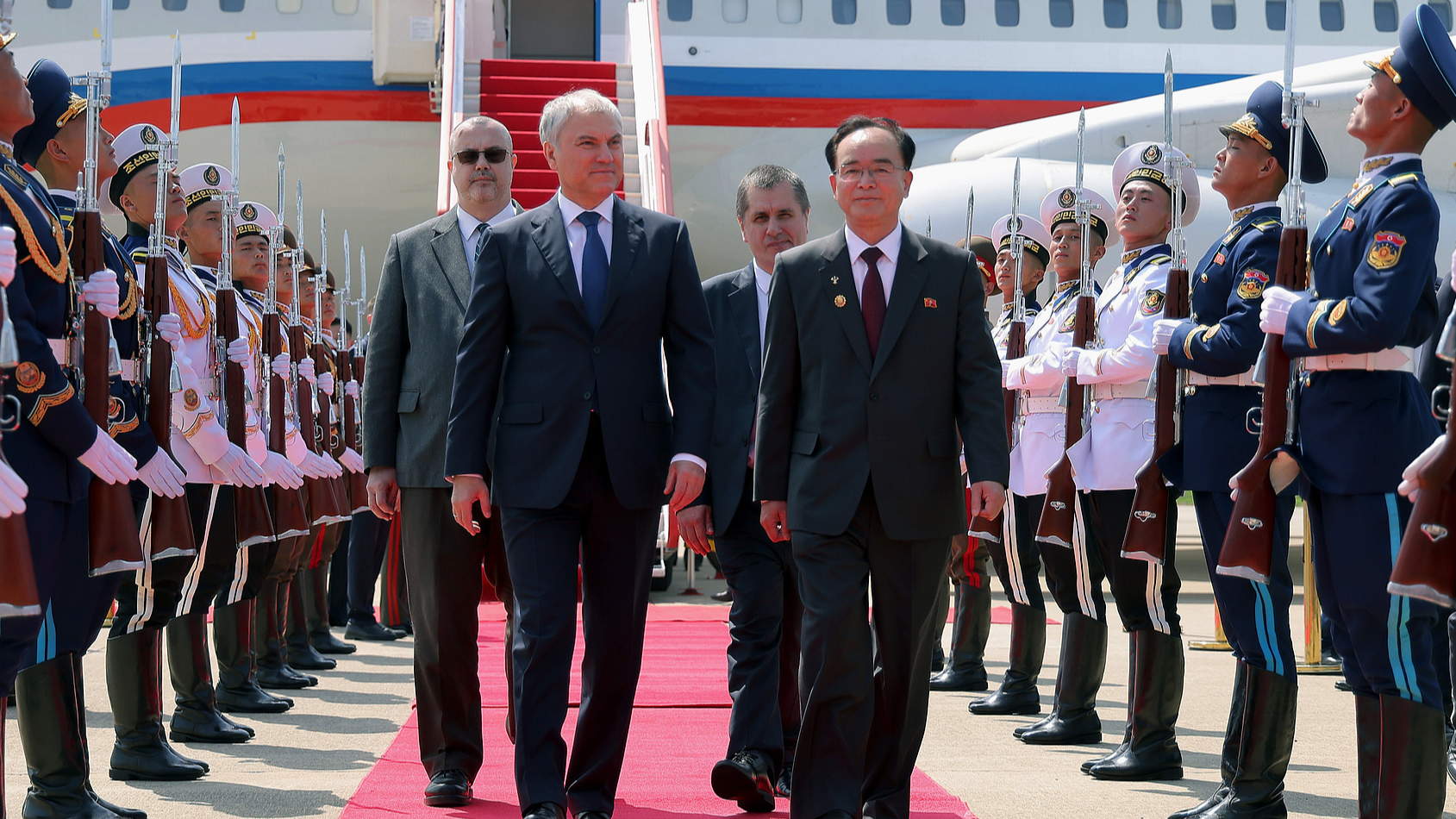
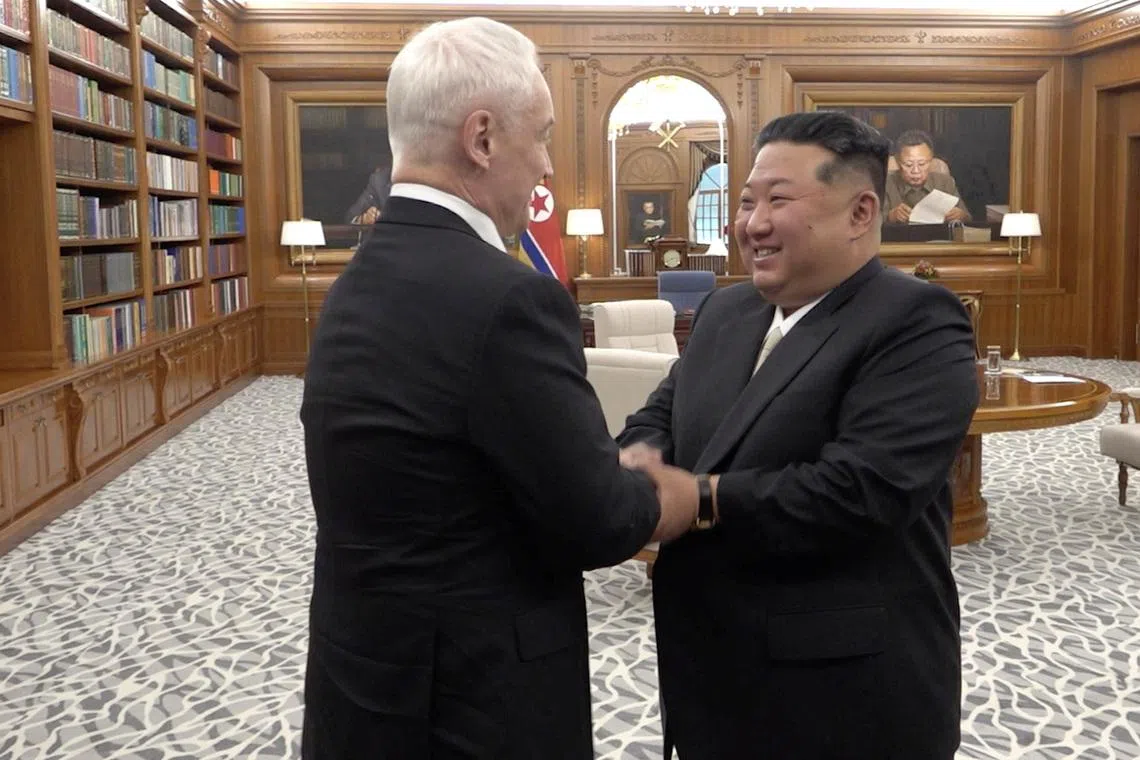
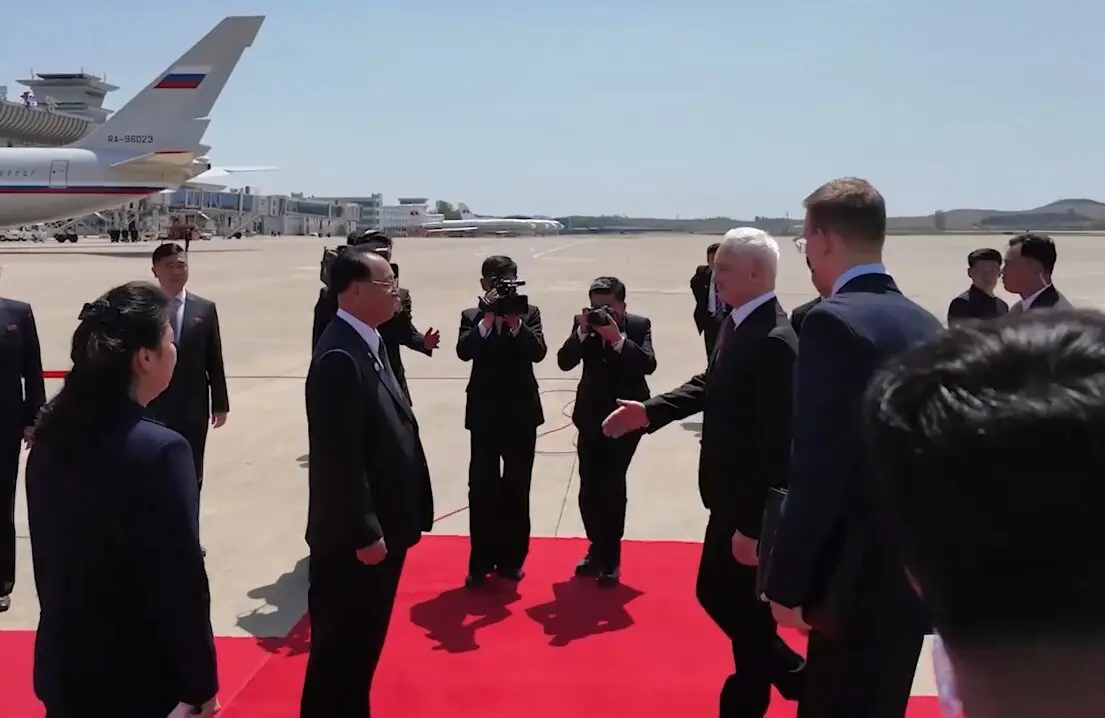
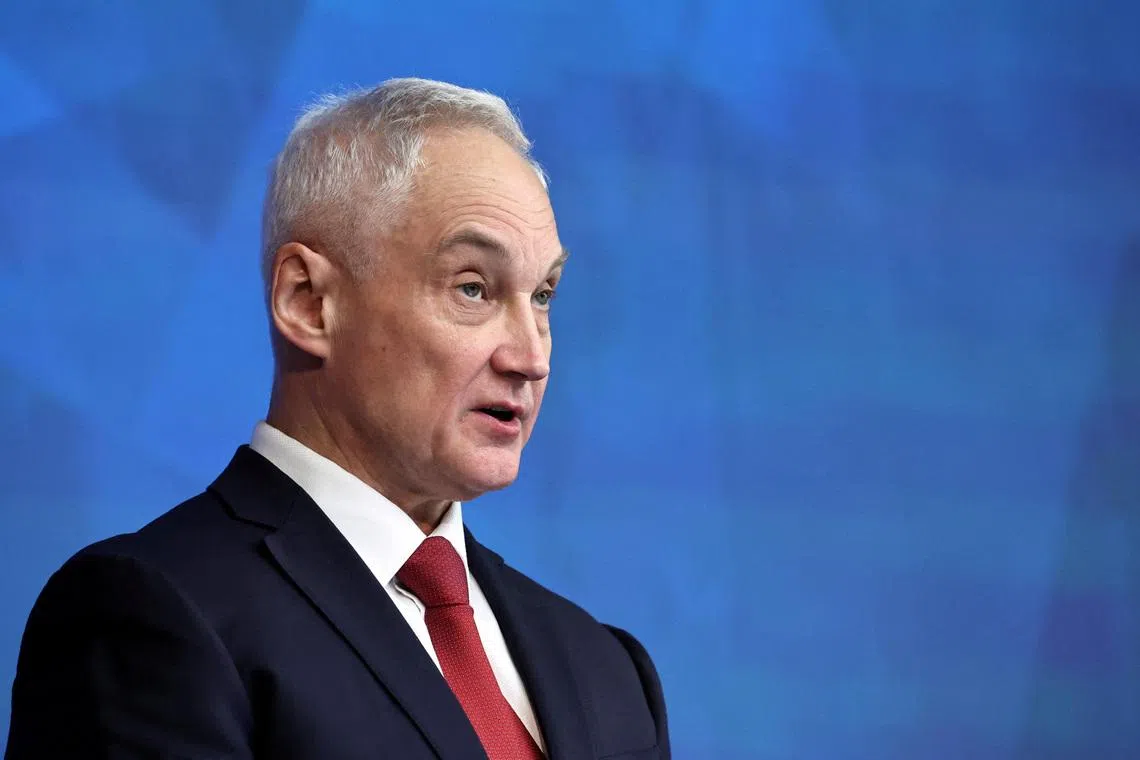
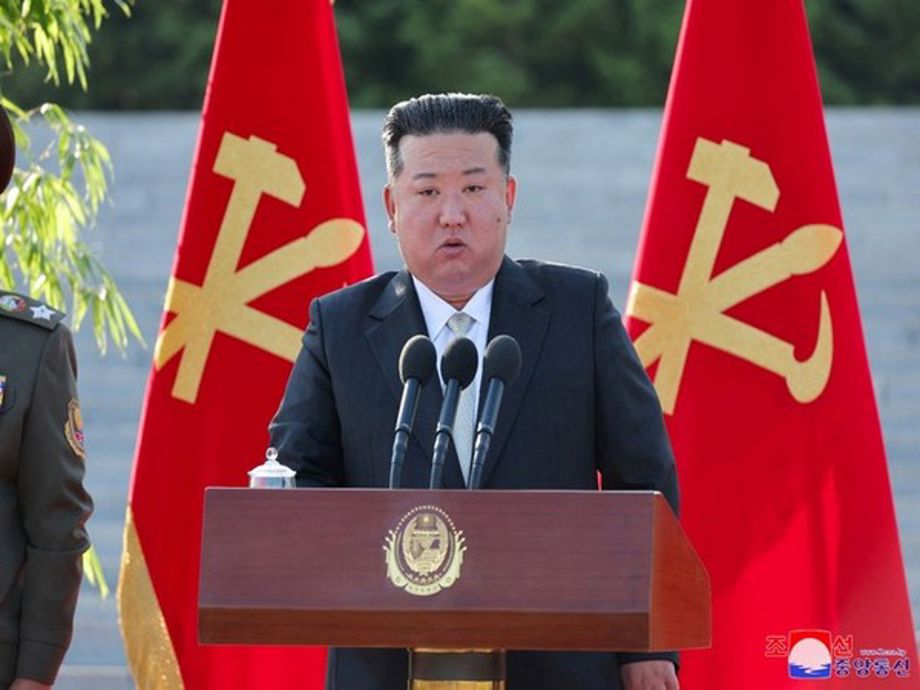
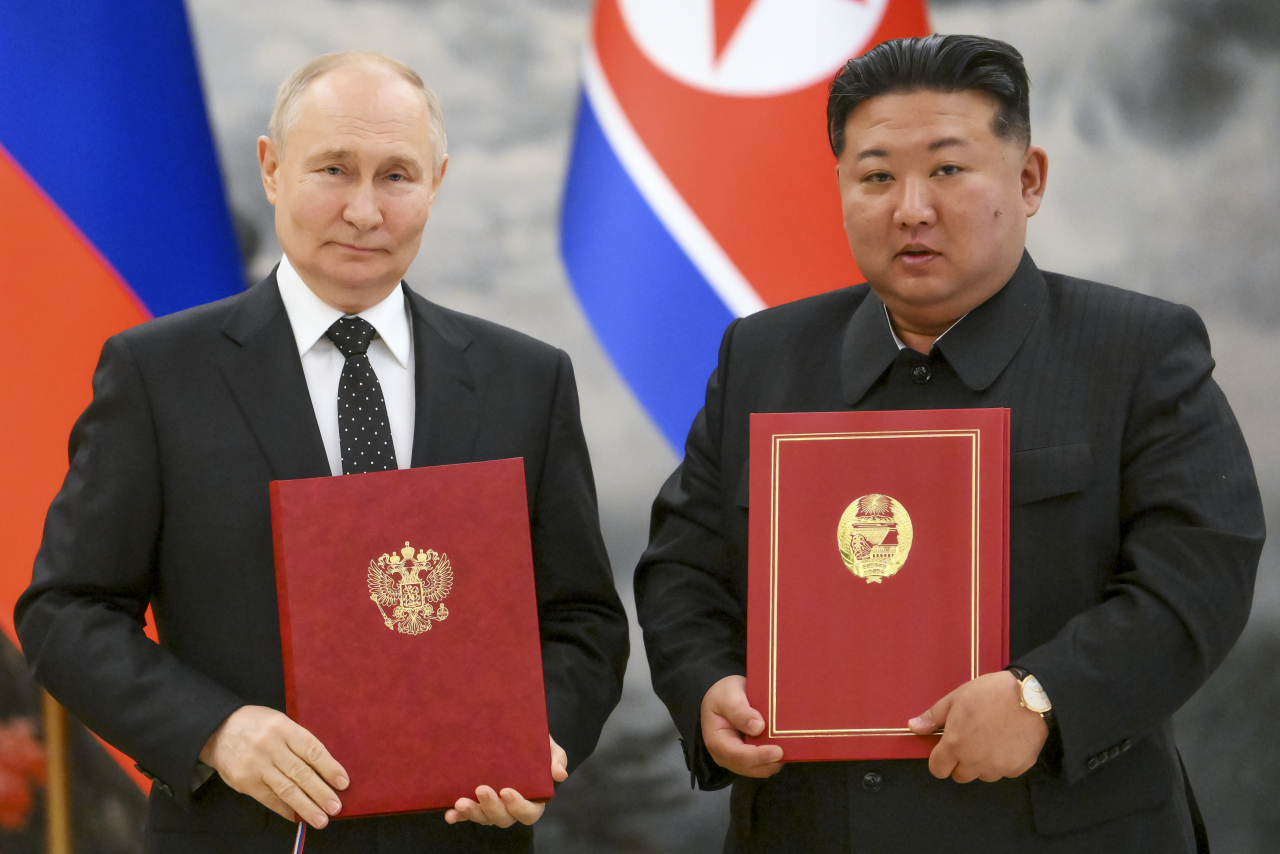
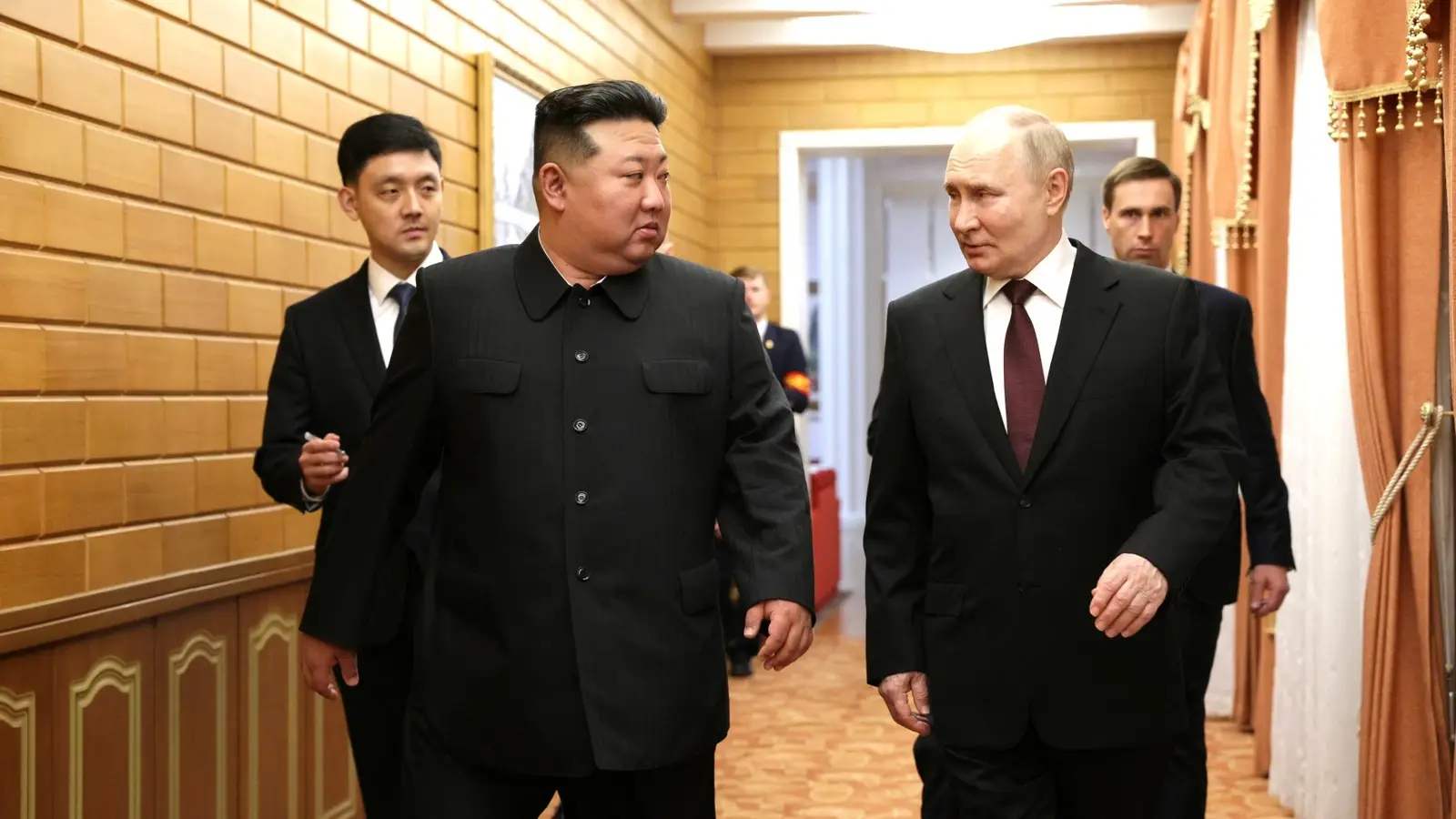
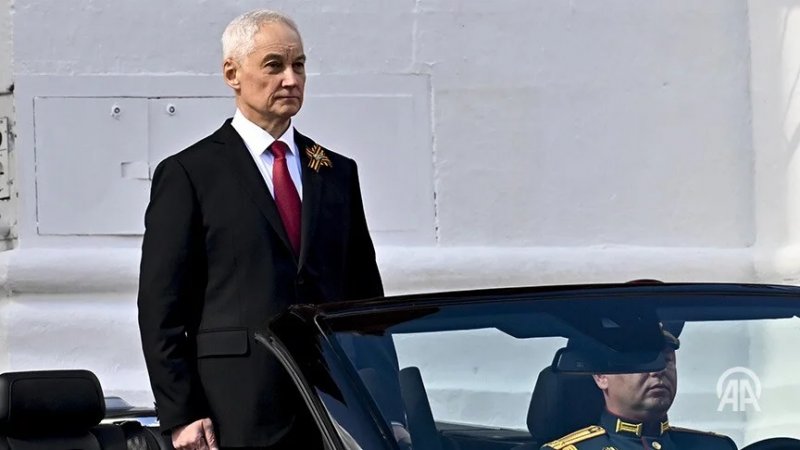
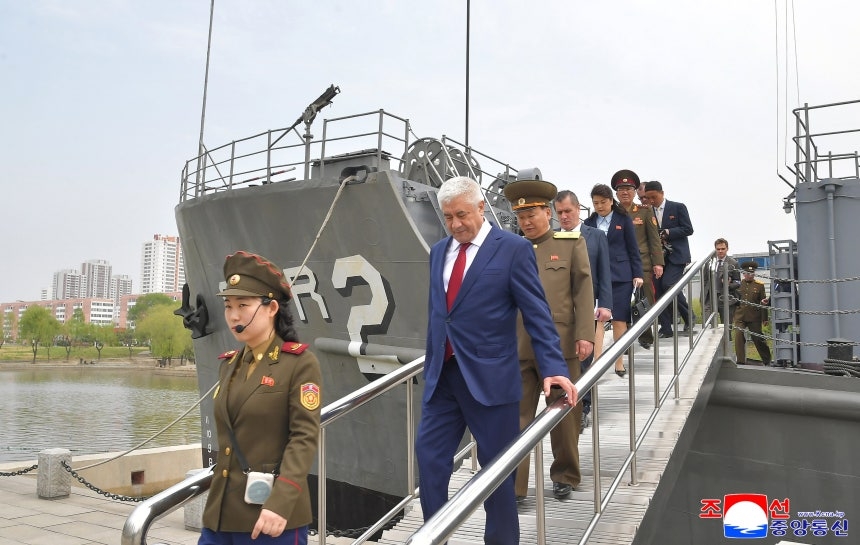
The April 2026 Russia-North Korea military coordination represents a critical escalation in geopolitical tensions with direct implications for cross-border e-commerce sellers. Russian Defense Minister Andrei Belousov's visit to Pyongyang formalized a comprehensive military cooperation agreement extending through 2031, following high-level diplomatic engagements including Russian Parliament Speaker Vyacheslav Volodin's April 26 visit. The alliance involves North Korea deploying approximately 14,000 troops to support Russian operations in Ukraine's Kursk region, with over 6,000 casualties reported, while Russia provides financial aid, military technology, food, and energy resources to circumvent international sanctions. This deepening partnership signals an imminent escalation in Western sanctions regimes targeting both nations.
For cross-border sellers, this geopolitical development creates three critical operational challenges: First, intensified sanctions will likely expand restricted product categories and dual-use technology classifications, increasing compliance complexity for sellers handling electronics, semiconductors, and industrial equipment. Sellers currently shipping to Russia face potential payment processing disruptions as financial institutions tighten sanctions compliance protocols—expect 20-30% longer transaction settlement times and higher verification requirements through platforms like Amazon Pay, Shopify Payments, and PayPal. Second, supply chain disruptions will accelerate as logistics providers reduce operations in affected regions. Shipping costs to Russia and Eastern Europe are projected to increase 15-25% within Q2-Q3 2026, while transit times extend from 14-21 days to 28-35 days due to customs delays and route restrictions. Third, sellers with inventory sourced from or transiting through Russia face immediate exposure—approximately 12-15% of global electronics components flow through Russian logistics hubs, creating potential bottlenecks for sellers in consumer electronics, automotive parts, and industrial categories.
Strategic sourcing shifts are already underway. Sellers previously leveraging Russian manufacturing or logistics networks must accelerate diversification to Vietnam, India, and Southeast Asian suppliers. The 2027-2031 cooperation agreement signals long-term geopolitical instability, making Russia an increasingly unreliable sourcing destination. Sellers should audit supply chain exposure immediately: identify any inventory manufactured in Russia (HS codes 8471-8517 for electronics, 7208-7326 for metals), any logistics routing through Russian ports or airports, and any payment processing dependencies on Russian financial institutions. The window for supply chain repositioning is 60-90 days before sanctions implementation accelerates compliance costs by 30-40%.
Competitive advantage shifts toward sellers with diversified geographic sourcing and multi-currency payment capabilities. Small sellers (under $500K annual revenue) face disproportionate impact as they lack resources to navigate complex sanctions compliance and alternative payment processing. Mid-market sellers ($500K-$5M) should prioritize establishing alternative payment rails through regional processors in EU and Asia-Pacific markets. Large sellers ($5M+) with existing compliance infrastructure can capitalize on market consolidation as smaller competitors exit affected markets. Sellers should monitor OFAC (Office of Foreign Assets Control) updates weekly and maintain compliance documentation for all transactions involving Russian or North Korean entities—penalties for violations reach $250K-$1M per transaction.
Questions 7
Should I continue sourcing from Russia or shift to alternative suppliers?
Immediate diversification is critical. The formalized 2027-2031 cooperation agreement signals long-term geopolitical instability, making Russia an increasingly unreliable sourcing destination. Shipping costs to Russia are projected to increase 15-25% within Q2-Q3 2026, while transit times extend from 14-21 days to 28-35 days. Sellers should allocate 60-90 days for supply chain repositioning before sanctions implementation accelerates compliance costs by 30-40%. Vietnam, India, and Southeast Asian suppliers offer comparable pricing (within 5-8% of Russian costs) with significantly lower geopolitical risk. For electronics and industrial products, Vietnam's manufacturing capacity has grown 35% annually since 2023, making it a viable alternative. Conduct supplier audits immediately and establish backup sourcing relationships in lower-risk regions.
What product categories face the highest sanctions compliance risk?
Electronics (HS codes 8471-8517), semiconductors (HS 8542), industrial machinery (HS 8479-8483), and optical/precision instruments (HS 9001-9033) face the highest compliance scrutiny due to dual-use technology classifications. The Russia-North Korea alliance specifically involves military technology transfers, making any products with potential military applications subject to enhanced export controls. Sellers in these categories should expect OFAC compliance documentation requirements to increase 40-50% within Q2 2026. Additionally, food products (HS 0201-2106) and energy-related equipment face restrictions due to Russia's sanctions evasion through North Korean channels. Review your product listings against the Commerce Department's Entity List and OFAC Specially Designated Nationals (SDN) list immediately—violations carry penalties of $250K-$1M per transaction.