






Strait of Hormuz Blockade Triggers 15-25% Shipping Cost Surge for Cross-Border Sellers
- Iran closes critical waterway handling 20% of global oil; fuel surcharges spike, air freight cancellations rise 2%, logistics costs increase $200-500/month for FBA sellers

























Overview
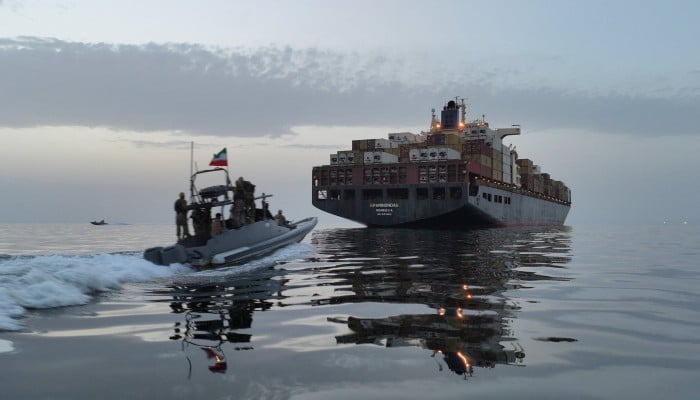
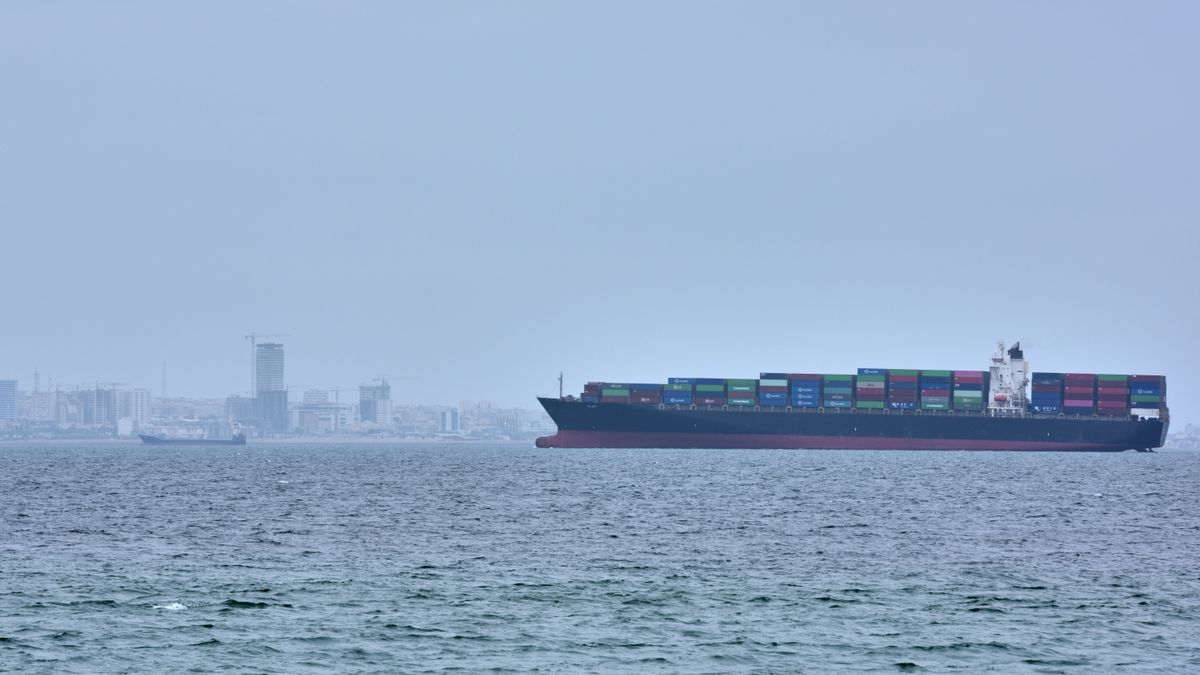
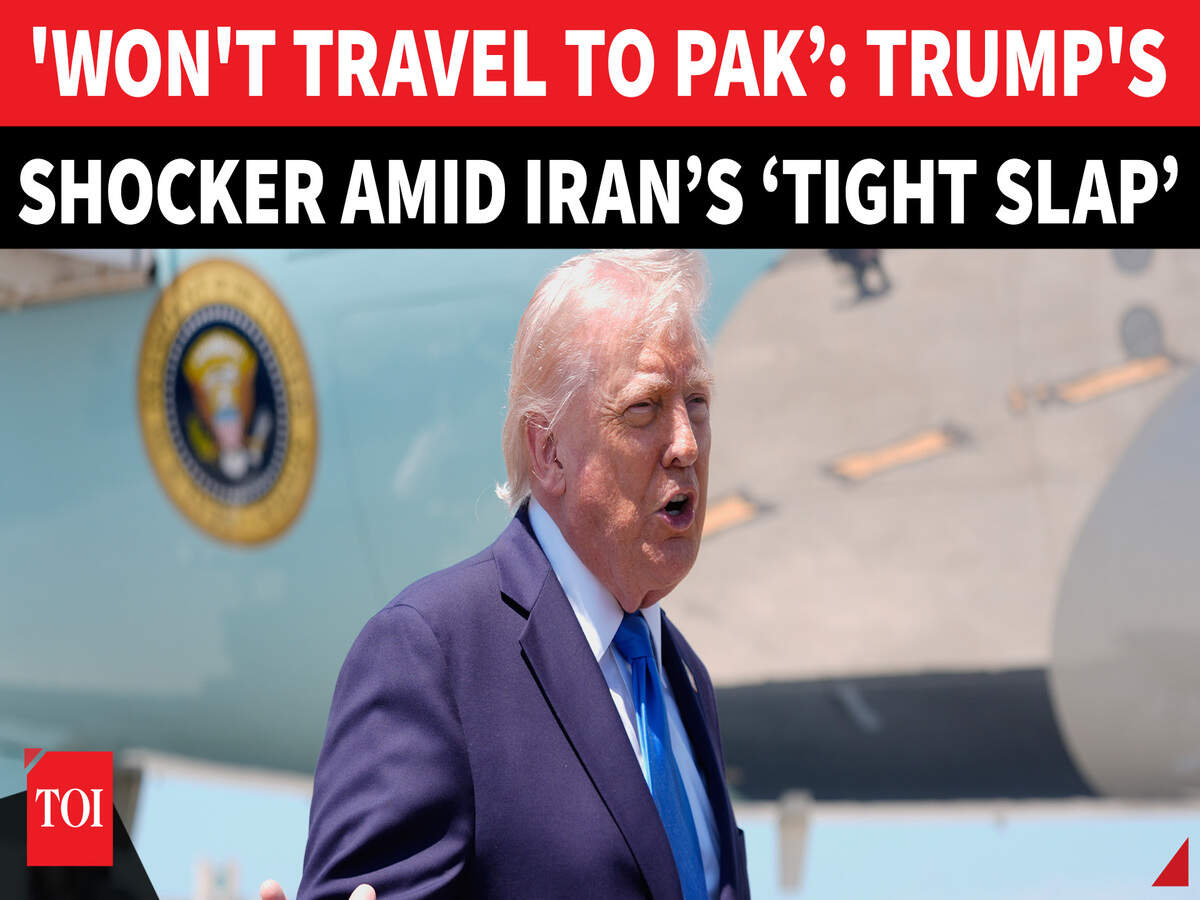
The Strait of Hormuz blockade initiated by Iran in late February 2026 represents the most significant supply chain disruption for cross-border e-commerce sellers since the 2021 Suez Canal incident. Iran's Foreign Minister Abbas Araghchi's failed diplomatic mission to Pakistan—following Trump's cancellation of envoy visits—signals hardened positions on both sides, with no near-term resolution expected. The waterway, through which approximately 20% of global crude oil and LNG shipments normally transit, now experiences severely curtailed vessel traffic according to MarineTraffic data, with only minimal cargo movements recorded. This geopolitical escalation directly impacts three critical seller cost structures: ocean freight fuel surcharges (estimated 15-25% increase), air freight capacity constraints (Transavia airline canceled 2% of flights May-June 2026 due to elevated jet fuel prices), and warehousing/fulfillment center operational costs tied to energy prices.
For Amazon FBA sellers, the operational impact is immediate and quantifiable. Sellers shipping 1,000+ units monthly from Asia-Pacific to US/EU fulfillment centers face additional monthly costs of $200-500 depending on product weight and category. Electronics, appliances, and heavy goods categories (HS codes 8471-8544, 8501-8537) experience the highest impact due to volumetric shipping calculations. The nine-week internet blackout imposed by Iran simultaneously blocks business operations for sellers with Iranian suppliers or customers, eliminating a market of 88+ million consumers and disrupting sourcing from Iranian manufacturers in textile, carpet, and petrochemical sectors. Sellers relying on Pakistani suppliers—a critical sourcing hub for apparel, footwear, and home goods—face payment processing delays and customs clearance uncertainties as Pakistan's mediation efforts remain stalled.
Strategic sourcing country shifts are accelerating as sellers hedge against Hormuz-dependent supply chains. Vietnam, India, and Indonesia are experiencing increased inbound investment from sellers seeking to reduce Middle East transit dependencies. Sellers can exploit tariff arbitrage opportunities by shifting sourcing from Iran-adjacent suppliers to ASEAN nations, where tariff rates on electronics (HS 8471) average 5-8% versus 12-15% for goods transiting through disrupted corridors. The timing window for this repositioning is critical: sellers who establish alternative sourcing by Q2 2026 will lock in competitive advantages before competitors recognize the opportunity. Compliance shortcuts include leveraging bonded warehouse operations in Singapore and Dubai to temporarily store inventory while diplomatic negotiations continue, avoiding immediate tariff exposure while maintaining supply chain flexibility.
Questions 7
How much will my FBA shipping costs increase due to the Strait of Hormuz blockade?
Amazon FBA sellers shipping from Asia-Pacific can expect 15-25% increases in ocean freight costs and 8-12% increases in air freight costs through Q3 2026. For a seller shipping 2,000 units monthly (average 5kg per unit), this translates to $250-400 additional monthly costs. Transavia airline's 2% flight cancellation in May-June 2026 signals broader air freight capacity constraints. Sellers should immediately audit their 3PL provider contracts for fuel surcharge clauses and negotiate fixed-rate agreements before Q2 2026 to lock in current pricing.
What product categories face the highest shipping cost impact?
Heavy goods and electronics experience maximum impact due to volumetric shipping calculations. Electronics (HS 8471-8544), appliances (HS 8501-8537), furniture (HS 9401-9406), and machinery (HS 8401-8450) face 20-25% cost increases. Lightweight, high-value items like jewelry, watches, and apparel see 8-12% increases. Sellers in heavy categories should consider consolidating shipments to reduce frequency, implementing dynamic pricing to pass 40-60% of cost increases to consumers, and exploring nearshoring to Mexico/Central America for US-bound inventory to bypass Hormuz transit entirely.