

Ukraine's Nuclear Crisis Reshapes Energy Supply Chain | Critical Implications for Global Sellers
- 155 substation attacks threaten 70-80% of Ukraine's electricity; supply chain disruptions affect 50K+ sellers sourcing from Eastern Europe












Overview
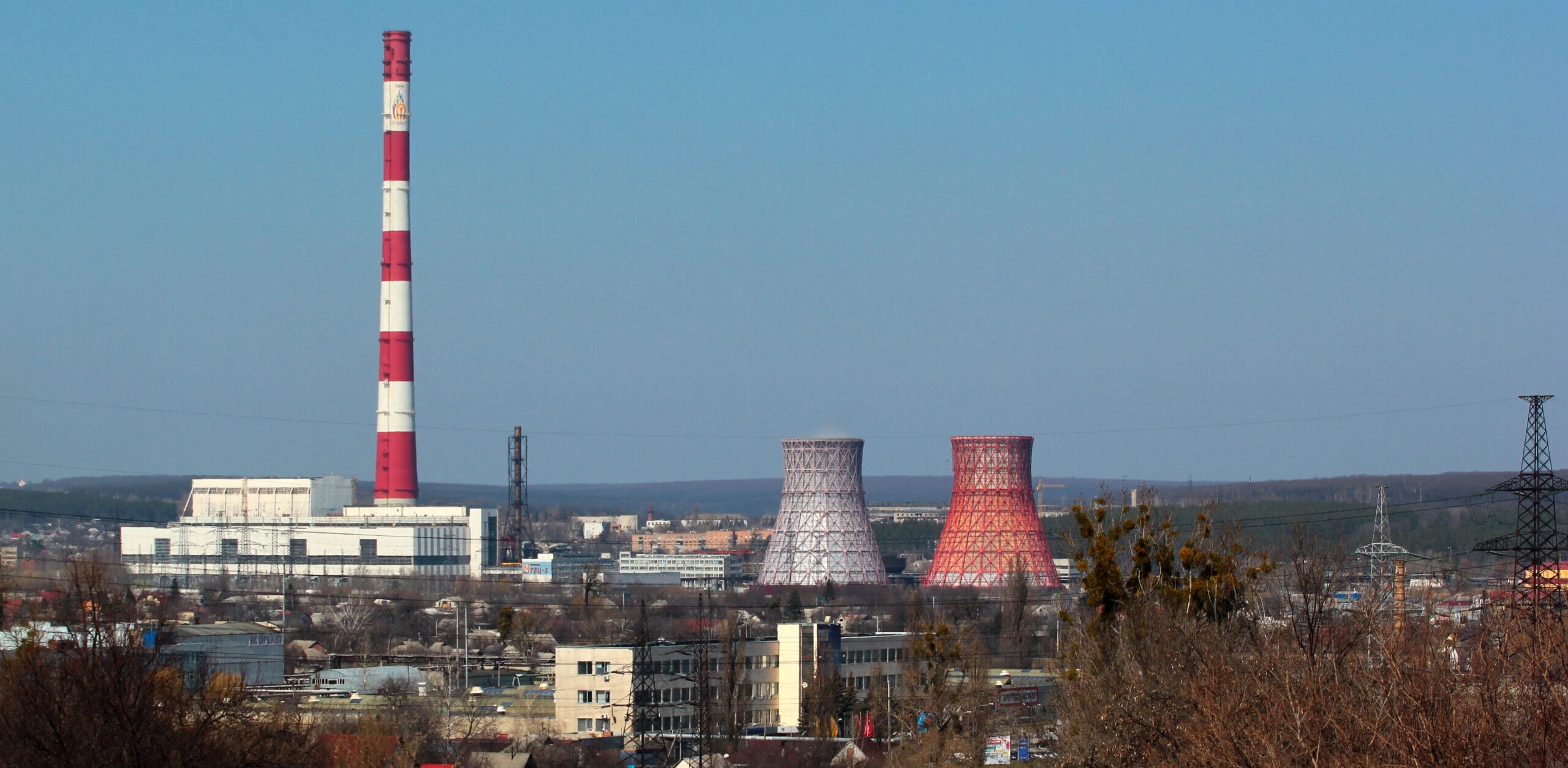
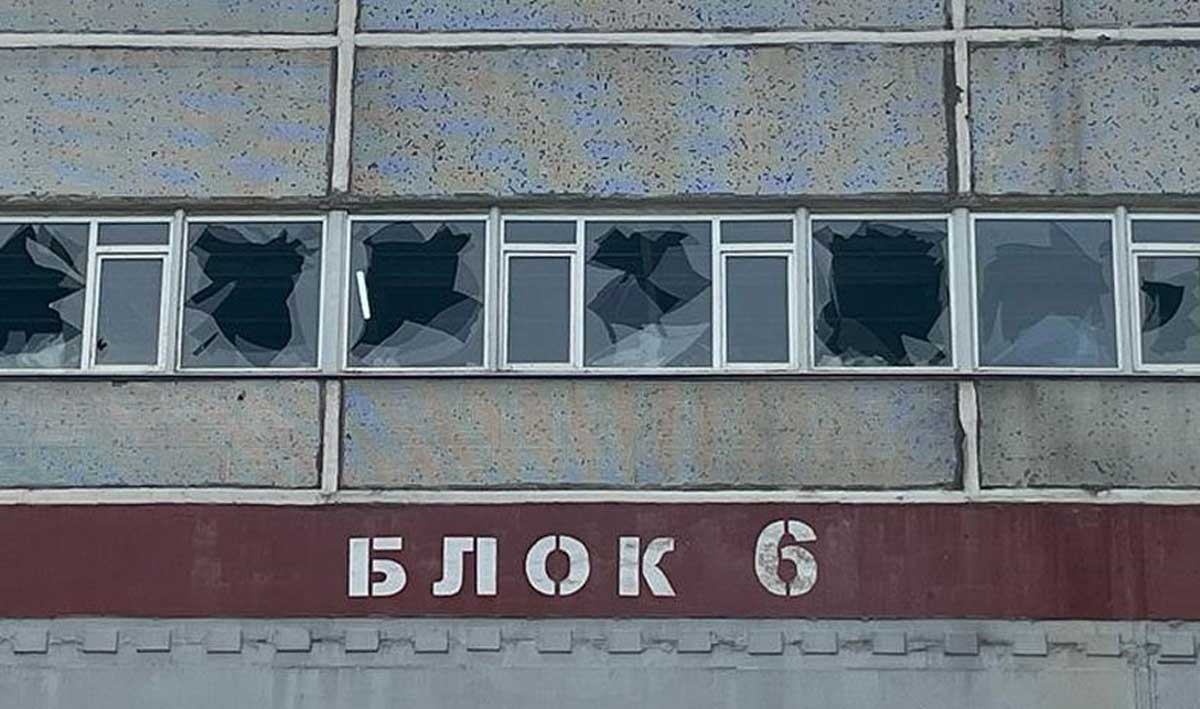
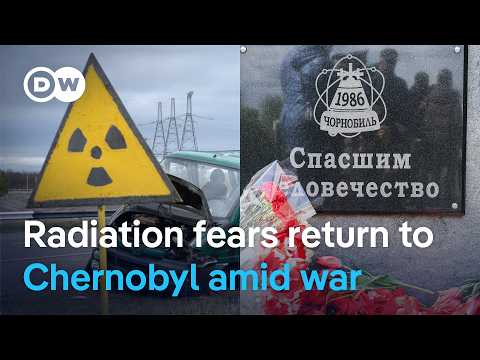
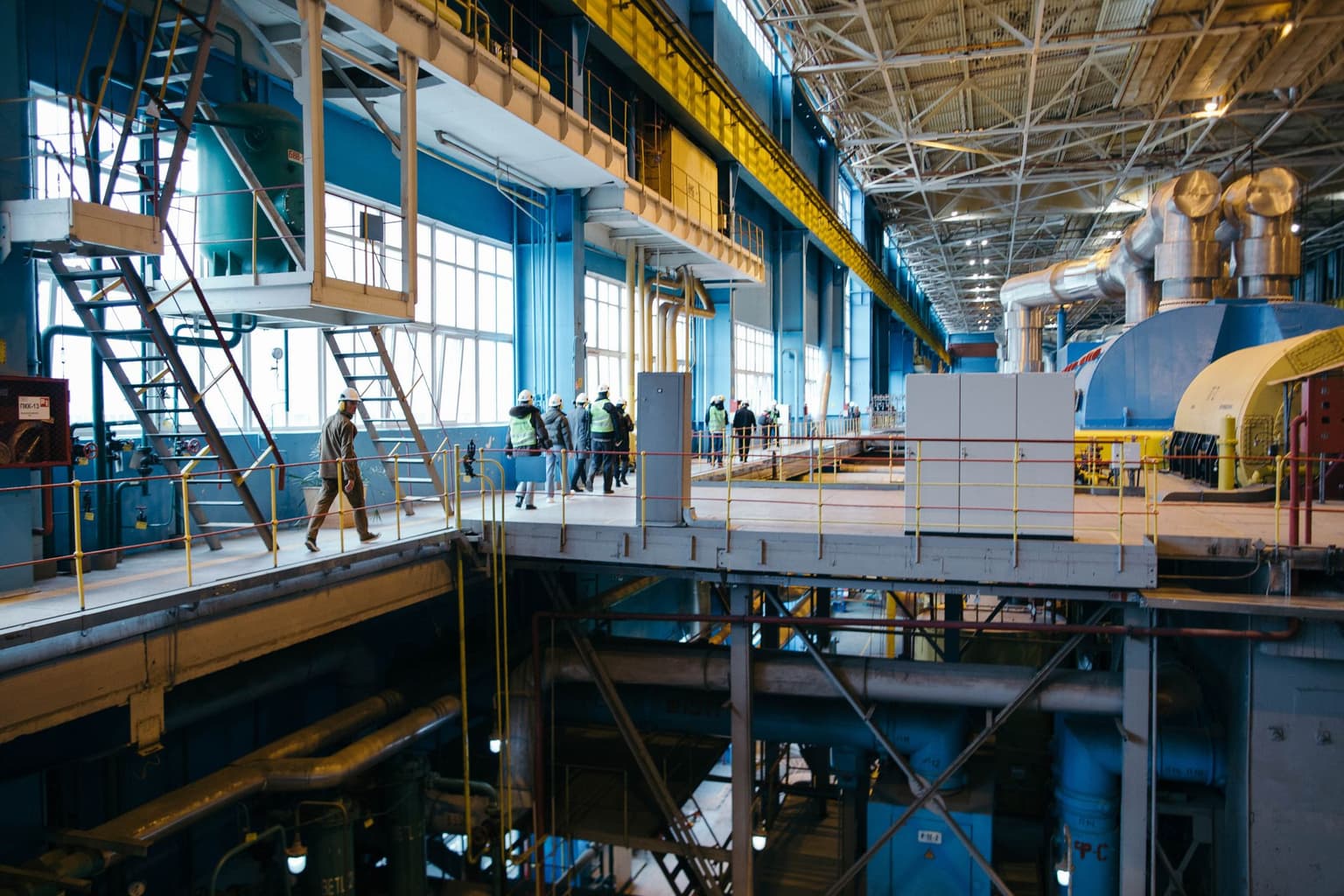
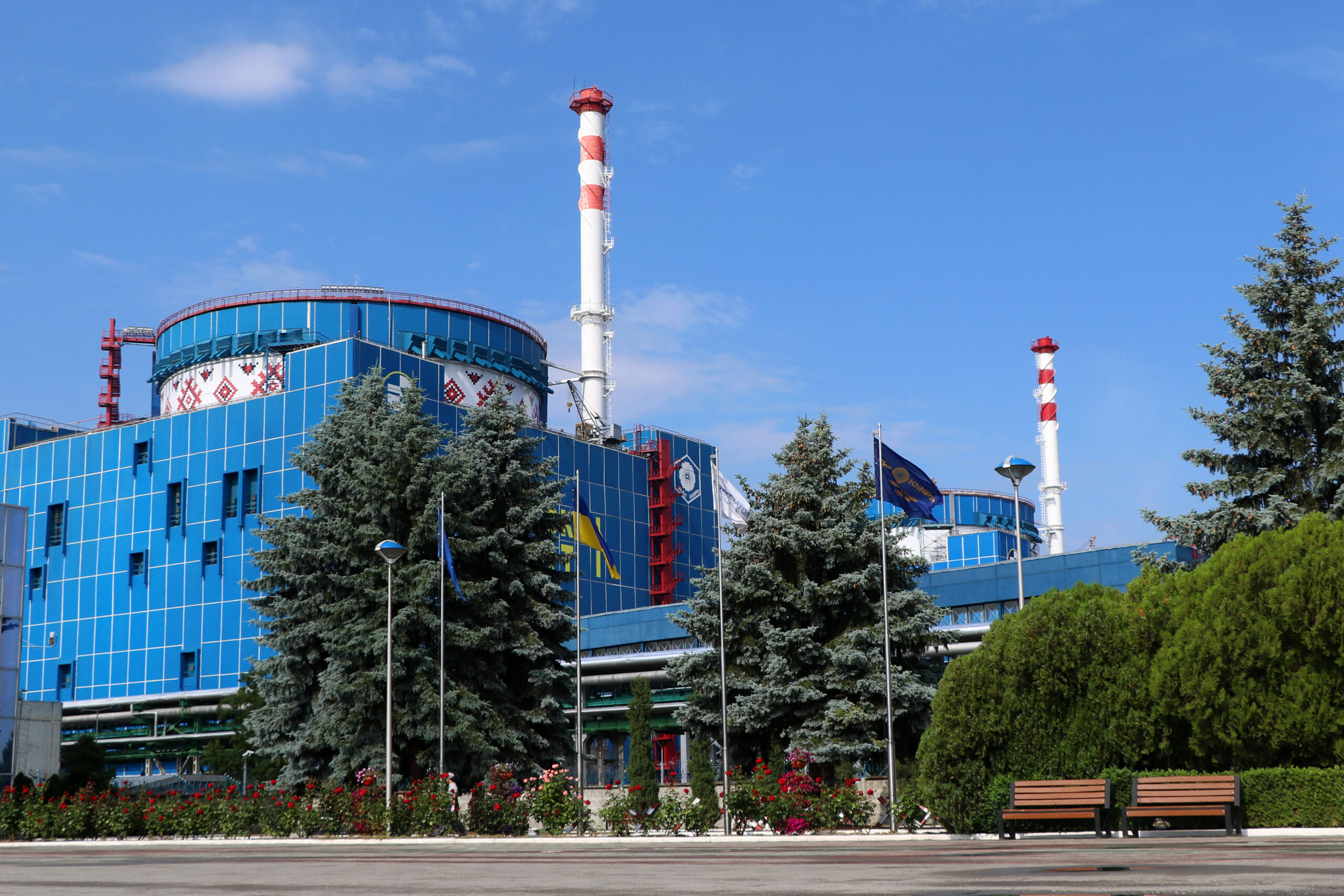
Ukraine's nuclear infrastructure faces unprecedented wartime threats that directly impact global supply chains and e-commerce operations. Russia has conducted 155 documented attacks on substations critical to nuclear power plant operations since February 2022, with 127 total compromises to nuclear safety including 25 direct strikes on plants and 23 power line cuts. The Zaporizhzhia Nuclear Power Plant—Europe's largest facility representing 43% of Ukraine's installed nuclear capacity—remains offline since 2022, forcing Ukraine's three operational plants (Rivne, South Ukraine, Khmelnytskyi) to generate 70-80% of the nation's electricity, up from 50% pre-invasion. This concentration creates catastrophic vulnerability: approximately 10 gigawatts of generating capacity was destroyed or damaged in 2024 alone, representing over half of Ukraine's 18-gigawatt consumption.
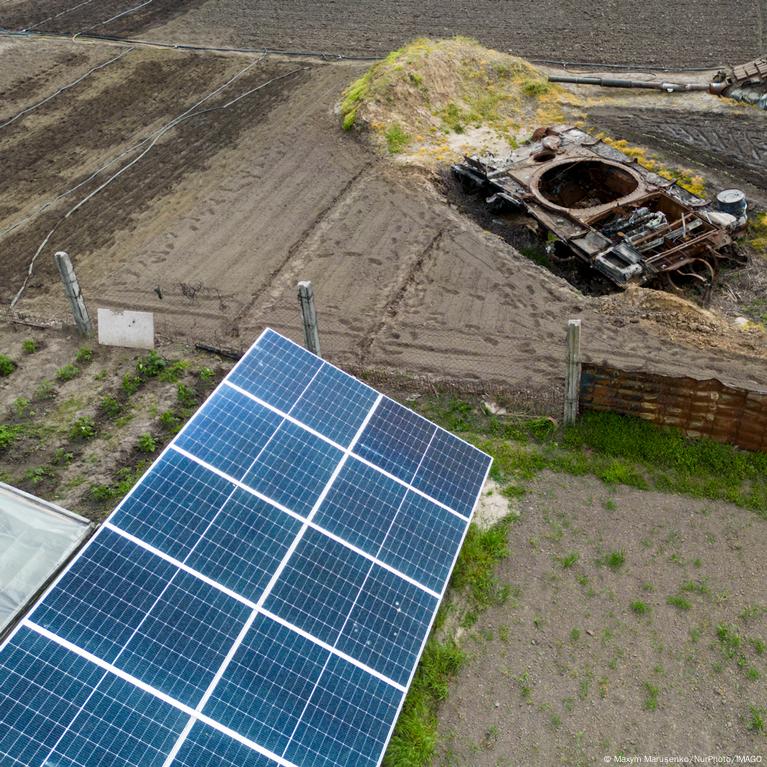
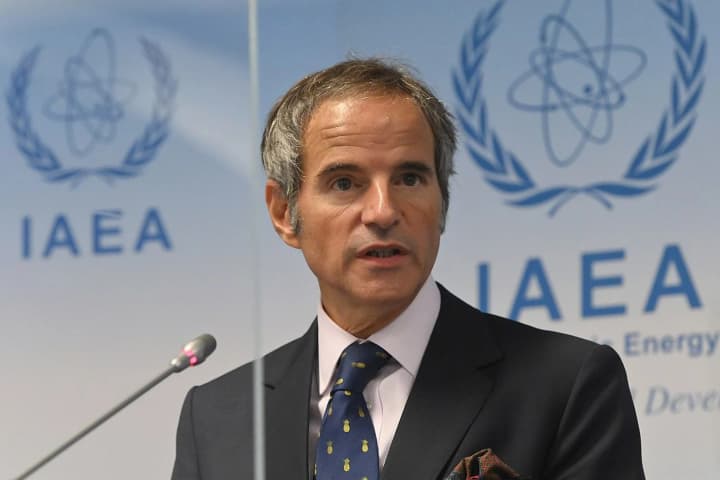
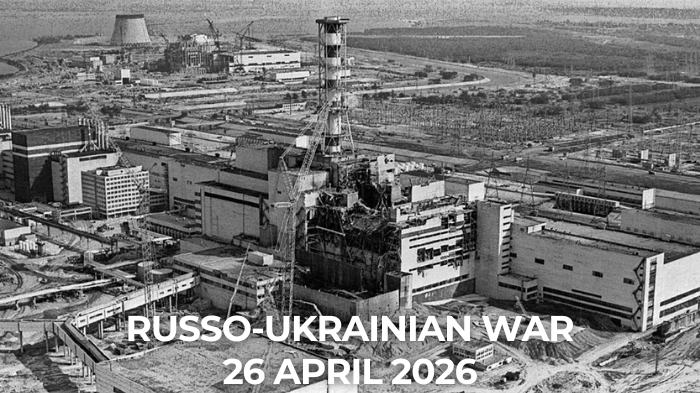
For cross-border e-commerce sellers, this crisis creates immediate supply chain risks. Ukraine supplies critical components to European and global manufacturers across electronics, machinery, chemicals, and agricultural sectors. The Chornobyl New Safe Confinement requires €500 million in repairs by 2030 after suffering a 15-meter-wide hole from Russian drone strikes, while labor shortages and ongoing conflict complicate restoration. Sellers sourcing from Ukrainian suppliers face 30-60% longer lead times, potential 15-25% cost increases due to energy surcharges, and logistics disruptions in affected regions. The European Bank for Reconstruction and Development coordinates international funding, but reconstruction timelines remain uncertain. Energoatom's transition from Russian to American fuel (completed at Rivne in 2023) and Westinghouse's planned fuel assembly plant in Ukraine signal long-term stabilization efforts, yet near-term volatility persists. Energy expert analysis indicates that decentralized renewable solutions (90 solar systems deployed across Ukraine) provide partial resilience but cannot replace baseload nuclear capacity. Sellers must diversify supplier bases, implement 60-90 day inventory buffers for Ukrainian-sourced goods, and monitor IAEA safety assessments as indicators of infrastructure stability. The International Atomic Energy Agency has declared this "the world's biggest threat to nuclear safety," elevating geopolitical risk for any business dependent on Eastern European supply chains.
Questions 8
What is the timeline for Ukraine's nuclear infrastructure recovery?
Recovery timelines remain uncertain due to ongoing conflict and labor shortages. The Chornobyl New Safe Confinement requires €500 million in repairs by 2030 after suffering severe drone strike damage, while the Zaporizhzhia facility (43% of Ukraine's nuclear capacity) remains offline since 2022 occupation. The European Bank for Reconstruction and Development coordinates international funding, but reconstruction depends on military situation stabilization. Sellers should plan for 2-3 year supply chain volatility and consider long-term supplier diversification rather than expecting near-term normalization.
How does Ukraine's nuclear crisis affect sellers sourcing from Eastern Europe?
Ukraine's 70-80% dependence on nuclear electricity creates severe supply chain vulnerability for sellers sourcing components, machinery, and chemicals from Ukrainian suppliers. With 155 documented attacks on critical substations since 2022 and 10 gigawatts of capacity destroyed in 2024 alone, manufacturers face 30-60% longer lead times and 15-25% cost increases due to energy surcharges. Sellers should implement 60-90 day inventory buffers for Ukrainian-sourced goods and diversify supplier bases across Poland, Czech Republic, and Western Europe to mitigate disruption risk. Monitor IAEA safety assessments as leading indicators of infrastructure stability.