






Trump Tariff Volatility Reshapes E-Commerce Supply Chains | 145% China Tariffs Force Seller Inventory Overhaul
- Tariff swings from 0% to 145% on Chinese goods create 6-9% margin compression for importers; S&P 500 volatility driven by policy announcements rather than earnings fundamentals




















Overview
Policy-Driven Market Volatility Becomes Primary Risk Factor for Cross-Border E-Commerce Sellers
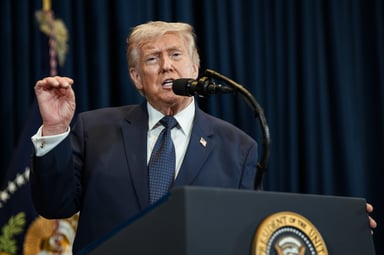
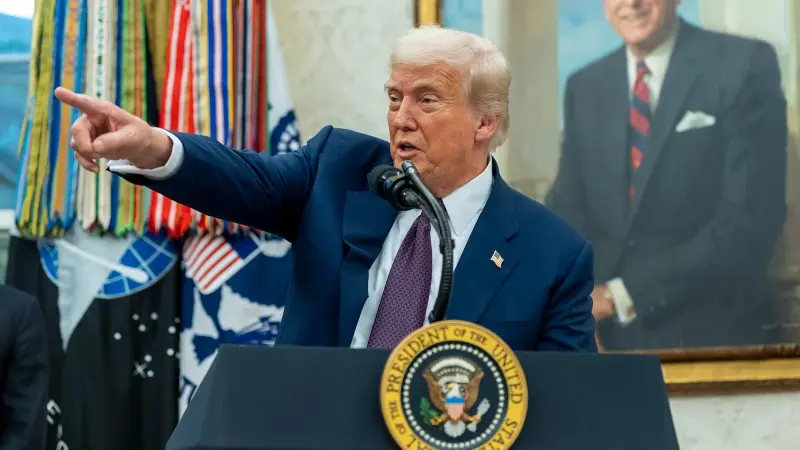
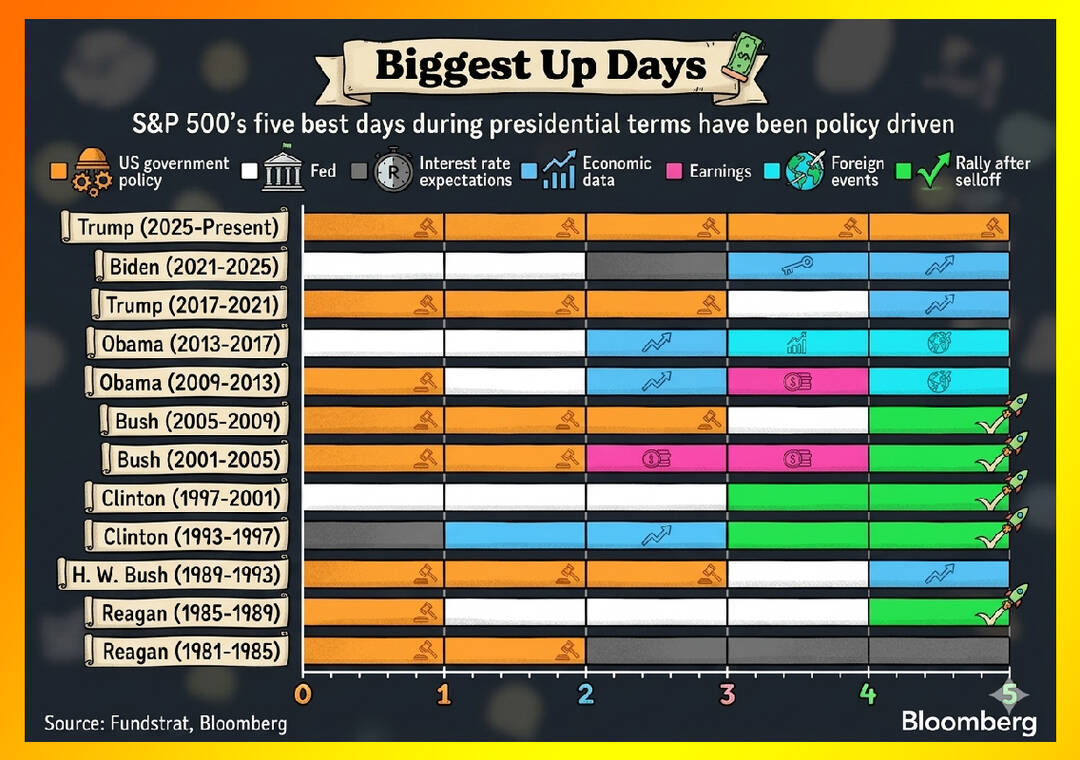
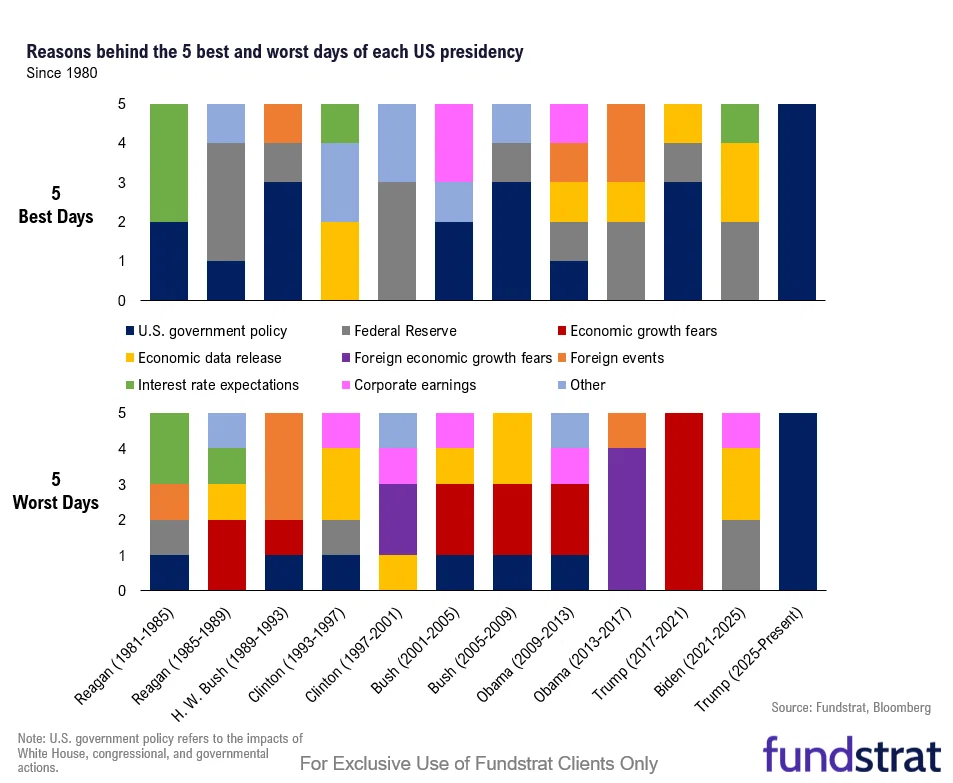
The Trump administration's unpredictable tariff policy has fundamentally altered market dynamics, with individual Truth Social posts now capable of swinging stock prices 5% in either direction—directly impacting e-commerce supply chains and capital access. According to Fundstrat analysis, the S&P 500 would be down 2.7% rather than up 19% without five policy-driven rally days, indicating that traditional market drivers like corporate earnings have been displaced by political announcements. For cross-border sellers, this represents an unprecedented operational challenge: tariff rates on Chinese goods have fluctuated from 0% (April 9, 2025 pause) to 145% (April 10, 2025 increase), creating inventory planning nightmares and margin compression of 6-9% for sellers dependent on Chinese manufacturing.
Tariff Volatility Creates Dual Supply Chain Pressures for Importers
The most acute impact affects sellers importing from China, who face three simultaneous challenges: (1) Inventory Timing Risk: A 90-day tariff truce announced May 12, 2025 (3.3% market rally) can evaporate within 24 hours, leaving pre-positioned inventory subject to retroactive tariff increases. Sellers who accelerated imports during the truce window faced 145% tariffs on April 10, 2025 (3.5% market decline), effectively wiping out 8-12 months of profit margins on affected SKUs. (2) Capital Access Constraints: Market volatility driven by policy uncertainty reduces lending availability and increases borrowing costs for inventory financing. JPMorgan Asset Management data shows that companies like Tesla, Boeing, and Pfizer experience 5% daily swings based on Trump policy signals, making venture capital and trade credit more expensive for smaller e-commerce operators. (3) Pricing Strategy Paralysis: Sellers cannot establish stable wholesale or retail pricing when input costs fluctuate 145% within weeks. A seller importing electronics at $50 cost during the tariff pause faces $122.50 cost (145% tariff) within days, forcing either 150%+ price increases (destroying competitiveness) or accepting negative margins.
Strategic Mitigation Requires Flexible Supply Chain Architecture
The "TACO trade" (Trump Always Chickens Out) concept—where investors bet on policy reversals—has become a significant market force, but e-commerce sellers cannot operate on speculation. Successful importers are implementing: (1) Diversified Sourcing: Shifting 20-30% of inventory to Vietnam, India, and Mexico to reduce China exposure and tariff risk. (2) Just-In-Time Inventory: Reducing pre-positioned stock from 90-120 days to 30-45 days, accepting higher per-unit logistics costs to avoid tariff lock-in. (3) Dynamic Pricing Systems: Implementing automated repricing that adjusts margins based on real-time tariff announcements, protecting profitability during volatility spikes. (4) Policy Monitoring Infrastructure: Subscribing to tariff alert services and maintaining relationships with customs brokers who can provide 24-48 hour guidance on policy changes.
The underlying issue is that e-commerce supply chains operate on 60-90 day lead times, while tariff policy now changes within hours. Sellers must accept that historical inventory planning models are obsolete and transition to scenario-based planning with 20-30% cost buffers for tariff uncertainty.
Questions 8
How does the S&P 500 being driven by policy rather than earnings affect my business access to capital?
The S&P 500 would be down 2.7% rather than up 19% without five policy-driven rally days, indicating that traditional market fundamentals (earnings, growth) are secondary to political announcements. This makes venture capital and bank lending more expensive and unpredictable for e-commerce sellers. Lenders view policy-driven volatility as systemic risk and increase borrowing costs 2-4%. Sellers should: (1) Lock in inventory financing during calm policy periods, (2) Maintain 30-45 day cash reserves to avoid emergency borrowing, (3) Diversify funding sources (trade credit, supply chain finance, equity) to reduce dependence on volatile capital markets. The era of cheap capital for e-commerce is over—budget for 8-12% higher financing costs.
What monitoring systems should I implement to track tariff policy changes?
Subscribe to USITC.gov tariff alerts and maintain relationships with customs brokers who provide 24-48 hour guidance on policy changes. Use tariff tracking services like TradeShift or Descartes that send real-time notifications when rates change. Monitor Trump's Truth Social account for policy signals (individual posts swing markets 5%), but don't make inventory decisions based on speculation. Set up internal alerts for your top 10 product categories' tariff codes (HTS codes). Assign one team member to review tariff changes weekly and model cost impacts on your top 20 SKUs. This infrastructure costs $500-2,000/month but prevents catastrophic margin compression from surprise tariff increases.