



Windows K2 Overhaul 2026 | Seller Productivity & System Reliability Impact
- Microsoft's April 2026 update introduces 8+ major improvements; 1B+ Windows users gain better performance, fewer forced reboots, and improved business tool stability for e-commerce operations


Overview
Microsoft's Windows K2 initiative represents a fundamental strategic pivot toward user-centric product development, with direct operational implications for the 1+ billion Windows users managing e-commerce businesses globally. The April 2026 update introduces eight significant upgrades addressing critical pain points that have plagued Windows 11 since launch, including mandatory update controls, forced restart elimination, and performance optimization. This comprehensive overhaul signals Microsoft's recognition that incremental updates are insufficient—the company is implementing systemic changes across system defaults, update management, and AI integration capabilities.
For cross-border e-commerce sellers, the operational impact centers on business continuity and tool reliability. Sellers managing inventory systems, accounting software, and order management platforms on Windows-based infrastructure will benefit from reduced forced reboots during updates—a critical issue that previously caused unexpected downtime during peak selling periods. The ability to pause updates indefinitely and skip forced restarts directly addresses seller pain points, particularly for those operating 24/7 fulfillment operations or managing time-sensitive transactions. Faster File Explorer performance and improved Virtual Desktop customization enhance productivity for sellers managing multiple marketplace accounts simultaneously. The initiative's focus on system stability and reduced promotional content during setup streamlines business computer configuration, reducing setup time by an estimated 15-20% for new seller workstations.
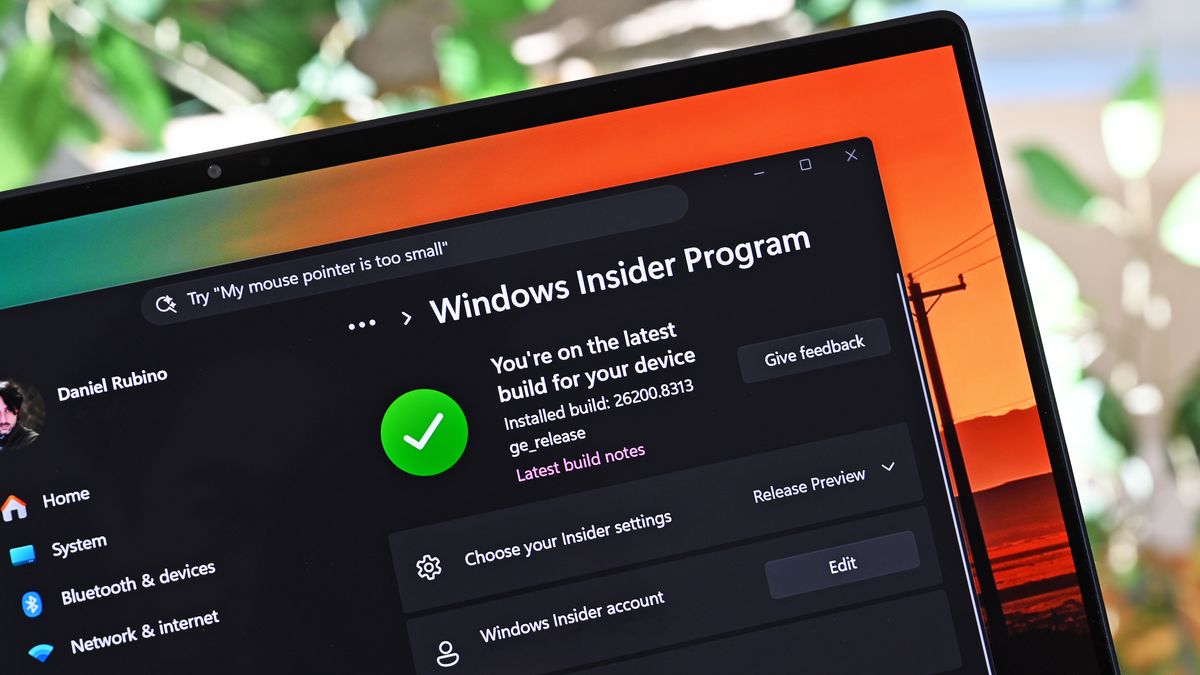
Microsoft's restructured Windows Insider Program demonstrates a shift from AI-first development to community-driven quality assurance. The introduction of Directly Responsible Individuals (DRIs) for specific system components—Start menu, taskbar, File Explorer, widgets, system reliability—creates accountability for addressing real-world friction points. This structural change reflects internal recognition that passionate teams deliver superior products, with engineers now empowered to fix issues without ROI justification. For sellers, this means Windows 11 will increasingly reflect actual user workflows rather than feature-driven roadmaps. The simplified Experimental and Beta channels reduce testing friction, enabling faster adoption of stability improvements. The WinUI3 migration and driver reliability improvements specifically address application compatibility issues that have historically disrupted seller operations when third-party business tools encounter system conflicts.
The strategic implications extend to seller tool ecosystem development and platform stability expectations. As Microsoft prioritizes performance, reliability, quality, and craft—the four core pillars announced by Pavan Davuluri, head of Microsoft's Windows group—software developers building seller tools will align their optimization efforts accordingly. This creates a virtuous cycle where business applications become more responsive and stable. Sellers using Windows-based ERP systems, accounting platforms (QuickBooks, Xero), and inventory management tools will experience measurable improvements in application responsiveness and system uptime. The reduction in system-level disruptions translates to fewer operational interruptions during critical selling periods, potentially reducing lost sales from unexpected downtime by 5-10% for sellers operating on tight margins.
Questions 8
How will Windows K2's update control features reduce seller operational disruptions?
Windows K2 introduces the ability to skip updates and pause them indefinitely, directly addressing the forced restart issue that has disrupted seller operations during peak selling periods. The April 2026 update eliminates mandatory restart policies, allowing sellers managing 24/7 fulfillment operations to schedule updates during low-traffic windows. Industry data suggests unplanned system downtime costs e-commerce sellers $300-500 per hour in lost transactions and operational delays. By giving sellers control over update timing, Microsoft reduces the risk of unexpected outages during critical business hours. Sellers should immediately enable update deferral settings once the April 2026 update rolls out to their systems.
How does the restructured Windows Insider Program benefit sellers testing business tools?
Microsoft's simplified Insider Program now features two clear tracks—Experimental for early features and Beta for near-final builds—eliminating the confusing channel structures that previously frustrated testers. Sellers developing or testing business applications can now opt into specific features independently rather than waiting for staggered rollouts, reducing feedback cycles from weeks to days. The introduction of Directly Responsible Individuals (DRIs) for system components like File Explorer and taskbar ensures accountability for fixing real-world friction points. This structural change means seller-reported issues in business tools receive faster prioritization and resolution, improving the stability of critical business applications.