




Measles Outbreak Drives $104M Economic Impact | Health Product Sellers Capitalize on Immunity Testing Surge
- 1,001 confirmed cases across South Carolina/Georgia (Oct 2025-Apr 2026) create urgent demand for health screening products, vaccination supplies, and protective equipment; sellers in health/wellness categories see 19,243+ vaccination surge and measles titer testing boom









Overview
South Carolina's 200-day measles outbreak (October 2, 2025–April 26, 2026) represents a $104 million economic crisis with direct implications for e-commerce sellers in health, wellness, and protective equipment categories. The outbreak affected 1,001 confirmed cases across South Carolina and Georgia, with 95.3% of cases occurring in unvaccinated individuals and 90.8% in children under 18. While the South Carolina Department of Public Health documented $2 million in direct state expenditures, comprehensive economic analyses reveal far greater impact: Johns Hopkins University estimated $16.4 million total cost, Vaccine journal calculated $60 million, and Proceedings of the National Academy of Sciences projected $104 million when accounting for all economic factors per case.
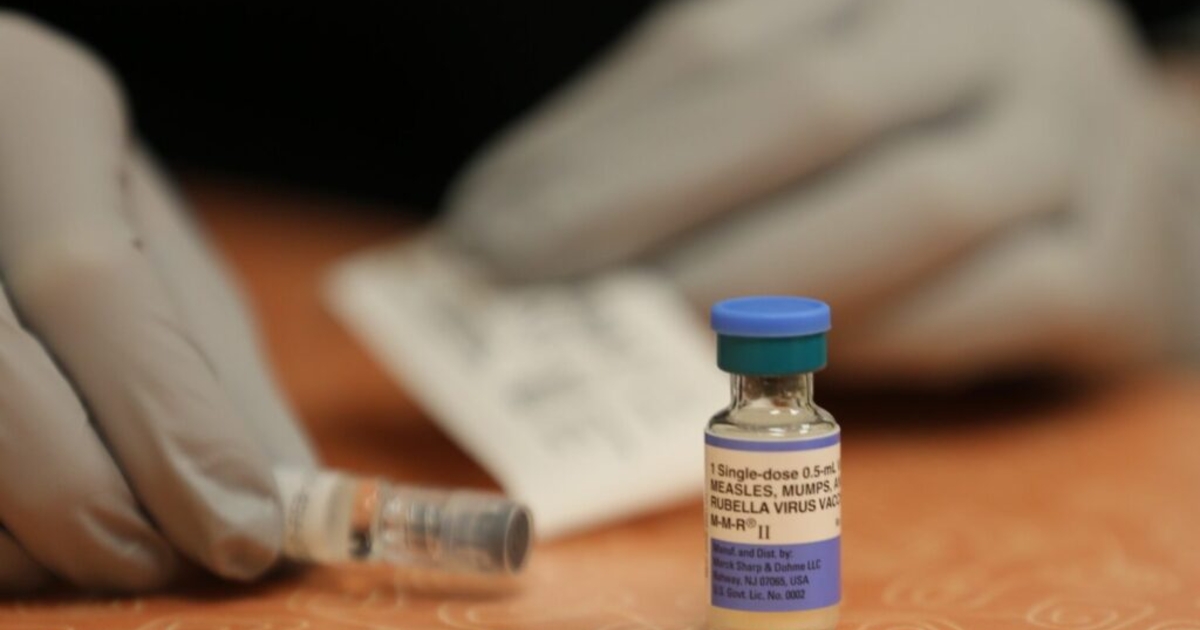
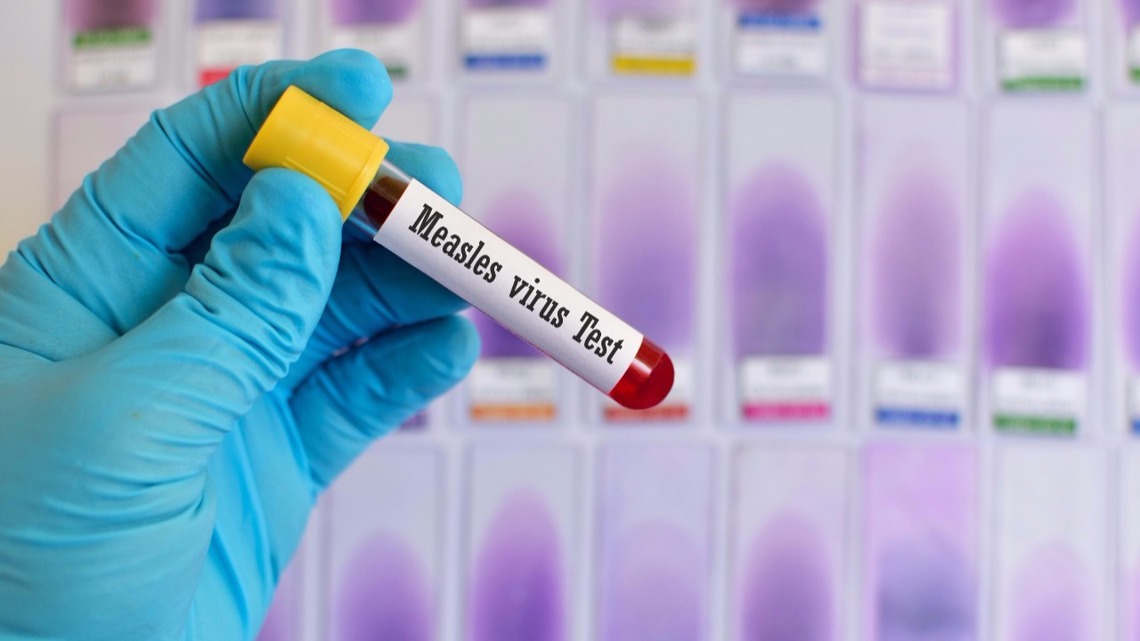
For e-commerce sellers, this outbreak creates measurable product demand spikes across multiple categories. The outbreak prompted 19,243 additional vaccinations administered during the outbreak period compared to the previous year, including 3,788 new vaccinations in Spartanburg County alone. More significantly, measles titer testing surged dramatically—clinical directors at testing facilities like Any Lab Test Now in Greenville reported substantially increased interest in immunity verification blood tests (measuring immunoglobulin G antibodies, with 16 antibody units as minimum threshold). This signals explosive demand for: (1) home health testing kits and laboratory services, (2) vaccination appointment scheduling platforms, (3) protective equipment (masks, sanitizers), (4) health information products and educational materials, and (5) telemedicine consultation services. School disruptions affected 774 unvaccinated children across 31 schools in three counties, missing 5,250+ days of in-person instruction—creating demand for remote learning products, educational technology, and home-based wellness solutions.
Regional economic disruption extends beyond health products to broader consumer behavior shifts. The outbreak's emergence in Spartanburg County reflected a critical vulnerability: non-medical vaccine exemptions in South Carolina's K-12 student population had tripled between 2015 and 2024, reaching 27,730 students by August 2025. This demographic shift indicates a growing market segment of health-conscious parents actively seeking alternative health products, wellness supplements, natural immunity boosters, and preventive health solutions. Additionally, legislative activity (S.343 and S.741 in South Carolina General Assembly) regarding vaccine mandates signals ongoing policy uncertainty that will drive sustained demand for health information products, parental education resources, and compliance documentation tools. The outbreak's international dimension—with one Saluda County case involving an adult with unknown vaccination status acquired through international travel—highlights supply chain vulnerabilities for health product sellers and opportunities for sellers offering travel health screening services and international health compliance documentation.
Questions 8
What product categories see highest demand from the South Carolina measles outbreak?
Health testing products, vaccination appointment platforms, and protective equipment experienced surge demand during the 1,001-case outbreak (Oct 2025-Apr 2026). Measles titer testing facilities reported significantly increased interest in immunity verification blood tests, while 19,243 additional vaccinations administered during the outbreak period indicate strong demand for vaccination services and health information products. E-commerce sellers in home health testing kits, telemedicine platforms, masks, sanitizers, and educational health materials can capitalize on this sustained demand. Additionally, remote learning products surged due to 5,250+ days of missed school instruction across 31 schools, creating opportunities for educational technology and home-based wellness solutions.
What demographic shifts create long-term e-commerce opportunities from this outbreak?
Non-medical vaccine exemptions in South Carolina's K-12 population tripled between 2015-2024, reaching 27,730 students by August 2025—indicating a growing market segment of health-conscious parents actively seeking alternative health products. This demographic shift creates sustained demand for wellness supplements, natural immunity boosters, preventive health solutions, and health information products. Additionally, the outbreak prompted significant behavioral change with 19,243 additional vaccinations administered, suggesting parents are becoming more engaged health consumers. Sellers targeting this demographic through educational content, wellness products, and health compliance tools can build long-term customer relationships in a growing market segment.