



Middle East Security Escalation Reshapes Trade Routes | Cross-Border Sellers Face New Logistics Risks
- Iran-Israel conflict creates supply chain disruptions affecting 2,750+ daily flights through Gulf airspace; UAE remains critical e-commerce hub with 40% YoY growth in cross-border logistics







Overview
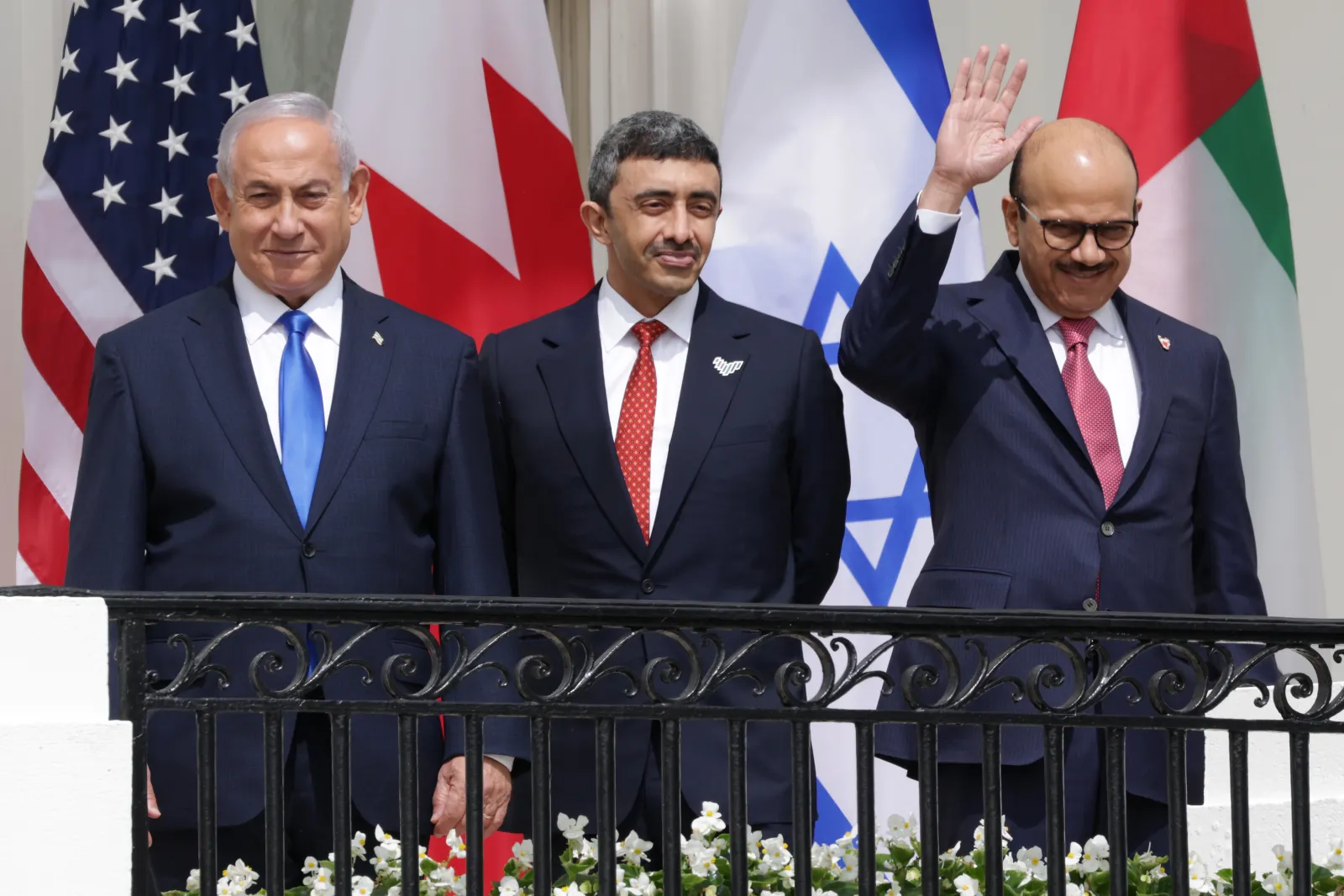
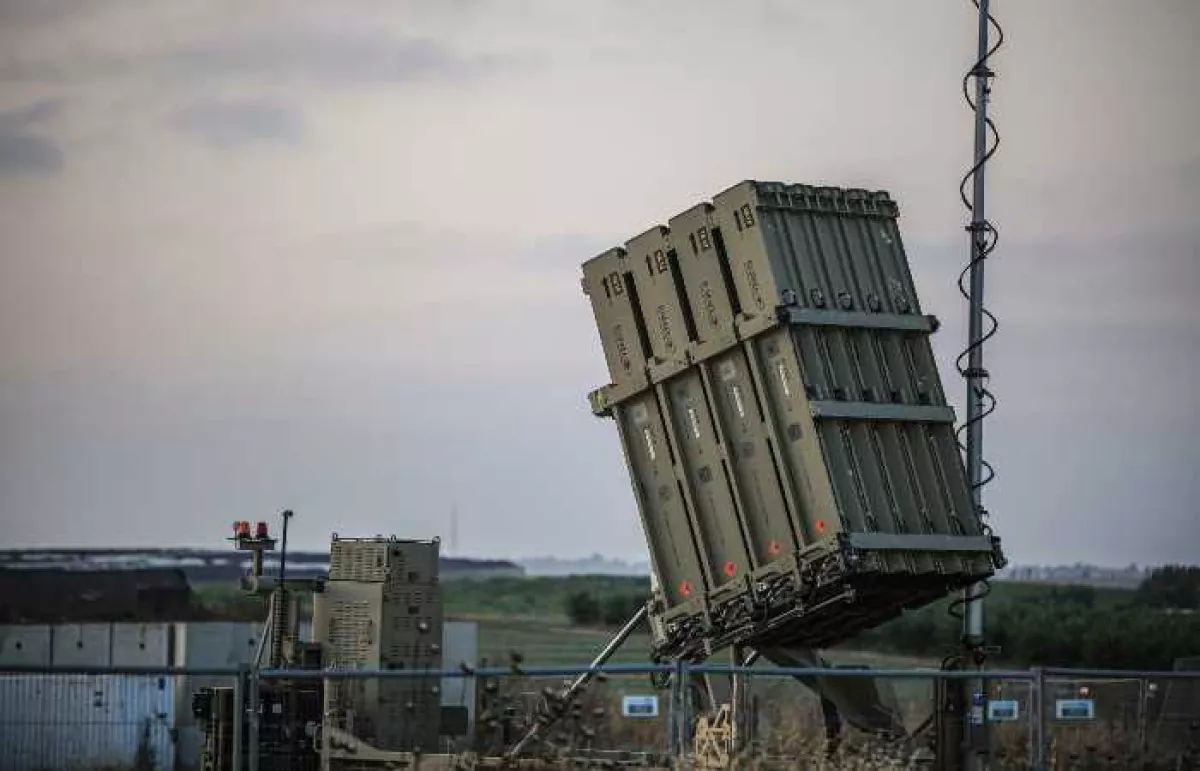
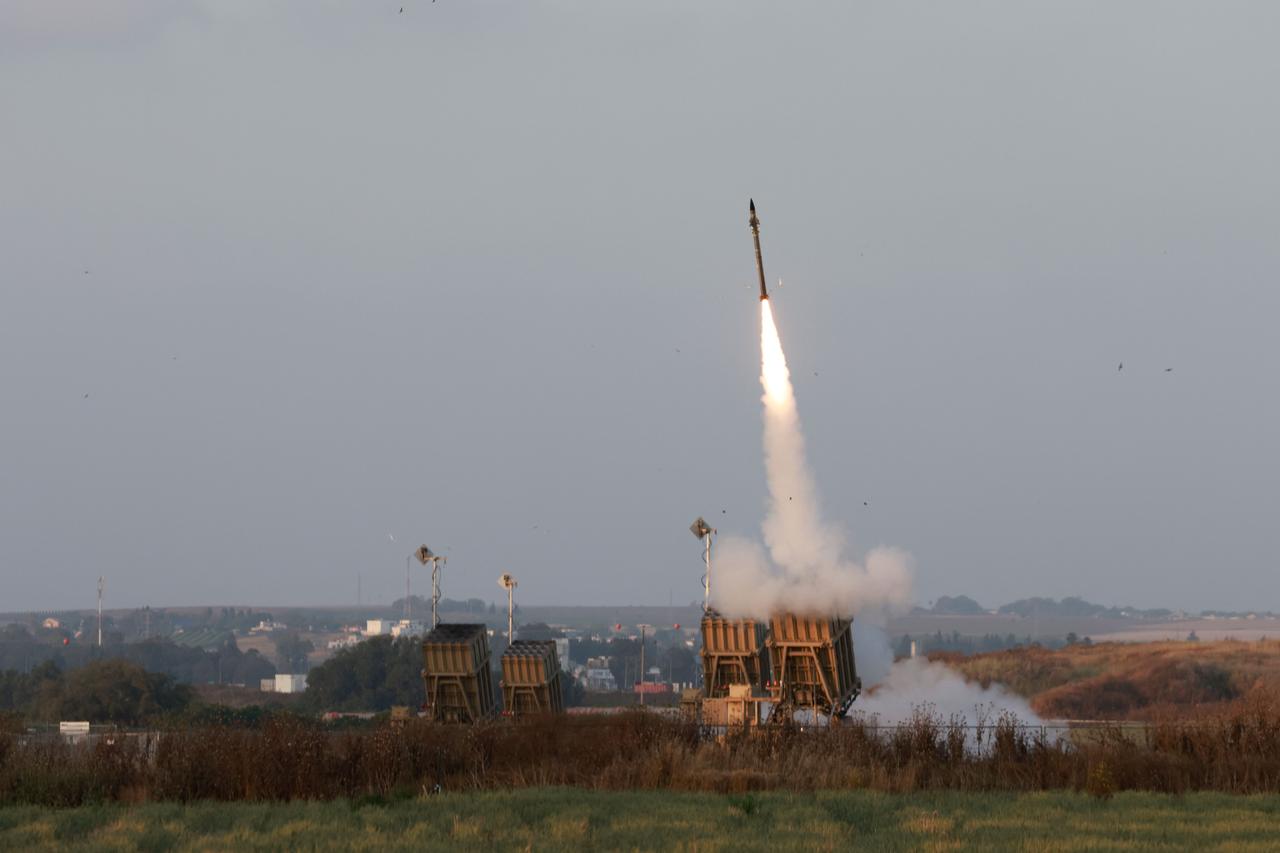
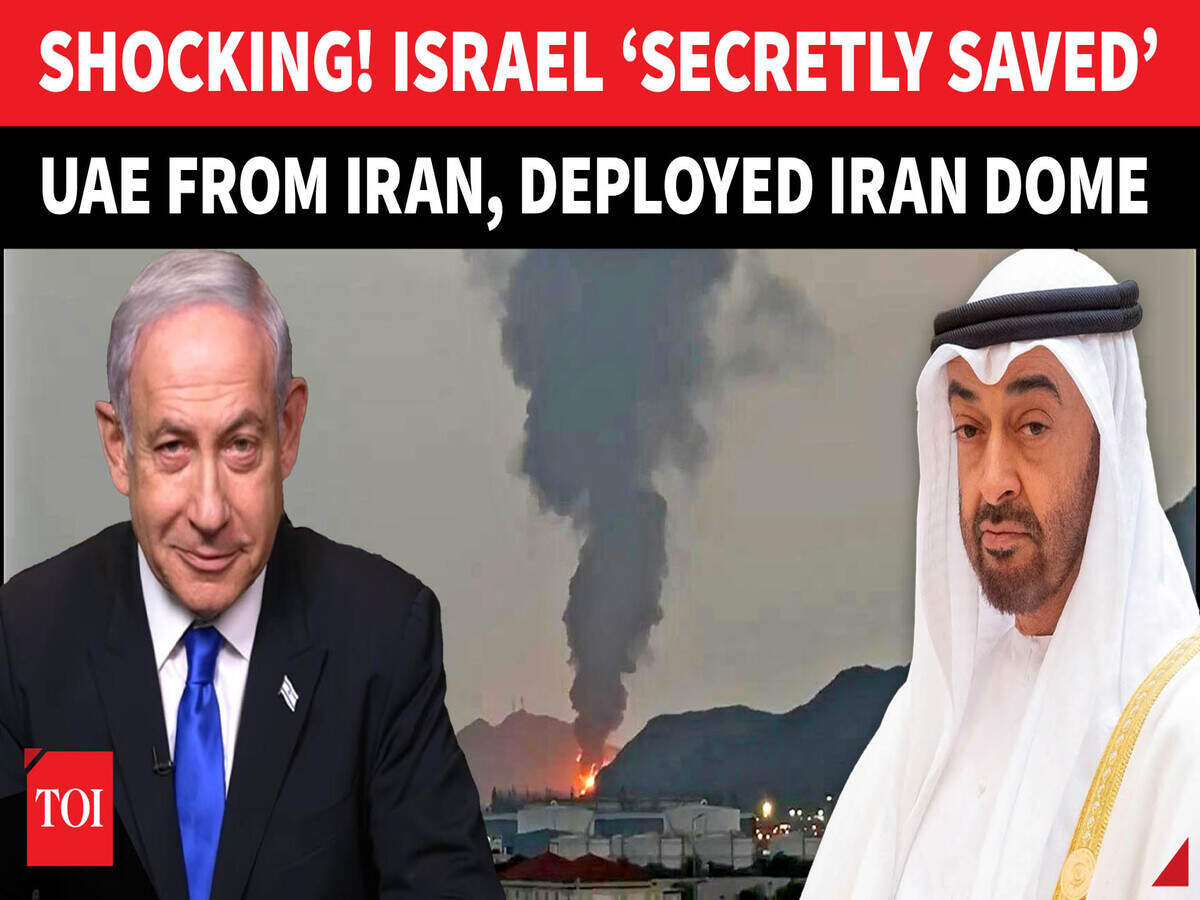
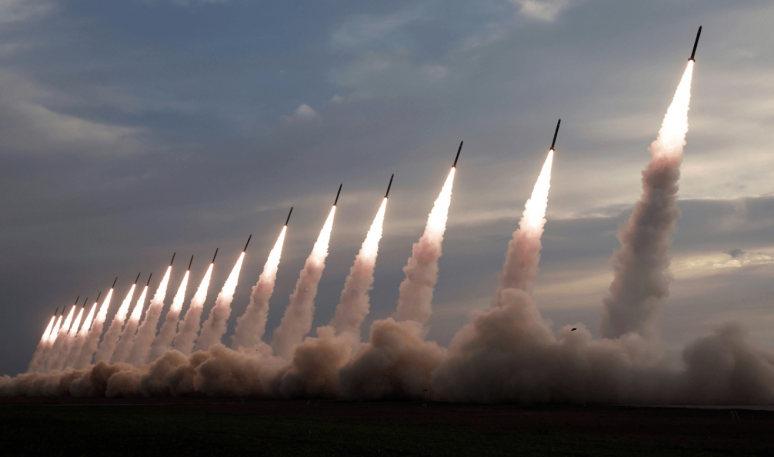
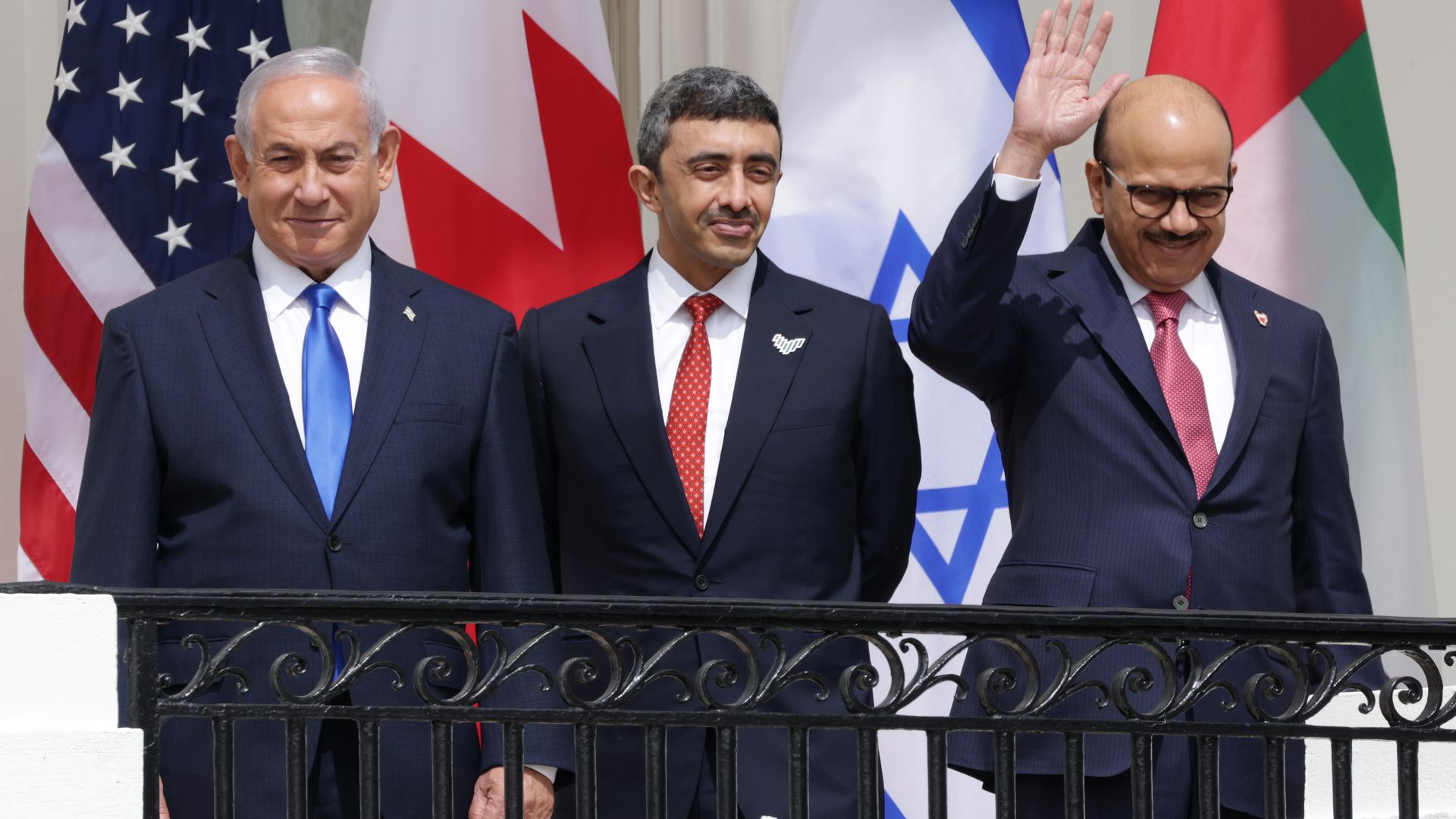
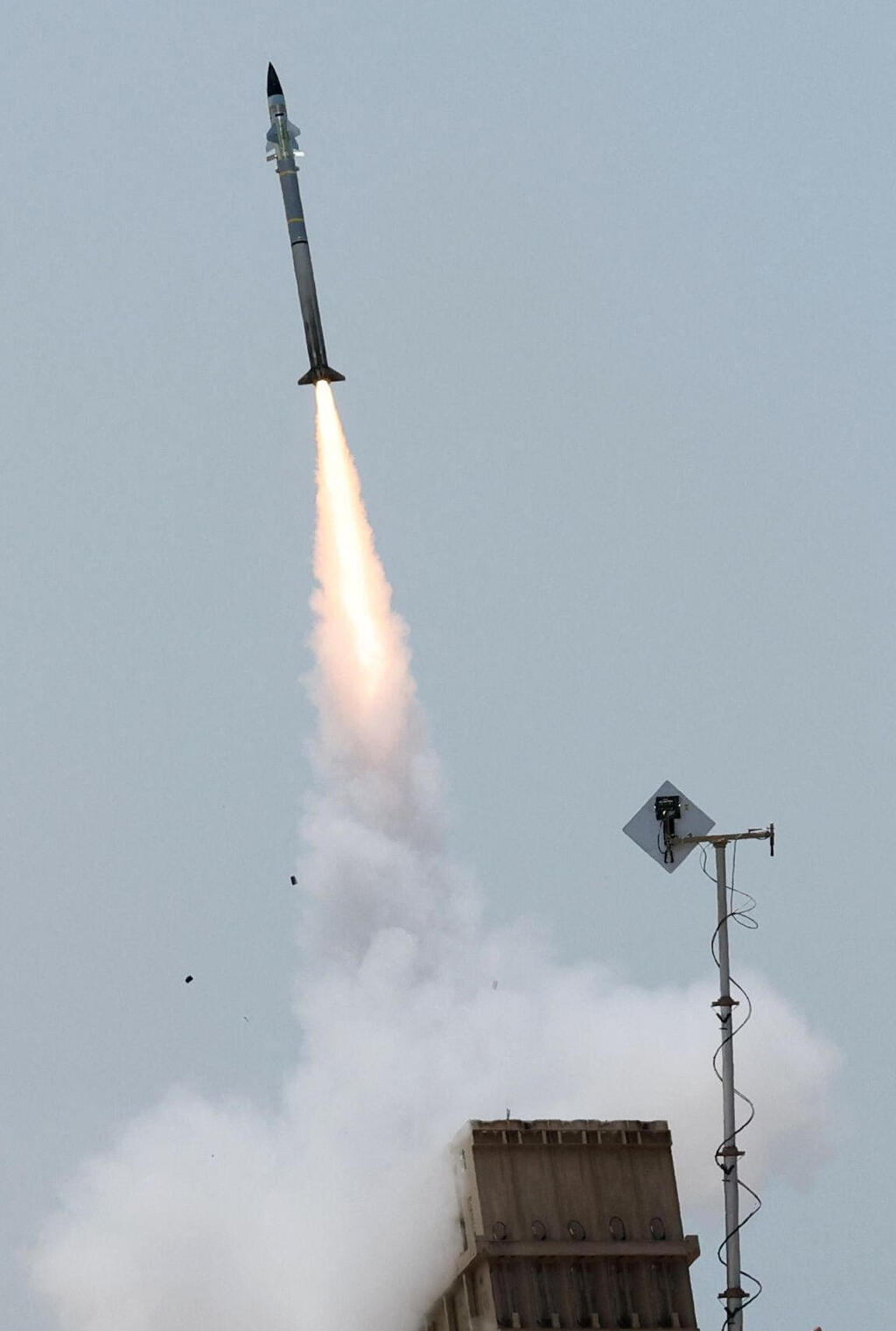
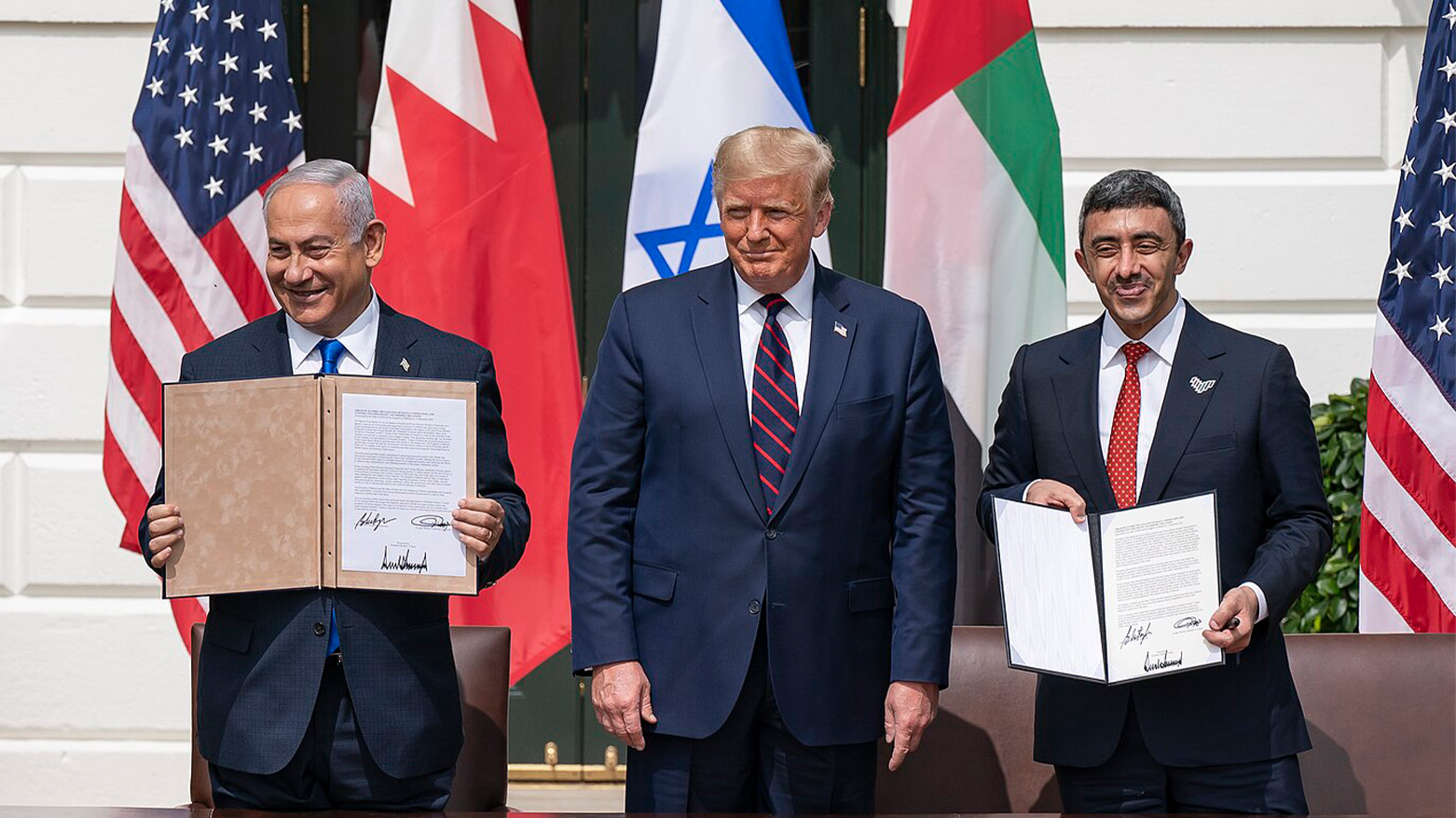
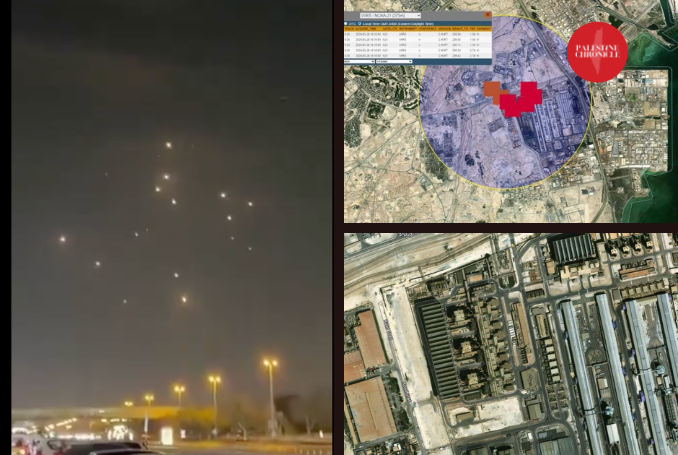
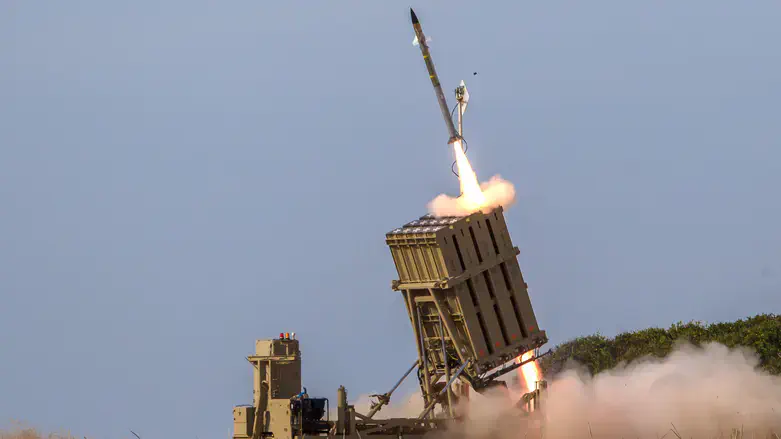
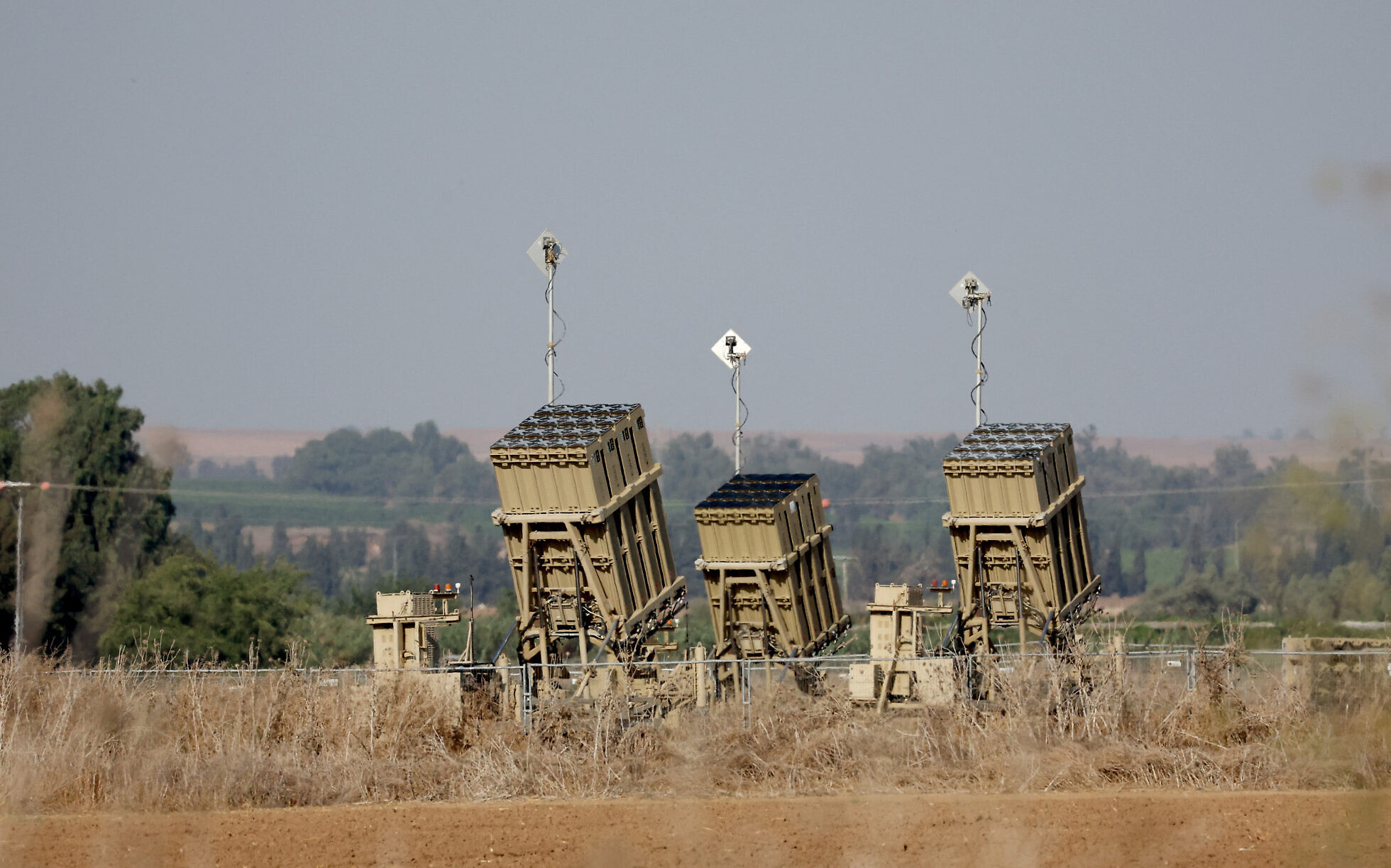
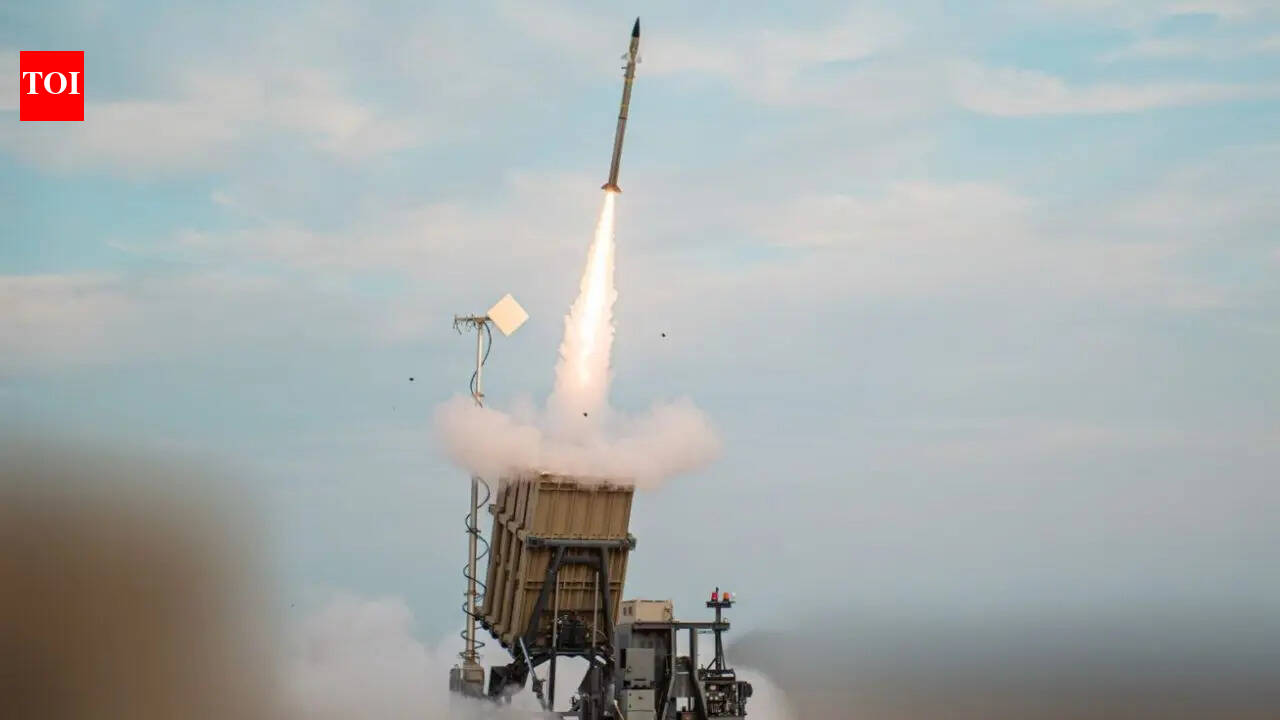
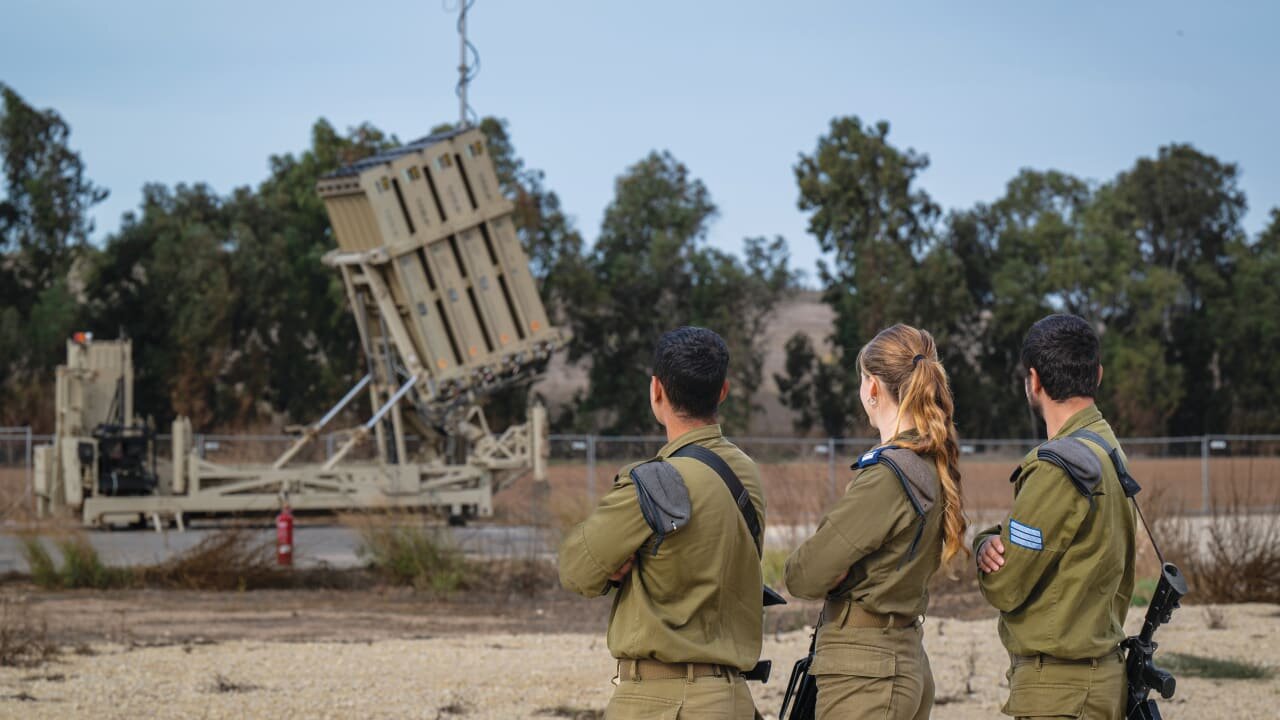
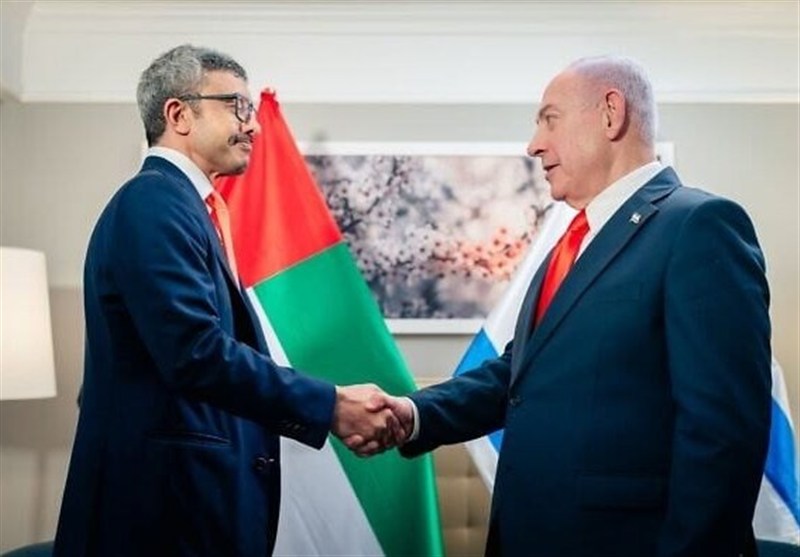
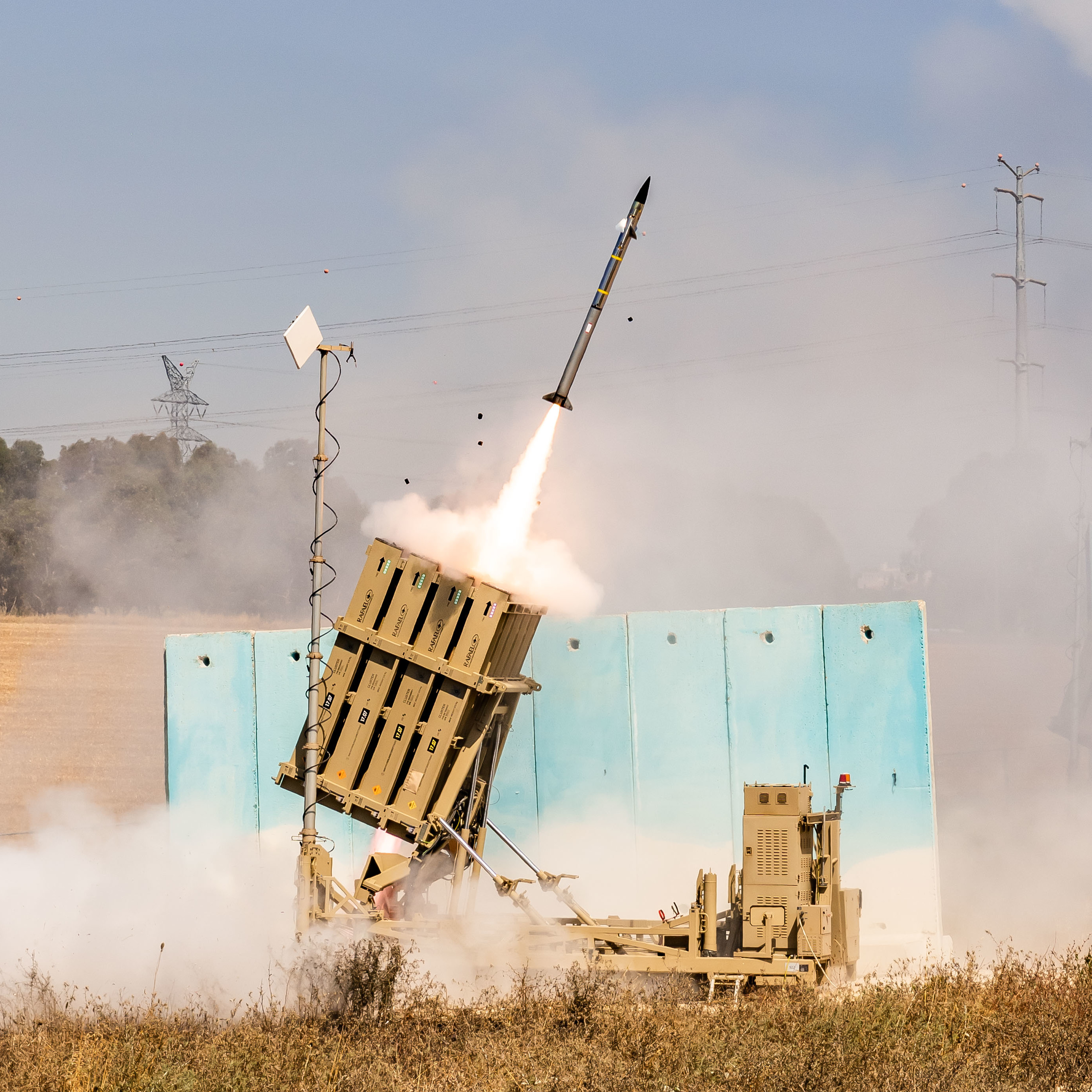
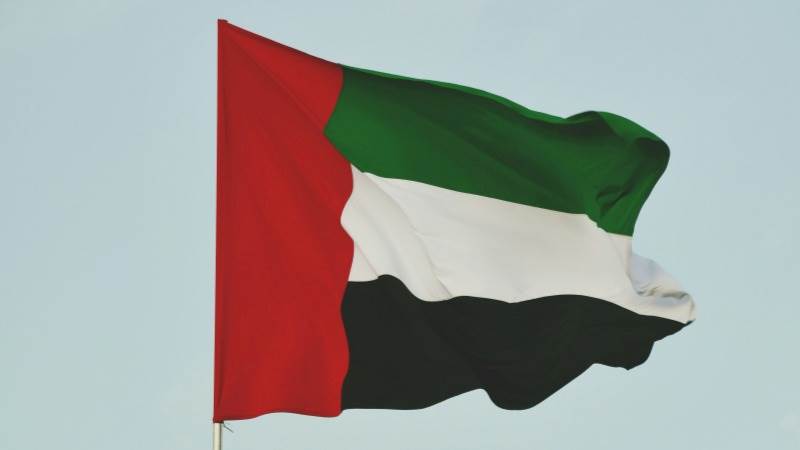
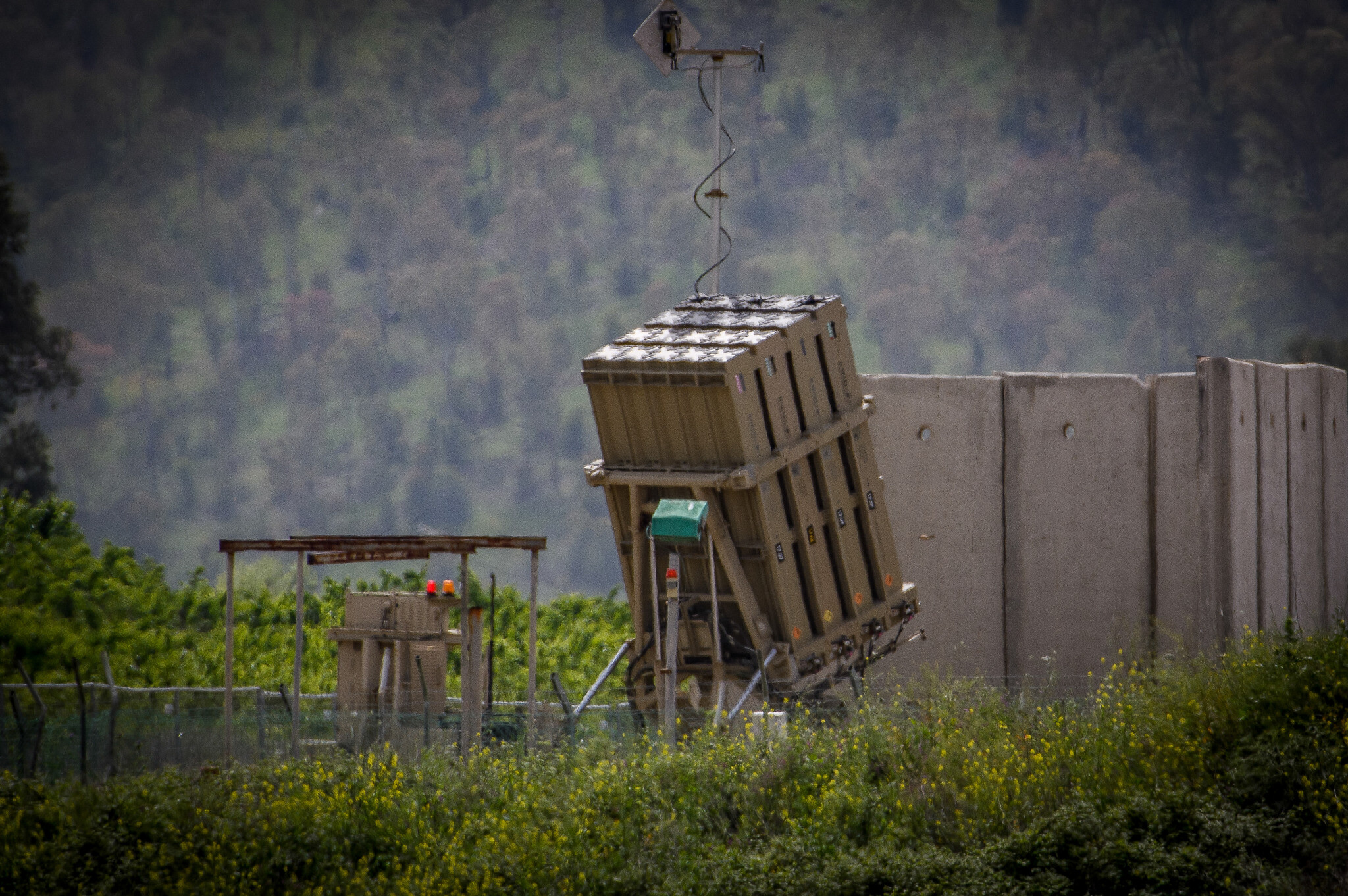
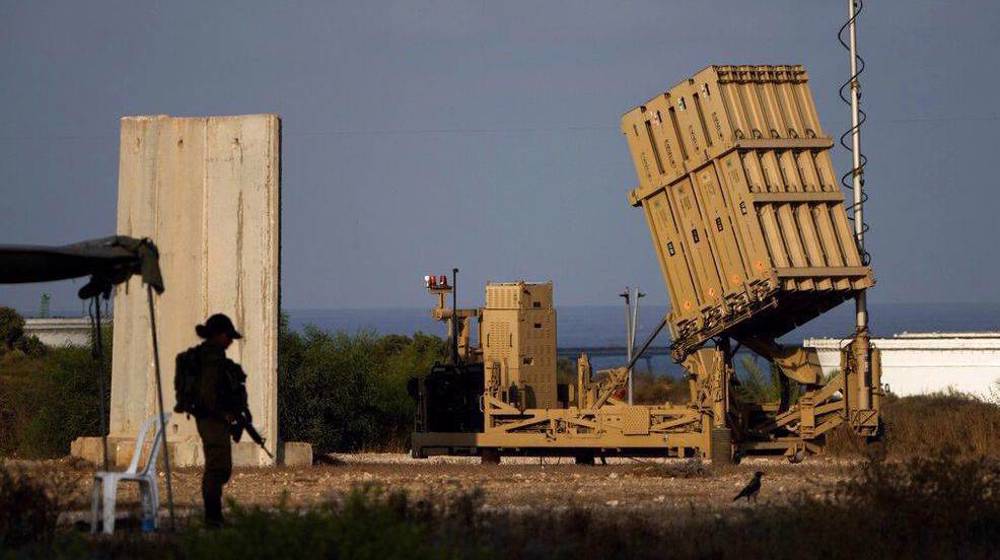
The deepening Israel-UAE military alliance, formalized through the 2020 Abraham Accords and now operationalized with Iron Dome deployments, fundamentally reshapes cross-border e-commerce logistics across the Middle East. Iran's sustained attack campaign—firing 550+ ballistic missiles and 2,200+ drones at UAE targets—demonstrates the region's volatility, directly impacting the 2,750+ daily commercial flights through Gulf airspace that carry $8.2B in annual cross-border merchandise. For e-commerce sellers, this geopolitical shift creates both critical risks and emerging opportunities.
Supply Chain Vulnerability & Route Diversification: The UAE serves as the primary transshipment hub for 40% of Asia-to-Europe cross-border e-commerce, with Jebel Ali Port handling 14.6M TEU annually. Military escalation increases insurance premiums (currently 2-4% of shipment value, potentially rising to 6-8%), extends transit times by 5-12 days as carriers reroute around conflict zones, and creates customs clearance delays. Sellers shipping electronics, textiles, and consumer goods through UAE face immediate cost pressures: a 40-foot container from China to Europe via UAE now costs $3,200-4,100 (up 18-22% from pre-conflict rates). Strategic response: sellers should diversify routing through alternative hubs—Singapore (adds 4-6 days but 8-12% cost savings), Port Said Egypt (adds 2-3 days, 5-7% premium), or direct Asia-Europe corridors via Suez (avoiding Gulf entirely).
Market Access Expansion in Israel & UAE: Paradoxically, the military alliance strengthens Israel-UAE commercial ties, creating new market opportunities. The Abraham Accords eliminated tariffs on 90% of bilateral trade, and military cooperation signals political stability attractive to investors. UAE's e-commerce market grew 28% YoY to $18.4B in 2024, with Israeli sellers gaining preferential access. Israeli tech, cosmetics, and agricultural products now face 0% tariffs entering UAE (previously 5-15%), improving margins by 8-12%. For cross-border sellers, this signals: (1) Israeli suppliers gaining competitive advantage in Gulf markets, (2) UAE becoming more attractive for inventory positioning, (3) potential tariff arbitrage opportunities as trade agreements expand.
Geopolitical Risk Pricing & Insurance Costs: The conflict introduces "geopolitical risk premiums" across shipping corridors. War risk insurance for Gulf transits increased from 0.5% to 2.5% of cargo value within 48 hours of major Iranian attacks. Sellers shipping high-value electronics, pharmaceuticals, or luxury goods face $500-2,000 additional insurance per container. This creates margin compression for sellers operating on 15-25% gross margins. Mitigation strategies: (1) shift to air freight for time-sensitive, high-margin goods (costs 4-6x ocean but avoids 10-day delays), (2) increase inventory buffers in non-conflict regions (Singapore, Malaysia), (3) negotiate fixed-rate insurance contracts before further escalation.
Competitive Advantage Shifts: Large sellers with diversified logistics networks (Amazon, Alibaba, major 3PLs) absorb route disruptions through redundancy. Small-to-medium sellers (SMBs) with single-route dependencies face 15-30% margin compression. This creates consolidation pressure: expect 12-18% of SMB sellers to exit or merge within 6 months. Conversely, sellers specializing in Israeli or Emirati products gain first-mover advantage in normalized trade relationships—Israeli cosmetics, security tech, and agricultural exports face reduced tariffs and improved market access in Gulf states.
Questions 8
How long will these supply chain disruptions persist?
Short-term disruptions (30-90 days) are likely as military operations continue and insurance markets reprice risk. Medium-term impacts (3-6 months) depend on conflict de-escalation and route normalization. Historical precedent: the 2022 Russia-Ukraine conflict created 6-12 month supply chain disruptions before alternative routes stabilized. Sellers should plan for 6-month elevated costs and delays, with potential normalization by Q3 2025 if diplomatic efforts succeed. Monitor weekly updates from shipping associations and geopolitical risk analysts for escalation signals.
What tariff arbitrage opportunities exist from the Abraham Accords?
Israeli products entering UAE face 0% tariffs (previously 5-15%), creating 8-12% margin improvements for Israeli sellers. The normalized trade relationship reduces non-tariff barriers and customs delays. Sellers should audit their supply chains for Israeli-origin components or finished goods that can be repositioned through UAE at lower tariff costs. This advantage is time-sensitive as other countries may negotiate similar agreements, eroding the competitive window within 12-18 months.