




NATO Tensions Drive European Defense Spending Surge | Cross-Border Seller Opportunities
- Escalating US-Europe disputes trigger 5%+ GDP defense budget increases across EU, creating $8-12B procurement opportunities for military equipment, logistics, and industrial suppliers


Overview
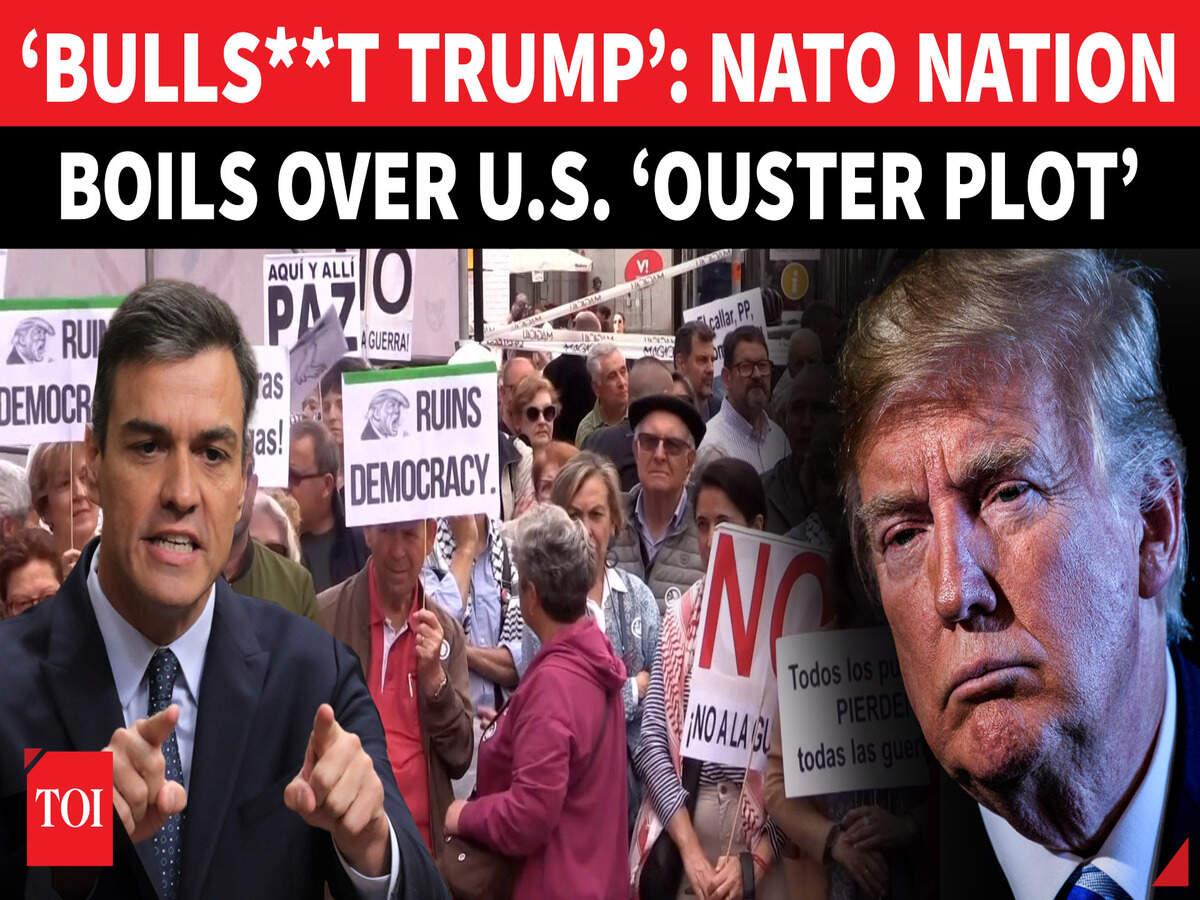
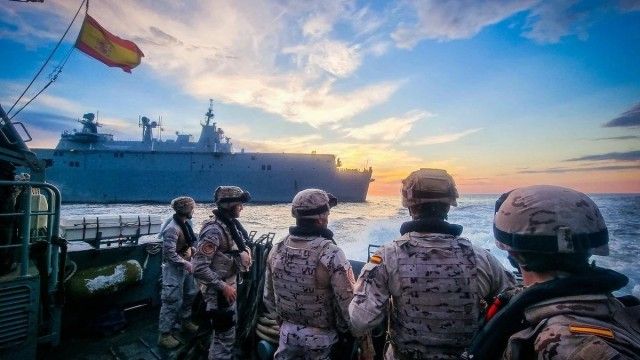
The escalating tensions between the Trump administration and European NATO allies over Iran policy and defense spending commitments are creating significant cross-border trade opportunities for sellers in defense-related industrial categories. The leaked Pentagon email threatening Spain with NATO suspension over its refusal to support US-Israel military operations against Iran has triggered a coordinated European response, with multiple nations—Spain, Italy, Germany, Netherlands, and Poland—publicly resisting US pressure while simultaneously accelerating defense spending commitments.
Key Market Drivers: Spanish Prime Minister Pedro Sanchez's refusal to increase defense spending to 5% of GDP, combined with Italian Prime Minister Meloni's denial of military base access and Polish concerns about Article 5 commitments, signals a fundamental shift in European defense procurement strategy. Dutch military intelligence assessments warning of potential Russian NATO conflict within one year post-Ukraine war are accelerating defense budget allocations across Eastern European nations. This creates immediate procurement demand in military equipment, logistics infrastructure, industrial components, and dual-use technology categories.
Seller Opportunity Window: The geopolitical uncertainty is driving European governments to diversify supply chains away from US-dependent military procurement. Countries like Poland, Germany, and the Netherlands are rapidly increasing defense budgets to strengthen NATO credibility independently. This creates 12-18 month procurement windows for industrial suppliers, logistics providers, and manufacturing partners serving defense contractors. Sellers with expertise in HS codes 8401-8407 (machinery), 7308-7326 (metal structures), and 8471-8517 (electrical/electronic equipment) can capitalize on accelerated European defense spending.
Competitive Dynamics: The deterioration in transatlantic relations—with Trump calling NATO a "paper tiger" and "one-way street"—is forcing European nations to build indigenous defense capabilities and diversify sourcing. This creates advantages for sellers based in EU nations, particularly Germany, Poland, and the Netherlands, who can supply defense-adjacent industrial products with reduced tariff friction. Non-US suppliers of industrial components, logistics equipment, and manufacturing machinery face reduced competition from American vendors as European procurement officers prioritize supply chain independence.
Compliance and Risk Considerations: Sellers must navigate dual-use export controls (ITAR, EAR) when supplying defense-related categories. However, industrial machinery, logistics equipment, and non-weaponized components remain accessible to cross-border sellers. The policy uncertainty creates 6-month volatility windows where procurement budgets are approved but spending timelines remain fluid, requiring flexible fulfillment strategies and inventory positioning in EU logistics hubs.
Questions 8
What inventory positioning strategy should sellers adopt for European defense procurement opportunities?
Position inventory in EU logistics hubs (Germany, Netherlands, Poland) to reduce customs processing time and demonstrate supply chain reliability to European procurement officers. Defense procurement cycles typically require 4-8 week delivery windows, so inventory positioned within EU borders significantly improves competitiveness. Establish relationships with 3PL providers in Poland and Germany who specialize in industrial equipment and defense-adjacent logistics. Consider pre-positioning safety stock (20-30% above projected demand) during the 6-month high-opportunity window to capture accelerated procurement orders. Monitor procurement portals (TED—Tenders Electronic Daily, national government procurement sites) for RFQ opportunities and adjust inventory mix accordingly. Maintain flexibility to pivot inventory between product categories as procurement priorities shift. Avoid over-committing to single-country inventory positions given geopolitical uncertainty; diversify across Poland, Germany, and Netherlands to hedge regional risk.
How can sellers leverage supply chain diversification trends in European defense spending?
European nations are explicitly seeking to reduce dependence on US military procurement, creating opportunities for suppliers from EU countries, UK, Canada, and other trusted allies. Sellers should emphasize supply chain independence, local manufacturing capabilities, and reduced geopolitical risk in their marketing to European procurement officers. Positioning as a 'non-US supplier' or 'EU-based manufacturer' becomes a competitive advantage in this environment. Sellers can highlight compliance with EU regulations, reduced customs friction, and faster delivery times compared to US-origin products. Building relationships with European defense contractors and government procurement offices through trade associations and industry events accelerates market entry. Consider forming partnerships with established EU distributors to gain credibility in defense procurement channels. Emphasize quality certifications (ISO 9001, CE marking) and compliance with European standards to differentiate from US competitors.