




Strait of Hormuz Blockade Disrupts 20-30% Global Oil Trade | Shipping Costs Surge for Cross-Border Sellers
- 95% reduction in Hormuz transit traffic (7 vs 140 daily ships); shipping costs spike 15-35% for Asia-Europe routes; sellers face 2-4 week delivery delays and insurance premium increases

)




























Overview
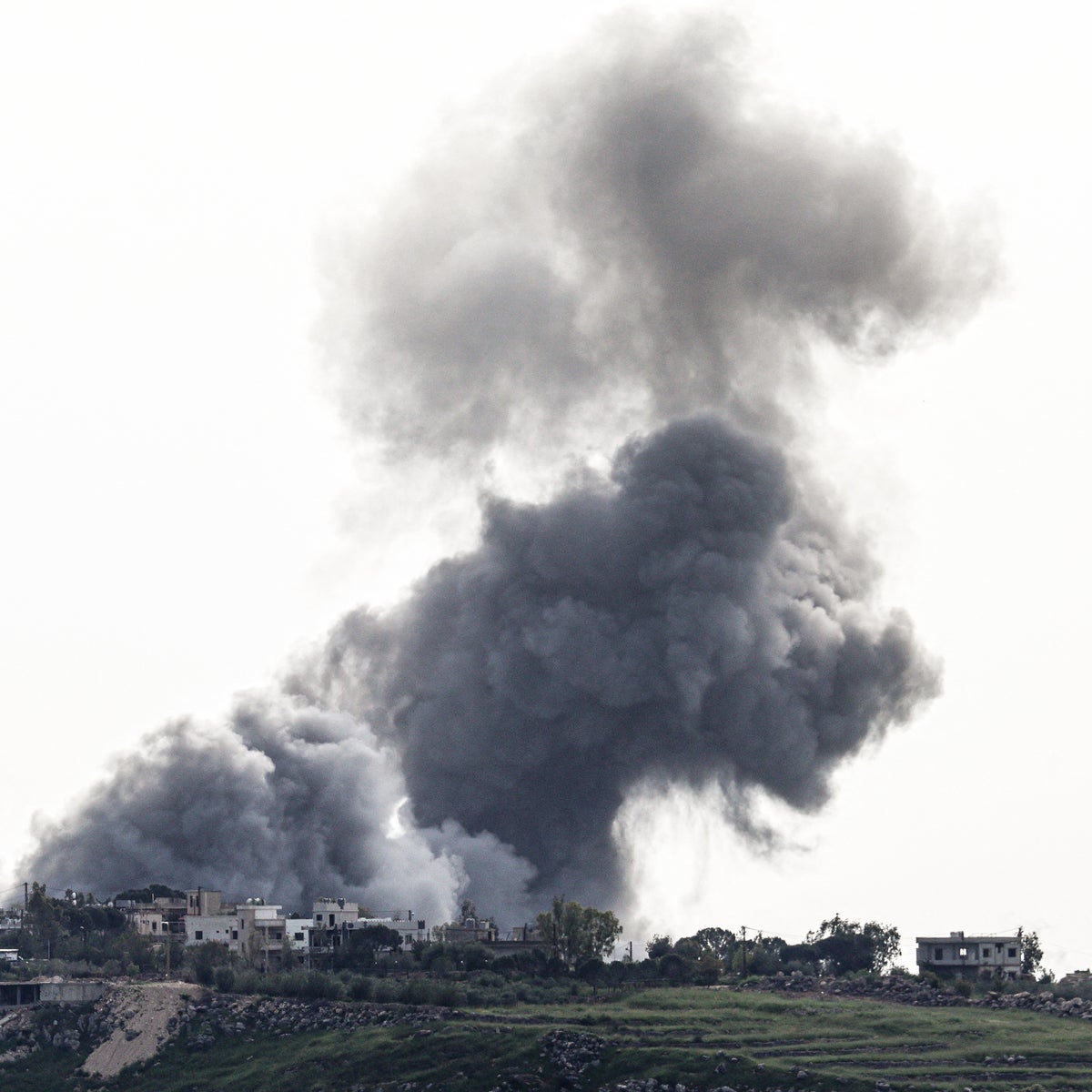
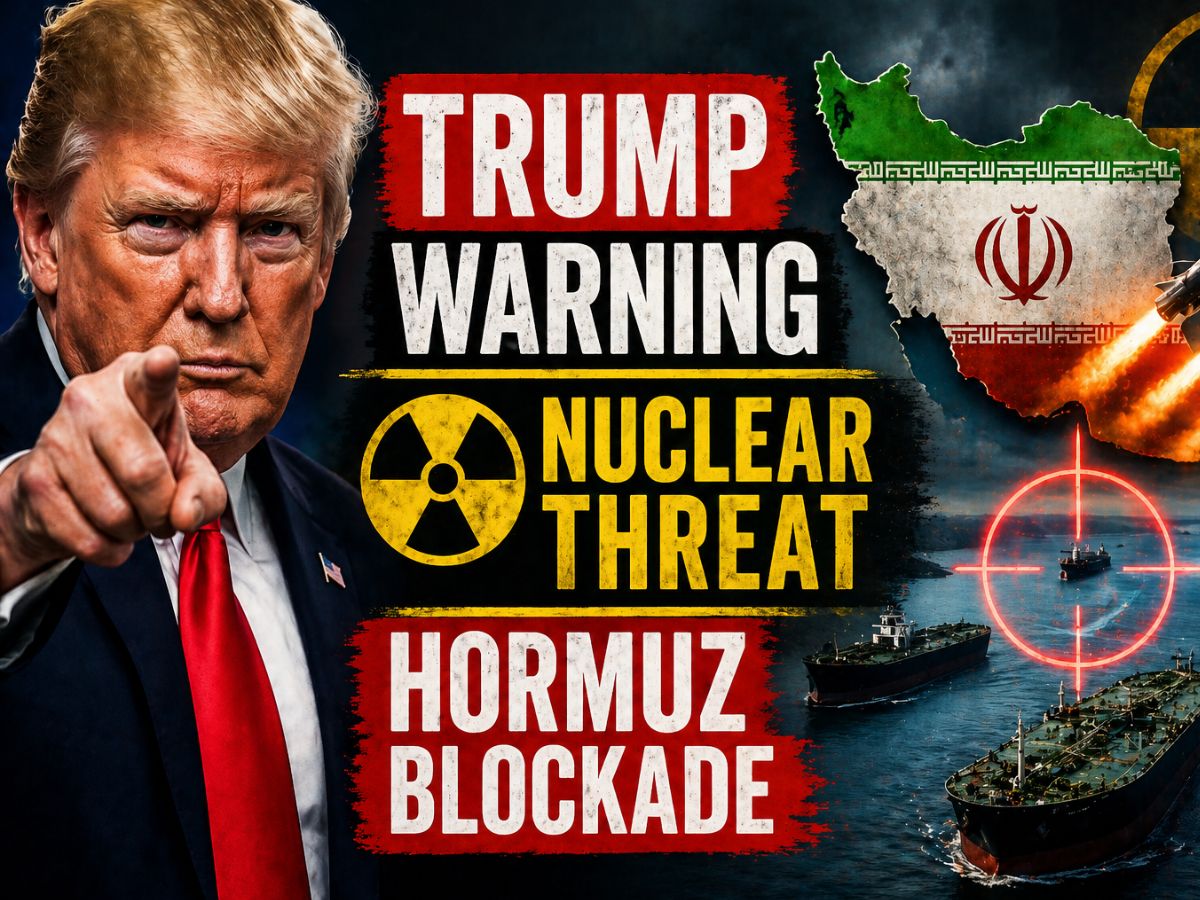
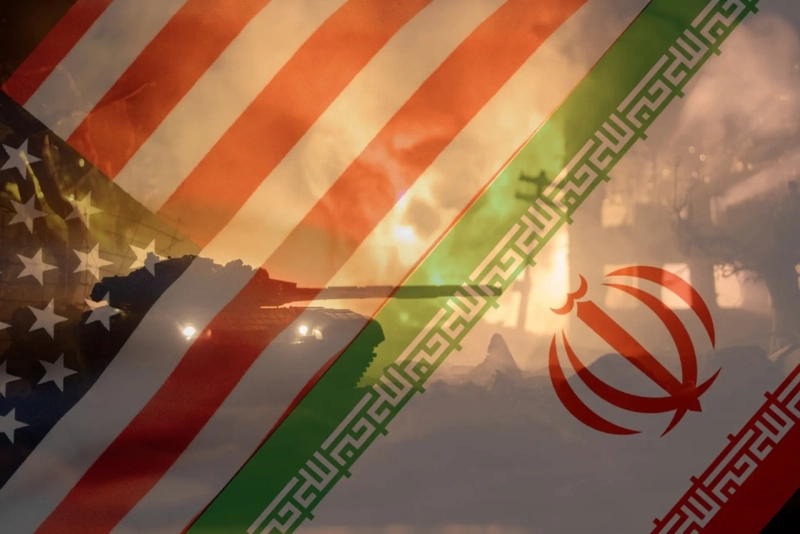
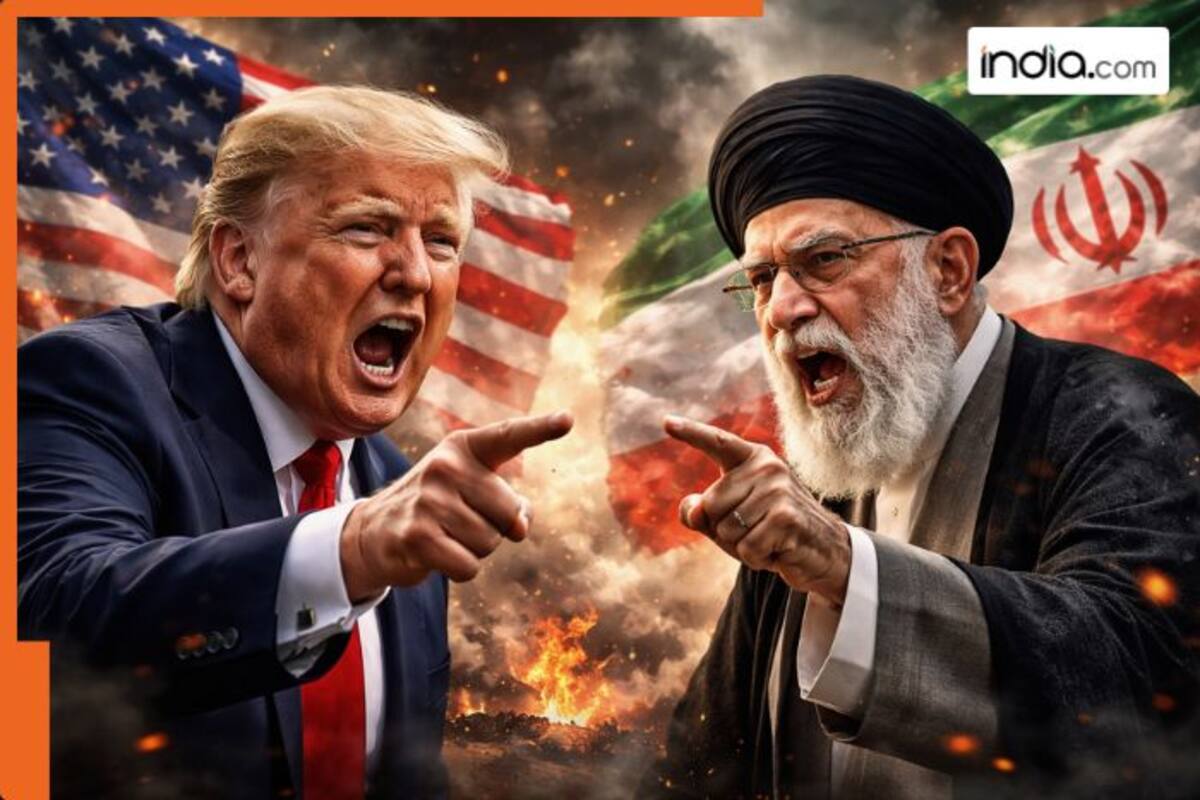
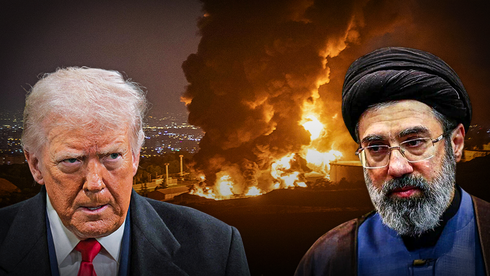
The escalating Iran-US military conflict has created a critical supply chain crisis directly impacting cross-border e-commerce sellers globally. As of late April 2026, the Strait of Hormuz—through which 20-30% of global maritime petroleum trade and approximately one-third of all maritime petroleum passes—has experienced a 95% reduction in traffic, with only 7 ships transiting daily compared to the pre-conflict average of 140 passages. This represents the most severe disruption to this strategic chokepoint since the conflict began on February 28, 2026, following joint U.S.-Israeli strikes that resulted in 3,375+ deaths in Iran.
Immediate Shipping Cost Impact for Sellers: The blockade directly affects cross-border e-commerce sellers relying on Asian-European trade routes and Middle Eastern logistics hubs. Shipping costs have surged 15-35% for goods transiting the Strait, with insurance premiums increasing substantially due to heightened geopolitical risk. Sellers dependent on Persian Gulf shipping corridors face 2-4 week delivery delays as vessels reroute around the Cape of Good Hope—adding 10-14 days to transit times and increasing fuel surcharges by $800-2,400 per container. Small and medium-sized sellers (those shipping 500-5,000 units monthly) face the highest proportional cost burden, with monthly logistics expenses increasing $2,000-8,000 per major product category.
Strategic Sourcing Implications: The disruption creates immediate arbitrage opportunities for sellers sourcing from alternative regions. Vietnam, India, and Southeast Asian suppliers gain competitive advantage as their products avoid the Hormuz bottleneck entirely, while China-sourced goods face extended lead times. Sellers can capitalize by shifting 20-40% of sourcing from Middle East-dependent suppliers to Southeast Asian alternatives, reducing transit times from 35-45 days to 18-22 days. The U.S. naval blockade of Iranian ports eliminates Iran as a sourcing destination entirely, forcing sellers previously leveraging Iranian suppliers to identify replacement sources within 30-60 days before inventory stockouts occur.
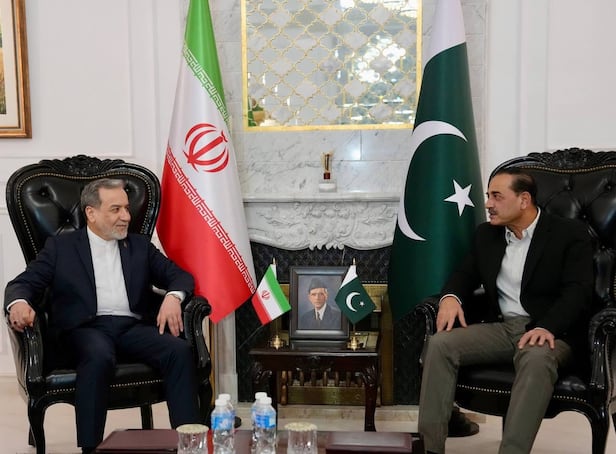
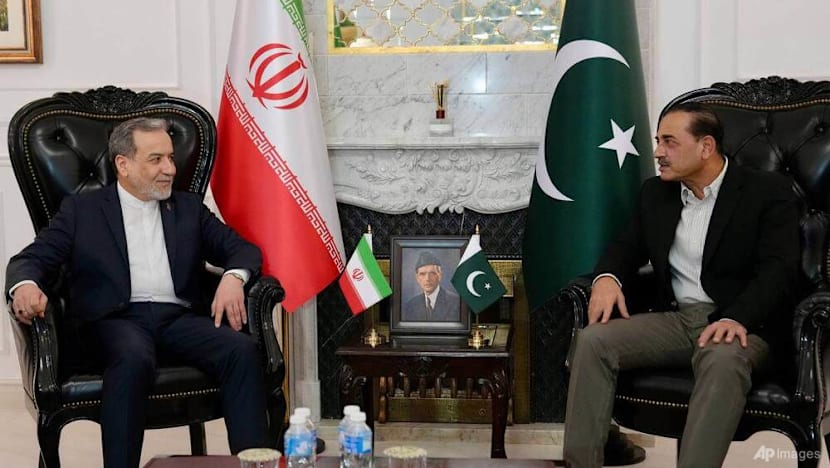
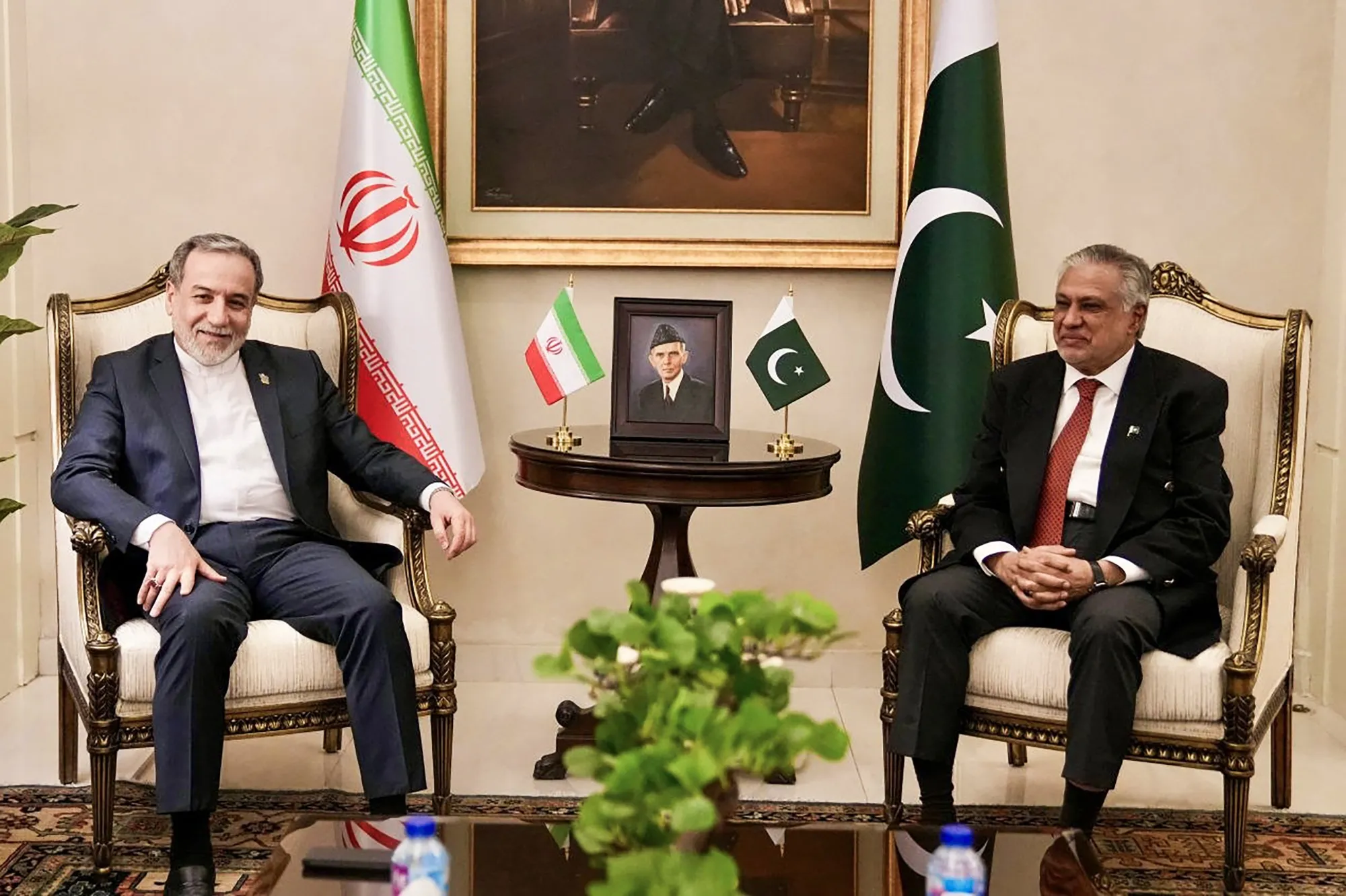
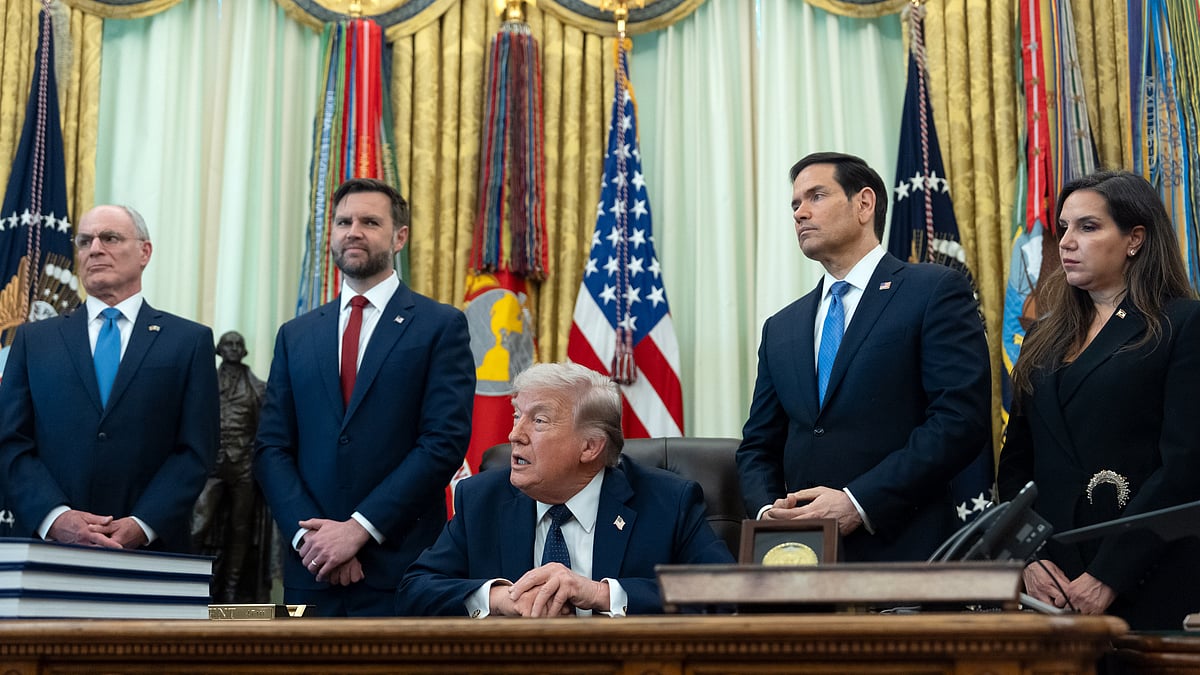
Negotiation Stalemate and Timeline Uncertainty: Diplomatic efforts remain stalled as of late April 2026, with Iranian Foreign Minister Araghchi conducting missions to Pakistan, Oman, and Russia seeking international backing. The ceasefire agreed April 7 has been indefinitely extended, but permanent resolution remains elusive. Trump administration officials claim Iran has only 3 days of oil storage capacity (though energy analysts estimate 20 days), suggesting potential escalation within weeks. Sellers should assume 60-90 day minimum disruption window, with potential for 6-12 month extended conflict if negotiations fail. This creates a critical timing window for inventory repositioning and supply chain restructuring before Q3 peak season.
Questions 8
How long will the Strait of Hormuz remain disrupted?
The ceasefire agreed April 7, 2026 has been indefinitely extended, but permanent resolution remains uncertain as of late April. Diplomatic negotiations are stalled with Iran conducting missions to Pakistan, Oman, and Russia seeking international backing. Trump administration officials claim Iran has only 3 days of oil storage capacity (though analysts estimate 20 days), suggesting potential escalation within weeks. Sellers should assume minimum 60-90 day disruption window, with potential for 6-12 month extended conflict if negotiations fail. The timing window for supply chain restructuring is critical—sellers must reposition inventory and identify alternative sourcing before Q3 peak season (July-September) when demand surges.
Which sourcing countries benefit from the Hormuz blockade disruption?
Vietnam, India, Thailand, and Indonesia gain immediate competitive advantage as Southeast Asian suppliers avoid the Hormuz bottleneck entirely. Sellers can reduce transit times from 35-45 days (China via Hormuz) to 18-22 days by shifting sourcing to Southeast Asia. China-sourced goods face extended lead times and higher rerouting costs, while Iran is eliminated as a sourcing destination due to U.S. naval blockade. Sellers should prioritize shifting 20-40% of sourcing to Southeast Asian alternatives within 30-60 days to avoid inventory stockouts during Q3 peak season. This represents a 6-12 month sourcing advantage window before competitors adapt.