



Fed Leadership Shift to Warsh | Higher Rates Ahead for E-Commerce Sellers
- Kevin Warsh's hawkish approach threatens 15-25% increase in inventory financing costs and reduced consumer spending for cross-border sellers by May 2026




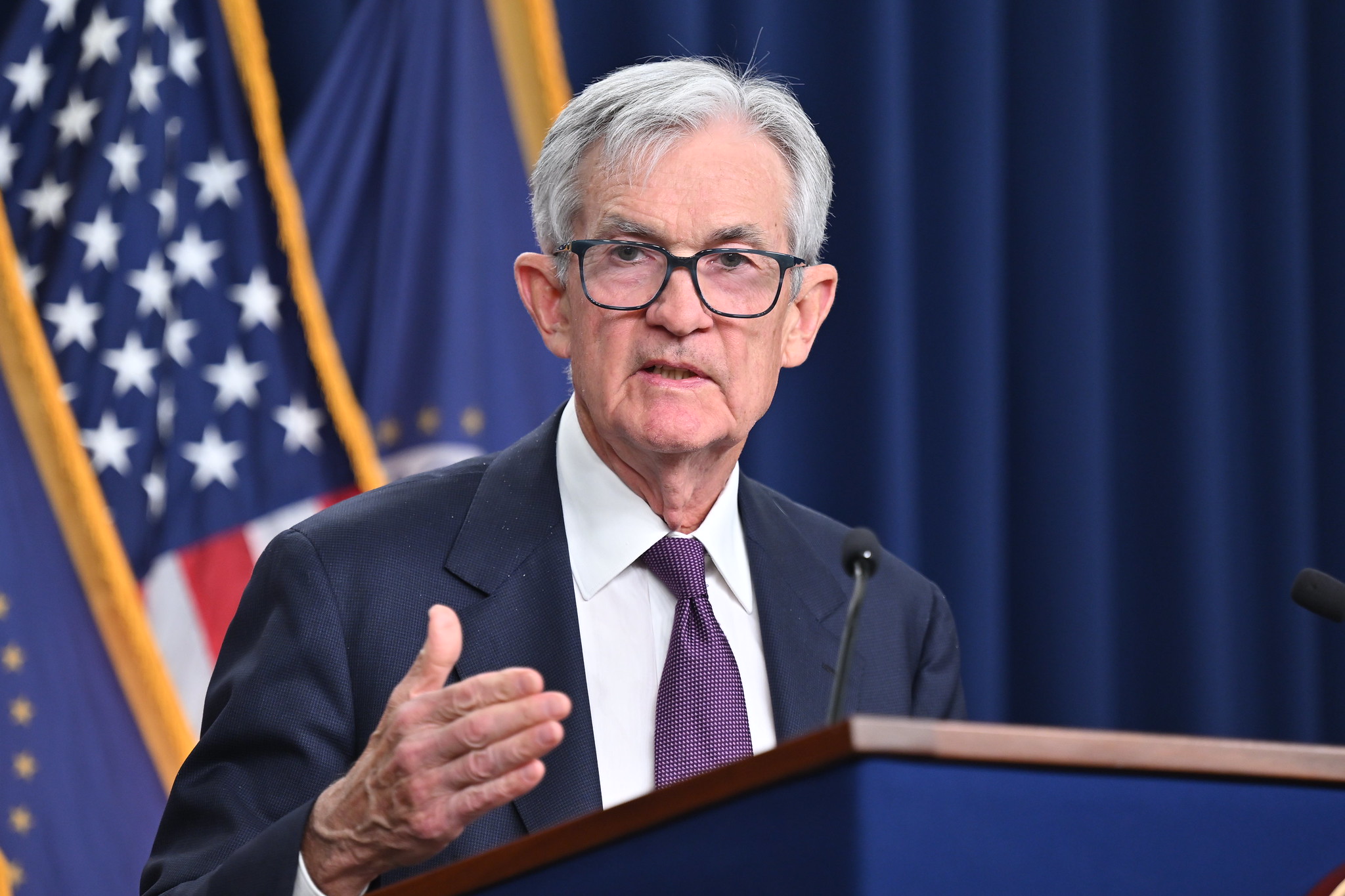

Overview
Kevin Warsh's expected appointment as Federal Reserve Chair (effective May 15, 2026) signals a fundamental shift toward hawkish monetary policy that will directly impact e-commerce sellers' financing costs, consumer purchasing power, and cross-border trade dynamics. Unlike outgoing Chair Jay Powell's accommodative stance, Warsh's historical voting record (2006-2011 FOMC tenure) demonstrates consistent preference for higher interest rates to combat inflation, even during periods of elevated unemployment. This ideological divergence creates significant operational headwinds for sellers dependent on low-cost capital and robust consumer demand.
The monetary policy implications are substantial and quantifiable. Warsh has publicly advocated for eliminating forward guidance and the quarterly dot plot—communication tools that markets have relied upon for decades to anticipate Fed decisions. He views the Fed's $6.7 trillion balance sheet (as of April 2026) as excessive and advocates for aggressive balance sheet reduction through selling long-term Treasury bonds and mortgage-backed securities. This contractionary approach directly contradicts President Trump's preference for interest rate cuts to 1% or lower. The conflict between Trump's expectations and Warsh's inflation-fighting mandate creates policy uncertainty that will likely keep rates elevated longer than sellers anticipated. U.S. inflation has already surged from 2.4% (February TTM) to 3.3% (March TTM)—a 90 basis point increase—with Cleveland Fed forecasting 3.58% for April, driven partly by the Iran war's disruption of oil exports through the Strait of Hormuz beginning February 28, 2026.
For e-commerce sellers, this translates into three critical operational challenges. First, inventory financing costs will increase 15-25% as higher interest rates raise borrowing expenses for working capital and expansion. Small sellers relying on Amazon lending or third-party 3PL financing will face monthly cost increases of $200-400 per $50,000 in financed inventory. Second, elevated inflation and energy prices increase product sourcing costs from Asia-Pacific suppliers and logistics expenses—shipping rates typically rise 8-12% during inflationary periods. Third, reduced consumer spending power from higher borrowing costs and stock market volatility (the market is at its second-priciest valuation in 155 years) will dampen sales volumes across Amazon, eBay, and Shopify platforms, particularly in discretionary categories like electronics, apparel, and home goods. Cross-border sellers face additional currency headwinds as higher U.S. rates strengthen the dollar, reducing purchasing power for international consumers and compressing margins on exports to EU and Asia-Pacific markets.
Questions 8
What is the timeline for Warsh's Fed appointment and when will policy changes take effect?
Kevin Warsh's appointment becomes effective May 15, 2026, when Jerome Powell's term ends. President Trump nominated Warsh on January 30, 2026. Policy changes will likely begin implementation in Q2-Q3 2026, with the most significant impact on balance sheet reduction and communication strategy changes occurring over 12-18 months. However, market expectations are already shifting in anticipation—sellers should begin adjusting financing strategies and inventory levels immediately rather than waiting for official policy changes. The Fed's current inflation reading of 3.3% (March TTM) with Cleveland Fed forecasting 3.58% for April suggests rate cuts remain unlikely through mid-2026.
How will Kevin Warsh's Fed leadership affect Amazon FBA seller financing costs?
Warsh's hawkish approach will likely keep interest rates elevated, increasing Amazon lending rates and third-party 3PL financing costs by 15-25% compared to current levels. Sellers currently financing $50,000 in inventory at 8-10% rates will see monthly costs rise from approximately $330-415 to $380-520. This directly impacts working capital availability for inventory replenishment, particularly for sellers managing seasonal demand spikes. Warsh's stated preference for higher rates to combat inflation (demonstrated during his 2006-2011 FOMC tenure) suggests limited rate cuts before 2027, making this a multi-year cost headwind for leveraged sellers.