


California Fuel Crisis Compresses E-Commerce Margins | $5.93/Gallon Drives 8-12% Logistics Cost Surge
- Gas prices 45% above national average threaten profitability for 50K+ sellers shipping from/to California; July 1 tax increase will further compress margins on ground shipping and last-mile delivery



Overview
California's fuel cost crisis represents a critical operational challenge for cross-border e-commerce sellers, with direct implications for logistics expenses, pricing strategies, and fulfillment location decisions. Gas prices in Southern California averaged $5.93 per gallon—45% above the national average of $4.09—creating unprecedented cost pressures on ground transportation, last-mile delivery, and inventory distribution. The scheduled July 1 gas tax increase tied to inflation will compound these challenges, forcing sellers to reassess their operational footprint and carrier partnerships.
Logistics Cost Impact on Seller Margins: Sellers utilizing ground shipping, regional distribution centers, or local fulfillment networks face immediate margin compression of 8-12% on monthly shipping expenses. Small and medium-sized sellers without negotiated carrier contracts experience the most acute pressure, as they lack volume leverage to absorb fuel surcharges. A typical seller shipping 1,000+ units monthly from California can expect $200-400 in additional monthly logistics costs, directly reducing net profit margins by 3-5% depending on product category and price point. This volatility mirrors the wholesale fuel cost fluctuations described by independent fuel retailers, where overnight price swings force businesses to absorb losses when costs spike after inventory purchases.
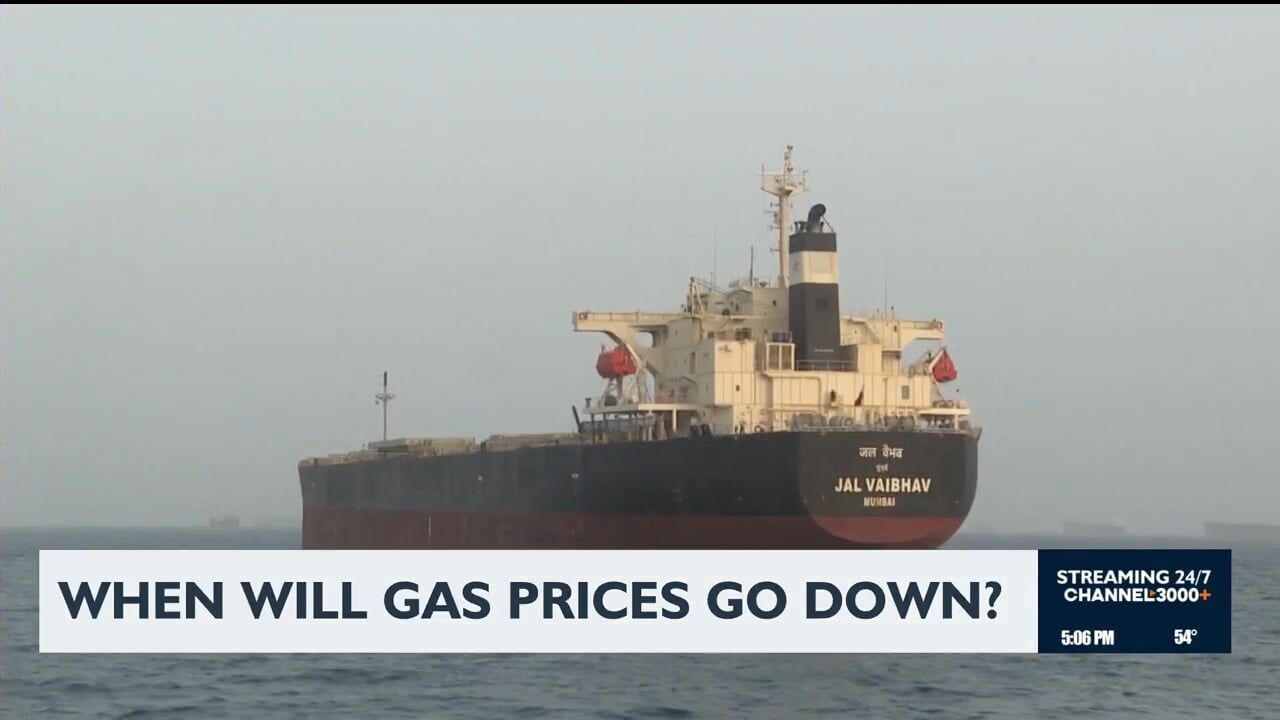
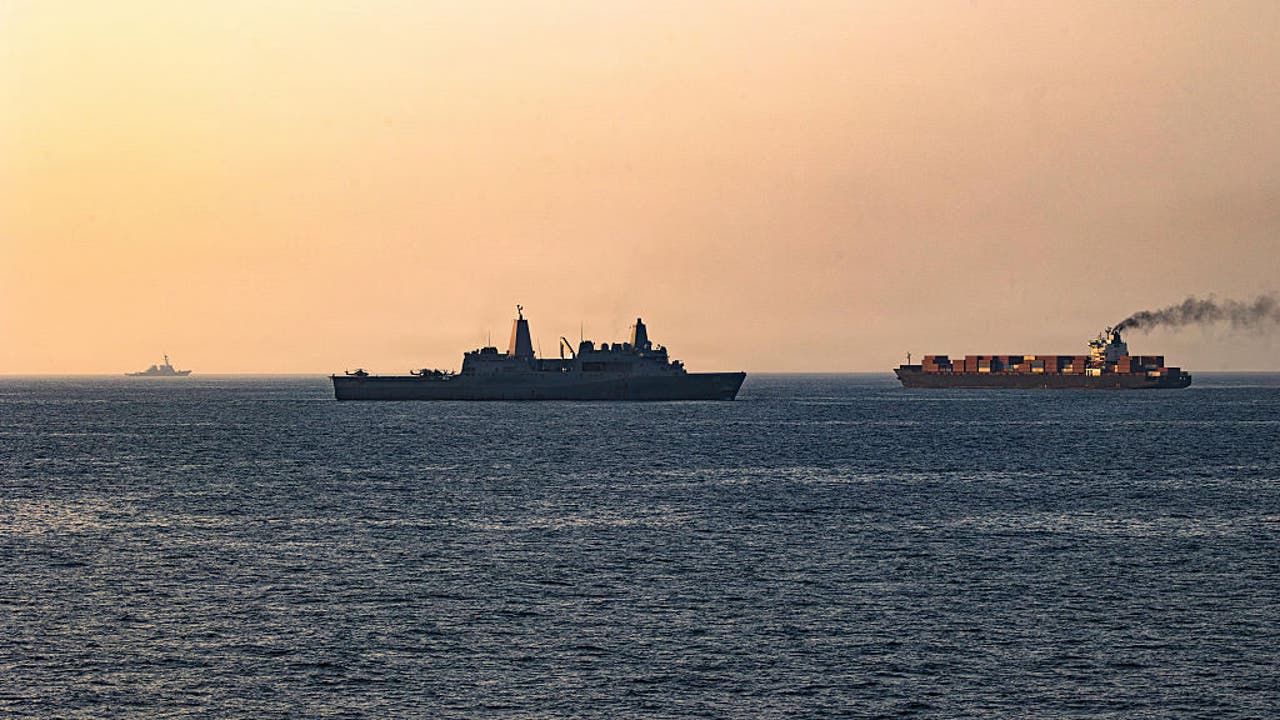
Consumer Discretionary Spending Decline: The elevated fuel costs are reducing consumer purchasing power, evidenced by customers rationing fuel purchases and declining discretionary spending. This signals reduced demand for non-essential goods across e-commerce categories, particularly affecting sellers in fashion, home goods, and lifestyle products. Sellers should anticipate 5-8% demand softening in California and similar high-cost markets, requiring inventory adjustments and promotional strategies to maintain conversion rates. The geopolitical uncertainty surrounding the Strait of Hormuz shipping route creates unpredictable wholesale price fluctuations that will persist, making cost forecasting increasingly difficult for sellers relying on California-based fulfillment.
Strategic Fulfillment Reallocation: Sellers must urgently evaluate fulfillment location decisions, considering whether to shift inventory to lower-cost regions (Texas, Nevada, Arizona) or negotiate multi-year carrier contracts to lock in current rates before July 1. Sellers with FBA presence in California should monitor storage cost implications, as increased logistics expenses may make regional consolidation more cost-effective. The regulatory environment creates a unique burden for California-based sellers, requiring immediate pricing strategy reviews to maintain profitability while remaining competitive. Expect logistics costs to remain elevated through 2025, necessitating operational restructuring for sellers dependent on California fulfillment networks.
Questions 8
What immediate actions should I take to protect margins before July 1?
Immediate actions (0-30 days): Review all carrier contracts and lock in rates before July 1 deadline; audit your fulfillment location mix and calculate cost impact of shifting 20-30% inventory to lower-cost regions; implement dynamic pricing with 3-5% fuel surcharge buffer; monitor competitor pricing weekly to maintain Buy Box eligibility. Strategic adjustments (1-6 months): Evaluate 3PL providers in Texas, Nevada, Arizona for potential fulfillment consolidation; renegotiate FBA inbound shipping rates; implement inventory optimization to reduce slow-moving SKUs that consume fulfillment capacity. Risk mitigation: Set up weekly fuel surcharge monitoring alerts; establish margin thresholds by product category and pause advertising on products falling below 8% net margin; track California demand trends versus other states to identify category-specific softening. Calculate your break-even shipping cost by category and adjust product mix accordingly.
How does fuel cost volatility affect my pricing strategy?
Fuel cost volatility creates unpredictable wholesale price fluctuations that make cost forecasting difficult. The Strait of Hormuz shipping route uncertainty means overnight price swings can occur, forcing sellers to absorb losses if they've already purchased inventory at lower wholesale costs. To mitigate this risk, implement dynamic pricing strategies that adjust product prices based on fuel surcharge indices (FedEx, UPS publish monthly surcharges). For sellers with negotiated carrier contracts, lock in multi-year rates before July 1. Consider implementing a 3-5% fuel surcharge buffer in your pricing to protect against volatility, and monitor competitor pricing weekly to maintain Buy Box eligibility while protecting margins.