


OpenAI Governance Crisis | AI Market Leadership Battle Reshapes Tech Seller Ecosystem
- $134B lawsuit threatens OpenAI's competitive position; Microsoft, Google, Anthropic vie for AI market dominance affecting seller tools and automation platforms
Overview
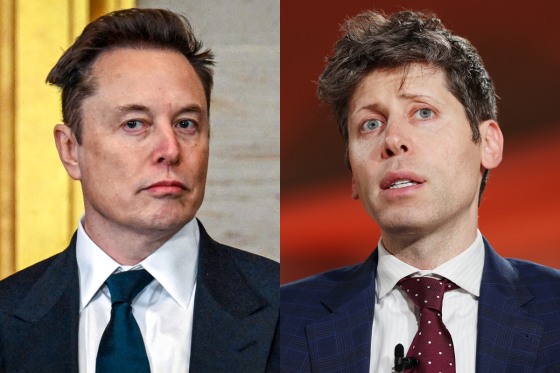
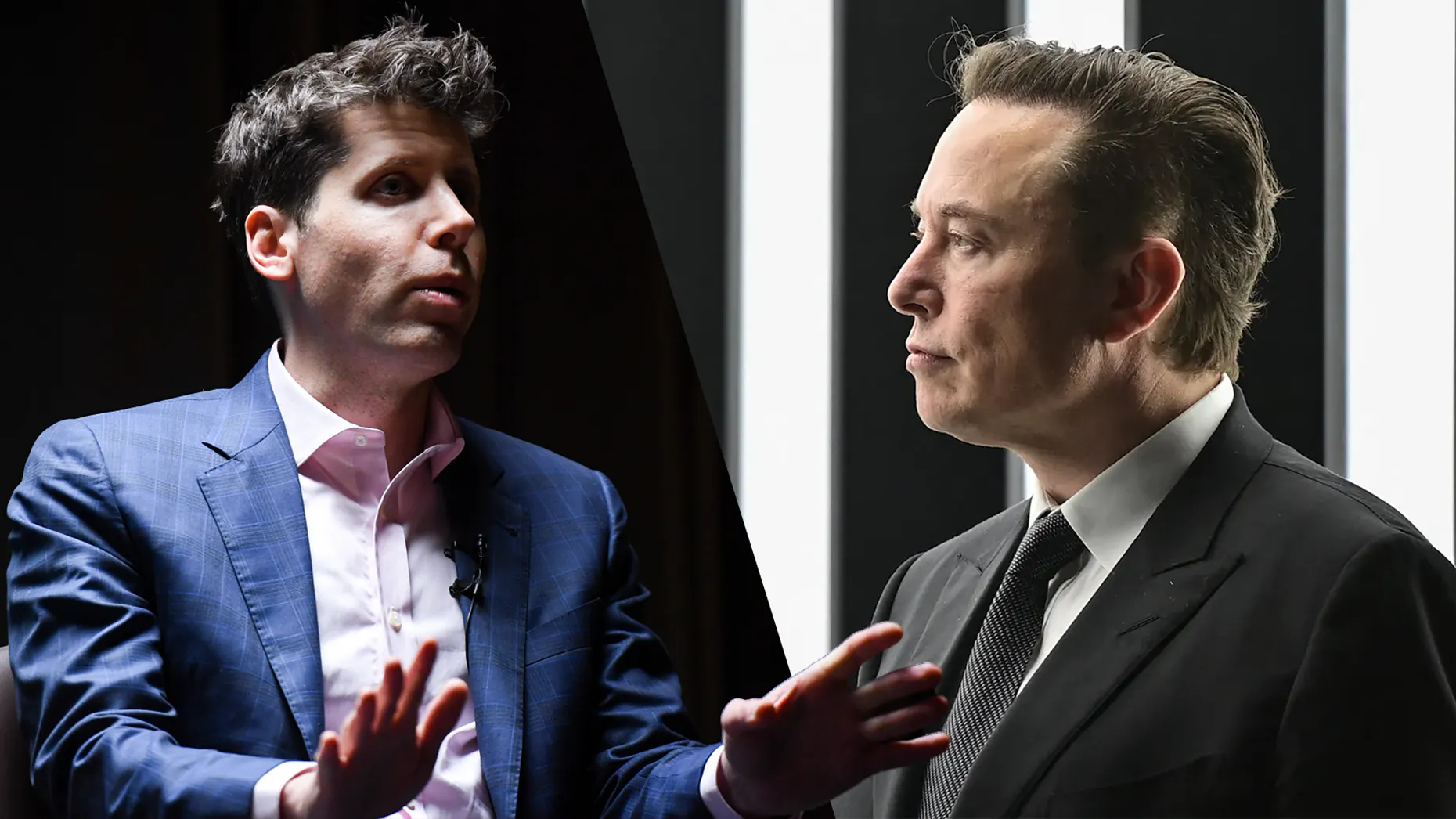
The federal civil trial between Elon Musk and Sam Altman over OpenAI's transformation from nonprofit to for-profit entity represents a critical inflection point for the AI-powered e-commerce ecosystem. Jury selection began in Oakland, California, with Musk seeking $134 billion in restitution (later amended to charitable fund allocation) plus executive removal, while Altman's team counters that Musk abandoned the company in 2018 without fulfilling his $1 billion pledge. This four-week trial, featuring Microsoft CEO Satya Nadella and top AI researchers as witnesses, occurs amid intense competition between OpenAI, Anthropic, and Google for AI market leadership—a battle with direct implications for e-commerce sellers relying on AI-powered tools.
The immediate impact on seller tools and automation: OpenAI's governance uncertainty directly affects the AI infrastructure that powers modern e-commerce operations. Sellers currently use ChatGPT and GPT-4 APIs for product listing optimization, customer service automation, demand forecasting, and inventory management. A trial outcome favoring Musk could trigger executive leadership changes, governance restructuring, or forced divestiture of OpenAI assets—potentially disrupting API availability, pricing models, or feature roadmaps that 50,000+ cross-border sellers depend on. Prediction markets gave Musk 32% odds of success, indicating substantial uncertainty. The jury composition—drawn from San Francisco and surrounding counties with significant tech worker populations and AI industry critics—suggests potential bias toward stricter governance standards, which could result in operational constraints on OpenAI's commercial activities.
Competitive landscape reshaping seller options: The trial accelerates the AI market consolidation narrative. Microsoft's $13B investment in OpenAI faces reputational risk if governance failures emerge; Google's Gemini and Anthropic's Claude represent alternative AI platforms gaining traction among sellers. If OpenAI's leadership or mission changes, sellers may diversify their AI tool stack across multiple providers—increasing adoption of Google Cloud AI, Anthropic's enterprise offerings, and open-source alternatives like Llama. This fragmentation creates both risk (tool switching costs, API incompatibility) and opportunity (sellers can negotiate better pricing by playing platforms against each other). The trial's outcome could reshape which AI provider becomes the default choice for seller automation, affecting pricing power and feature development across the industry.
Broader implications for AI regulation and seller compliance: The trial signals intensifying scrutiny of AI company governance, particularly around mission drift from public benefit to profit maximization. This precedent could influence future regulatory frameworks affecting how sellers use AI for content generation, customer targeting, and algorithmic pricing. If courts rule against OpenAI's governance structure, expect increased regulatory pressure on other AI companies and potential new compliance requirements for sellers using AI tools—similar to how GDPR compliance became mandatory for cross-border sellers. The charitable mission debate also highlights growing concerns about AI safety and security, which could translate into mandatory safety certifications or audit requirements for AI tools used in e-commerce.
Questions 7
Should sellers diversify away from OpenAI's tools due to trial uncertainty?
Moderate diversification is prudent risk management. While OpenAI remains the market leader (60%+ of enterprise AI adoption), the trial creates 12-18 months of operational uncertainty. Sellers should maintain OpenAI integration for core functions but develop backup capabilities using Google Gemini API, Anthropic's Claude, or open-source alternatives. This approach reduces single-vendor risk without requiring immediate tool migration. Start by testing alternative platforms on non-critical functions (customer service chatbots, content drafts) while maintaining OpenAI for mission-critical operations (listing optimization, demand forecasting). Estimated implementation cost: $2,000-10,000 for API integration and staff training. Timeline: Begin evaluation now, complete testing by Q2 2025, finalize backup systems by Q3 2025 before potential trial verdict impacts operations.
What happens to Microsoft's AI partnership if Musk wins the trial?
Microsoft's $13 billion OpenAI investment faces significant risk if Musk prevails. A court ruling against OpenAI's governance could trigger executive changes, forced asset sales, or mission restructuring that destabilizes Microsoft's AI roadmap. Microsoft currently integrates OpenAI's technology into Copilot, Azure AI services, and Office 365 automation—tools that 200,000+ enterprise sellers rely on for business operations. If OpenAI's leadership changes, Microsoft may need to renegotiate terms, accelerate development of competing AI models, or shift investment to alternative providers. Sellers dependent on Microsoft's AI-powered tools (Copilot for Excel forecasting, Dynamics 365 automation) should monitor the trial for potential service disruptions or feature changes.