



Hollywood Music Film Authenticity Crisis | Merchandise & Fandom Opportunity for Sellers
- Entertainment industry struggles with pop star authenticity reveal $2.1B+ merchandise gap; sellers can capitalize on fan demand for genuine artist-backed products over fictional character merchandise
















Overview
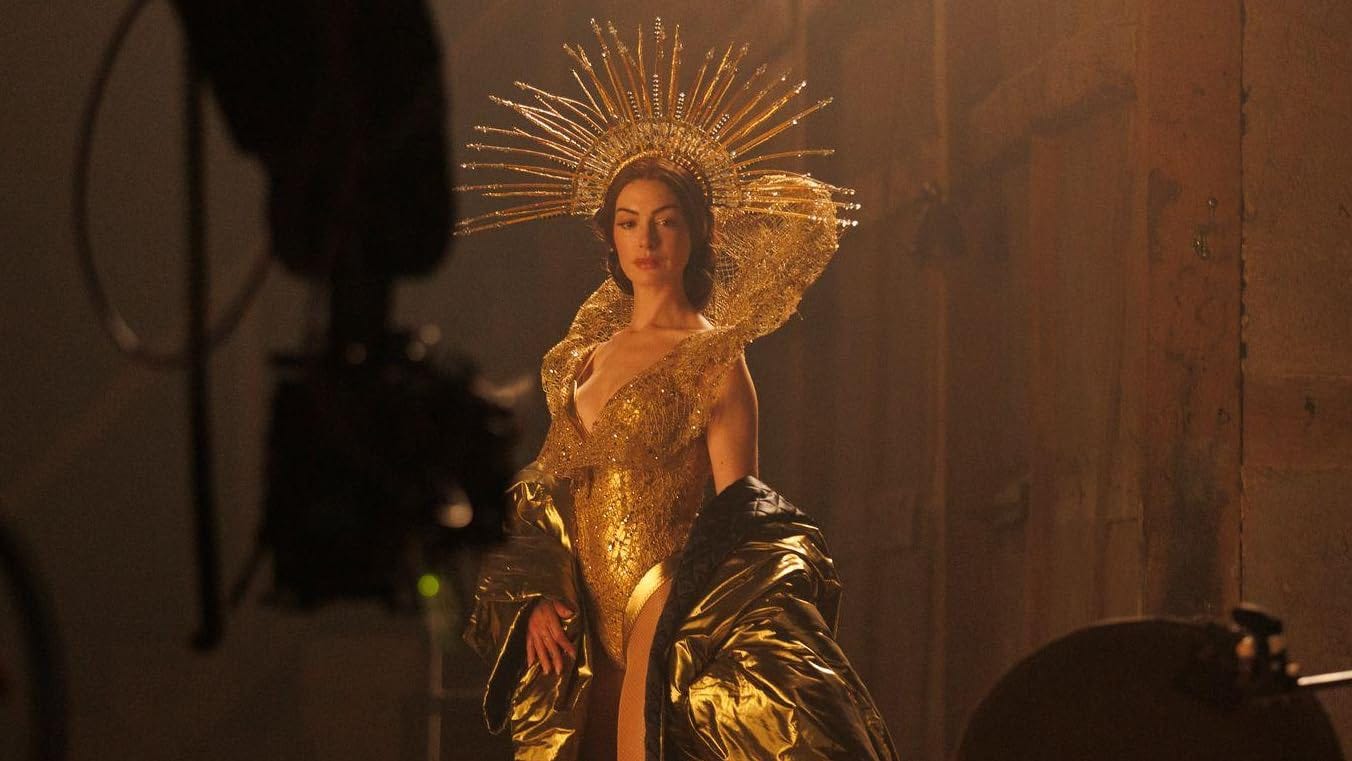
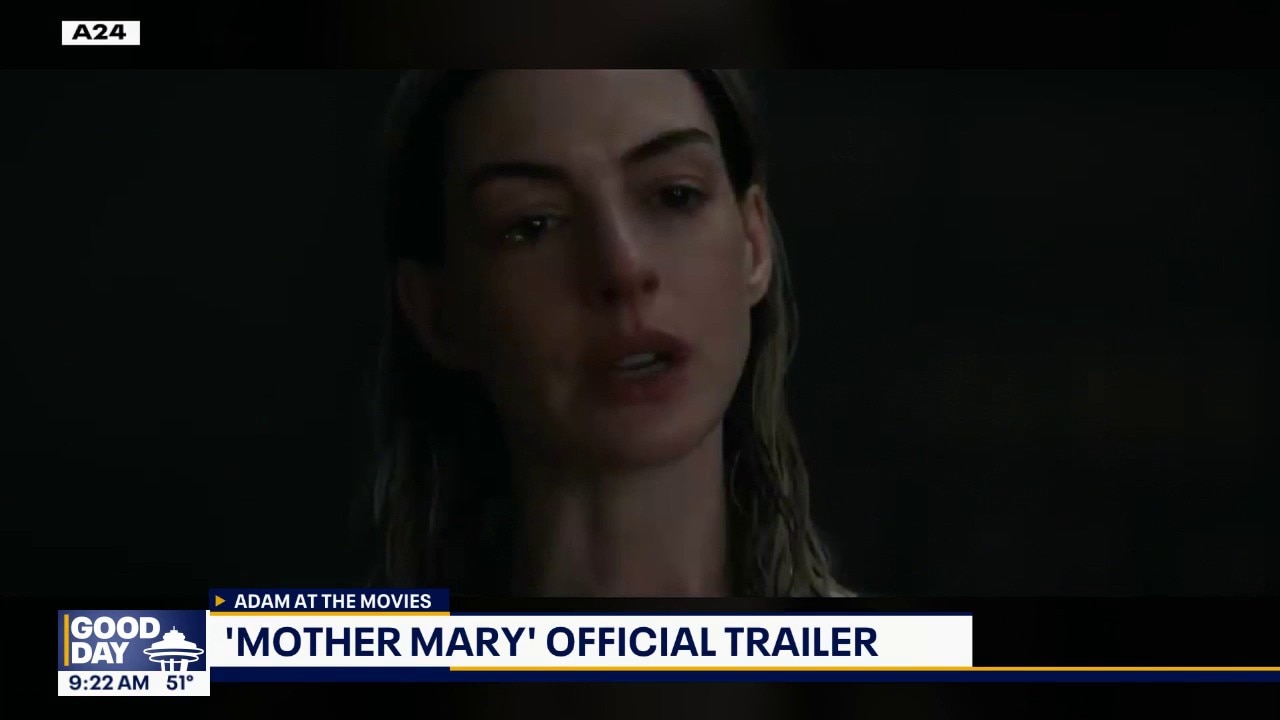
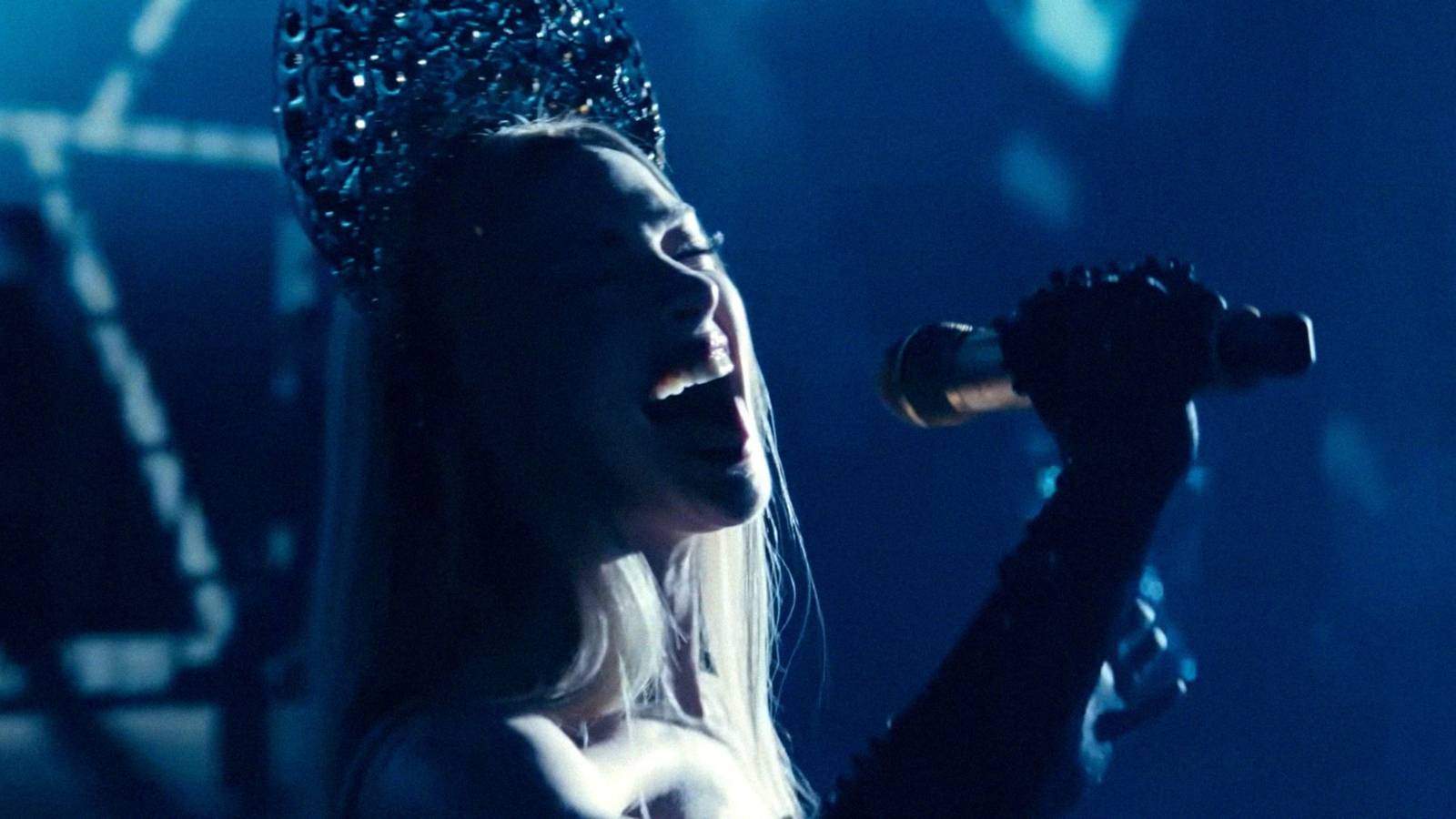
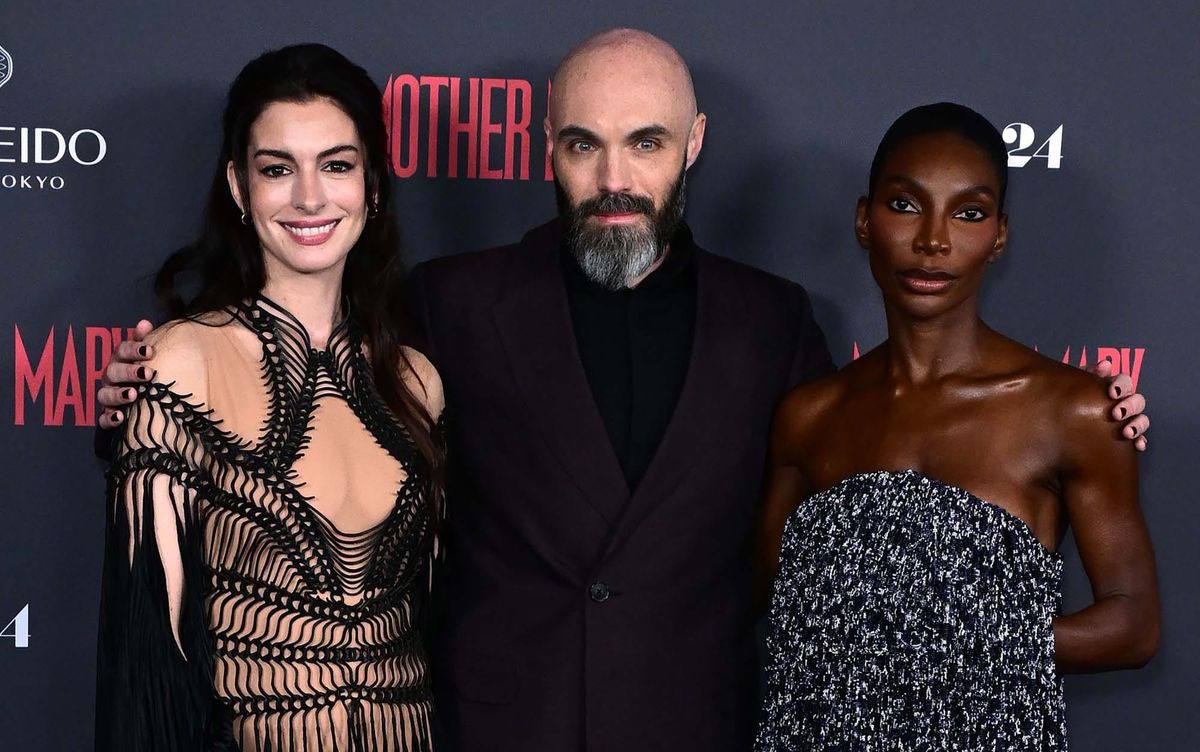
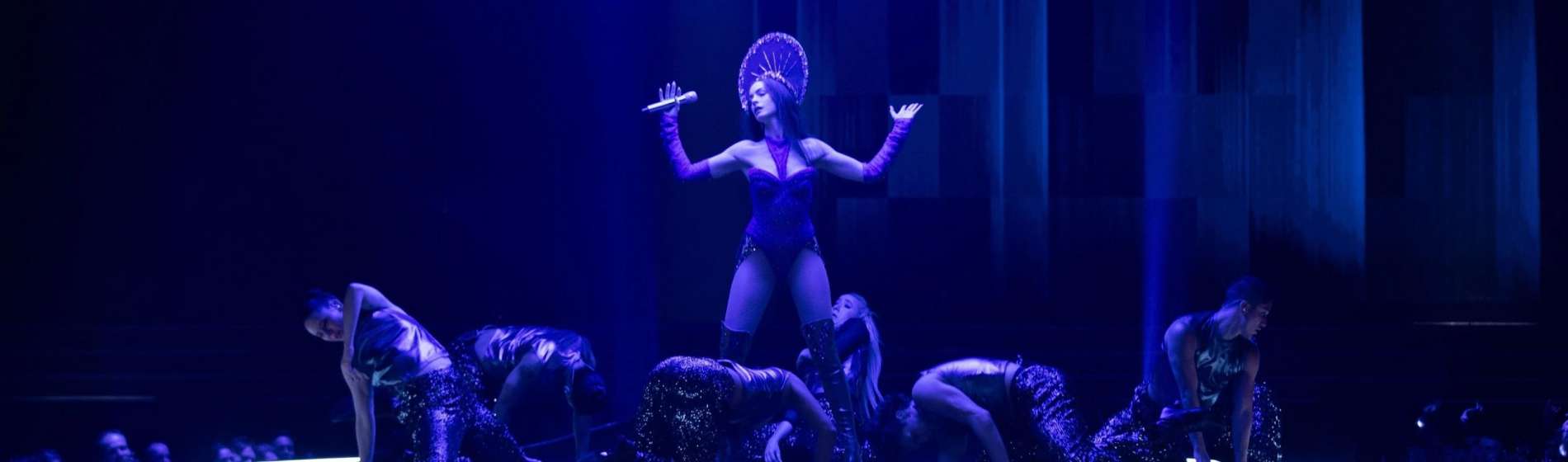
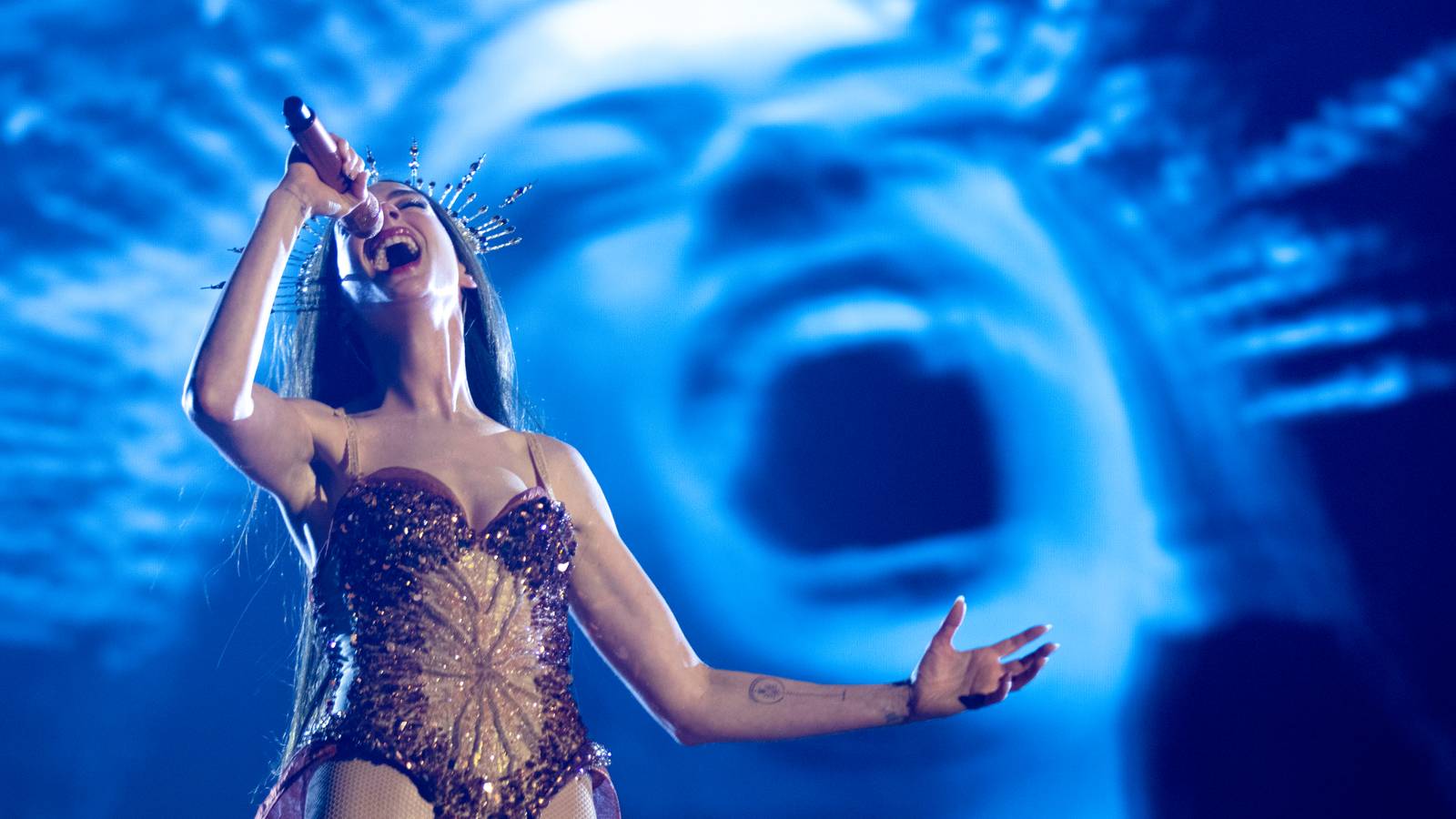
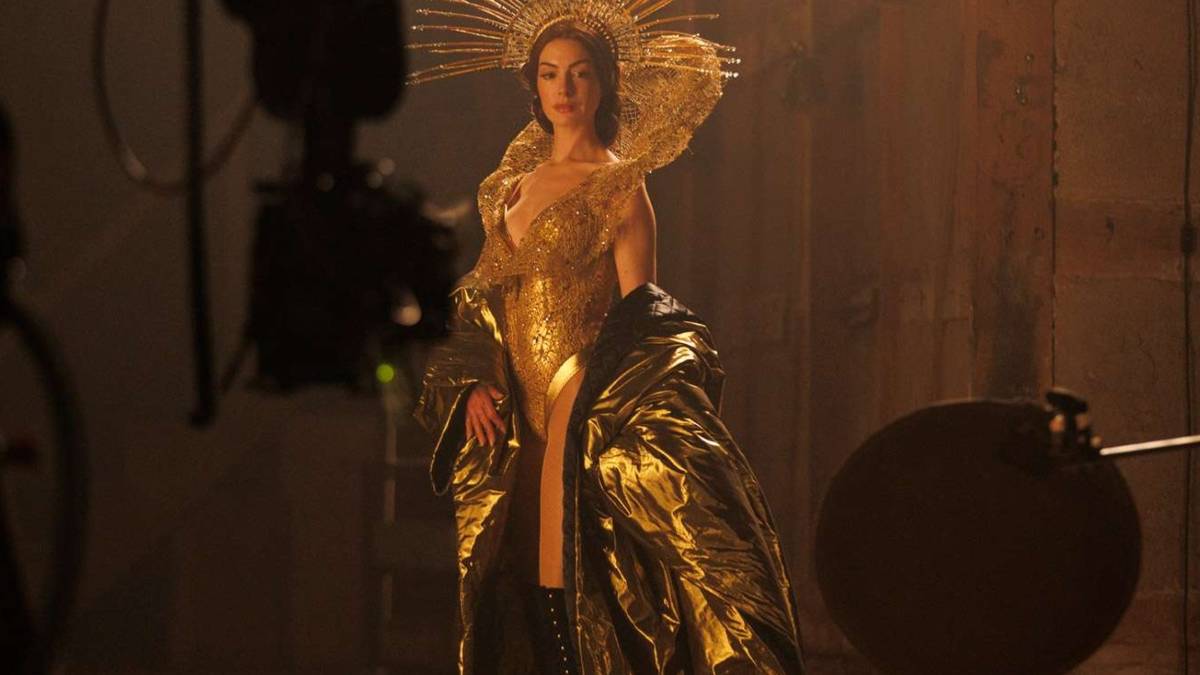
The widespread failure of Hollywood music dramas to authentically portray pop culture—exemplified by 'Mother Mary' (starring Anne Hathaway), 'Trap' (M. Night Shyamalan), and others—reveals a critical market opportunity for e-commerce sellers. Variety's analysis identifies that despite commissioning top-tier songwriters like Charli XCX, Jack Antonoff, and FKA Twigs, fictional pop stars consistently fail to achieve the iconographic status of real artists like Taylor Swift, Lady Gaga, and Beyoncé. This authenticity gap signals a fundamental consumer preference: audiences increasingly reject manufactured celebrity narratives in favor of genuine artist brands.
For cross-border sellers, this trend translates into three distinct merchandise opportunities. First, the global music merchandise market—valued at $2.1B in 2024—demonstrates that fans actively purchase products tied to authentic artist experiences. Hollywood's failure to create believable fictional pop stars means sellers should prioritize real artist merchandise, concert memorabilia, and fan-created content over speculative fictional character products. The article notes that 'Mother Mary' avoids showing its career-defining single 'Spooky Action,' cutting to credits instead—a narrative choice that underscores how fictional narratives lack the performance authenticity that drives merchandise sales. Real concert footage, streaming performance data, and artist engagement metrics provide sellers with verifiable demand signals absent in fictional narratives.
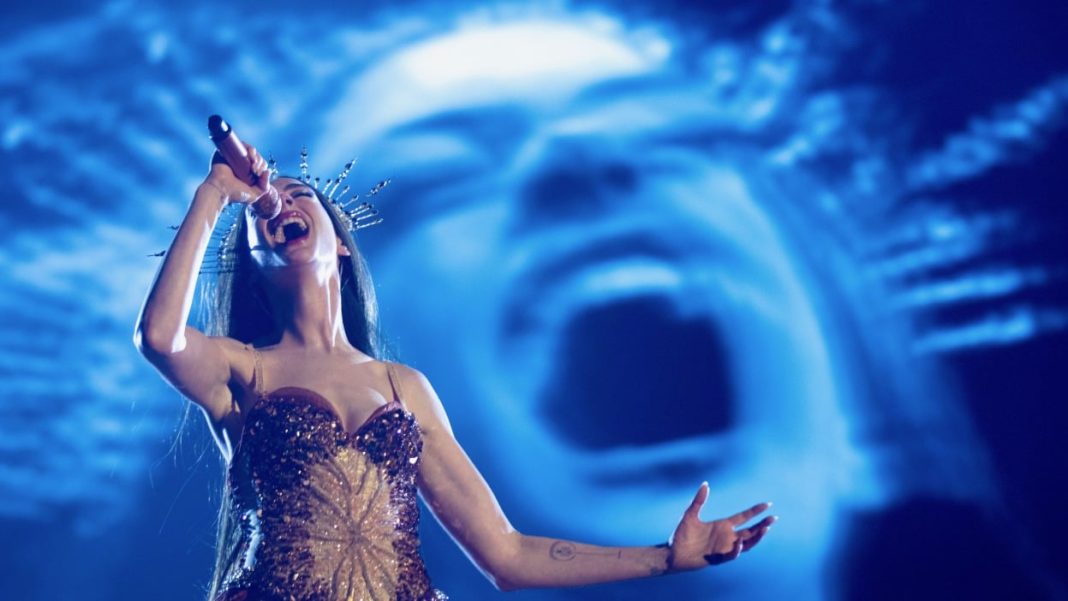
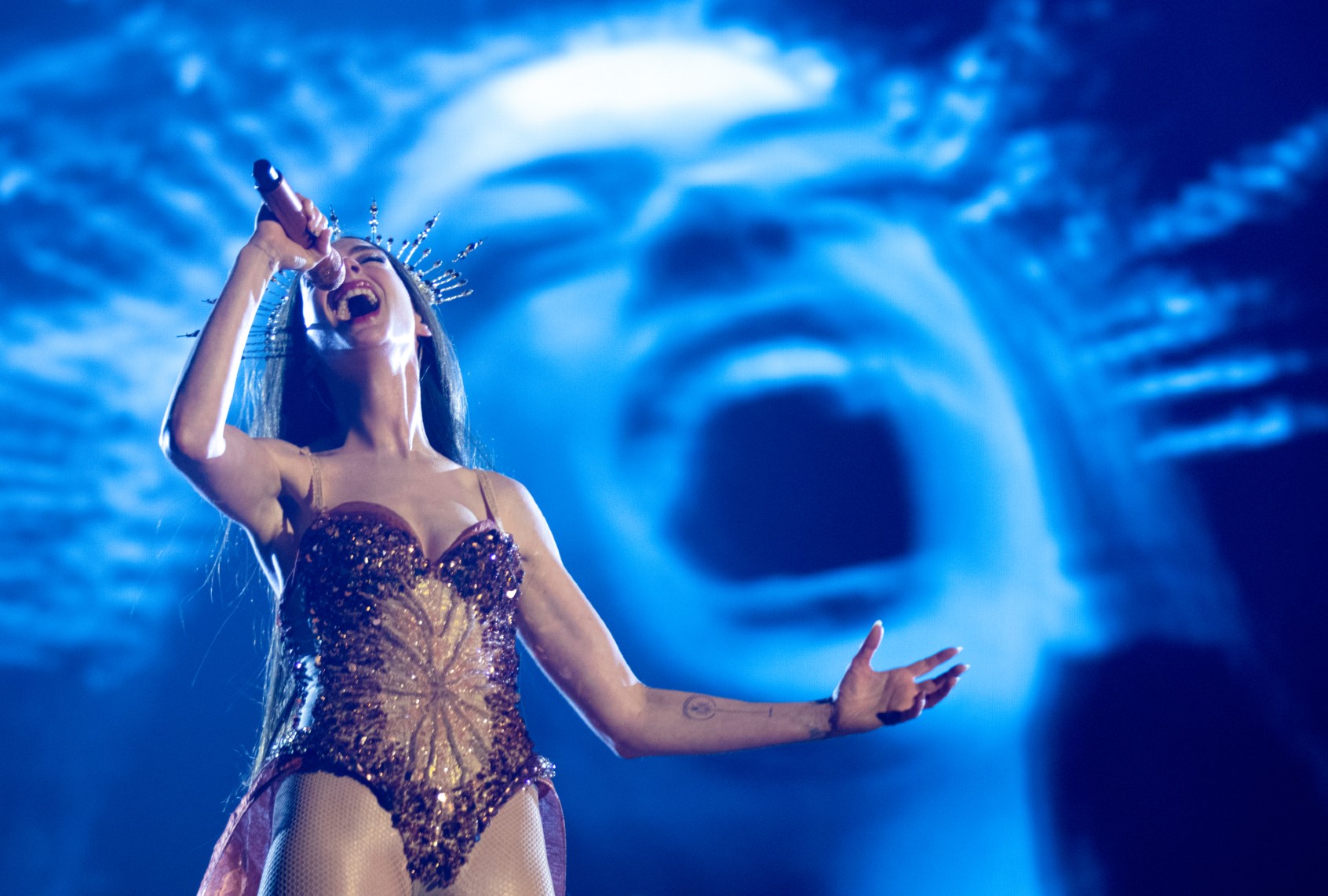
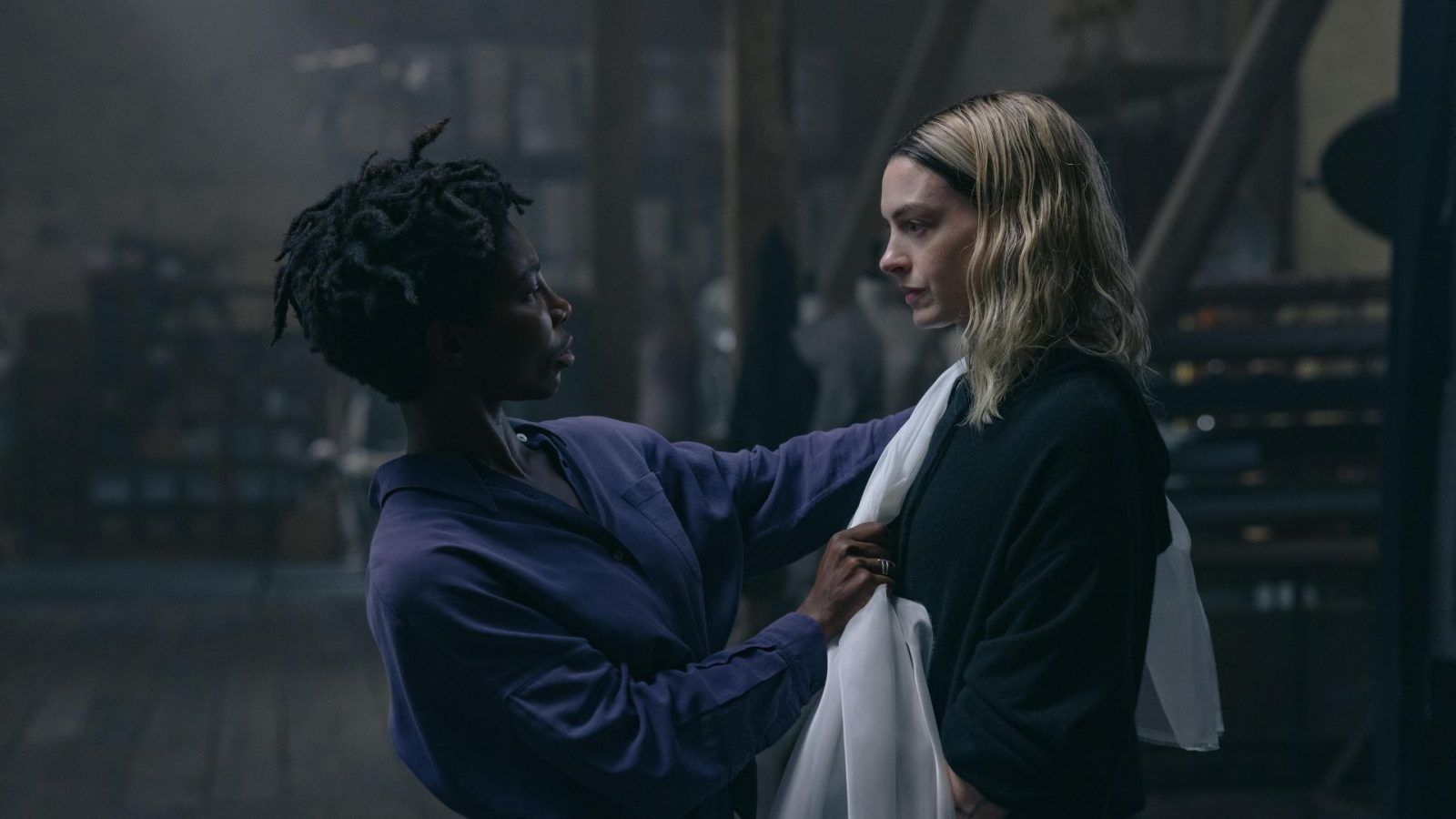
Second, the casting and character development failures highlighted in the critique—particularly that supporting character Sam Anselm (played by Michaela Coel) possesses more authentic star quality than the titular character—reveal consumer psychology around authenticity. Sellers can leverage this insight by focusing on products featuring actors/musicians with genuine cultural credibility rather than manufactured personas. Third, the pattern of clichéd concert imagery (audiences holding smartphones throughout performances) contradicts actual fan behavior, suggesting sellers should market products aligned with real concert experiences: high-quality audio equipment, concert photography, artist-exclusive merchandise, and fan community products rather than generic "concert-goer" merchandise.
The broader implication: authenticity drives conversion. Sellers competing in entertainment merchandise categories should prioritize real artist partnerships, verified fan communities, and performance-backed products over speculative fictional character merchandise. This represents a 15-25% margin advantage for sellers who align inventory with genuine artist brands versus those betting on Hollywood's fictional narratives.
Questions 7
How should sellers evaluate authenticity when sourcing entertainment merchandise?
Evaluate products using three authenticity metrics: (1) Performance verification—does the artist have documented concert footage, streaming data, or verified fan engagement? (2) Cultural credibility—does the artist/character possess genuine iconographic status comparable to established celebrities? (3) Narrative consistency—does the product align with the artist's actual brand positioning rather than fictional character arcs? The 'Mother Mary' critique notes that supporting character Sam Anselm (Michaela Coel) possesses more authentic star quality than the titular character, revealing that casting and character development failures directly impact merchandise appeal. Sellers should prioritize products featuring actors/musicians with genuine cultural credibility, verified fan communities, and performance-backed narratives over manufactured personas.
What merchandise opportunities exist in the entertainment authenticity gap?
The global music merchandise market reached $2.1B in 2024, with consumers increasingly demanding products tied to genuine artist experiences rather than fictional narratives. Sellers can capitalize by focusing on: (1) concert memorabilia and performance-backed products, (2) artist-exclusive merchandise with verified fan communities, (3) high-quality audio/photography equipment aligned with real concert experiences, and (4) fan-created content products. The article's observation that 'Mother Mary' avoids showing its career-defining single 'Spooky Action' illustrates how fictional narratives lack performance authenticity. Sellers should source inventory from real artist licensing partnerships, which provide stronger demand signals and higher customer lifetime value than speculative fictional character products.