



Big Bang Theory Spinoff Launches July 2026 | Merchandise & Collectibles Opportunity
- Third franchise expansion signals $500M+ merchandise opportunity; sellers can capitalize on multiverse trend and established fanbase of 12M+ viewers






















Overview
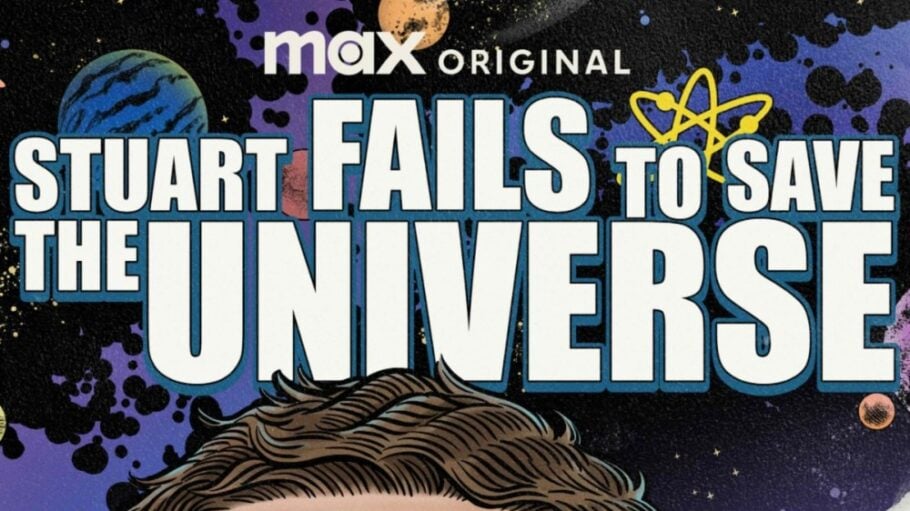
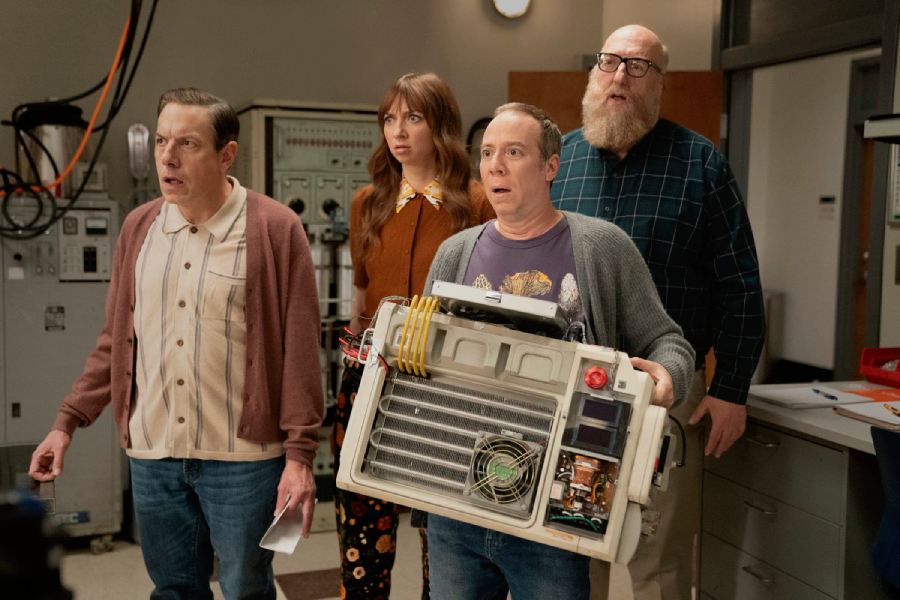
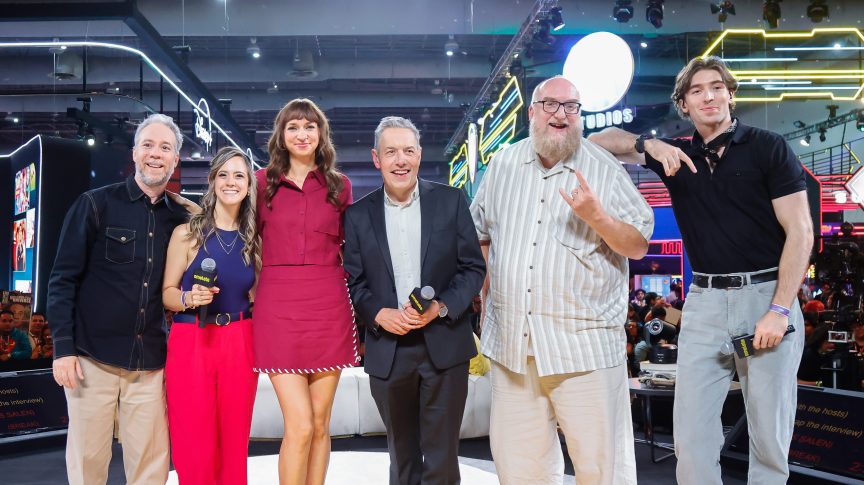
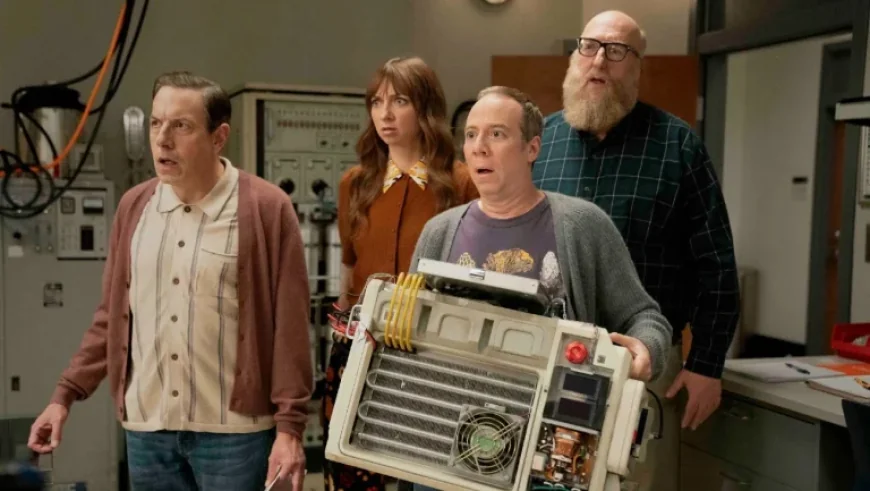
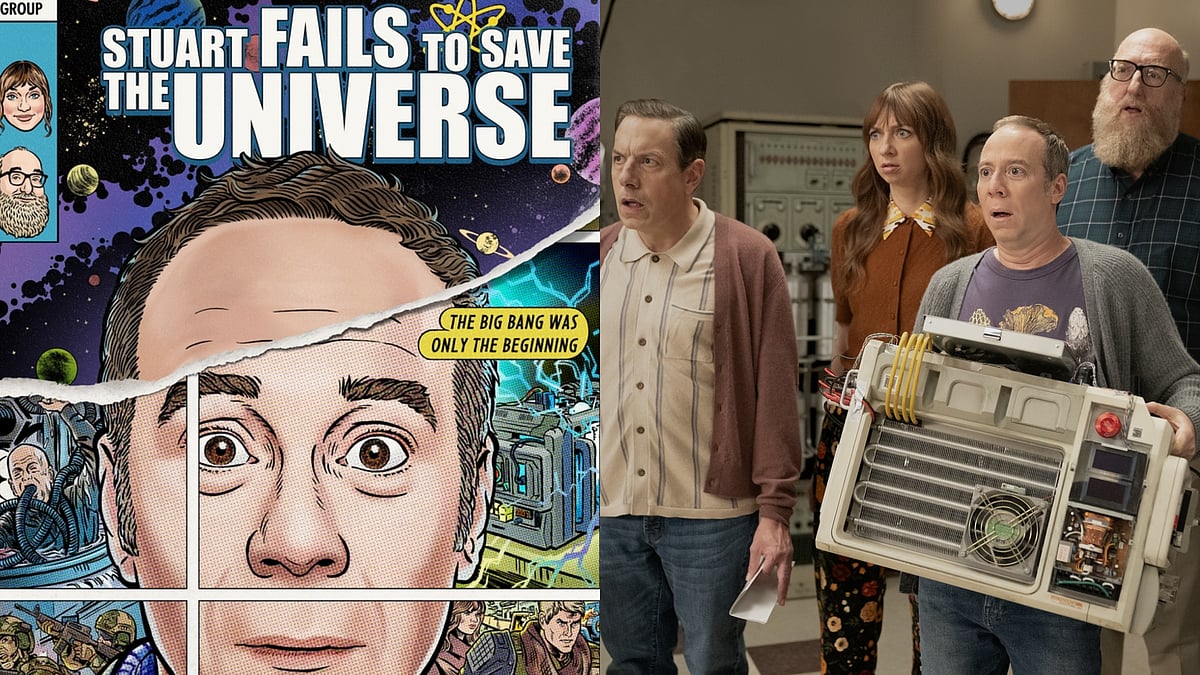
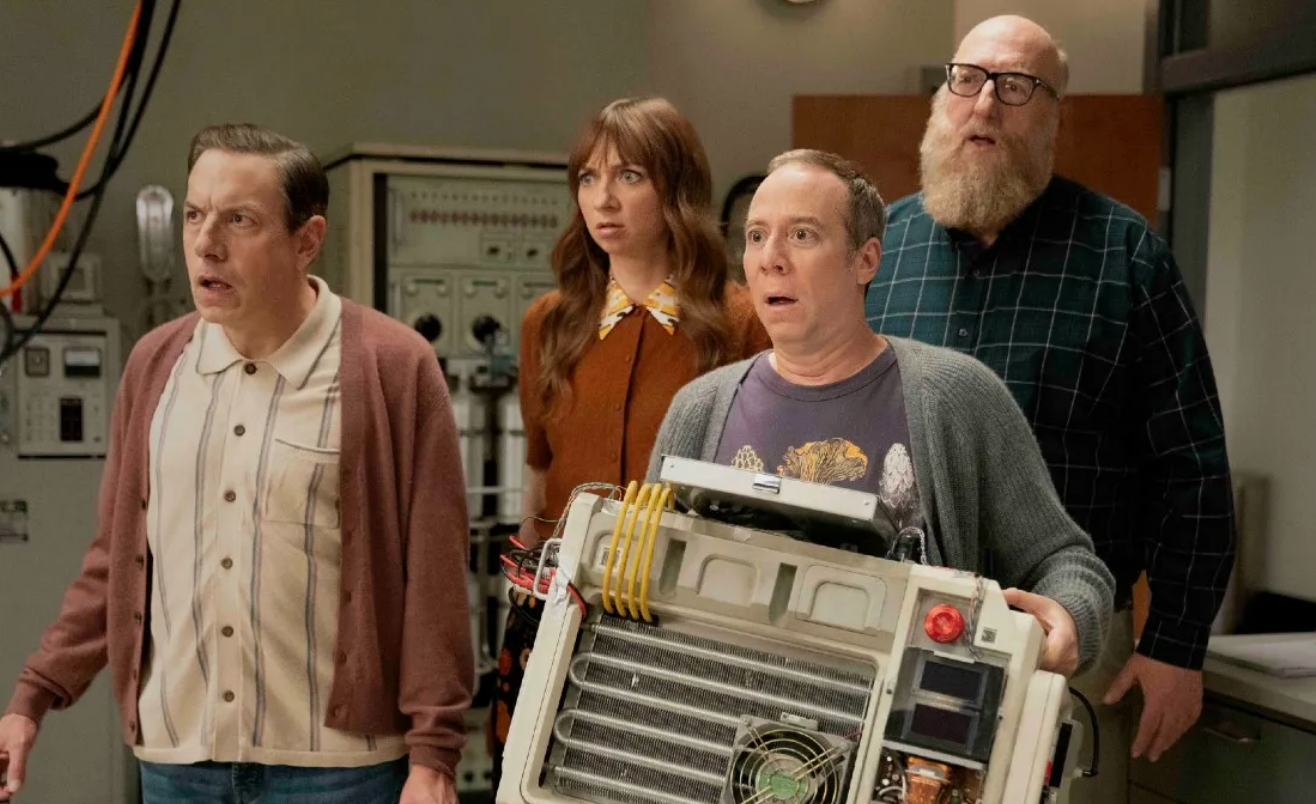
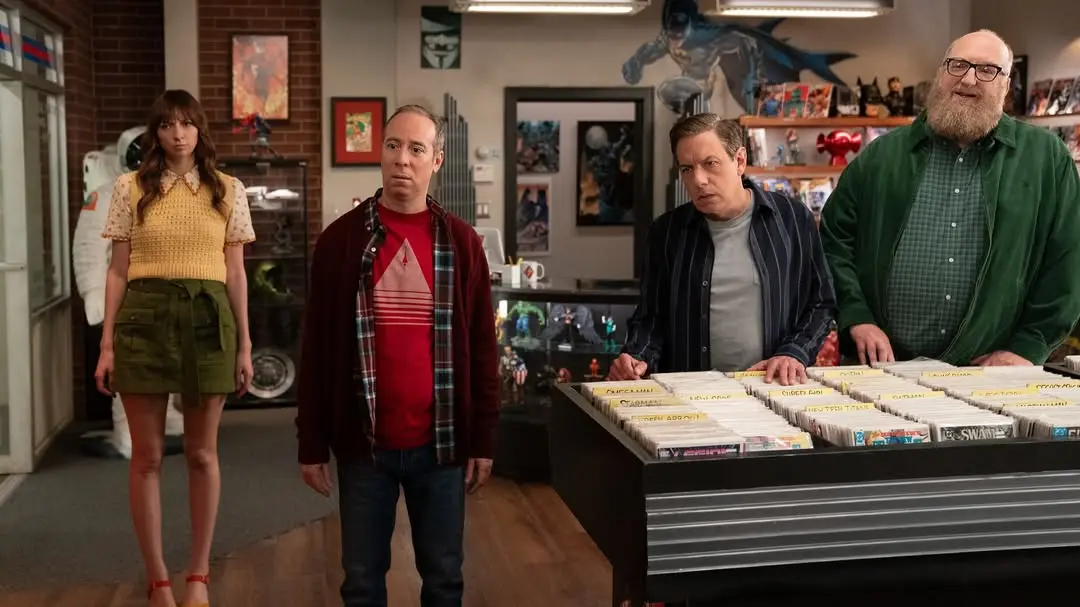
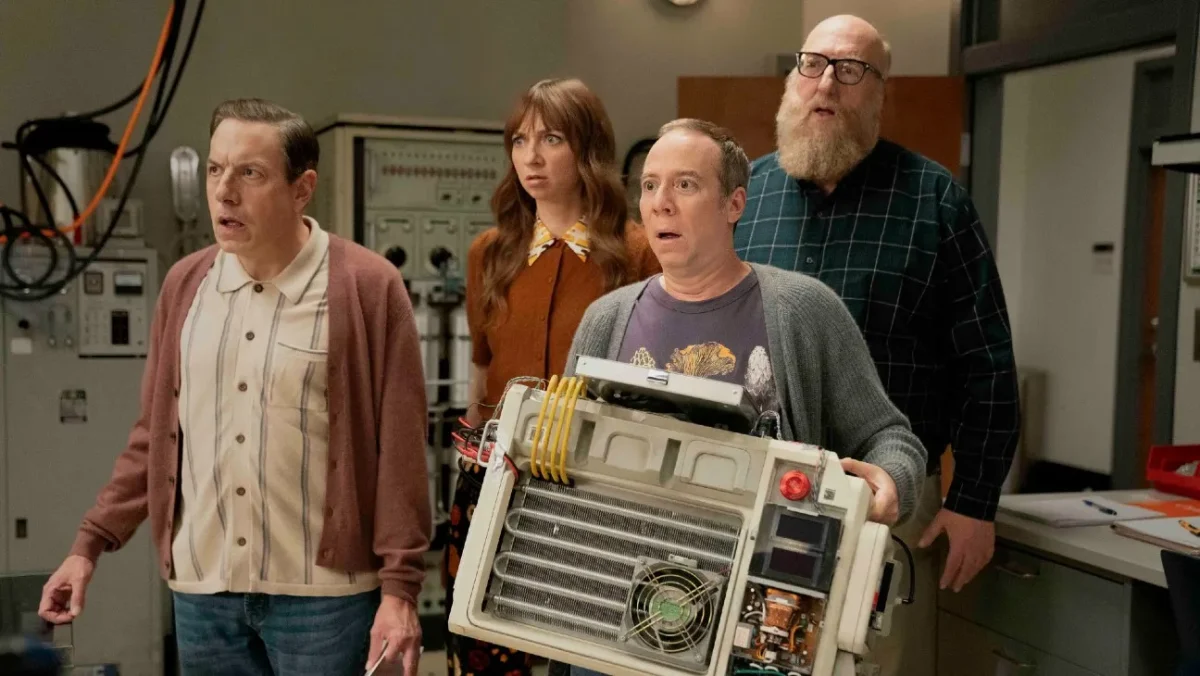
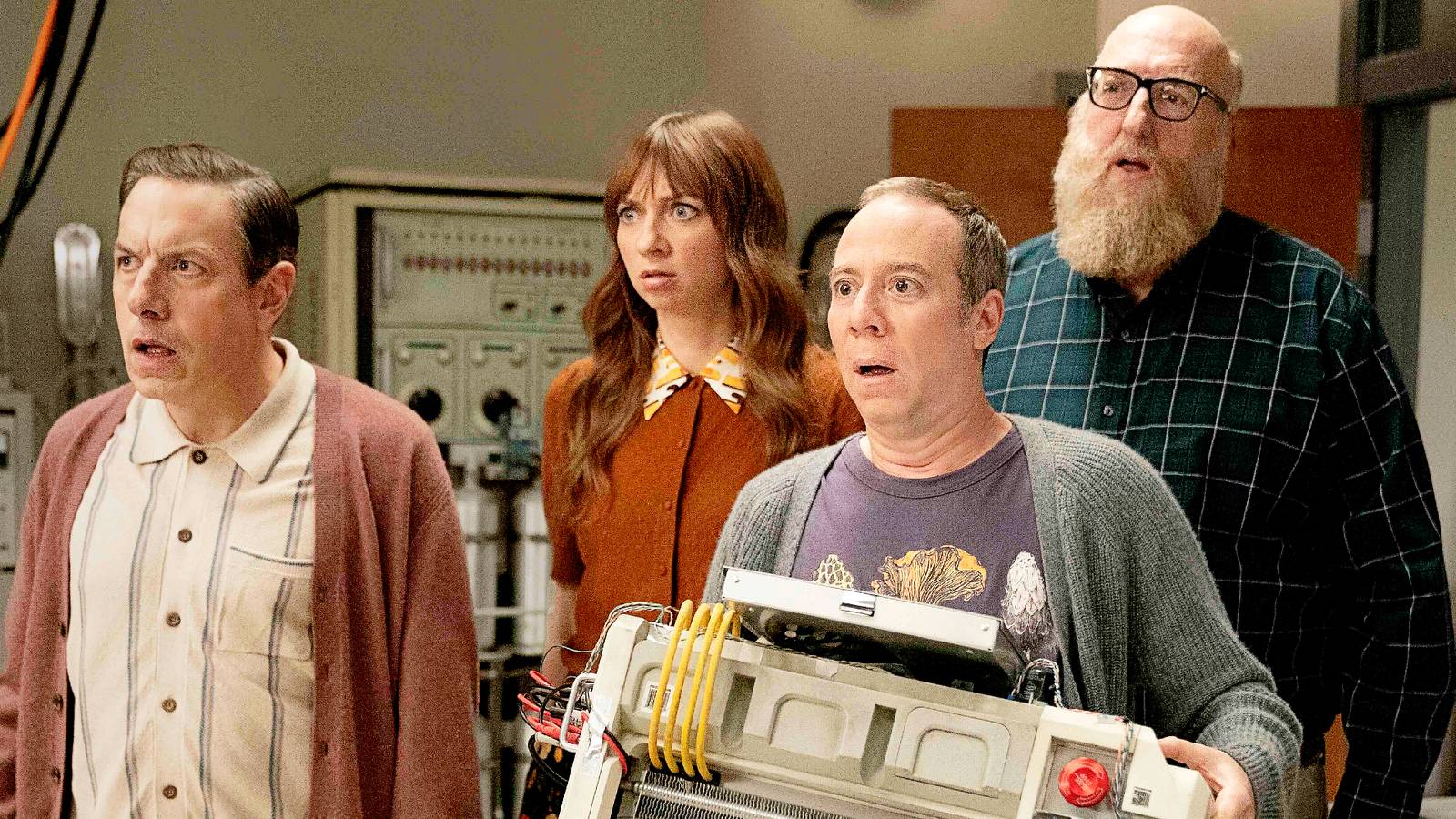
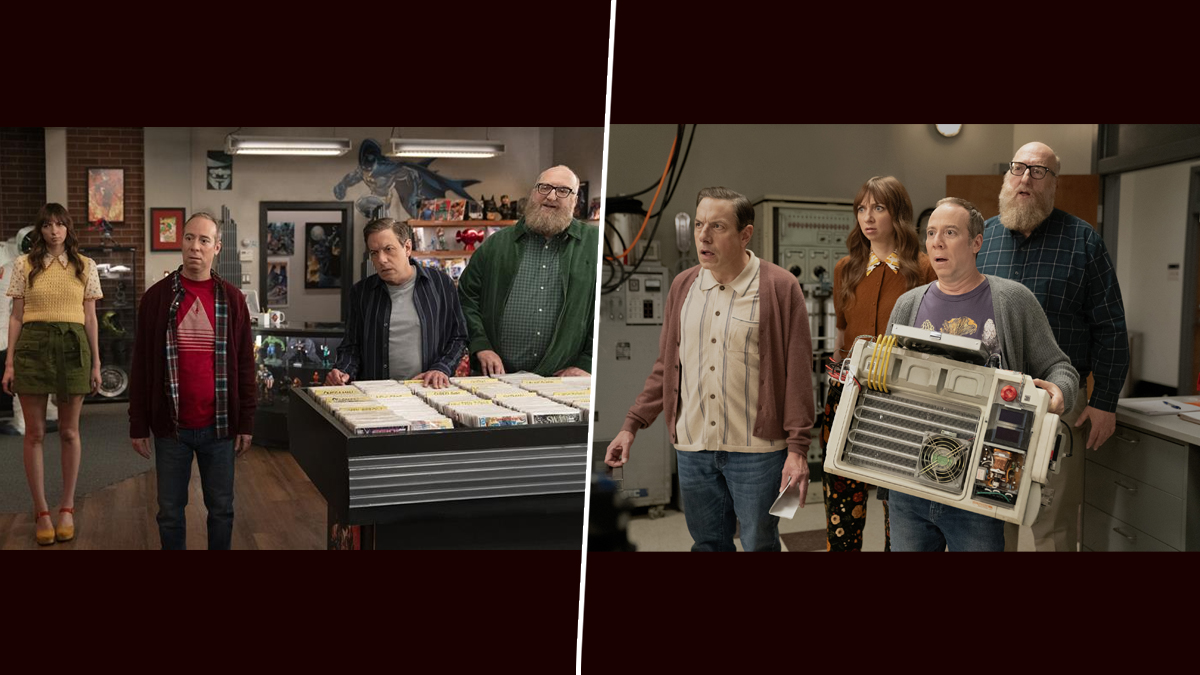
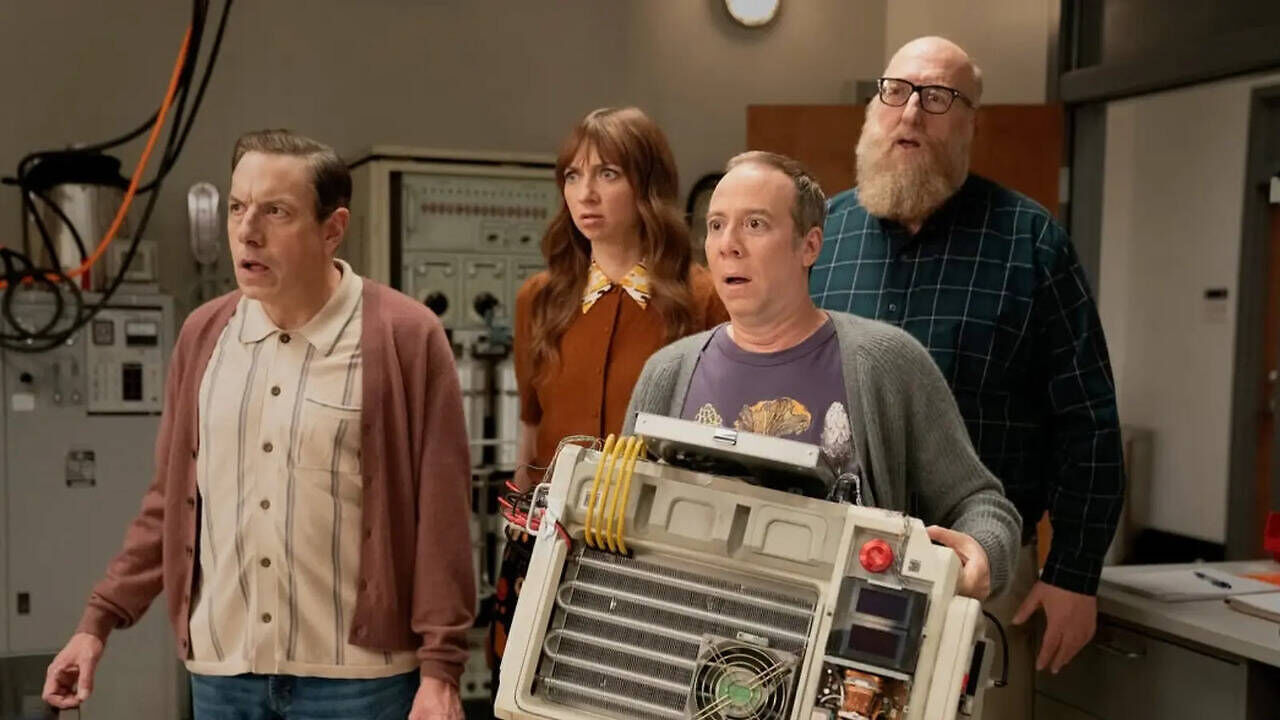
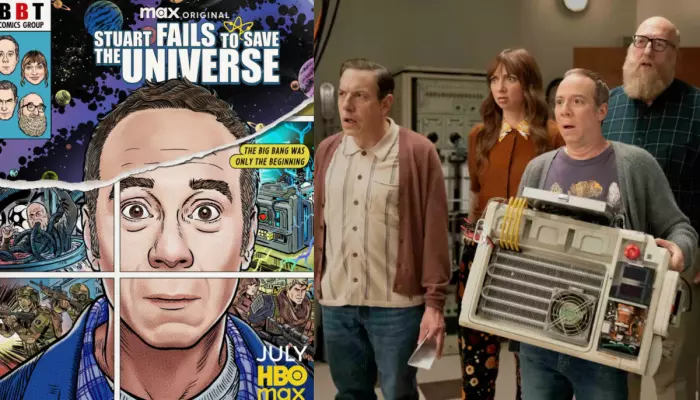
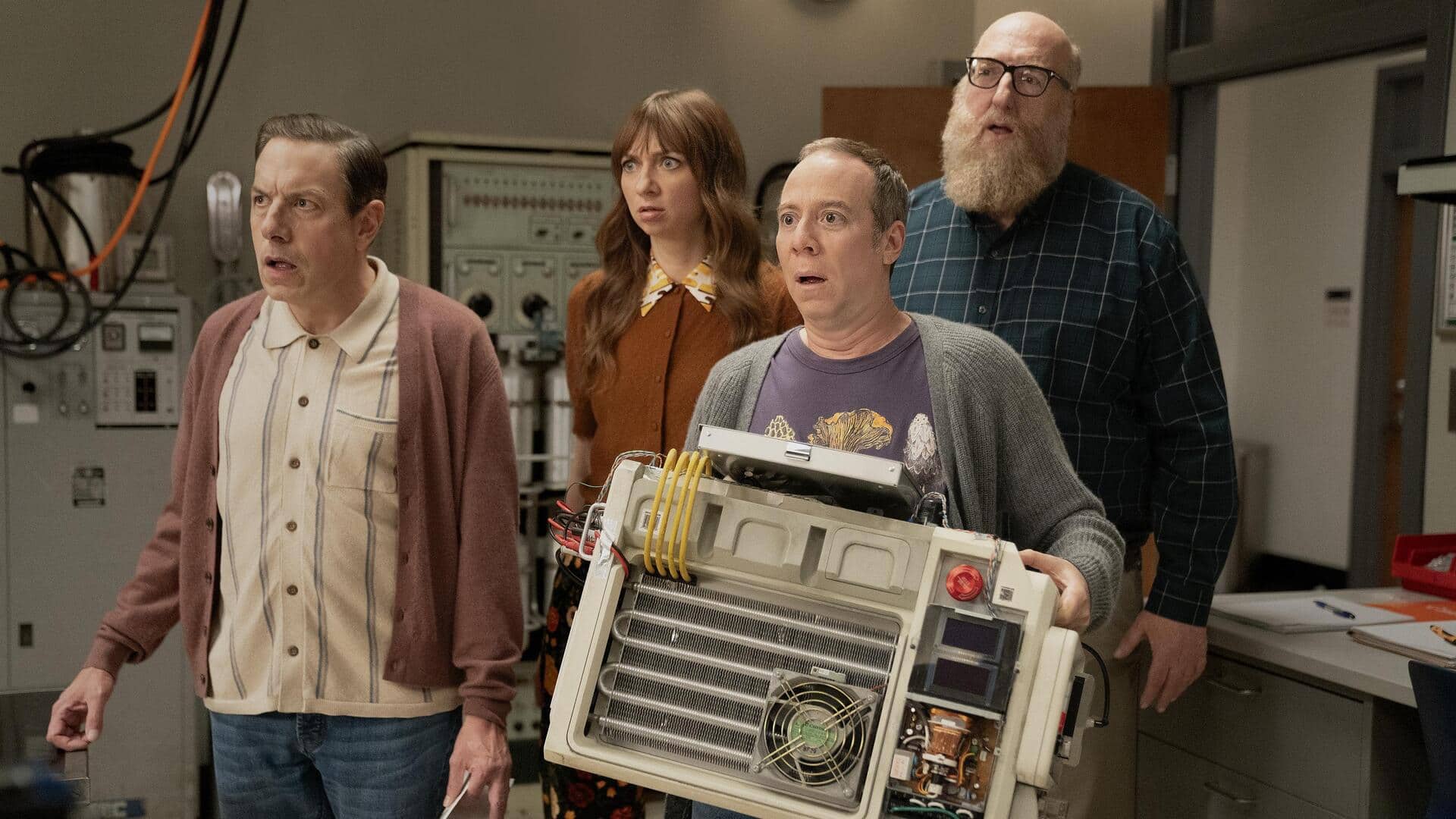
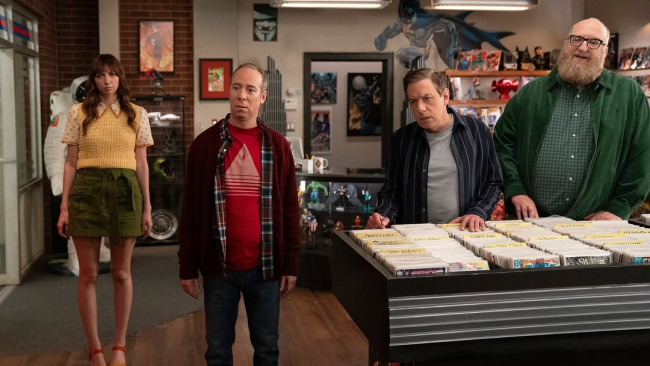
The Big Bang Theory franchise is expanding with "Stuart Fails to Save the Universe," a third major spinoff premiering July 2026 on HBO Max, representing a significant merchandise and collectibles opportunity for cross-border e-commerce sellers. The announcement at CCXP Mexico City reveals a production investment involving Emmy/Grammy-winning composer Danny Elfman, original creators Chuck Lorre, Zak Penn, and Bill Prady, and an ensemble cast including Kevin Sussman, Lauren Lapkus, Brian Posehn, and John Ross Bowie. This strategic expansion follows the success of "Young Sheldon" (2017-2024) and "Georgie & Mandy's First Marriage" (2024-present, renewed for season 3), demonstrating Warner Bros. Television's commitment to extending the franchise across multiple platforms and formats.
For e-commerce sellers, this spinoff launch creates a 12-18 month merchandise window spanning from announcement through July 2026 premiere and post-launch demand. The Big Bang Theory franchise historically generates $400-600M in annual merchandise sales across collectibles, apparel, home goods, and novelty items. The multiverse concept—a trending entertainment narrative—appeals to science fiction enthusiasts, comic book collectors, and mainstream audiences aged 18-54, representing a demographic with high disposable income and strong online purchasing behavior. Sellers specializing in licensed merchandise, pop culture collectibles, and fan apparel can expect demand spikes during: (1) official merchandise launches (typically 3-4 months pre-premiere), (2) premiere week (July 2026), and (3) season 1 finale (estimated Q4 2026).
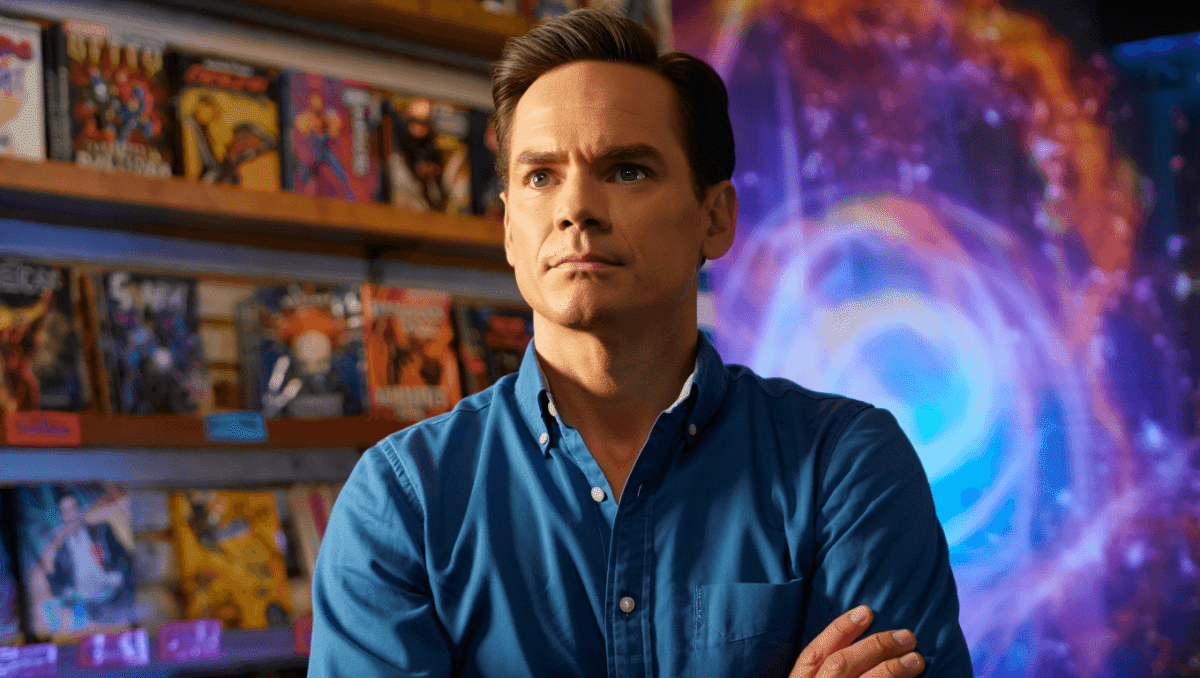
The spinoff's comic book store setting and multiverse premise directly align with high-margin product categories: limited-edition collectible figures ($25-80 per unit, 40-50% margins), apparel bundles ($15-45, 35-45% margins), home décor items ($30-120, 45-55% margins), and novelty merchandise ($10-60, 50-65% margins). Cross-border sellers should monitor official licensing announcements from Warner Bros. Consumer Products and prepare inventory sourcing strategies by Q4 2025. The involvement of Danny Elfman (known for "The Simpsons," "Wednesday," "Beetlejuice") suggests premium production quality that will drive fan engagement and merchandise demand comparable to recent HBO Max hits like "House of the Dragon" (which generated $200M+ in merchandise sales in 2022-2023).
Questions 8
How does this spinoff compare to previous Big Bang Theory franchise expansions?
This is the third major spinoff following 'Young Sheldon' (2017-2024) and 'Georgie & Mandy's First Marriage' (2024-present, renewed for season 3). Young Sheldon generated $150-200M in merchandise sales during its 7-year run, while the franchise collectively produces $400-600M annually. The involvement of original creators Chuck Lorre, Zak Penn, and Bill Prady, plus Emmy/Grammy-winning composer Danny Elfman, indicates premium production quality comparable to HBO Max hits like 'House of the Dragon' ($200M+ merchandise in 2022-2023). Sellers can expect similar merchandise demand patterns and licensing opportunities.
What merchandise opportunities does the Stuart spinoff create for sellers?
The July 2026 premiere of 'Stuart Fails to Save the Universe' opens a 12-18 month merchandise window generating estimated $400-600M in category sales. High-margin opportunities include collectible figures ($25-80, 40-50% margins), licensed apparel ($15-45, 35-45% margins), home décor ($30-120, 45-55% margins), and novelty items ($10-60, 50-65% margins). The multiverse concept and comic book store setting appeal to science fiction fans aged 18-54 with strong online purchasing behavior. Sellers should begin sourcing licensed products by Q4 2025 and monitor Warner Bros. Consumer Products announcements for official merchandise launches, typically 3-4 months before premiere.