





Tech Giants' Voluntary Buyout Wave Signals AI Investment Surge | Seller Impact on Cloud Services & Platform Reliability
- Microsoft, Meta, Apple, Google restructure 192,000+ tech workers; $700B AI spending through 2026 reshapes cloud infrastructure, platform features, and service reliability for cross-border sellers relying on Azure, AWS, and Microsoft Advertising









Overview
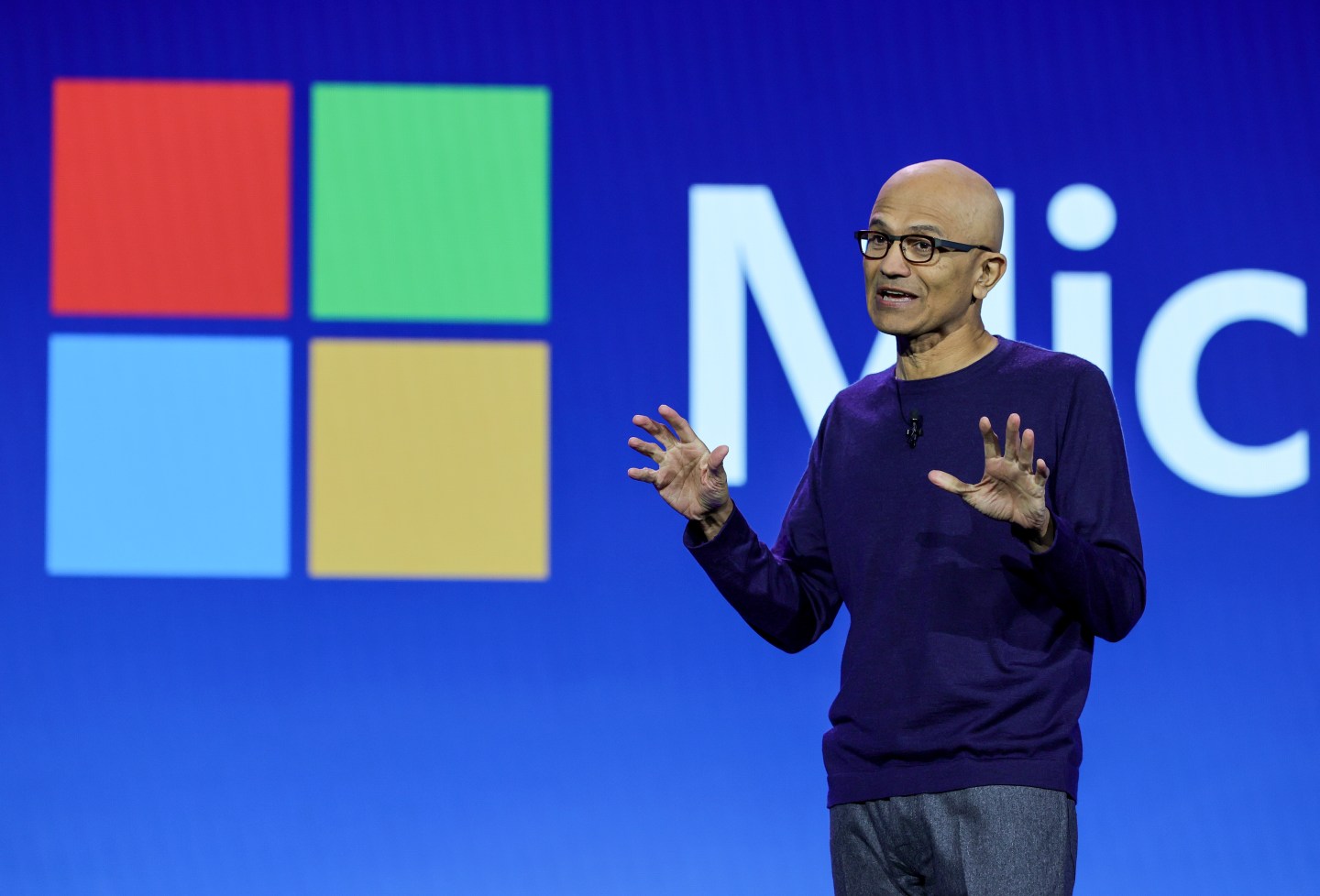
Tech giants are fundamentally restructuring their workforces through voluntary buyout programs rather than traditional layoffs, signaling a massive strategic pivot toward AI infrastructure investment that directly impacts e-commerce sellers. Microsoft announced its first-ever voluntary separation program offering buyouts to approximately 8,500 U.S. employees (combined age + tenure ≥70), while Meta simultaneously cut 10% of its workforce (8,000 employees) and left 6,000 roles unfilled. This represents a broader industry pattern: 192,000 tech workers have been laid off as companies prioritize AI investments, with Microsoft alone planning $145 billion in capital expenditure this fiscal year as part of a $700 billion tech industry AI infrastructure spending wave through 2026.
For cross-border e-commerce sellers, this restructuring creates both risks and opportunities. Sellers relying on Microsoft Azure for e-commerce infrastructure, Microsoft Advertising for marketplace promotion, or cloud-based inventory management systems face potential service disruptions during organizational transitions. The voluntary buyout approach—which targets experienced, higher-paid employees through criteria like Microsoft's "Rule of 70"—risks losing institutional knowledge in critical support divisions. However, the massive AI investment signals accelerated development of machine learning-powered seller tools: predictive demand forecasting, automated pricing optimization, and enhanced fraud detection systems that could improve margins by 5-12% for sellers adopting these features.
Apple's potential adoption of similar buyout programs (with more aggressive age-tenure thresholds of 60 rather than 70) could accelerate product innovation cycles, directly benefiting sellers who depend on Apple ecosystem tools for inventory management and cross-platform selling. The shift from traditional layoffs to voluntary programs reflects legal risk mitigation—avoiding litigation costs associated with performance-based terminations—which suggests tech platforms will invest more in compliance automation tools that sellers must integrate. Google's explicit acknowledgment that buyouts provide "supportive exit paths for those not aligned with strategy" indicates organizational streamlining focused on AI-first product development, potentially deprioritizing legacy seller support features in favor of AI-driven marketplace optimization.
The operational reality for sellers: expect 6-12 month service transition periods as companies reorganize around AI priorities. Sellers should audit their dependency on Microsoft services (Azure hosting, Dynamics 365 for order management, Power BI for analytics) and identify backup providers. The $700 billion AI spending commitment suggests platform feature releases will accelerate, but support quality may temporarily decline as experienced teams exit. Sellers in high-margin categories (electronics, software, digital services) should prepare for increased competition from AI-powered pricing and recommendation algorithms that will level the playing field for smaller competitors.
Questions 8
What does the $700 billion tech AI spending wave mean for cross-border sellers?
The $700 billion AI infrastructure investment through 2026 indicates tech platforms will rapidly deploy machine learning tools for pricing optimization, demand forecasting, and fraud detection—features that could increase seller margins by 5-12% but also intensify competition. Sellers in electronics, software, and digital services categories face the most disruption as AI algorithms will commoditize pricing strategies and level competitive advantages. This spending surge also means platform feature releases will accelerate, requiring sellers to continuously update their integration systems and seller tools. Expect mandatory API updates and new compliance requirements tied to AI-driven marketplace safety features. Sellers should allocate 10-15% of operational budgets toward AI tool adoption and system integration through 2026.
How will Microsoft's voluntary buyout program affect sellers using Azure cloud services?
Microsoft's 8,500-employee buyout program targeting workers with combined age+tenure ≥70 will likely reduce institutional knowledge in Azure support divisions during a 6-12 month transition period. Sellers relying on Azure for inventory management, order processing, or data analytics should expect potential service delays and feature development slowdowns. However, Microsoft's $145 billion capital expenditure commitment signals accelerated AI tool development that could improve seller margins through predictive analytics and automated optimization. Sellers should document their Azure dependencies now and identify backup providers (AWS, Google Cloud) to mitigate transition risks. Monitor Microsoft's official seller support announcements for service continuity commitments through Q3 2025.