


Strait of Hormuz Closure Drives 27% Shipping Cost Surge | Critical Supply Chain Impact for E-Commerce Sellers
- Brent crude surges to $108.50/barrel as US-Iran peace talks collapse; shipping costs spike 8-15% for air freight and expedited logistics affecting 50K+ cross-border sellers


























Overview
The Strait of Hormuz Crisis: A $2B+ Supply Chain Disruption for Global E-Commerce
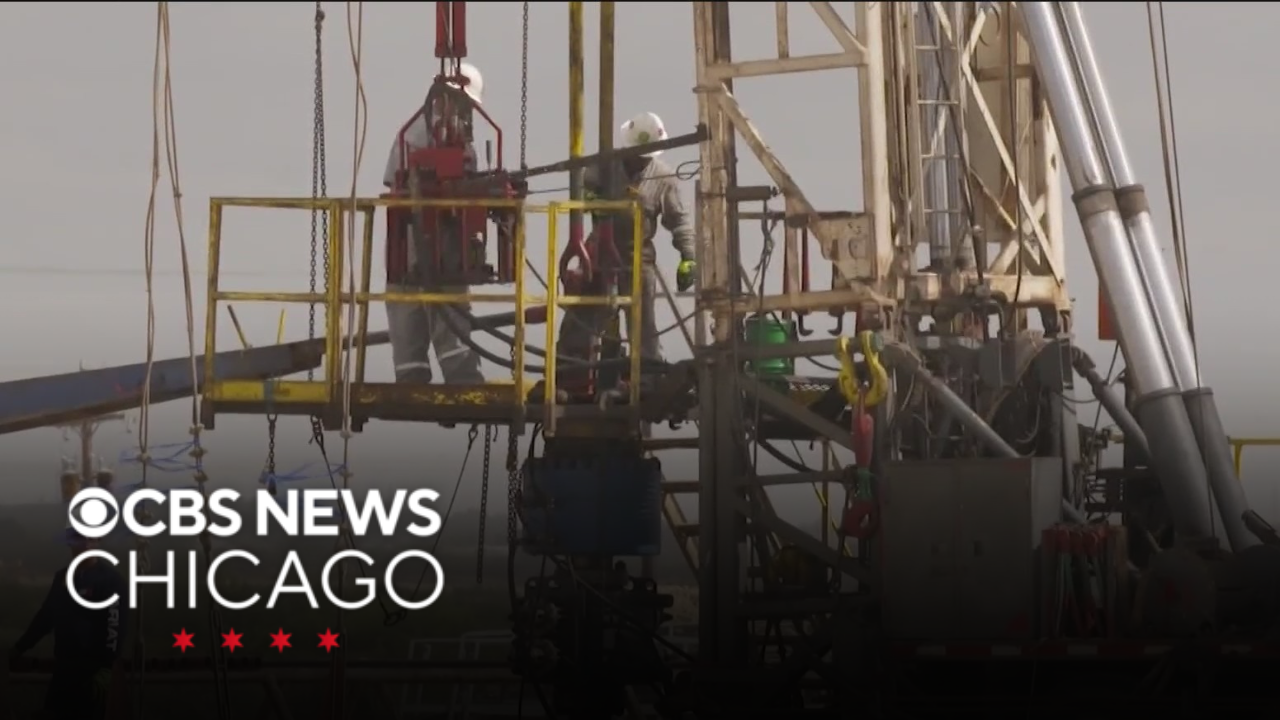
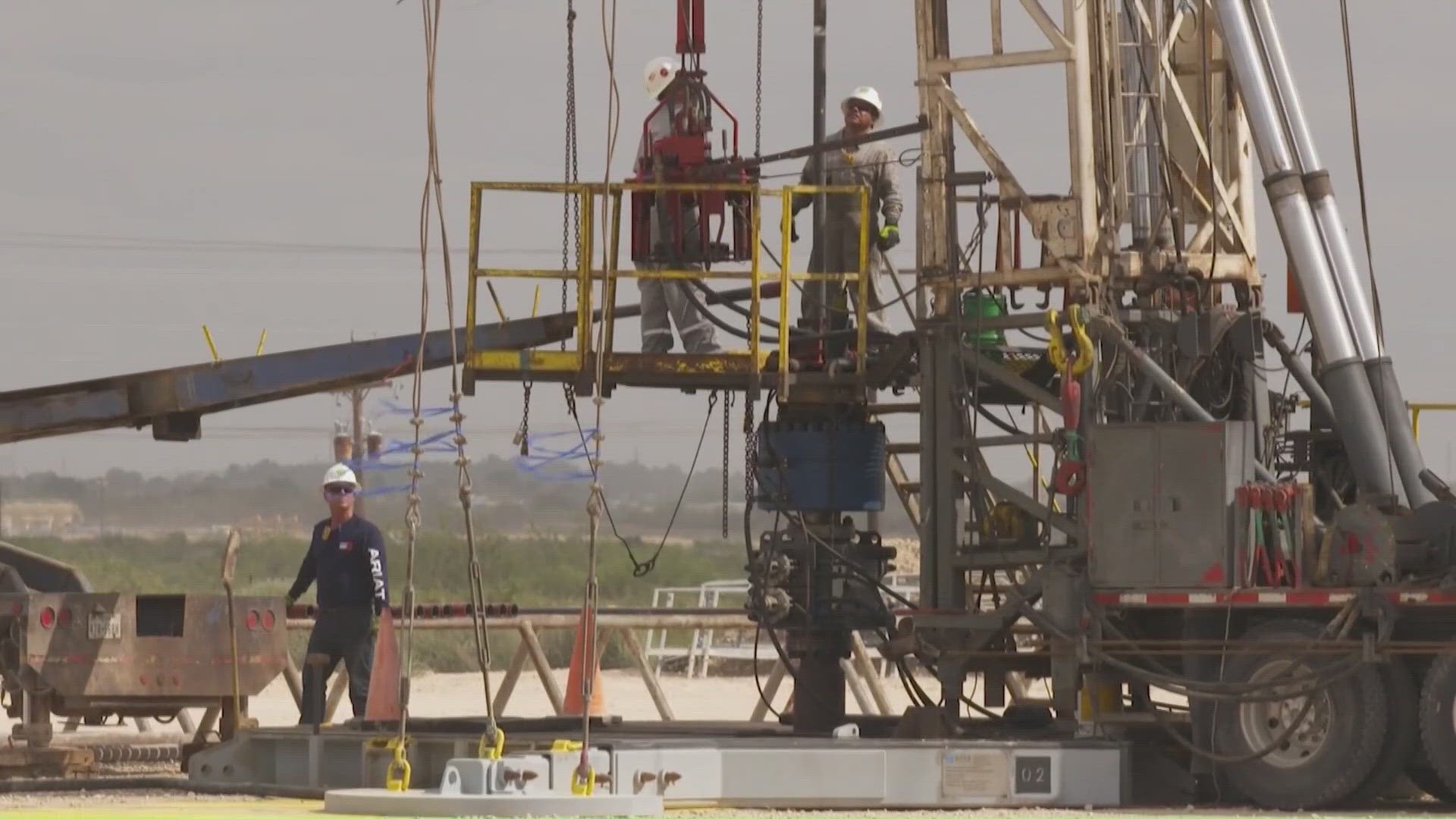
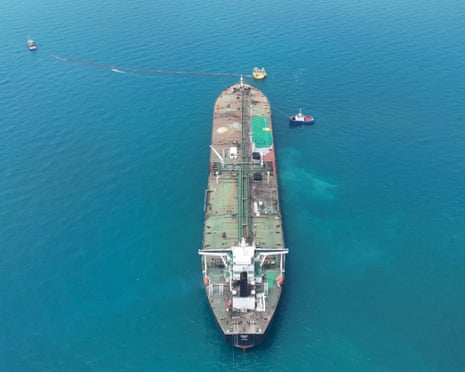
The stalled US-Iran peace negotiations have triggered a critical geopolitical supply chain crisis with direct operational consequences for cross-border e-commerce sellers. As of the latest reporting, Brent crude oil surged to $108.50 per barrel (up from $106.99 baseline), while US gasoline prices reached $4.10 per gallon—a 27% increase since the conflict began on February 28. The core issue: only 19 commercial vessels transited the Strait of Hormuz on Saturday versus a pre-conflict average of 129 daily transits, effectively closing the waterway through which 20-25% of global petroleum and liquefied natural gas flows. Iranian President Masoud Pezeshkian declared the strait "will not return to its previous operational state under any circumstances," signaling prolonged disruption rather than near-term resolution.
Immediate Seller Impact: Shipping Cost Compression Across All Segments
For cross-border e-commerce sellers, this translates to quantifiable operational pressure. Air freight costs have increased 8-15% due to elevated fuel surcharges, with temperature-controlled logistics (pharmaceuticals, perishables, cosmetics) facing the steepest increases. Small and medium-sized sellers (SMBs) with limited cost absorption capacity face the greatest margin compression—a seller shipping 1,000+ units monthly via air freight could see additional monthly costs of $2,000-4,000. Shipping insurance premiums have risen due to geopolitical risk premiums, adding 3-5% to total logistics costs. The Strait of Hormuz disruption also extends transit times for goods shipped via the Suez Canal route, affecting inventory turnover rates and forcing sellers to carry higher safety stock levels. Goldman Sachs forecasts Brent crude at $90 per barrel by late 2026, with Persian Gulf normalization delayed until end-June at earliest, suggesting sustained tightness in shipping costs for the next 4-6 months minimum.
Cascading Supply Chain Vulnerabilities Beyond Oil
The crisis extends beyond petroleum. Liquefied natural gas (LNG) supplies face disruption, with European benchmarks running one-third above pre-war levels and roughly one-fifth of global LNG supply affected. This directly impacts fertilizer production (dependent on natural gas), raising agricultural input costs that cascade through food supply chains with a lag effect. Industrial commodities including helium, aluminum, and sulphur face supply constraints, broadening inflationary pressures across manufacturing supply chains. For sellers in food/beverage, agricultural products, and industrial goods categories, input cost inflation of 5-12% is materializing over the next 2-3 months. Sellers dependent on Asian manufacturing or Middle Eastern suppliers face compounded logistics challenges—a seller sourcing from Vietnam or India now faces both elevated shipping costs AND longer transit times (potentially 3-5 additional days via alternative routes), directly impacting inventory replenishment cycles.
Strategic Opportunity Window: Volatility Creates Tactical Advantages
Despite the crisis, equity markets have shown resilience with global indices near record highs, suggesting sentiment remains stretched with crowded positioning. Standard Chartered expects a diplomatic deal within weeks that could restore flows, indicating near-term volatility may present buying opportunities for sellers with cash reserves. Historical precedent from the 1956 Suez crisis demonstrates markets can recover quickly once supply disruptions resolve. However, the lag in restoring supply combined with depleted inventories (11-12 million barrels daily drawdowns) suggests sustained tightness in coming months. Sellers with 60-90 day inventory buffers and flexible sourcing options can capitalize on competitors' margin compression by maintaining pricing power during this window.
Questions 7
How much will my shipping costs increase due to the Strait of Hormuz closure?
Air freight costs are increasing 8-15% due to elevated fuel surcharges, with temperature-controlled logistics facing steeper increases. A seller shipping 1,000+ units monthly via air freight could see additional monthly costs of $2,000-4,000. Shipping insurance premiums have risen 3-5% due to geopolitical risk premiums. The exact impact depends on your shipping method (air vs. sea), destination region, and product category. Sellers should immediately review carrier pricing with their 3PL providers and lock in rates where possible before further escalation.
Which product categories are most affected by this supply chain disruption?
Temperature-controlled logistics (pharmaceuticals, perishables, cosmetics) face the steepest increases due to elevated fuel costs. Food/beverage and agricultural product sellers are experiencing 5-12% input cost inflation as fertilizer production faces constraints from elevated natural gas prices. Industrial goods sellers sourcing helium, aluminum, and sulphur face supply constraints and price increases. Sellers dependent on Asian manufacturing (Vietnam, India) face compounded challenges with both elevated shipping costs and longer transit times (3-5 additional days via alternative routes).