



)

Apple iPhone Ultra Launch 2026 | Premium Foldable Market Opportunity for Sellers
- September 2026 debut at $1,720-$2,900 price point creates $8B+ accessory ecosystem for cross-border sellers



)















Overview
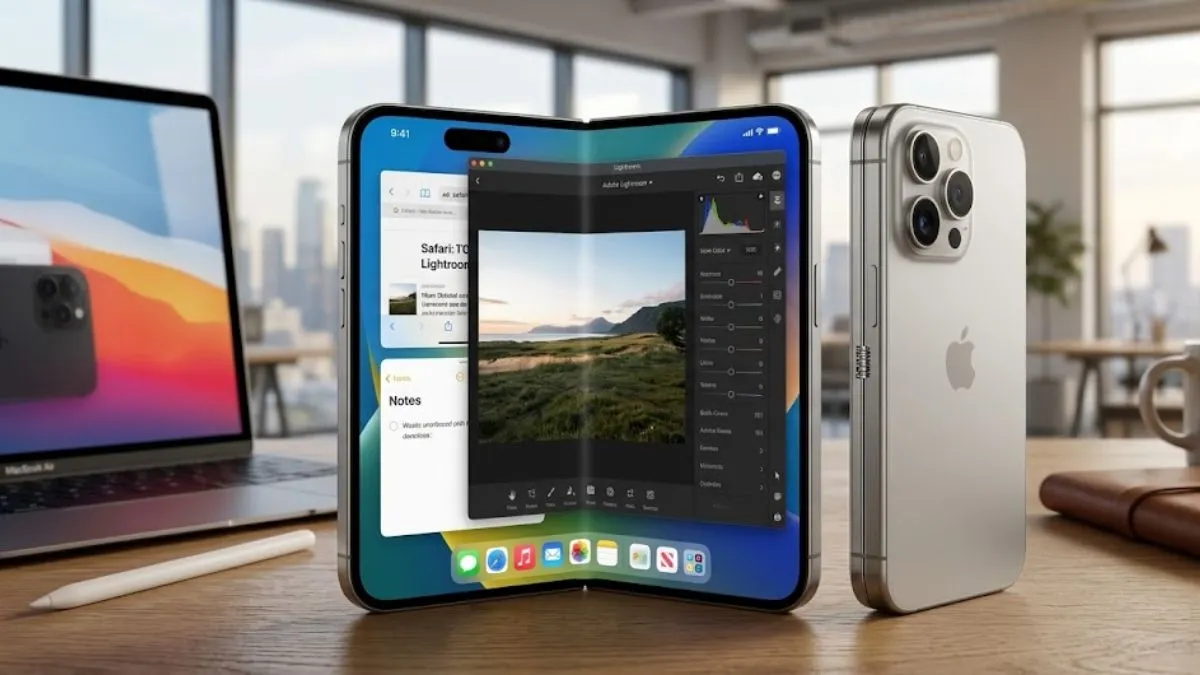
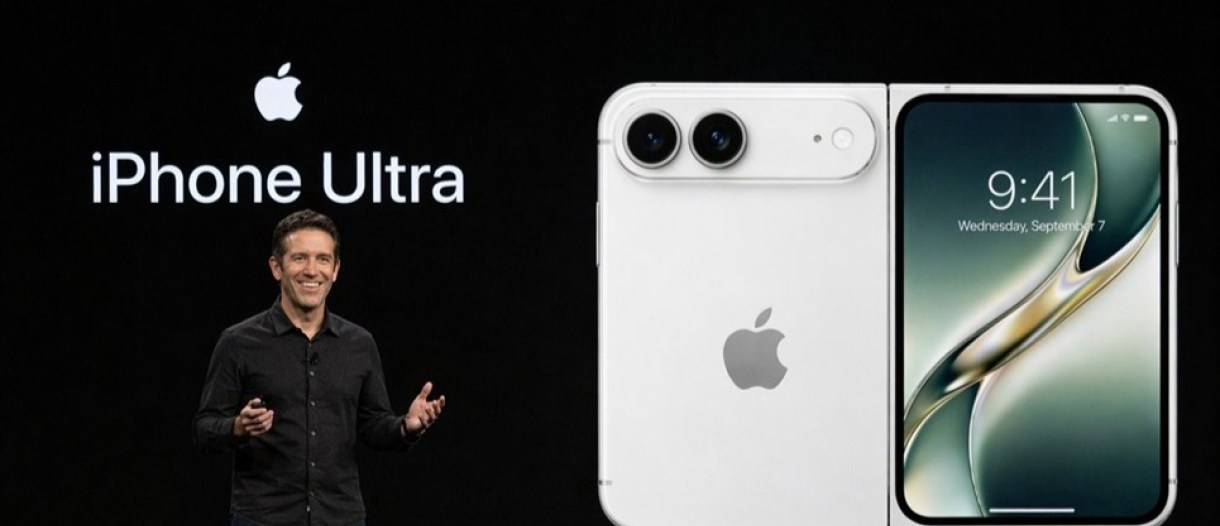
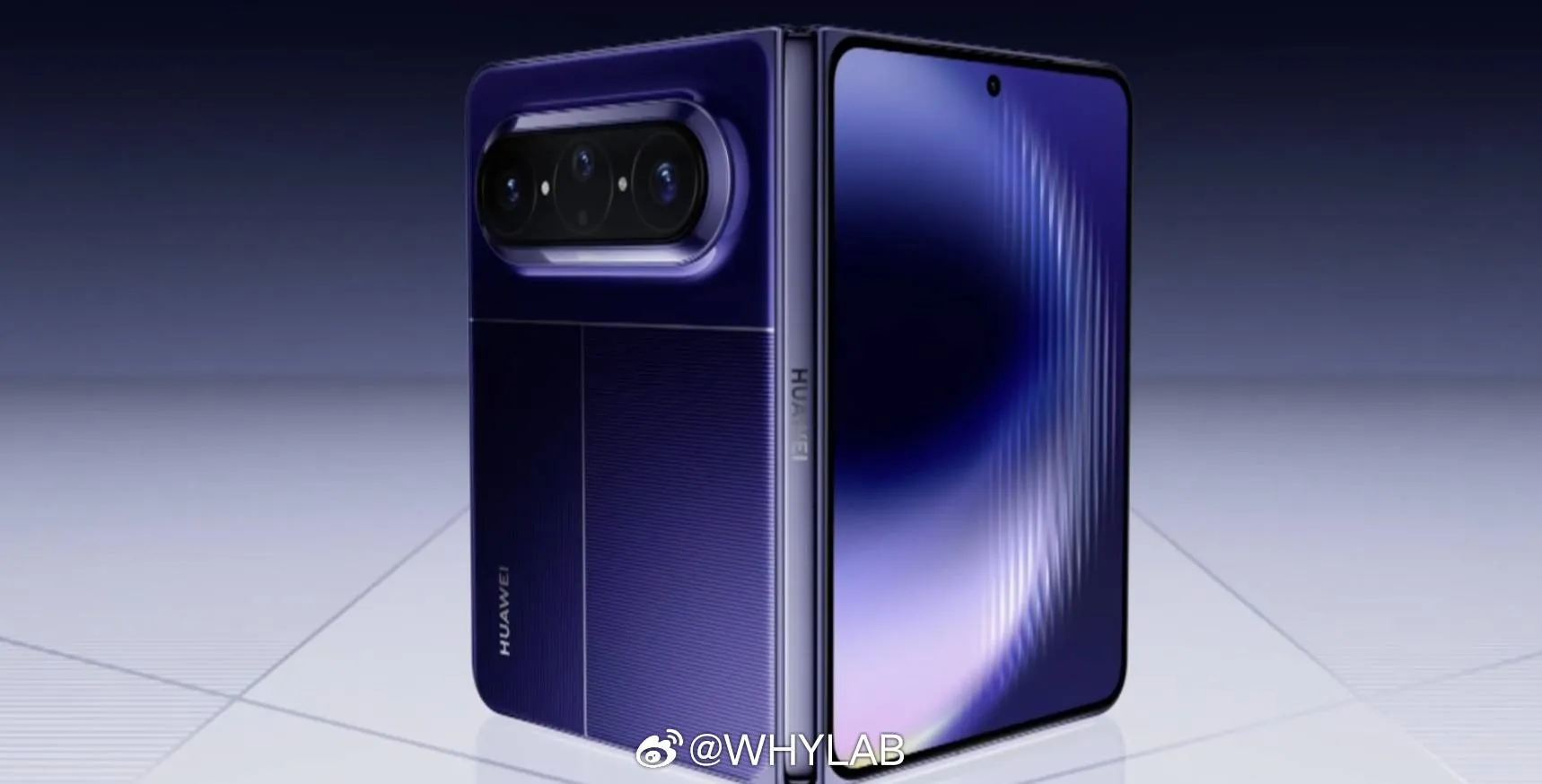
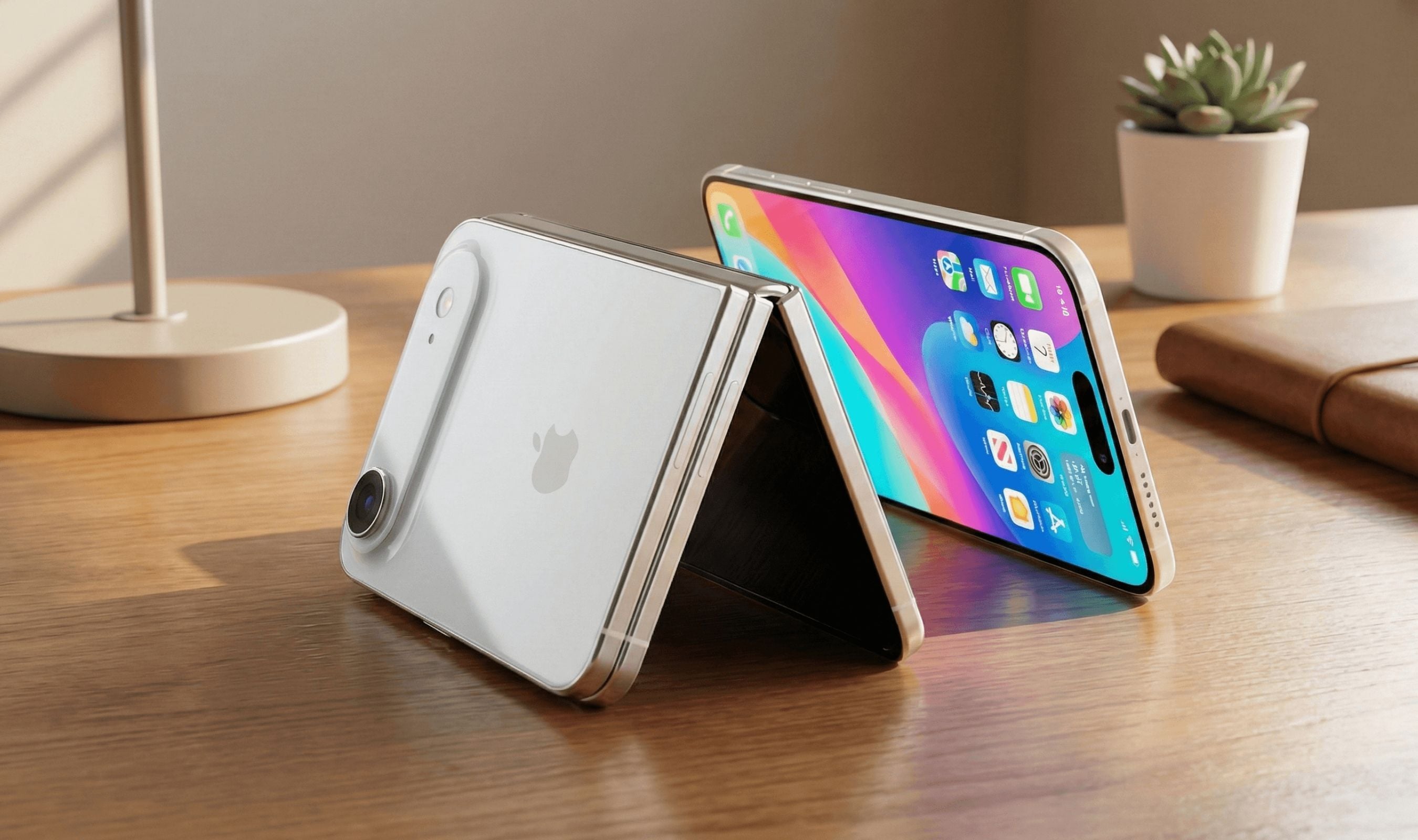
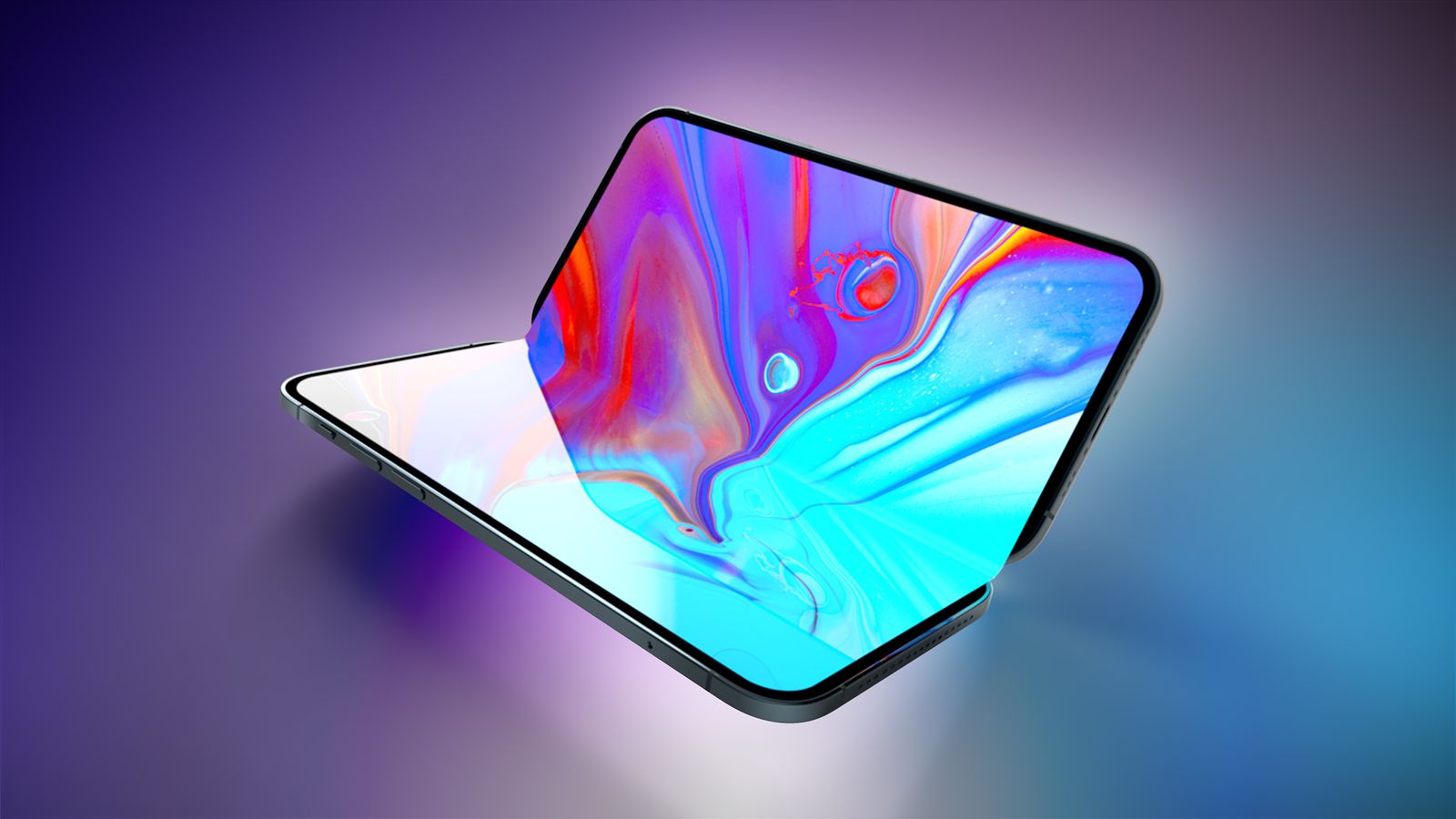
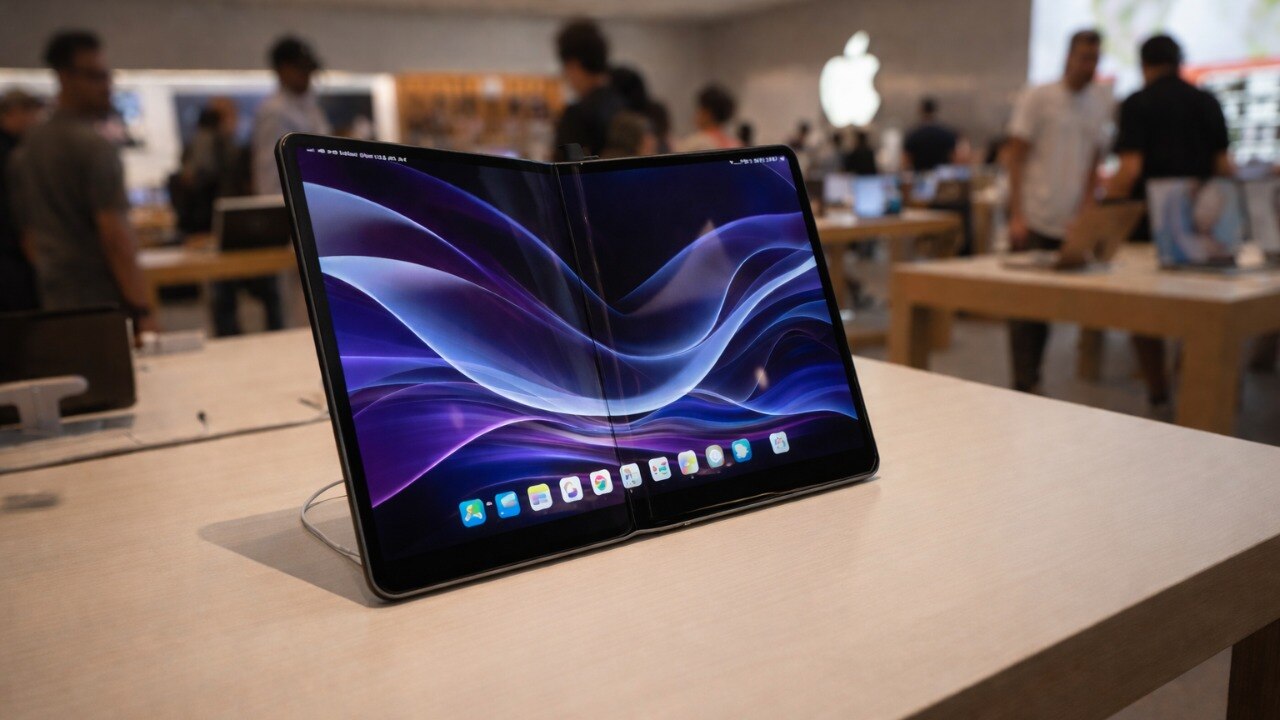
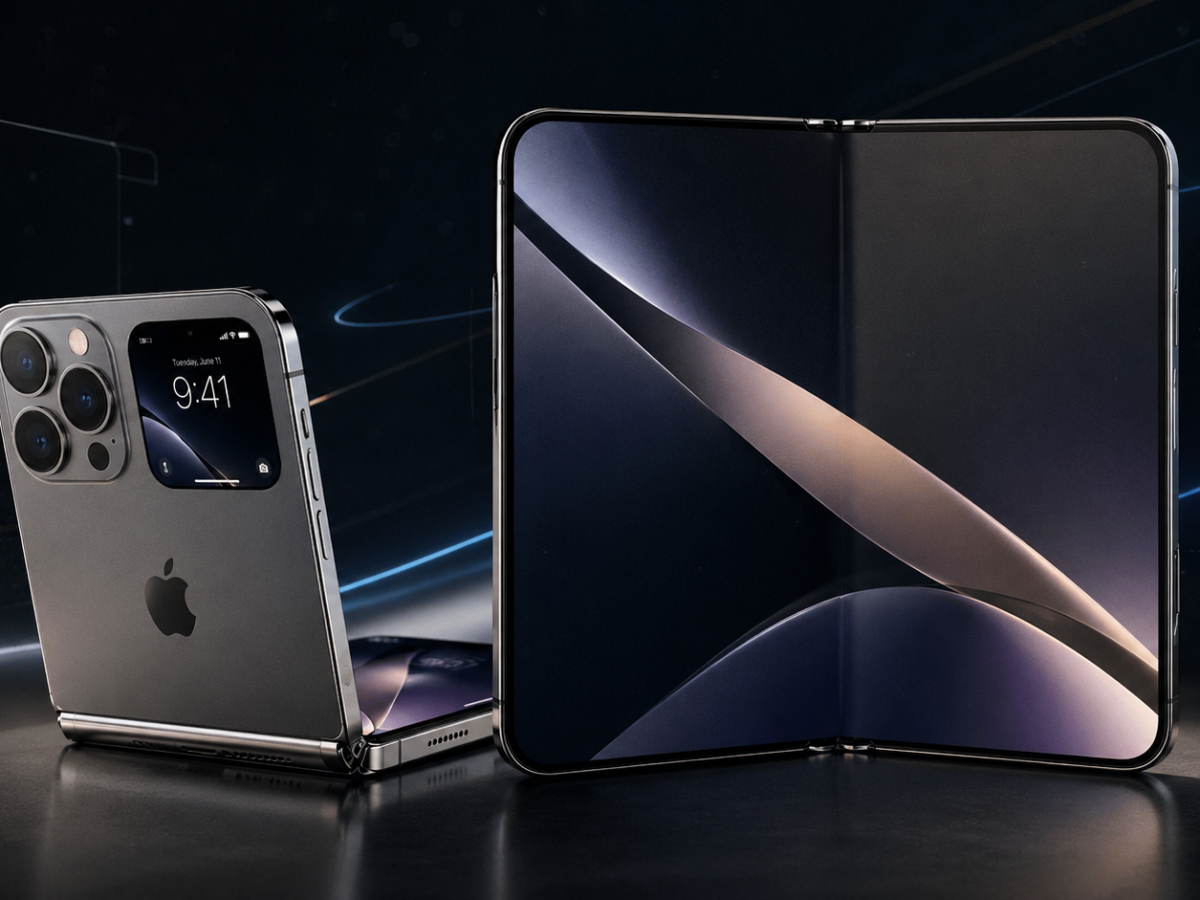
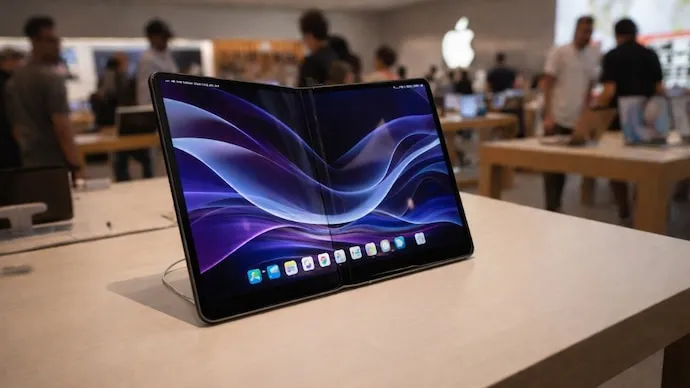
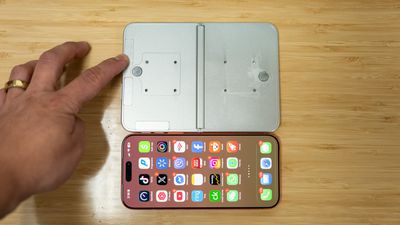
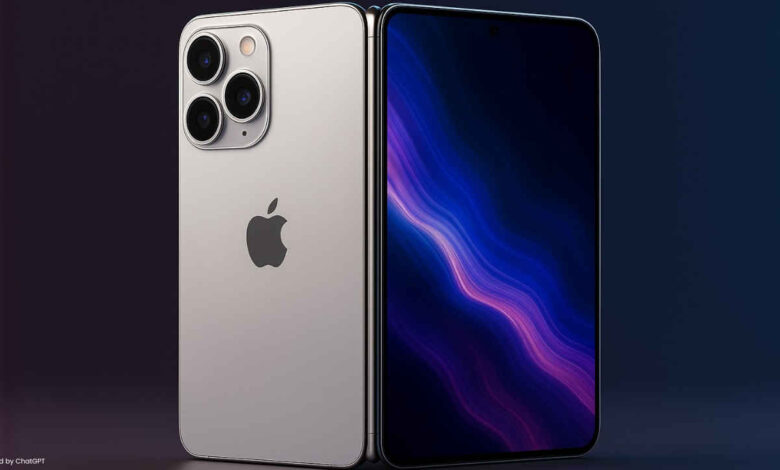
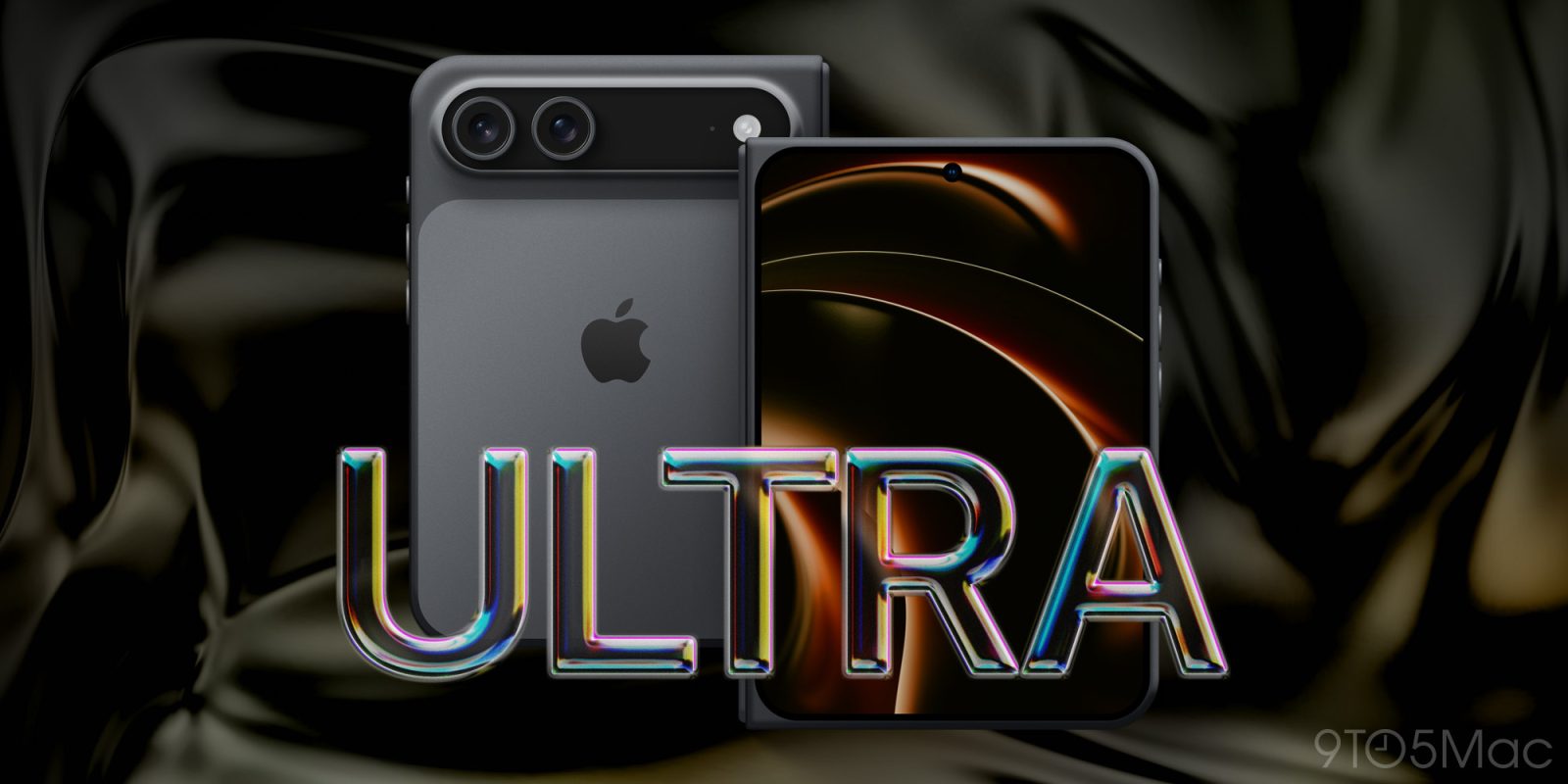
Apple's strategic pivot toward premium "Ultra" branding represents a transformative market shift with significant implications for cross-border e-commerce sellers. The company is launching its first foldable iPhone (iPhone Ultra) in September 2026 at $1,720-$2,900 USD, marking Apple's entry into a market currently dominated by Samsung and Google. This premium positioning—positioned above the iPhone 18 Pro lineup—signals Apple's commitment to creating a distinct product tier for experimental technologies. Simultaneously, Apple is expanding the Ultra branding across multiple product categories: MacBook Ultra (OLED touchscreen, delayed to early 2027 due to RAM supply constraints), high-end AirPods with integrated cameras, iPad Ultra with potential foldable technology, and M5 Ultra chips for Mac Studio.
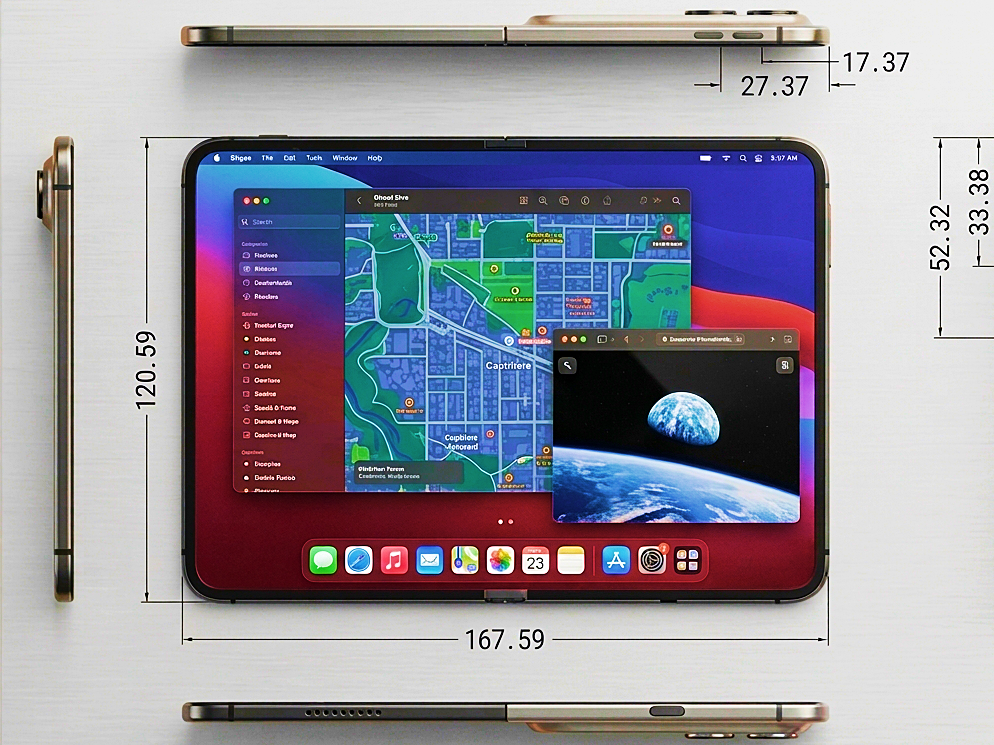
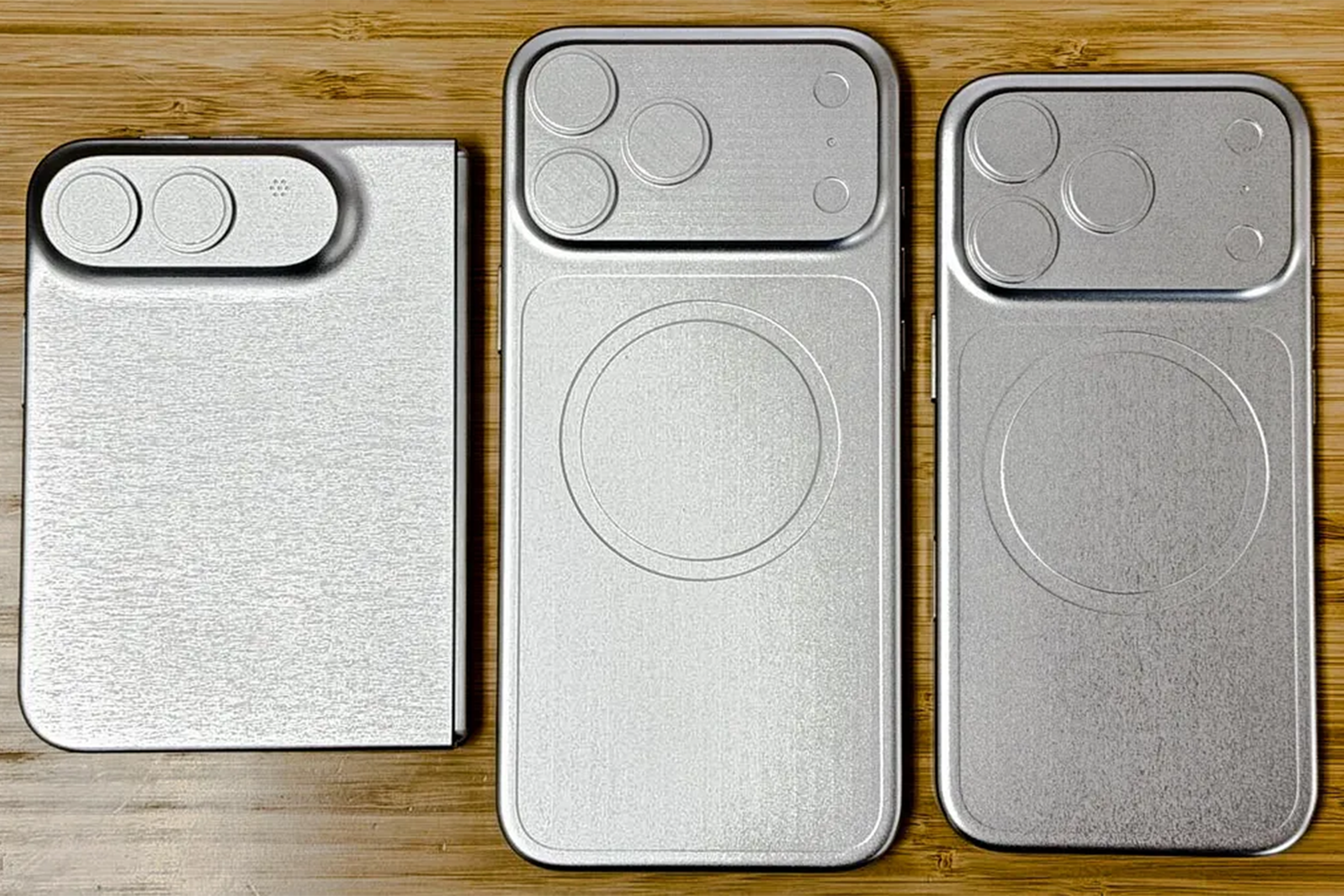
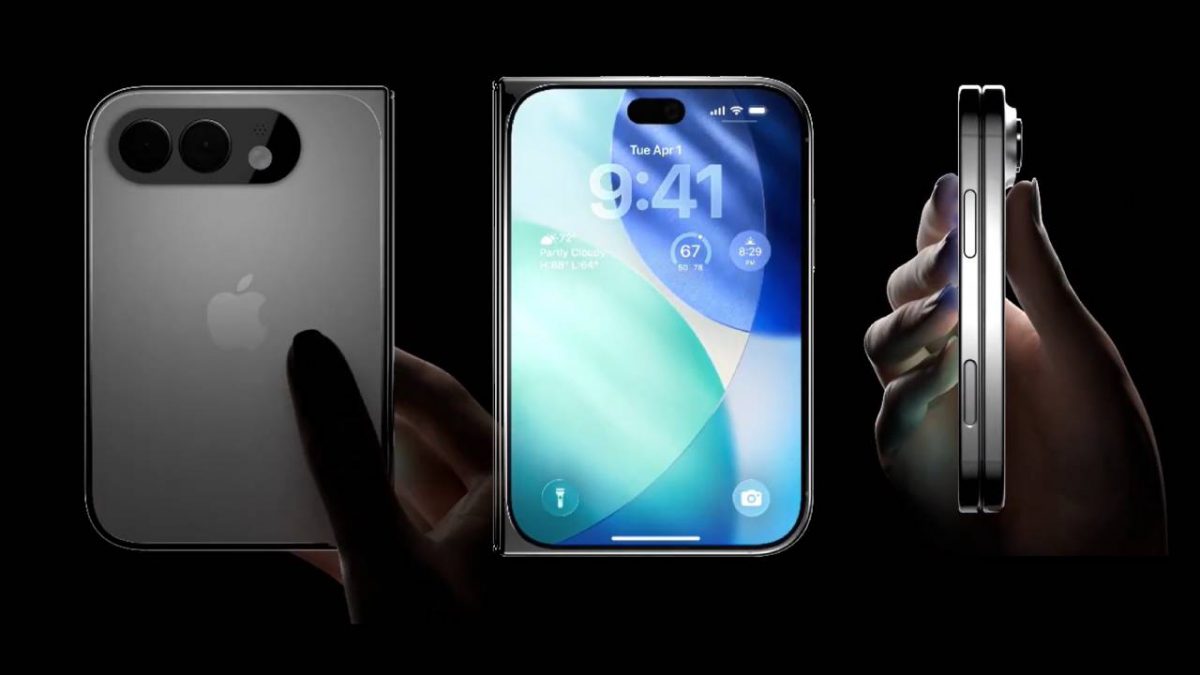
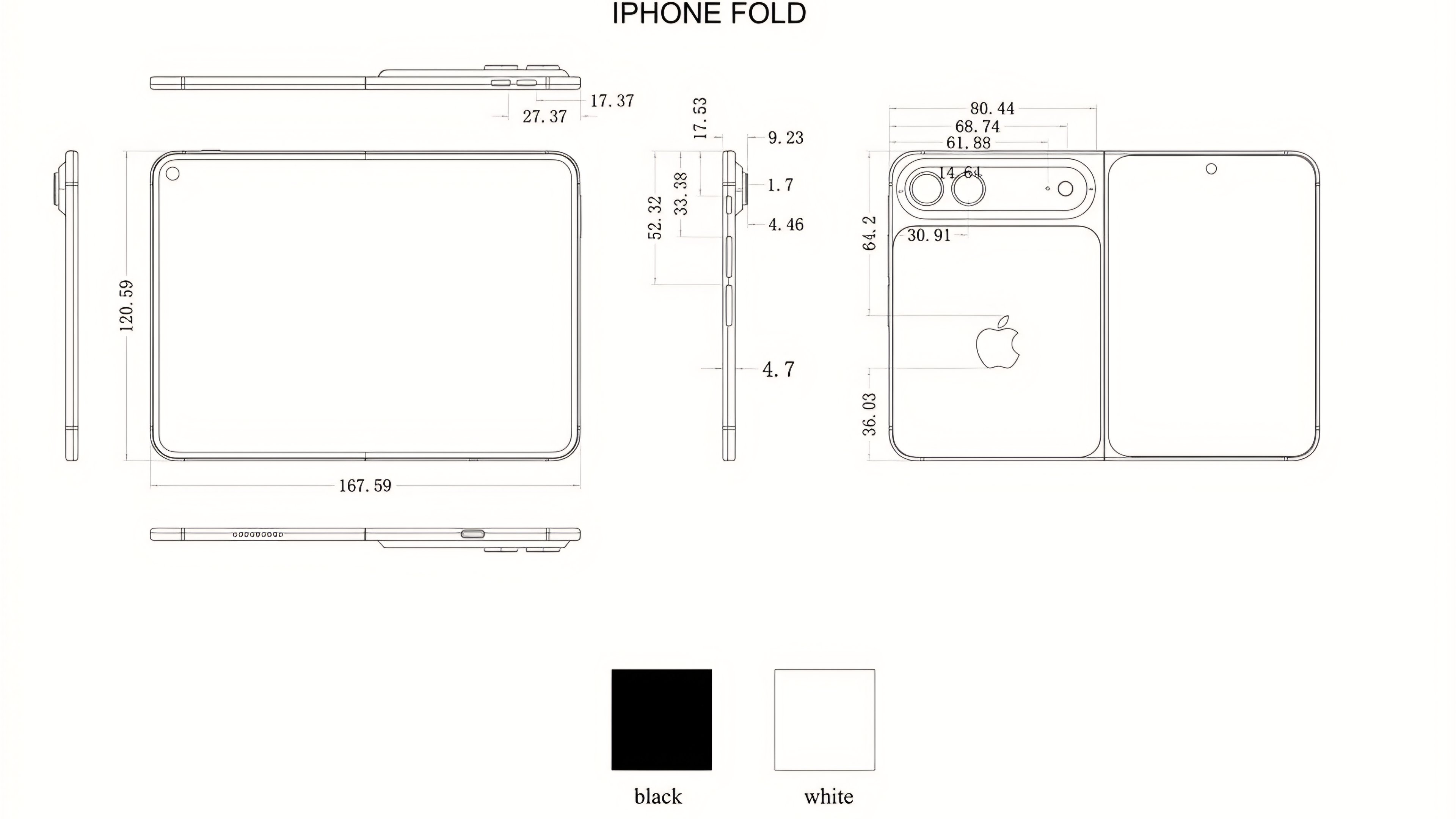
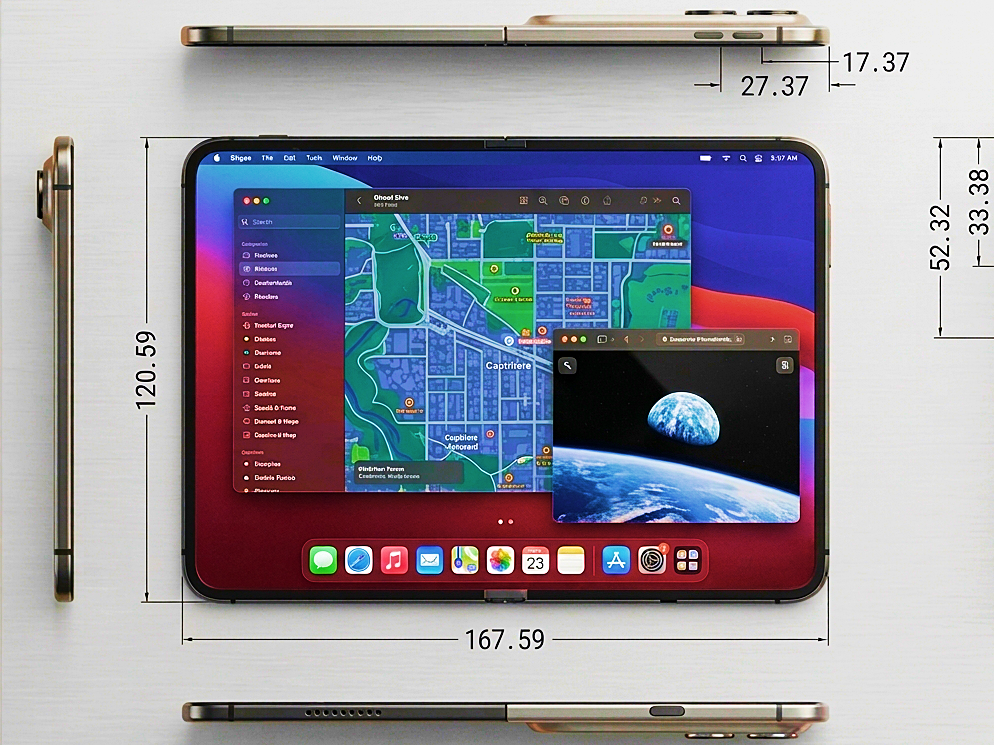
For e-commerce sellers, this creates a multi-billion-dollar accessory and protective equipment opportunity. The iPhone Ultra's compact design (11mm thickness, comparable to iPhone 13 mini when folded) with titanium alloy construction, dual camera systems, MagSafe charging, and Touch ID authentication will drive demand for specialized protective cases, screen protectors, charging accessories, and content creation tools. Historical data shows Apple product launches generate 3-5x accessory sales volume compared to the device itself—suggesting the iPhone Ultra could catalyze $8-12B in global accessory sales within 12 months of launch. Sellers specializing in phone cases, screen protectors, charging solutions, and camera accessories should prepare inventory strategies now, targeting September 2026 pre-order windows and December 2026-Q1 2027 peak demand periods.
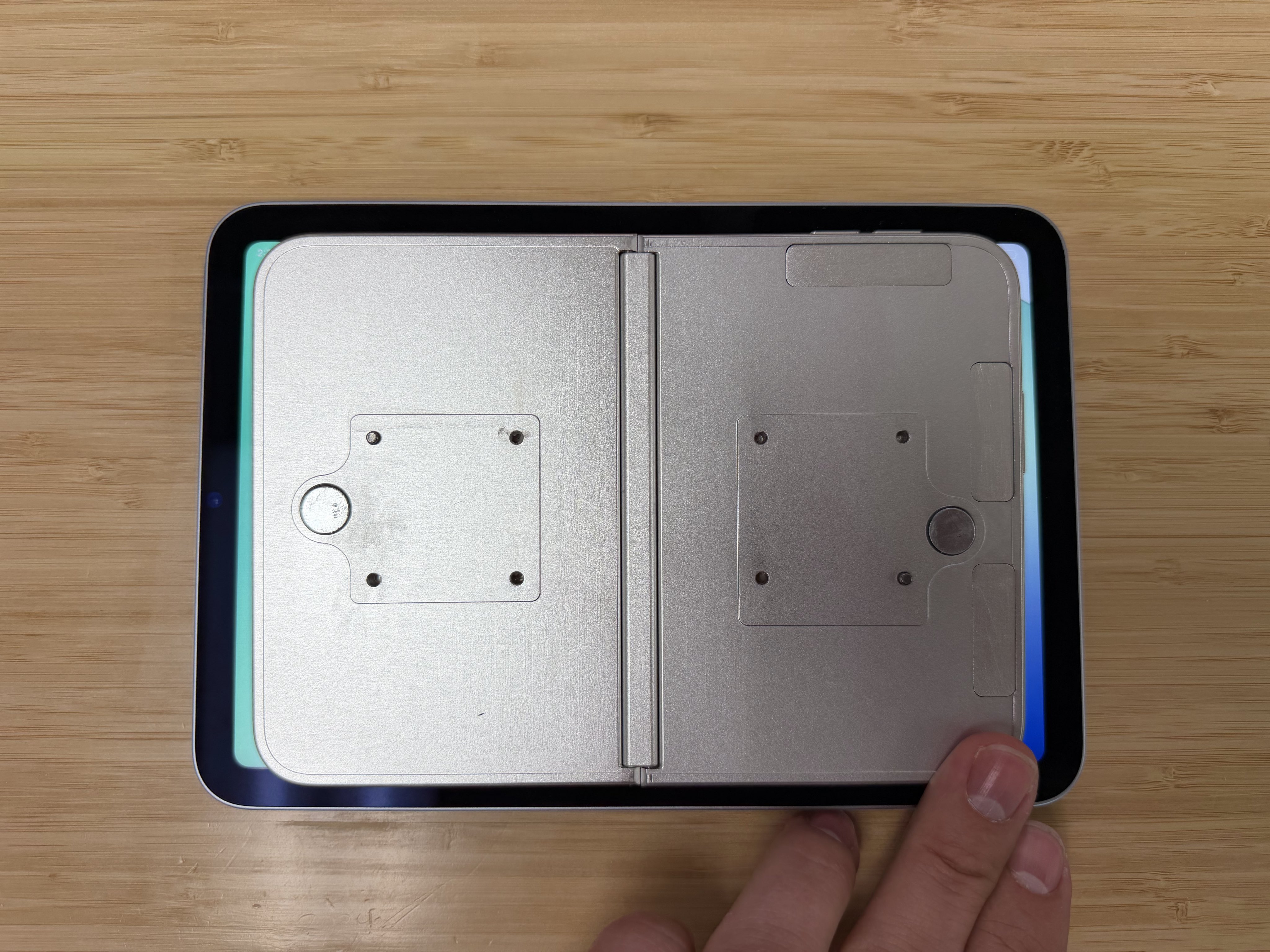
Supply chain and competitive dynamics present both opportunities and risks. Apple's delayed MacBook Ultra launch (originally late 2026, now early 2027) due to RAM supply constraints indicates potential component scarcity affecting the broader electronics market. The foldable display technology—which Apple has been developing since 2021 to achieve a crease-free design—remains a manufacturing bottleneck, potentially limiting iPhone Ultra availability to premium segments initially. This scarcity creates opportunities for sellers of compatible third-party accessories to capture market share before official Apple accessory availability. Additionally, Apple's strategy to delay standard iPhone 18 launch to 2027 while focusing September 2026 announcements on premium models (iPhone 18 Pro, Pro Max, iPhone Ultra) suggests a market bifurcation: premium buyers upgrading to foldable technology, while budget-conscious consumers may extend iPhone 13/14 lifecycles, creating secondary market opportunities for refurbished devices and legacy accessory inventory liquidation.
Questions 8
When will Apple's iPhone Ultra foldable phone launch and what will it cost?
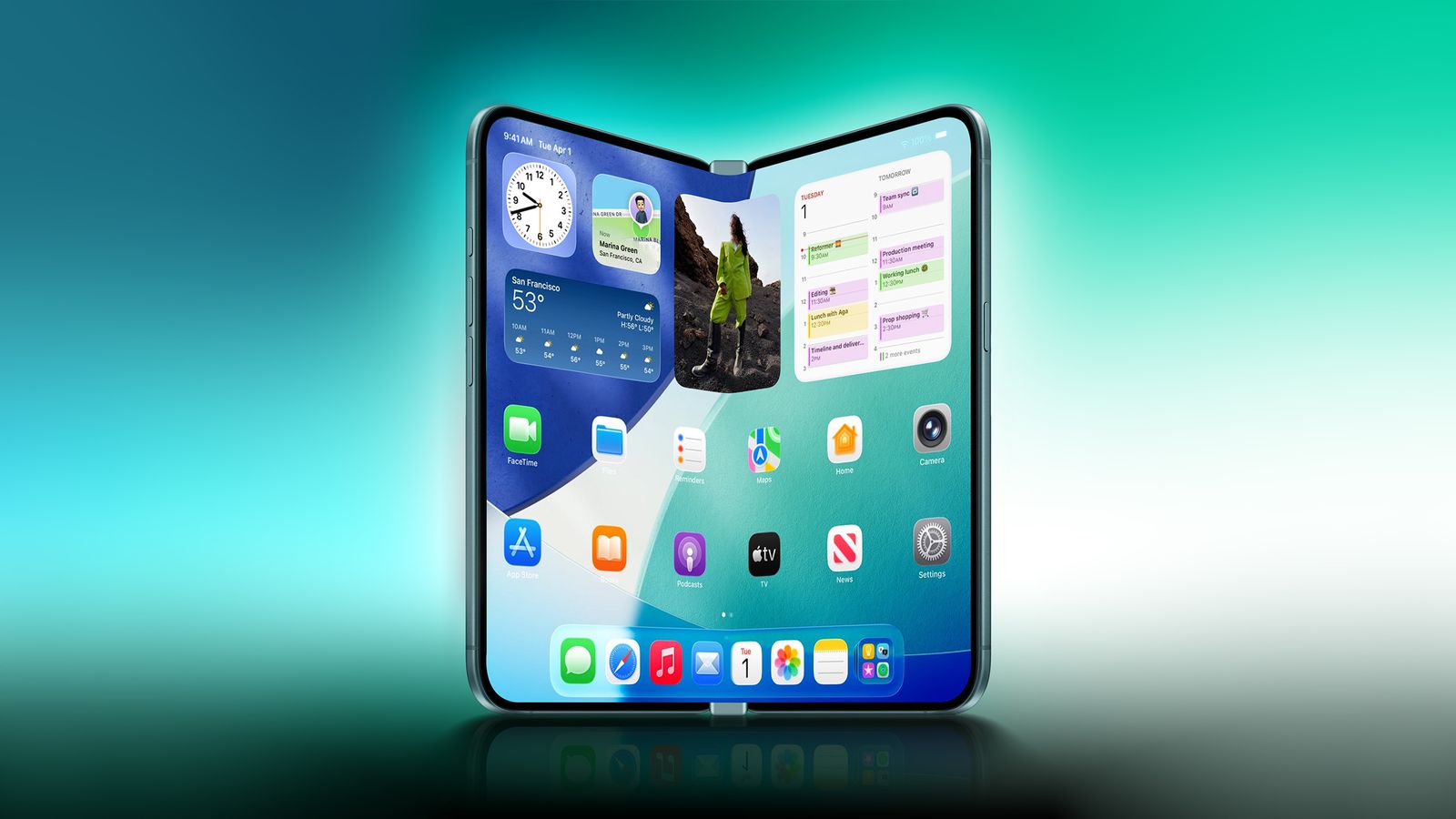
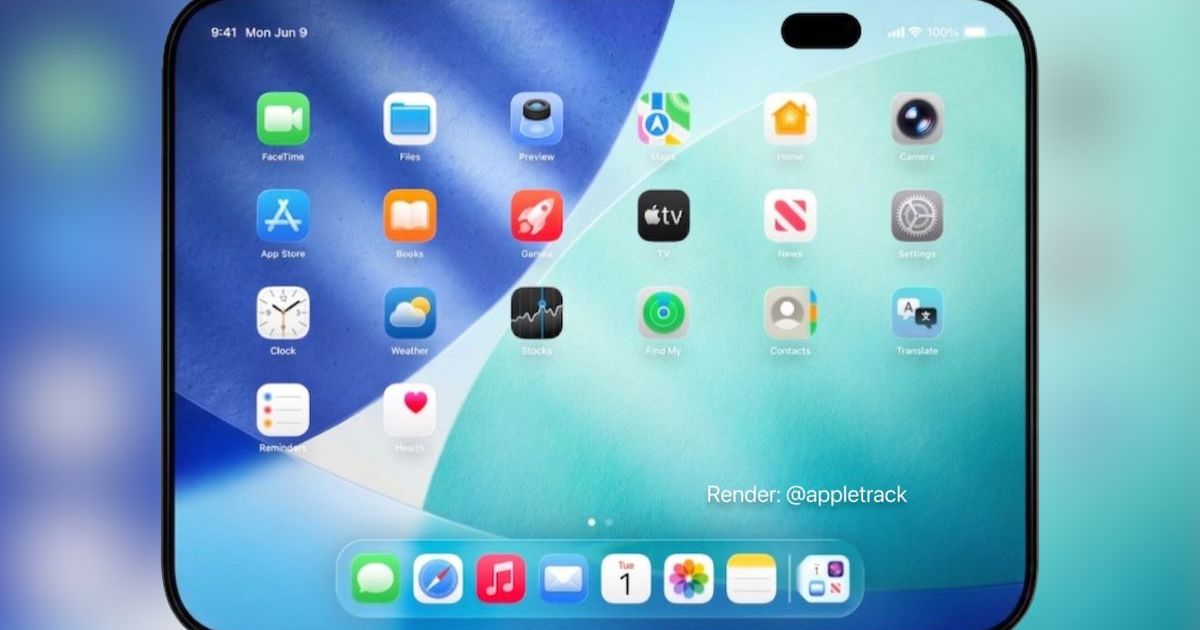
Apple is targeting a September 2026 announcement for the iPhone Ultra, with potential December 2026 shipments, though some analysts suggest delays into 2027 are possible due to manufacturing challenges. Pricing estimates range from $1,720-$2,150 USD for base models (256GB) to $2,000-$2,900 USD for premium configurations (1TB), making it Apple's most expensive iPhone ever. The device features a book-style design with 5.5-inch outer display and 7.8-inch inner display when unfolded, titanium alloy construction, and 11mm thickness when folded. For sellers, this pricing tier signals a premium accessory market opportunity targeting affluent consumers willing to invest in protective equipment and complementary products.
How does Apple's Ultra branding strategy affect the broader smartphone market?
Apple is establishing 'Ultra' as its premium product tier across multiple categories—iPhone Ultra (foldable), MacBook Ultra (OLED, delayed to early 2027), iPad Ultra (potential foldable), and high-end AirPods with cameras. This strategy creates market bifurcation: premium buyers upgrading to experimental foldable technology, while budget-conscious consumers may extend iPhone 13/14 lifecycles. The delayed MacBook Ultra launch (originally late 2026, now early 2027) due to RAM supply constraints indicates potential component scarcity affecting the broader electronics market. For sellers, this suggests opportunities in refurbished legacy iPhone inventory, secondary market accessories for older models, and premium accessory positioning for Ultra products.