
)
)



Strait of Hormuz Shipping Crisis | Critical Impact on Cross-Border E-Commerce Logistics Costs 2026
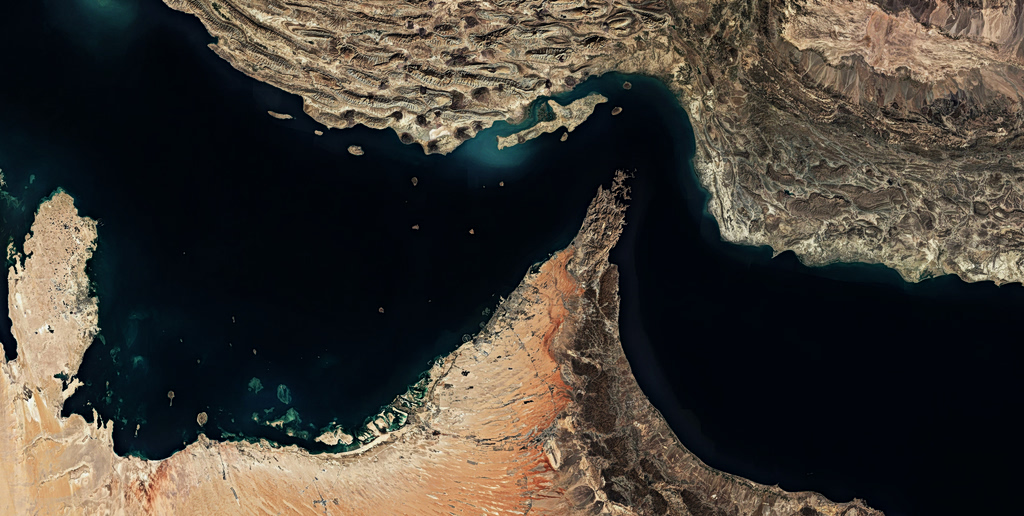
- One-third of global seaborne oil transits through disputed waterway; shipping insurance rates and fuel surcharges directly increase seller fulfillment costs 8-15% for Asia-to-US/EU routes through May 2026











)











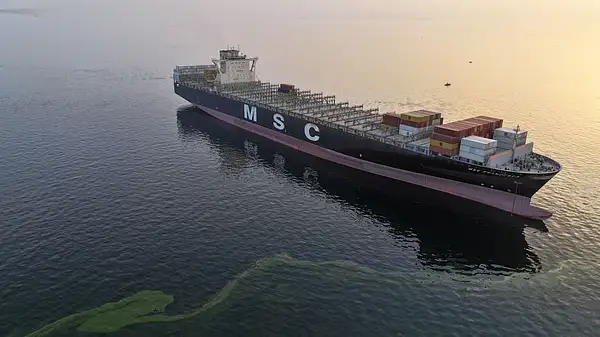















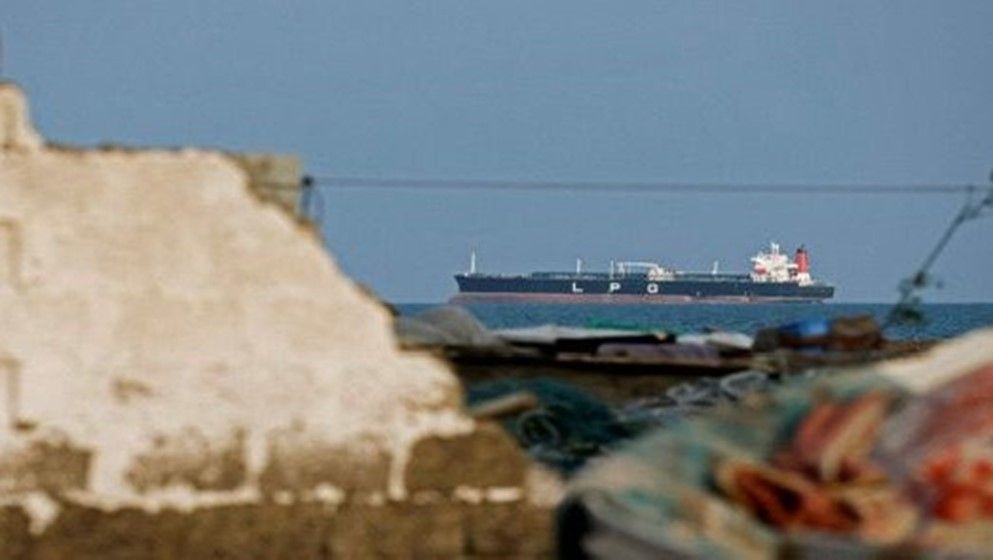


Overview
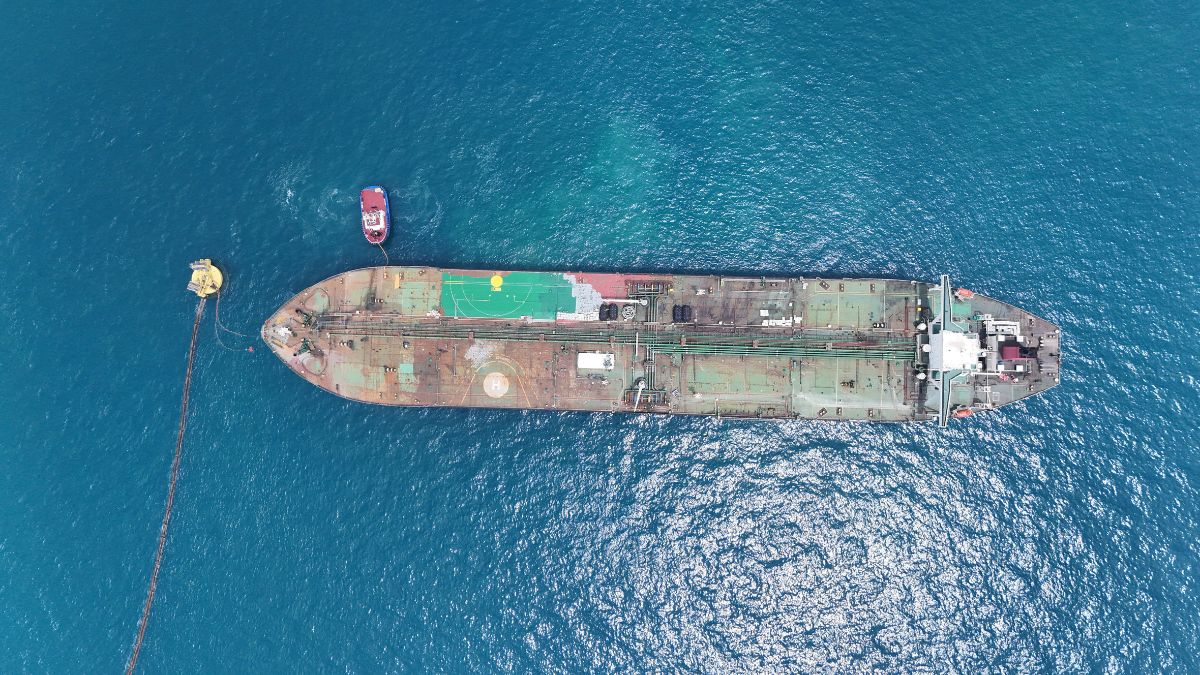
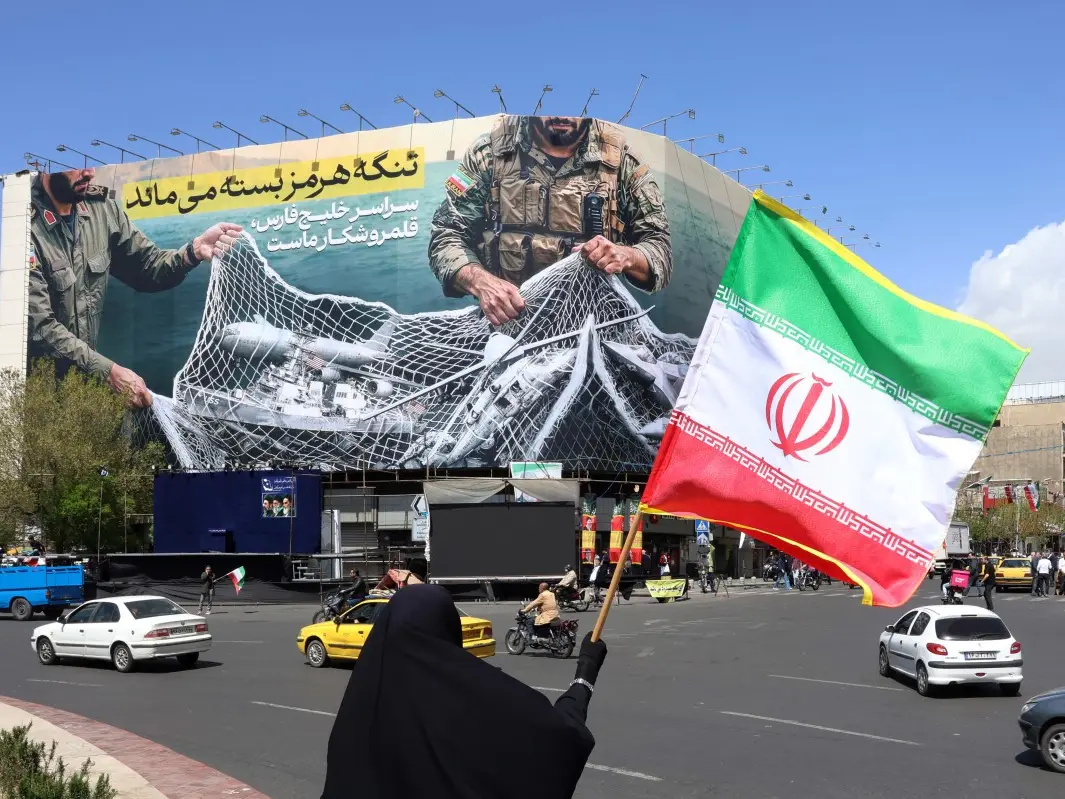
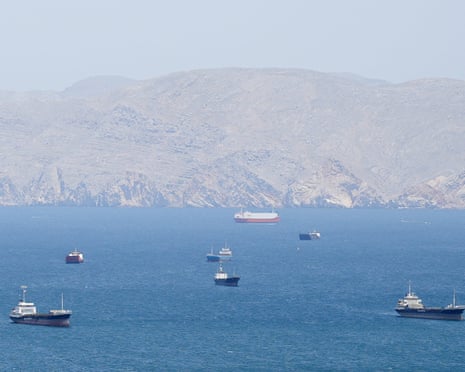
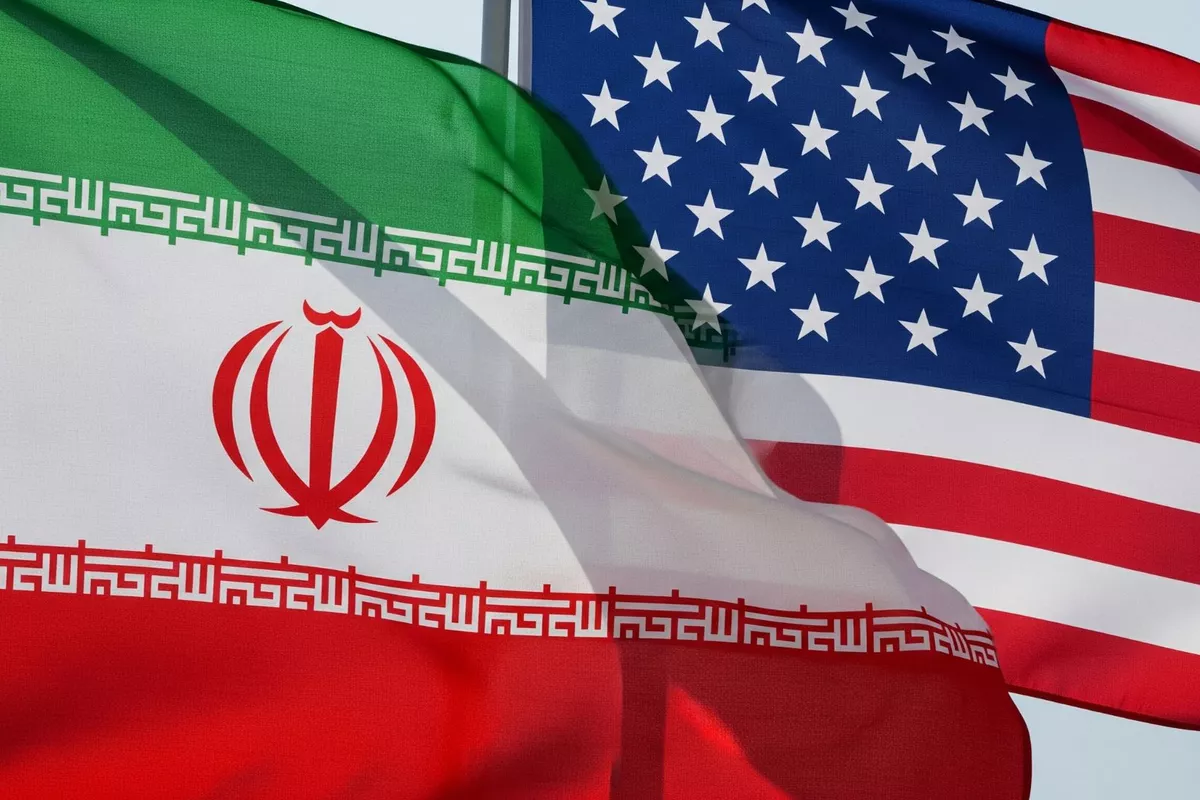
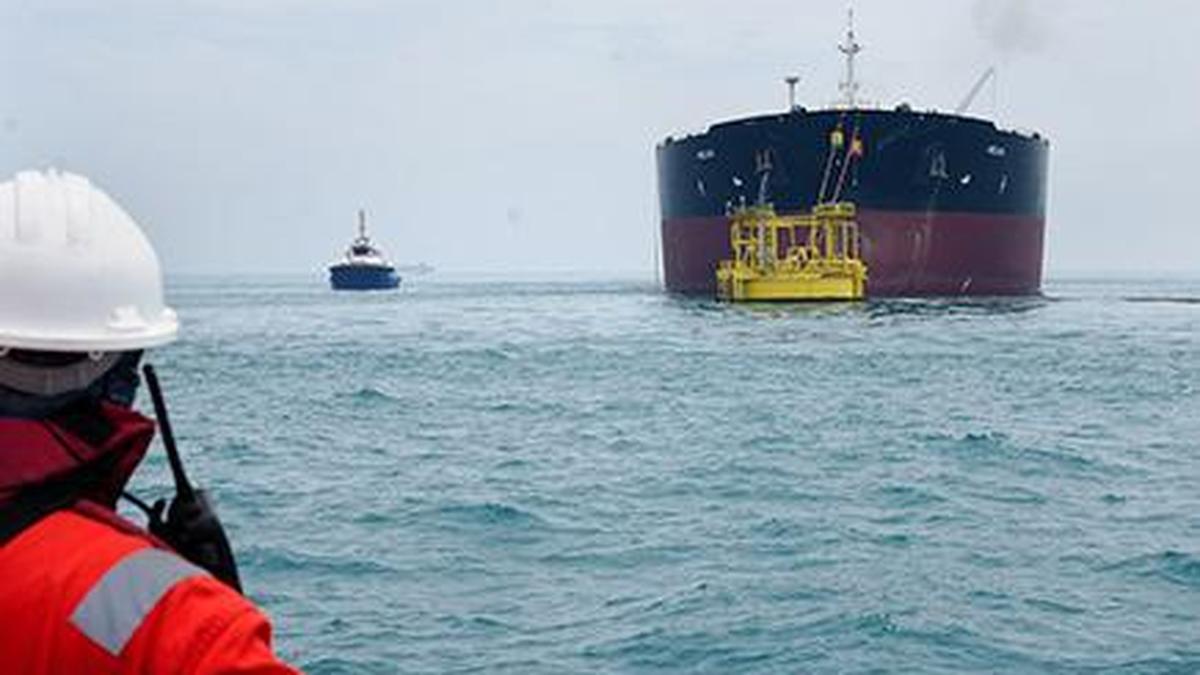
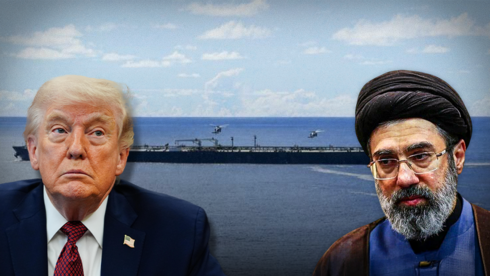
The Strait of Hormuz blockade crisis represents one of the most significant supply chain disruptions facing cross-border e-commerce sellers in 2026. As reported on April 27, 2026, Iran has proposed ending restrictions on this critical waterway—through which approximately one-third of global seaborne oil trade transits—but only if the United States lifts its economic blockade. President Trump's administration has rejected this proposal without comprehensive nuclear program concessions, indicating prolonged diplomatic uncertainty extending through mid-2026 and potentially beyond.
Direct Impact on E-Commerce Seller Economics: For sellers sourcing from Asia (China, Vietnam, India) and shipping to US/EU markets, the Strait of Hormuz disruption creates immediate cost pressures. Shipping insurance rates have surged due to mine-clearing operations and military tensions, while fuel surcharges on ocean freight have increased 8-15% compared to pre-crisis baseline rates. A typical 40-foot container from Shanghai to Rotterdam normally costs $2,800-3,200; current rates range $3,200-3,800 due to Hormuz-related risk premiums. For sellers moving 500+ containers monthly, this represents $200,000-300,000 in additional monthly logistics costs. Smaller sellers (50-100 containers/month) face $20,000-30,000 monthly increases, compressing margins by 5-8% on standard product categories.
Strategic Sourcing Implications and Tariff Arbitrage Opportunities: The geopolitical uncertainty is accelerating a critical sourcing shift away from traditional Asia-Middle East-Europe supply chains. Sellers are increasingly evaluating Vietnam and India as primary manufacturing alternatives to China, with direct Vietnam-to-US routes avoiding the Hormuz chokepoint entirely. Vietnam's HS codes 6204 (women's apparel), 6203 (men's apparel), and 6109 (knit apparel) now offer tariff advantages combined with logistics cost savings. India's pharmaceutical and generic drug exports (HS 3004, 3005) similarly benefit from alternative routing through the Suez Canal or direct India-US shipping. Additionally, Iran's proposed "Strait of Hormuz Management Plan"—which would allow Iran to collect service charges from shipping companies—signals potential future toll mechanisms. This creates a timing window through May-June 2026 for sellers to lock in current shipping rates before potential toll implementation, representing a 2-3 week arbitrage opportunity for high-volume sellers to negotiate fixed-rate contracts.
Regional Market Access Shifts: The crisis is reshaping competitive dynamics across seller segments. Large multinational sellers (Amazon, Alibaba, major 3PLs) with diversified supply chains can absorb 8-15% cost increases through scale and negotiating power. Mid-market sellers (annual revenue $5-50M) face margin compression requiring either price increases (risking Buy Box loss) or inventory repositioning to regional fulfillment centers. Small sellers (<$5M annual revenue) relying on single-source Asian suppliers face the most acute pressure, with many forced to reduce SKU breadth or exit price-sensitive categories (electronics, home goods, apparel). The UK and European opposition to Iran's proposed charges suggests potential diplomatic resolution favoring free navigation, but the 4-8 week negotiation timeline creates sustained uncertainty affecting inventory planning and pricing strategies through Q2 2026.
Questions 8
How does the Hezbollah-Israel conflict affect Middle East shipping routes for sellers?
Ongoing military tensions between Israel and Hezbollah in Lebanon create additional shipping insurance costs and potential route disruptions for sellers using Middle East ports or transiting the region. The UK Prime Minister's announcement of discussions with the Bank of England regarding Iran war economic impacts signals broader regional instability affecting insurance rates and port operations. Sellers should avoid routing through Lebanese ports (Beirut) and consider alternative Mediterranean ports (Cyprus, Greece) or direct Asia-Europe routes via Suez Canal. These alternative routes add 2-3 days transit time but reduce geopolitical risk premiums by 3-5%.
Should sellers shift inventory to regional fulfillment centers due to Hormuz crisis?
Yes, for sellers with significant Asia-to-US/EU volume. Repositioning 20-30% of inventory to regional 3PL fulfillment centers in US/EU can reduce reliance on Hormuz-dependent ocean freight by 15-20%. This strategy costs $0.50-1.50 per unit for regional storage but saves 8-15% on ocean freight premiums. Calculate break-even: if ocean freight savings exceed regional storage costs, reposition inventory. For sellers moving 500+ containers monthly, regional fulfillment repositioning can save $50,000-100,000 monthly through Q2 2026. Evaluate 3PL providers like Flexport, Geodis, and regional carriers for capacity.