



Strait of Hormuz Blockade Creates 95% Shipping Disruption | Critical Supply Chain Risk for Cross-Border Sellers
- 95% reduction in maritime traffic through critical chokepoint handling 30% of global petroleum trade; Brent crude rises to $108/barrel; shipping costs surge 15-25% for Asia-Europe routes; sellers face 3-6 week delivery delays and insurance premium increases










Overview
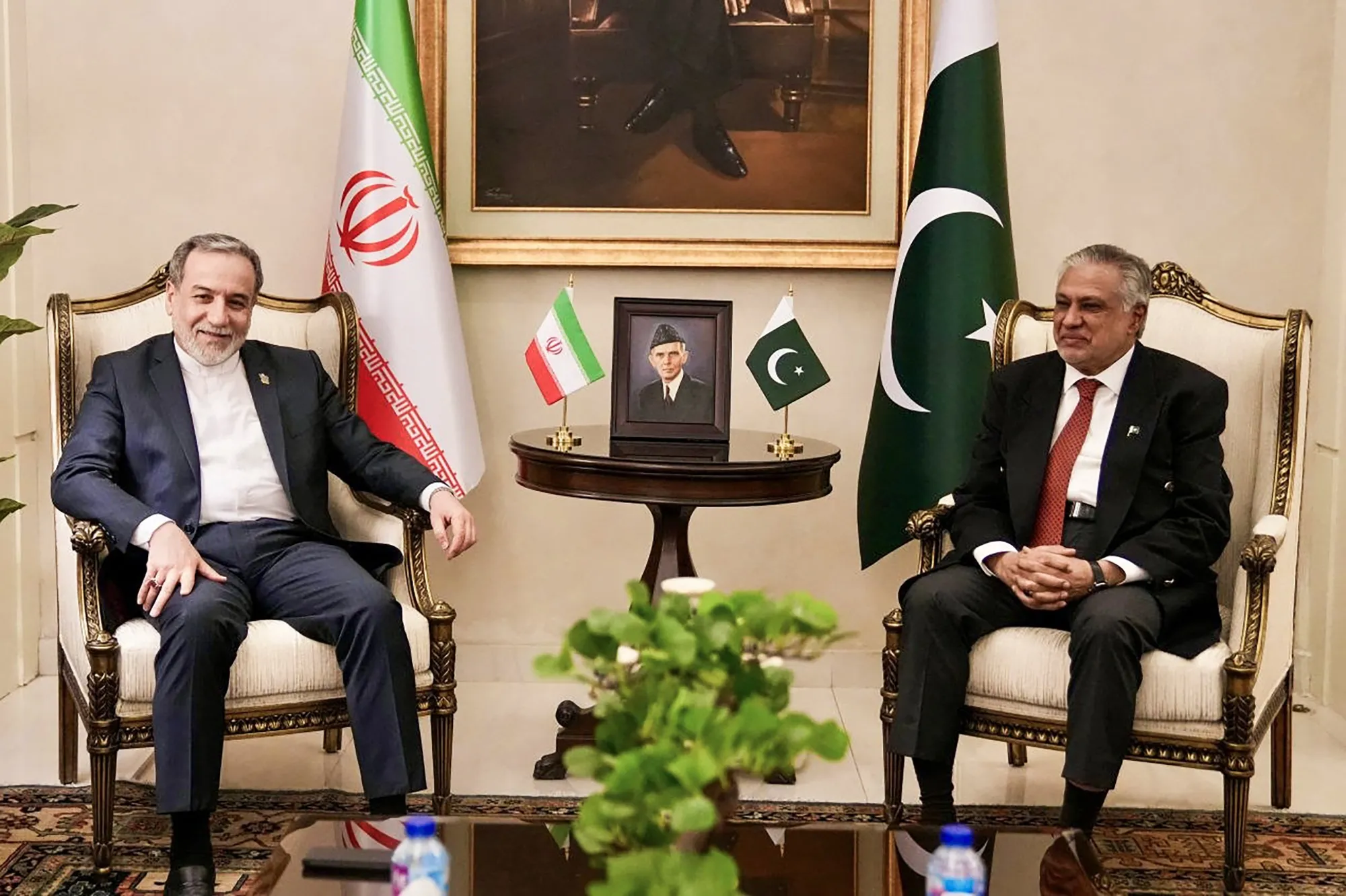
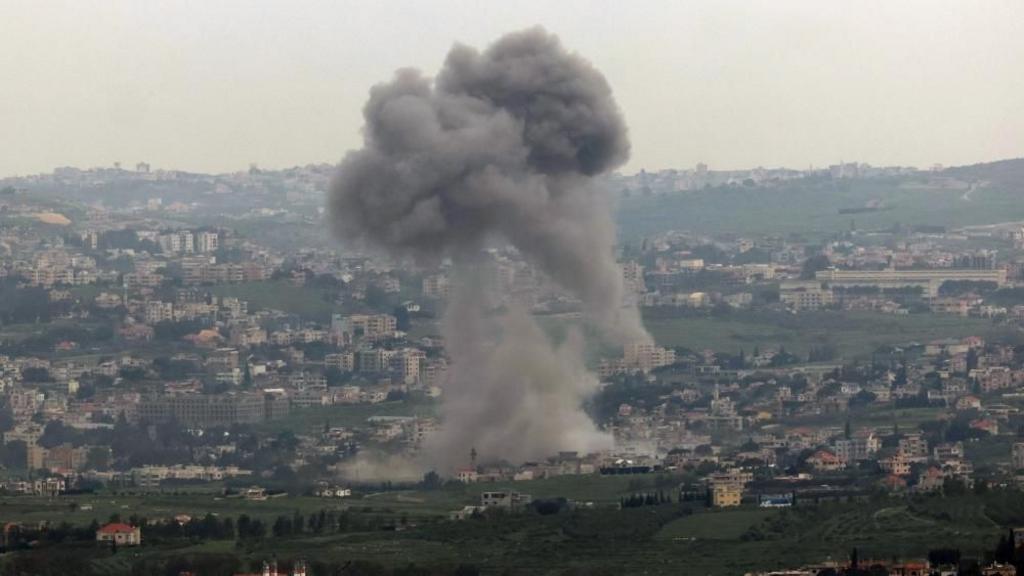
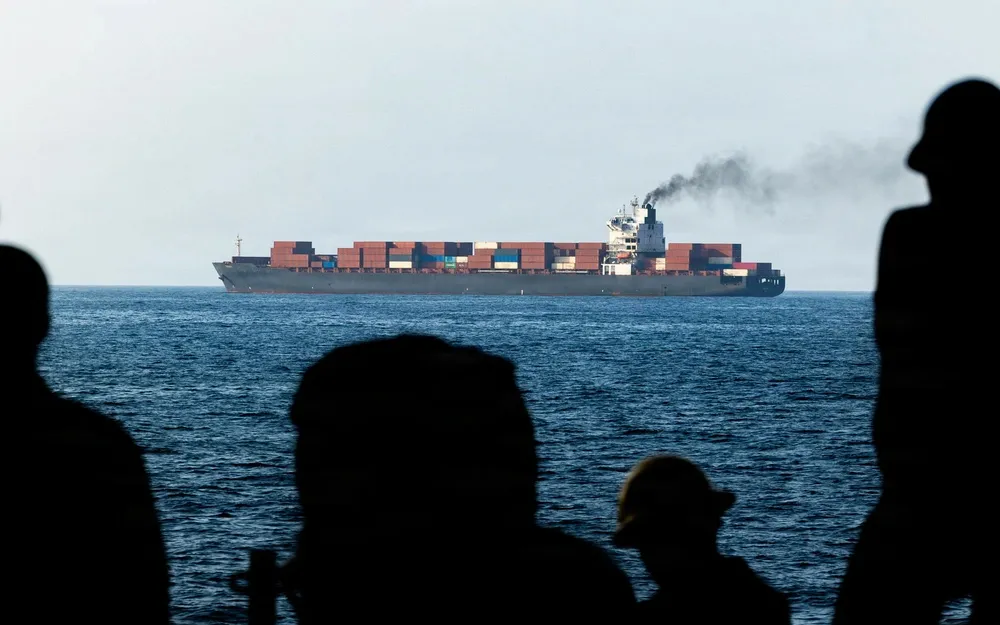
The escalating Iran-US geopolitical conflict has created a critical supply chain crisis for cross-border e-commerce sellers, with the Strait of Hormuz experiencing a 95% reduction in maritime traffic—dropping from 140 daily vessel passages to just 7 ships in 24-hour periods. This waterway handles approximately 30-33% of global maritime petroleum trade and 20-30% of all seaborne commerce, making the disruption consequential for international logistics networks. Brent crude oil has surged to nearly $108 per barrel (a three-week high), with US gasoline prices climbing to $4.11 per gallon following five consecutive days of increases. The diplomatic impasse remains unresolved as Iranian Foreign Minister Abbas Araghchi conducted shuttle diplomacy across Pakistan, Oman, and Russia in late April 2026, while US-Iran negotiations stalled after President Trump canceled planned peace talks. Iran operates under a US naval blockade affecting its ports, with only 20 days of oil storage capacity remaining according to energy analysts at Kpler, creating urgency around resolution.
For cross-border e-commerce sellers, the operational impact is severe and multifaceted. Shipping costs for goods transiting Asia-Europe routes via the Strait of Hormuz have increased 15-25% due to elevated fuel surcharges and insurance premiums, directly compressing profit margins for sellers reliant on time-sensitive deliveries. Sellers using air freight face even steeper cost increases, with some reporting 20-30% premium hikes. Delivery timelines have extended 3-6 weeks as vessels follow Iranian-designated routing protocols and avoid the congested strait, forcing sellers to adjust inventory management and customer expectation communications. The piracy threat in the Horn of Africa region has intensified following two cargo vessel hijackings off Somalia, further elevating maritime insurance costs and creating additional supply chain vulnerabilities for sellers importing goods from Asia or exporting to Middle Eastern markets.
Strategic sourcing implications are reshaping competitive dynamics. Sellers currently dependent on Middle Eastern logistics hubs and Persian Gulf shipping corridors face immediate uncertainty, while those with alternative routing through southern Iranian terminals or diversified logistics networks gain competitive advantages. China is positioned to benefit from the energy crisis through expanded exports of renewable technology, solar panels, batteries, and electric vehicles—creating new product sourcing opportunities for sellers in these categories. Consumer confidence in major European markets like Germany has fallen to three-year lows due to anticipated energy cost increases, signaling reduced purchasing power and demand compression in Q2-Q3 2026. Sellers must monitor the diplomatic timeline closely: any resolution could rapidly normalize shipping costs, while prolonged conflict extends the 3-6 week delivery delay window and maintains elevated logistics expenses through at least mid-2026.
Questions 8
How much will shipping costs increase for sellers using Asia-Europe routes through the Strait of Hormuz?
Shipping costs have increased 15-25% for standard ocean freight on Asia-Europe routes due to elevated fuel surcharges and insurance premiums, with air freight experiencing even steeper 20-30% increases. The Strait of Hormuz disruption—with only 7 ships transiting daily versus the pre-conflict average of 140—forces vessels to follow Iranian-designated routes and adds 3-6 weeks to delivery timelines. Brent crude oil has surged to $108 per barrel, directly translating to higher fuel surcharges on shipping invoices. Sellers should immediately review their 3PL contracts for fuel surcharge clauses and consider alternative routing through southern Iranian terminals or the Suez Canal to mitigate costs.
What is the timeline for Strait of Hormuz shipping to normalize?
The diplomatic impasse remains unresolved as of late April 2026, with US-Iran negotiations stalled after President Trump canceled planned peace talks. Iranian Foreign Minister Abbas Araghchi conducted shuttle diplomacy across Pakistan, Oman, and Russia seeking resolution, but both parties maintain hardline positions regarding nuclear capabilities and maritime access. Energy analysts estimate Iran has approximately 20 days of oil storage capacity remaining, creating urgency but no guaranteed timeline for resolution. Sellers should plan for extended 3-6 week delivery delays through at least mid-2026 and maintain elevated logistics cost budgets until diplomatic breakthroughs occur.