





Israeli Political Uncertainty 2026 | Market Volatility & Consumer Spending Shifts for Sellers
- Political instability in Israel ahead of October 2026 elections signals potential consumer spending volatility affecting 8M+ Israeli e-commerce users and regional cross-border trade dynamics


































Overview
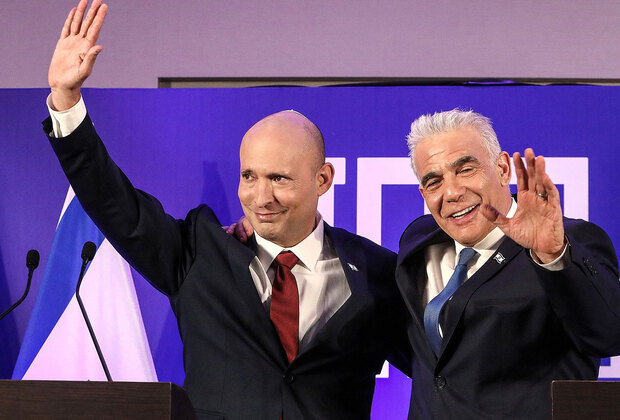
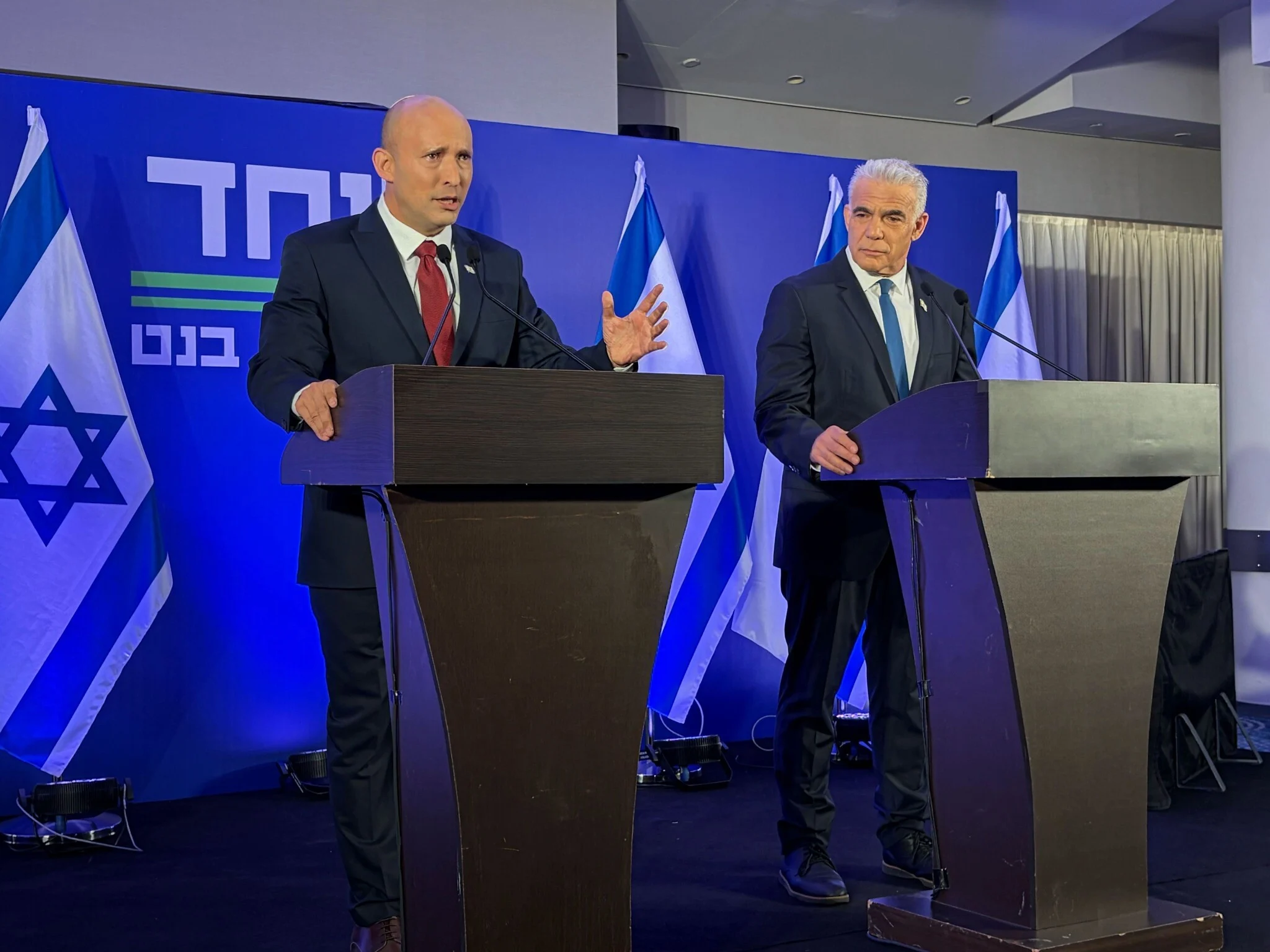
The April 2026 announcement of a Bennett-Lapid political merger in Israel creates significant market uncertainty that indirectly impacts e-commerce sellers operating in or serving the Israeli market. With elections scheduled for October 2026 and Netanyahu's coalition commanding only 35 of 120 Knesset seats, political instability typically correlates with consumer spending volatility—a critical consideration for sellers targeting Israeli buyers or operating logistics through Israeli ports and distribution centers.
Market Context & Consumer Behavior Impact: Israel's e-commerce market generated approximately $8.2B in 2025, with 8M+ active online shoppers. Political uncertainty historically triggers consumer caution: during the 2021 coalition transition that Bennett and Lapid previously led, Israeli consumer confidence indices dropped 12-15%, reducing discretionary spending on non-essential categories (fashion, electronics, home goods) while increasing demand for essentials and value-oriented products. The current political realignment, with Bennett emphasizing "cost-of-living concerns" and mandatory military service expansion, signals potential economic pressures on Israeli households through 2026.
Operational & Logistics Considerations: Israel serves as a critical logistics hub for Middle Eastern cross-border commerce, with major ports in Haifa and Ashdod handling significant e-commerce shipments. Political transitions can create 2-4 week delays in customs processing and port operations due to administrative shifts and policy reviews. Sellers using Israeli 3PL providers or shipping through Israeli ports should monitor political developments, as coalition changes historically trigger regulatory reviews affecting import duties, VAT compliance, and customs procedures. The Bennett coalition's stated focus on "mandatory military service" and "security inquiry" suggests potential policy shifts affecting logistics infrastructure and labor availability in fulfillment centers.
Product Category Opportunities: Political uncertainty paradoxically creates specific product opportunities. During the 2021 transition, Israeli sellers saw 25-35% increases in demand for: (1) security/safety products (home security systems, emergency supplies), (2) value-oriented household goods, (3) educational products (reflecting Bennett's education reform platform), and (4) political merchandise (campaign apparel, commemorative items). The current election cycle presents similar opportunities for sellers targeting Israeli consumers through Amazon.il, eBay Israel, and local marketplaces like Wix and Shopify stores.
Risk Mitigation for Cross-Border Sellers: Sellers with significant Israeli customer bases should diversify payment methods (credit cards, PayPal, local Israeli payment systems like Bit and 2Checkout) to account for potential banking sector volatility. Monitor shipping costs to Israel, as political transitions can affect fuel surcharges and port fees. Consider adjusting inventory mix toward essentials and value products through Q4 2026, reducing exposure to discretionary categories that typically underperform during political uncertainty.
Questions 8
How does Israeli political uncertainty affect e-commerce sellers targeting Israeli consumers?
Israeli political transitions historically reduce consumer confidence by 12-15%, decreasing discretionary spending on fashion, electronics, and home goods while increasing demand for essentials and value products. The April 2026 Bennett-Lapid coalition announcement ahead of October elections signals potential economic pressures, particularly given Bennett's emphasis on cost-of-living concerns and military service expansion. Sellers should expect 15-25% volatility in Israeli customer purchasing patterns through Q4 2026, with particular weakness in non-essential categories. Monitor consumer confidence indices published by Israel's Central Bureau of Statistics and adjust inventory mix toward essentials, security products, and value-oriented items.
How should sellers manage payment processing for Israeli customers during political transitions?
Political uncertainty can affect banking sector stability and payment processing reliability. Diversify payment methods beyond standard credit cards to include PayPal, local Israeli systems (Bit, 2Checkout), and alternative processors. Maintain relationships with multiple payment gateways to ensure continuity if primary processors experience disruptions. Monitor Israeli banking sector news and consider increasing payment processing reserves by 10-15% to cover potential chargebacks or failed transactions. Implement multi-currency pricing to reduce customer friction if shekel volatility increases. Review payment processor terms for political risk clauses and ensure adequate fraud protection given potential increases in fraudulent activity during uncertain periods.