


Geopolitical Escalation Reshapes Supply Chains | Cross-Border Sellers Face Sanctions Risk
- Deepening North Korea-Russia military ties signal potential sanctions expansion affecting 15,000+ sellers sourcing from or shipping to affected regions



!role~Preview!mt~photo!fmt~JPEG%20Baseline)











Overview
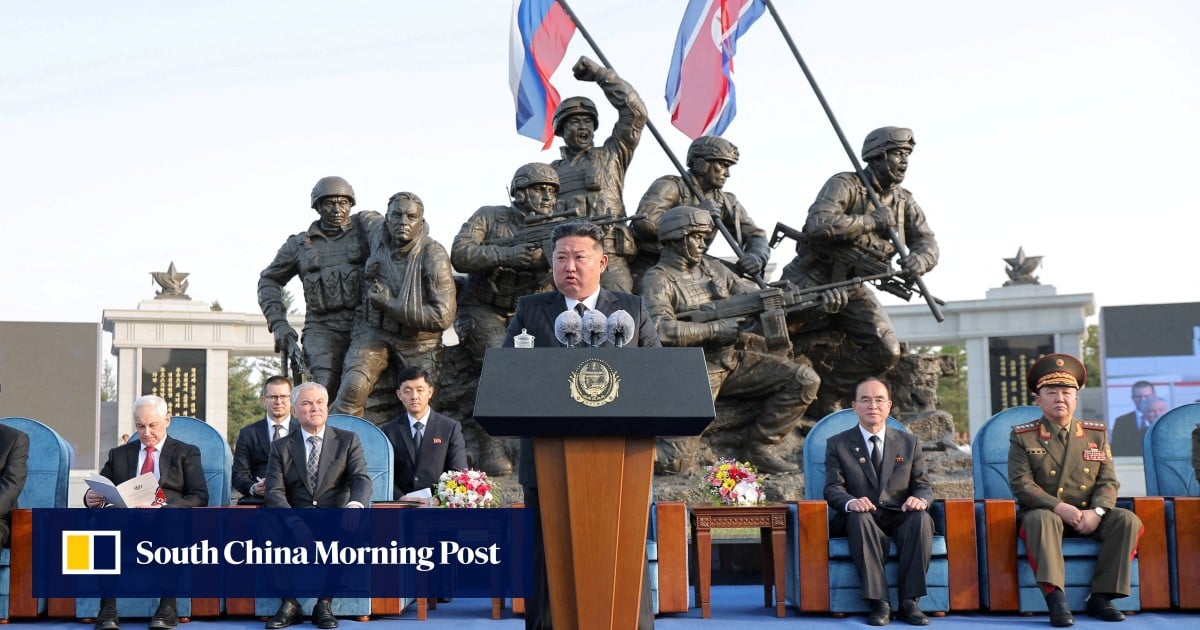
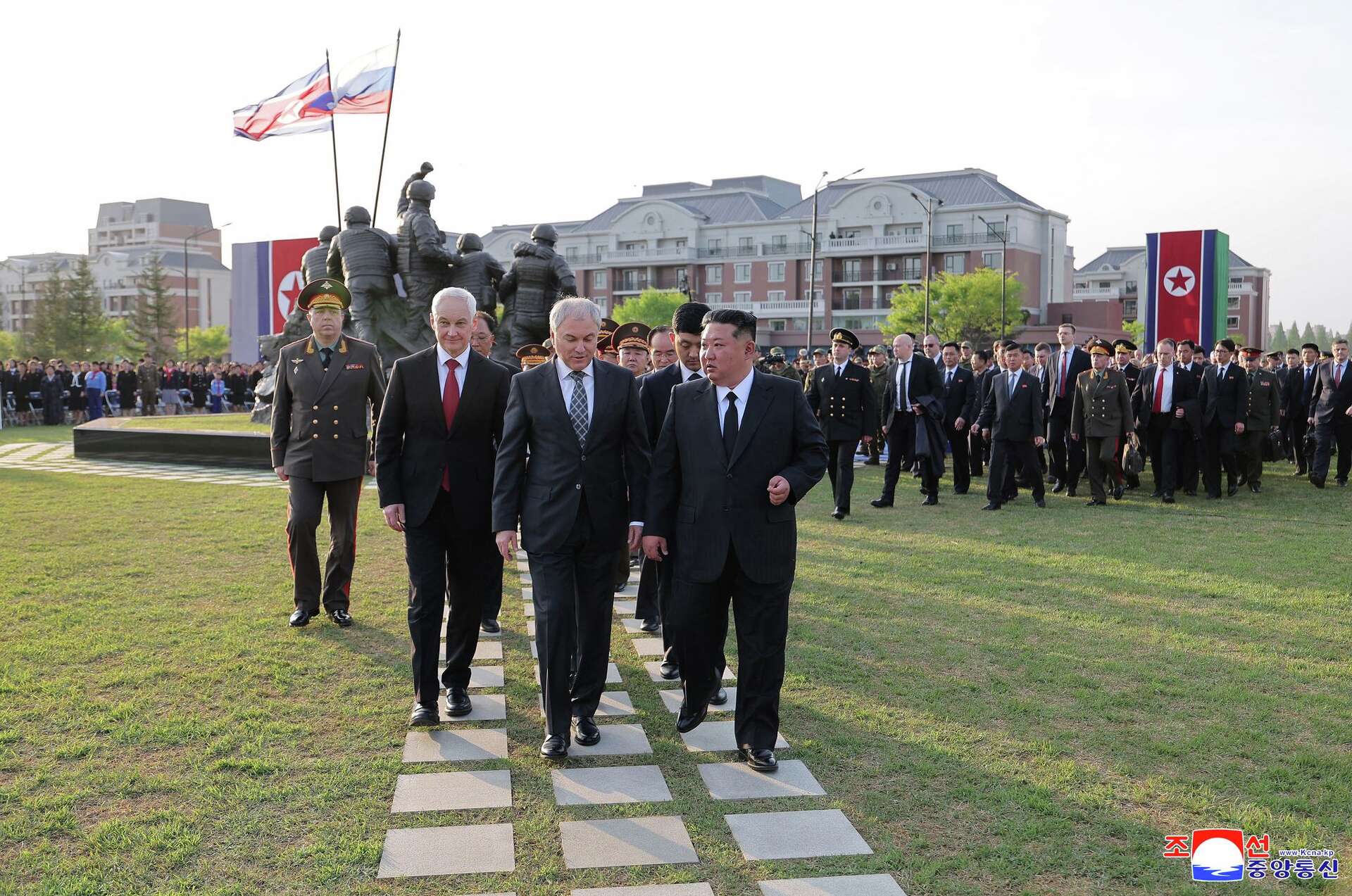
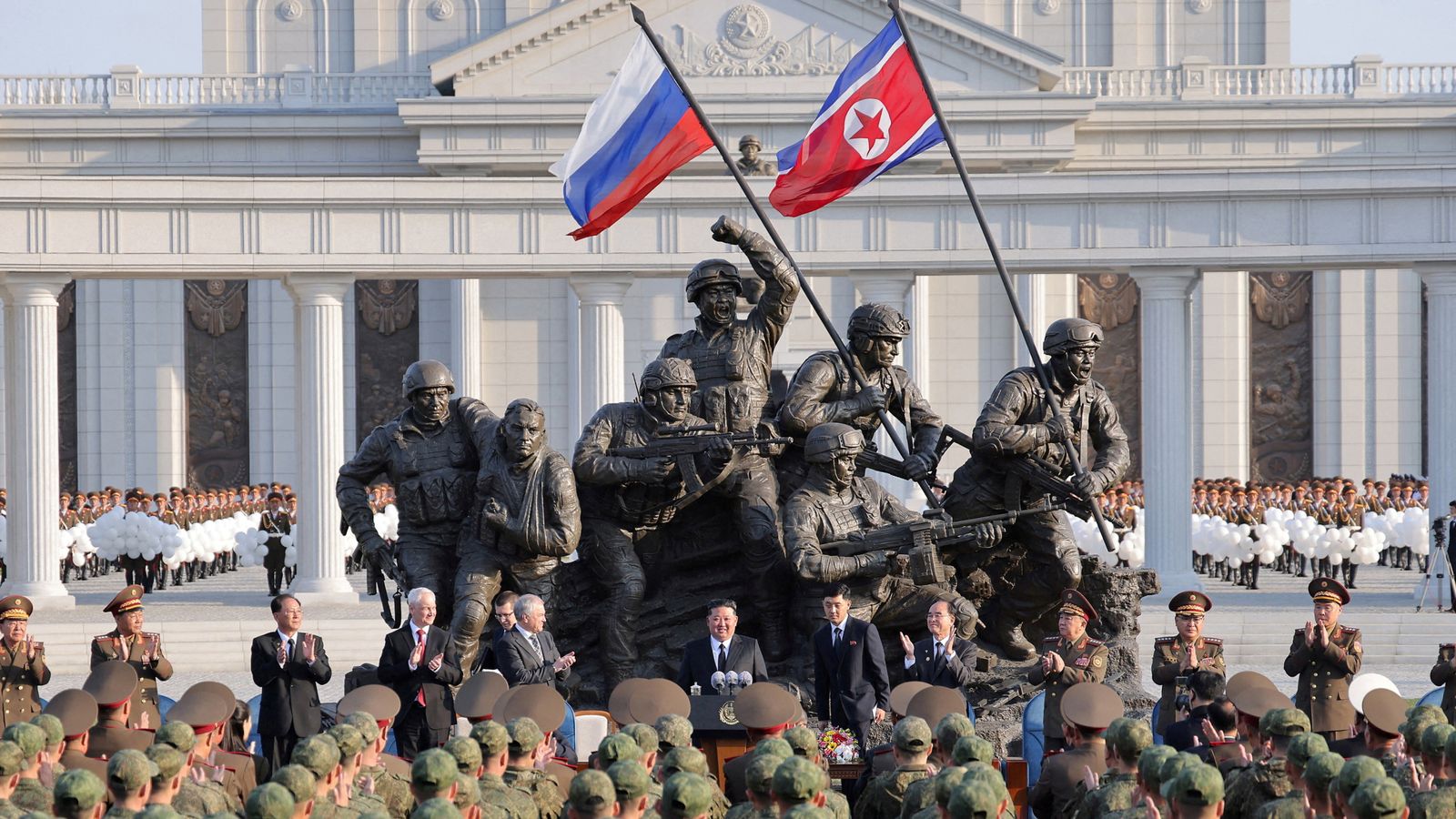
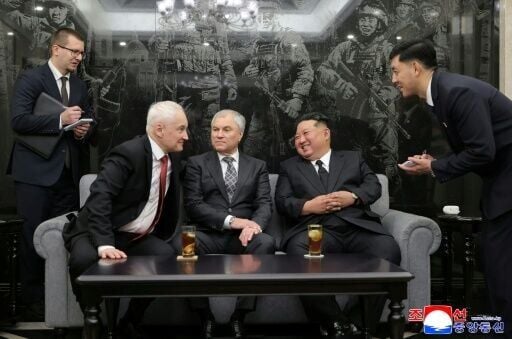
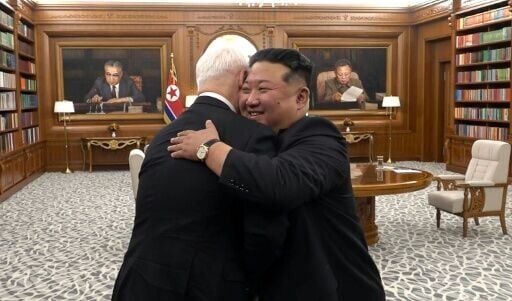
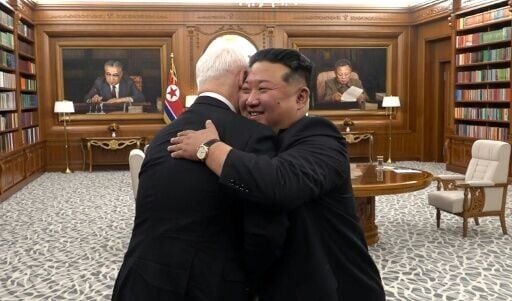
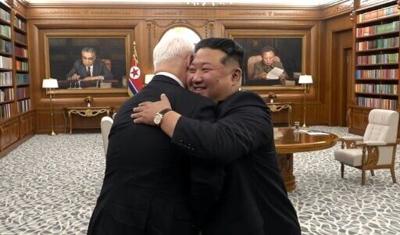
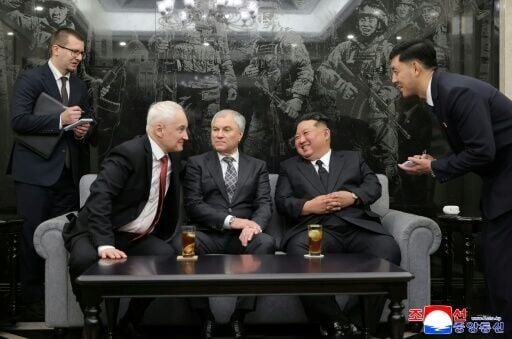
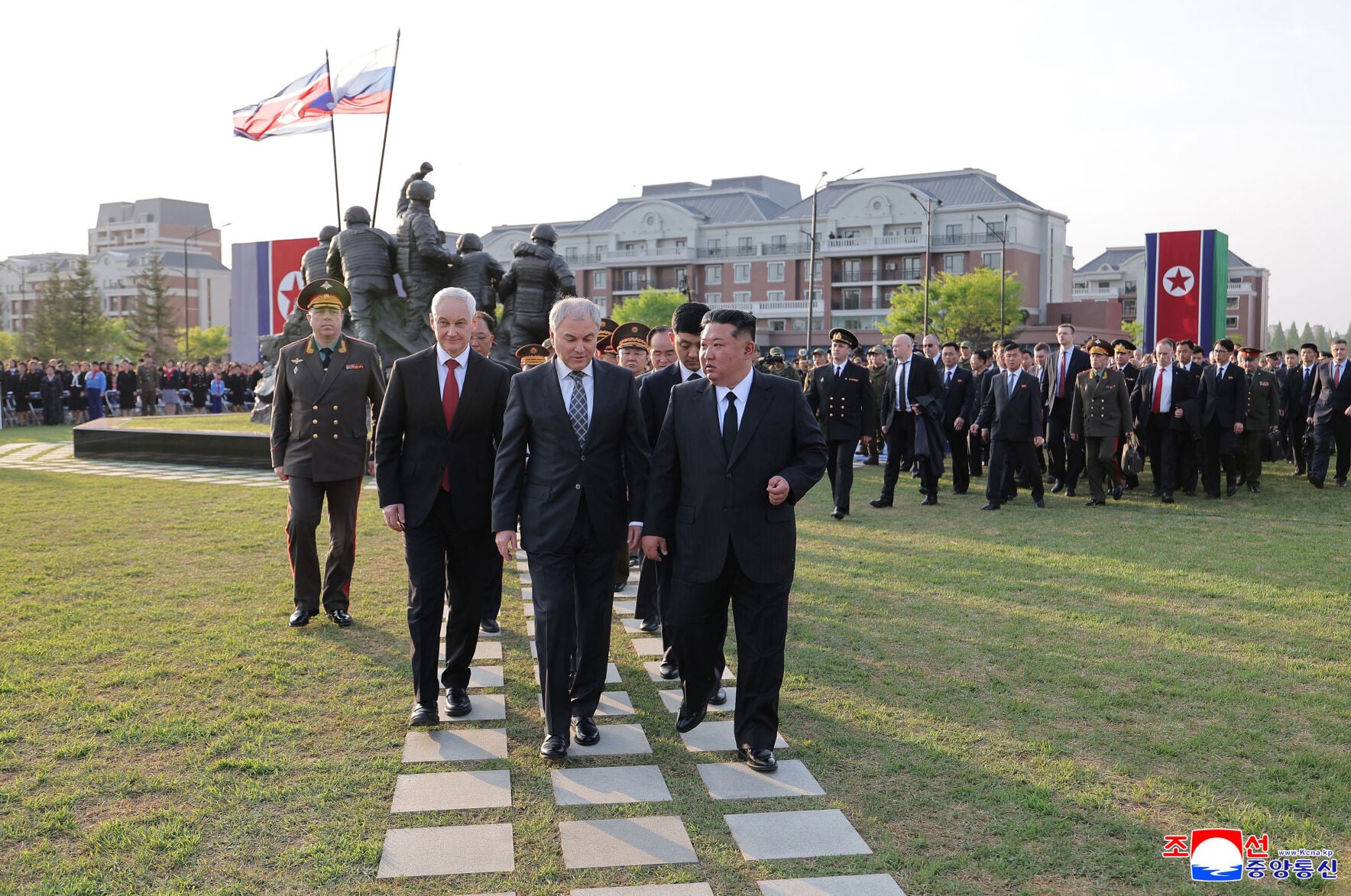
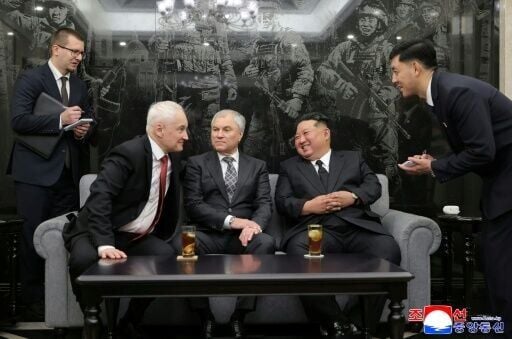
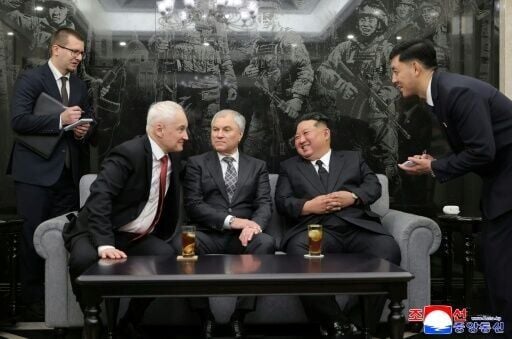
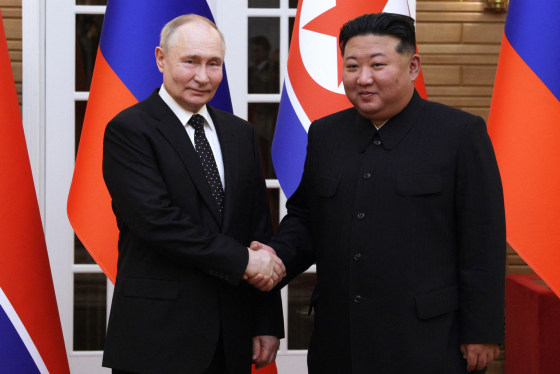
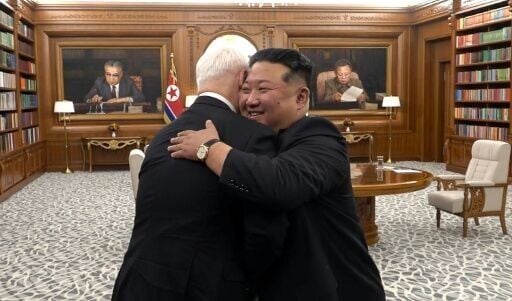
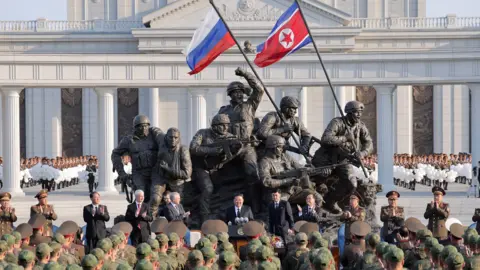
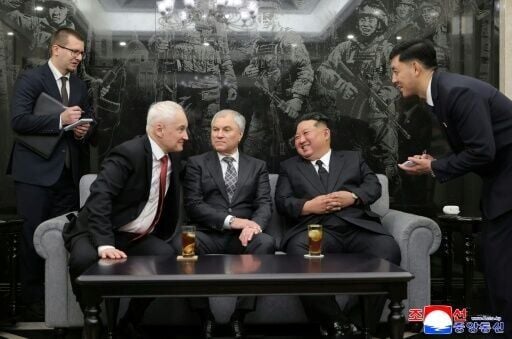
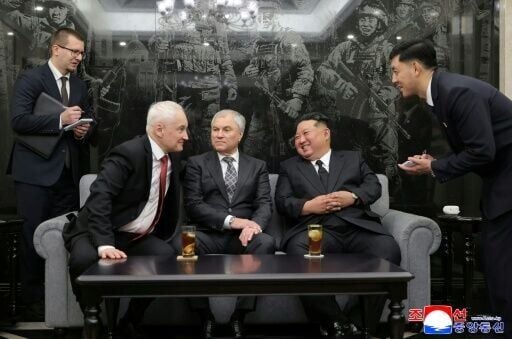
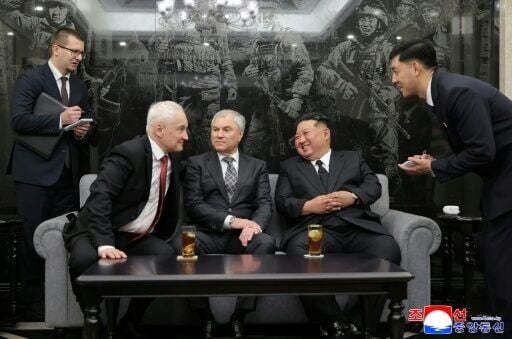
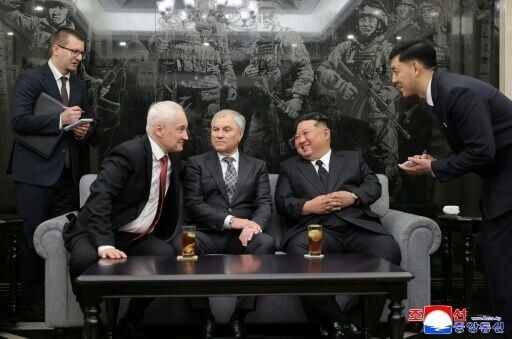
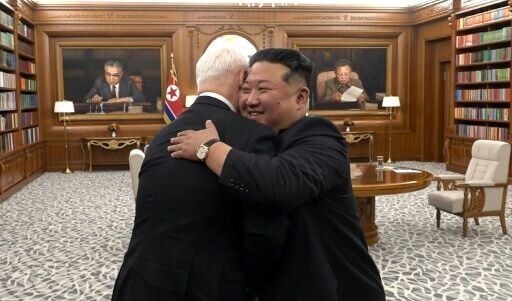
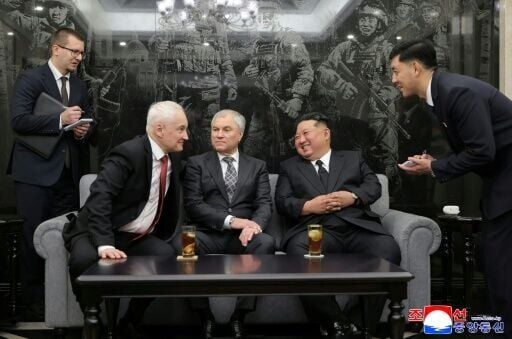
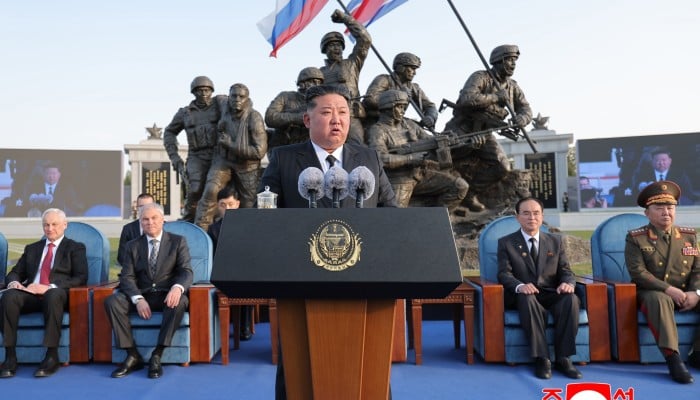
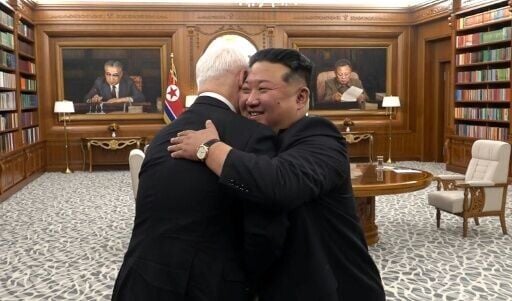
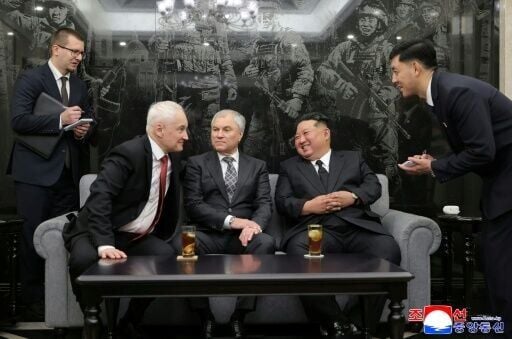
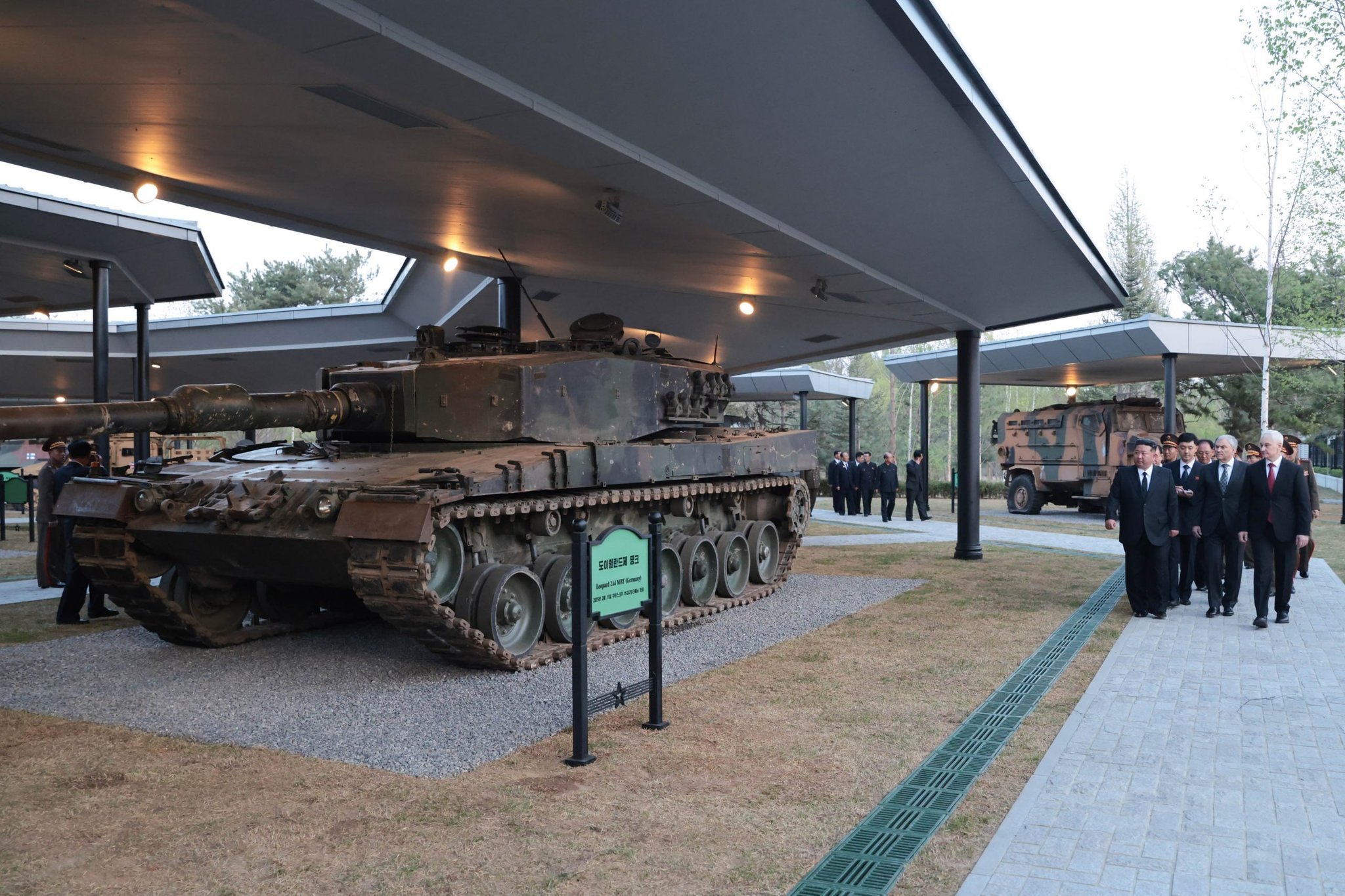
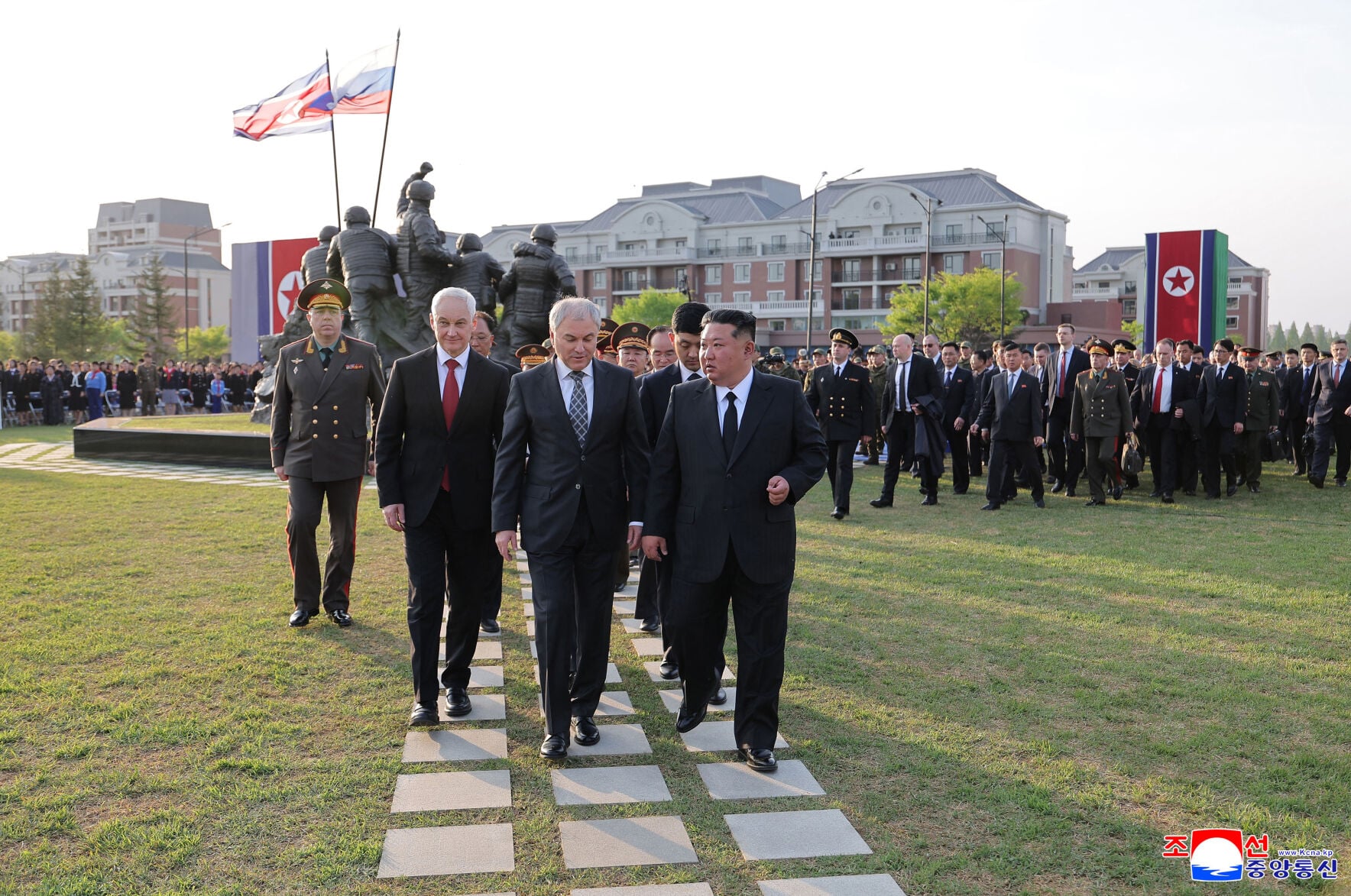
The deepening military alliance between North Korea and Russia, formalized through a June 2024 mutual defense treaty and publicly memorialized on April 27, 2026, represents a critical geopolitical inflection point with cascading implications for cross-border e-commerce sellers. According to South Korean intelligence, North Korea has deployed 3,000-15,000 troops to support Russian operations in Ukraine, with approximately 2,000 casualties, signaling unprecedented military integration. This public memorialization—a dramatic shift from previous denials—indicates Moscow and Pyongyang are cementing long-term strategic alignment, with Russia pledging a five-year bilateral military cooperation plan and North Korea committing thousands of workers to Kursk reconstruction efforts.
For cross-border sellers, this escalation creates three critical risk vectors. First, sanctions expansion: The U.S. and EU have historically responded to North Korean military deployments with targeted sanctions on financial institutions, shipping companies, and supply chain partners. Sellers sourcing electronics, textiles, or machinery components from Chinese suppliers with North Korean connections face potential secondary sanctions exposure. The 2024-2026 timeline shows accelerating military cooperation, increasing likelihood of new OFAC designations affecting payment processors and logistics networks. Second, Russian market access deterioration: Current EU and U.S. sanctions already restrict direct Russia trade, but the public military alliance signals potential secondary sanctions on third-country intermediaries. Sellers using Turkish, UAE, or Central Asian transshipment routes face heightened compliance scrutiny. Third, supply chain disruption: North Korea's commitment of "thousands of workers" to Kursk reconstruction diverts labor from manufacturing sectors, potentially constraining supply of North Korean-origin components (rare earth processing, textiles) that flow through Chinese intermediaries to global e-commerce supply chains.
The operational impact varies by seller segment. Small sellers (under $500K annual revenue) relying on low-cost sourcing from China-North Korea border regions face 15-25% cost increases as alternative suppliers command premiums. Mid-market sellers ($500K-$5M) must audit their 3PL and payment processor compliance certifications—many lack OFAC screening for secondary sanctions exposure. Large sellers ($5M+) should conduct immediate supply chain mapping to identify North Korean-origin materials, particularly in electronics (HS codes 8471-8517), textiles (HS codes 6204-6209), and mineral processing (HS codes 2601-2620). The April 2026 memorialization timing suggests geopolitical tensions are hardening, making sanctions escalation within 6-12 months increasingly probable. Sellers should prioritize supply chain diversification away from China-North Korea corridor sourcing and implement enhanced due diligence on payment processors and logistics partners before potential new designations take effect.
Questions 7
Which product categories face highest supply chain disruption risk?
Electronics (HS 8471-8517), textiles (HS 6204-6209), and mineral processing (HS 2601-2620) face highest disruption because North Korea supplies rare earth processing and low-cost manufacturing through Chinese intermediaries. The news reports North Korea is committing 'thousands of workers' to Kursk reconstruction, diverting labor from manufacturing. This creates 15-25% cost increases for sellers relying on China-North Korea sourcing. Alternative suppliers in Vietnam, India, and Indonesia command 10-20% premiums. Small sellers should diversify sourcing immediately; large sellers should map supply chains by HS code to identify exposure concentration.
Should I stop selling to Russia or using Russian suppliers?
Current EU and U.S. sanctions already restrict direct Russia trade, but the April 2026 military escalation increases risk of secondary sanctions on third-country intermediaries. Sellers using Turkish, UAE, or Central Asian transshipment routes face heightened compliance scrutiny. If you currently sell to Russia through intermediaries, consult OFAC guidance immediately—secondary sanctions can apply even if you don't directly violate primary sanctions. The safest approach is to cease Russia operations and audit all suppliers for Russian connections. If you maintain Russia exposure, implement enhanced due diligence and document compliance efforts to mitigate penalty risk.