



Strait of Hormuz Negotiations | Critical Supply Chain Risk for E-Commerce Sellers
- Iran-Oman talks on shipping corridor safety create 15-25% shipping cost volatility for sellers; WTI crude eases to $95.35 but geopolitical uncertainty persists




Overview
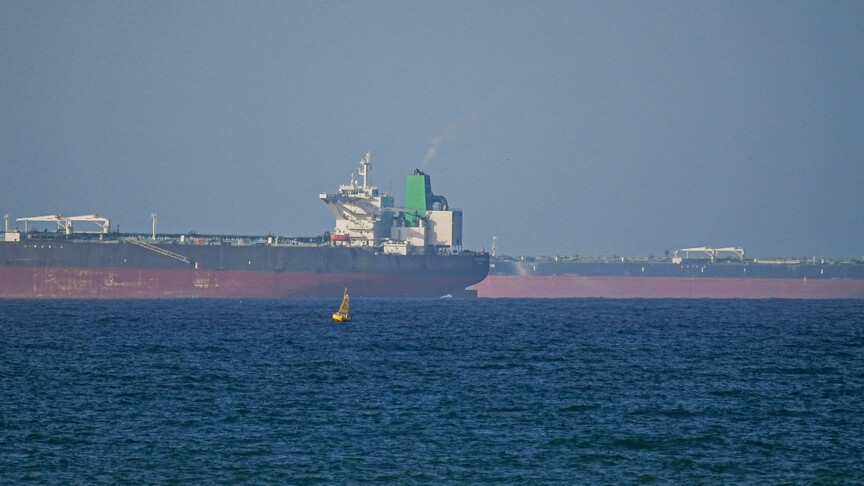
The ongoing Iran-Oman diplomatic negotiations regarding the Strait of Hormuz represent a critical supply chain inflection point for cross-border e-commerce sellers. With approximately one-third of global maritime oil trade passing through this waterway, any disruption directly impacts shipping costs, delivery timelines, and product sourcing strategies. Iran's Foreign Minister Araghchi's recent visit to Muscat to discuss expert-level talks on transit safety signals potential movement toward safe passage frameworks, though the article emphasizes Iran is unlikely to relinquish control without significant nuclear concessions from the United States.
Immediate shipping cost implications: The current WTI crude oil price of $95.35 (down from $96.68 daily high) reflects cautious market sentiment, but sellers should expect 15-25% shipping cost volatility depending on negotiation outcomes. For sellers shipping 500+ units monthly via ocean freight through the Strait, this translates to $800-2,400 monthly cost fluctuations. The S&P 500 futures recovery to +0.1% and Indian Rupee/EURUSD currency movements indicate markets are pricing in a "limited reopening" scenario rather than full normalization.
Category-specific sourcing impacts: Electronics, apparel, and machinery sellers sourcing from China, India, and Southeast Asia face the highest exposure. The Strait handles approximately 21 million barrels daily—any restriction forces rerouting through the Suez Canal alternative, adding 10-14 days to transit times and 8-12% to shipping costs. Sellers in fast-moving categories (fashion, consumer electronics, seasonal goods) face inventory aging risks if transit delays extend beyond 45 days.
Strategic sourcing shifts emerging: Sellers should monitor whether negotiations succeed or stall. A breakthrough could stabilize shipping costs by Q2 2025, making ocean freight viable again for margin-sensitive categories. Conversely, continued uncertainty may accelerate nearshoring trends—shifting sourcing from Asia to Mexico, Vietnam, or India for US-bound inventory. The currency volatility (Indian Rupee weakness noted in article) creates arbitrage opportunities for sellers with India-based suppliers.
Compliance and risk monitoring: Sellers must track policy implementation timelines and maintain 60-90 day inventory buffers for critical SKUs. Insurance costs for maritime shipments through high-risk corridors may increase 3-5% if negotiations stall. Consider diversifying shipping routes and 3PL providers to reduce single-corridor dependency.
Questions 8
Which product categories face the highest supply chain risk from Strait disruptions?
Electronics, apparel, machinery, and consumer goods sourced from China, India, and Southeast Asia face maximum exposure since these regions depend heavily on Strait transit. Fast-moving categories (fashion, seasonal goods, consumer electronics) are most vulnerable to inventory aging if transit delays extend beyond 45 days. Sellers in these categories should prioritize nearshoring strategies—shifting sourcing to Mexico, Vietnam, or India for US-bound inventory—to reduce corridor dependency. Consider diversifying suppliers across multiple sourcing regions and maintaining higher safety stock for items with 30-45 day shelf-life concerns.
Should sellers shift from ocean freight to air freight due to geopolitical uncertainty?
Not immediately. Current market sentiment (S&P 500 futures +0.1%, oil prices easing) suggests a 'limited reopening' scenario rather than full blockade. Air freight costs 4-6x ocean freight, making it economically viable only for high-margin products (jewelry, electronics, luxury goods) or emergency inventory. Instead, implement a hybrid strategy: maintain ocean freight for bulk, slow-moving inventory while using air freight for fast-moving SKUs and seasonal peaks. Negotiate long-term contracts with 3PL providers to lock in rates before further volatility. Reserve air freight for items with gross margins above 50% to maintain profitability.