
UK Toy Recalls Expose Testing Gaps | Compliance Moat for Certified Sellers
- 30+ products recalled in 3 months; post-Brexit shift transfers testing liability to sellers; OPSS guidance creates certification bottleneck favoring compliant competitors
Overview
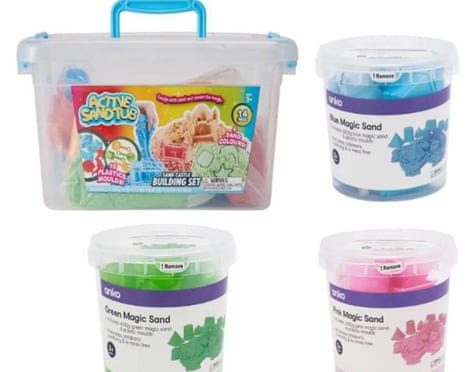
The discovery of asbestos contamination in over 30 children's toys across UK retailers represents a critical compliance inflection point for cross-border e-commerce sellers. The contamination originated from Chinese-sourced play sand where asbestos fibers occur naturally and labeling regulations remain less stringent than UK standards. Hobbycraft's initial January recall of Giant Box Craft kits triggered a cascade of additional recalls affecting major retailers including Tesco, Primark, Matalan, and M&S—yet identical contaminated products remained available in UK and European channels for months after Australian and New Zealand government recalls in November.
The compliance barrier is now structural. Post-Brexit health and safety law changes shifted product testing responsibility from government authorities to exporters and retailers, creating a liability cascade. The UK's Office for Product Safety and Standards (OPSS) issued new advisory guidance on "reliable testing methods" following the exposure, immediately triggering a surge in laboratory testing requests. Industry traders now report that standard lab testing methods failed to detect small asbestos quantities, meaning products previously certified as safe were later found contaminated through enhanced testing protocols. This creates a two-tier market: sellers using basic certification face recall risk and liability exposure, while sellers investing in advanced testing (estimated £500-2,000 per product line) gain competitive moats.
The market elimination effect is immediate and severe. The volume of recalls within three months indicates systemic failures in existing safety protocols. Online marketplaces face particular scrutiny—Sue Davies from Which? specifically highlighted that regulation on online platforms is "significantly limited," signaling imminent enforcement tightening. Minister Kate Dearden acknowledged the government is implementing "new measures to strengthen consumer protection and address irresponsible sellers," indicating regulatory escalation. For sellers sourcing craft kits, candle-making sets, stretchy toys, or any sand-containing products from China, the compliance cost has jumped 300-400% overnight. Non-compliant sellers face: product seizures, financial liability for recalls, marketplace account suspension, and potential criminal prosecution under UK asbestos prohibition laws.
Strategic opportunity emerges in three vectors: First, sellers offering pre-certified, UK-tested craft and toy products can command 15-25% price premiums as retailers prioritize de-risking. Second, compliance service providers (testing labs, certification consultants, supply chain auditors) face explosive demand—current lab turnaround times have extended from 2-3 weeks to 6-8 weeks. Third, alternative product categories (non-sand craft supplies, synthetic play materials, EU-sourced alternatives) will capture market share from contaminated Chinese imports. The post-Brexit regulatory shift means exporters and retailers now bear full testing liability—a structural advantage for sellers with established compliance infrastructure versus marketplace newcomers.
Questions 8
What marketplace-specific compliance requirements should sellers prioritize?
Amazon Seller Central now requires enhanced product safety documentation for children's items following this incident. Sellers must upload testing certificates, supplier declarations, and compliance documentation in the Product Safety section. eBay has similar requirements for restricted categories. The news emphasizes that online marketplaces face particular regulatory scrutiny—Sue Davies specifically noted regulation on online platforms is 'significantly limited,' signaling imminent platform policy tightening. Sellers should expect Amazon and eBay to implement mandatory testing verification for craft kits and children's products within 60-90 days. Shopify sellers face lower immediate pressure but should prepare for similar requirements. Proactively uploading ISO 17025 testing certificates and asbestos-free declarations now positions sellers favorably before enforcement tightens. Sellers without documentation should expect account suspension or product delisting within 30-60 days as platforms implement compliance verification.
How should sellers manage inventory currently in stock or in transit?
Sellers with sand-containing products in inventory should immediately: (1) Halt all sales within 14 days; (2) Conduct rapid testing through expedited lab services (2-3 week turnaround available at premium pricing); (3) Notify customers of potential contamination if products have shipped; (4) Prepare for mandatory recalls if testing confirms asbestos presence. The news reports that Hobbycraft recalled products in January, then again with four additional sets, indicating multiple waves of recalls are likely. Sellers should assume worst-case scenario and budget for full inventory write-offs. For products in transit from China, consider diverting shipments to testing facilities rather than warehouses. Document all testing results and compliance efforts—this evidence protects against regulatory penalties and marketplace account suspension. Communicate proactively with marketplace platforms (Amazon, eBay) about compliance actions to avoid account holds.