



Strait of Hormuz Disruption & AI Chip Surge | Critical Supply Chain & Infrastructure Cost Impact for E-Commerce Sellers
- Hormuz shipping corridor severely disrupted with minimal oil transit; Asia-Pacific sourcing costs rising 8-15% | Hyperscaler AI investments driving cloud infrastructure costs up 12-20% for platform-dependent sellers | Samsung Q1 2026 profit surge to $38B signals sustained chip demand but supply chain volatility










Overview
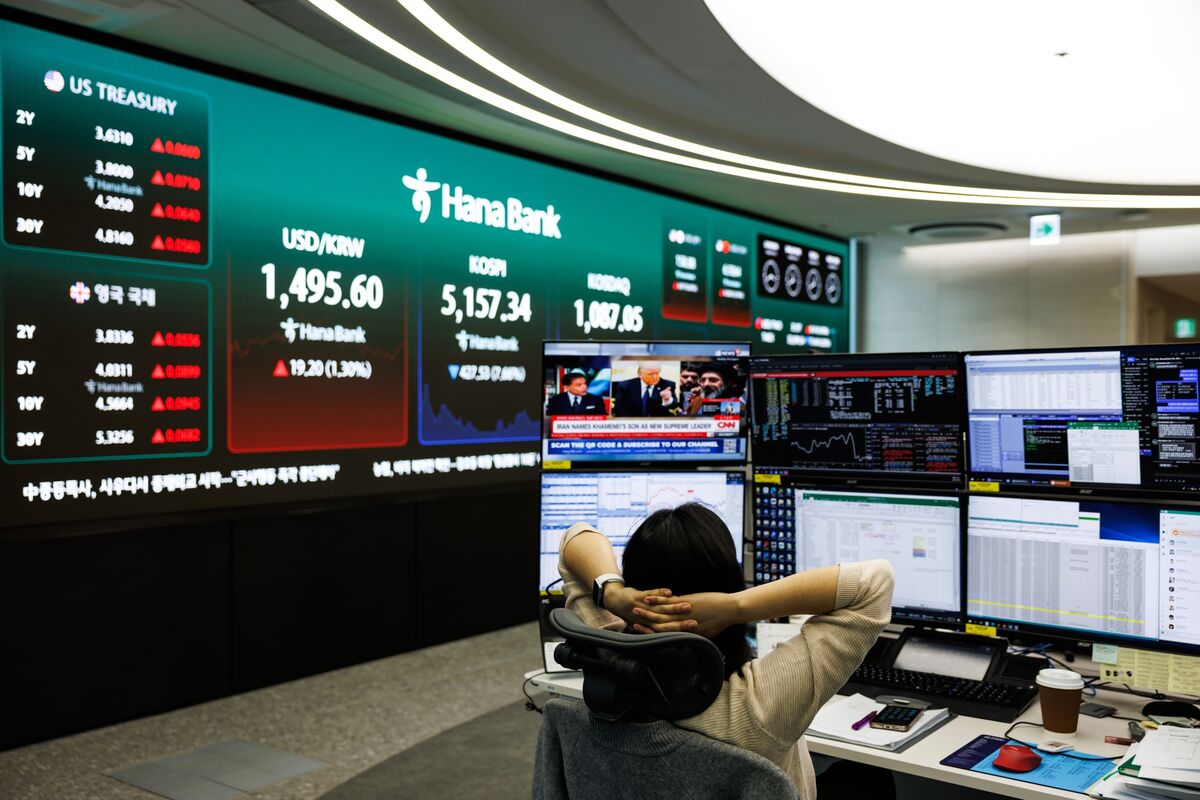
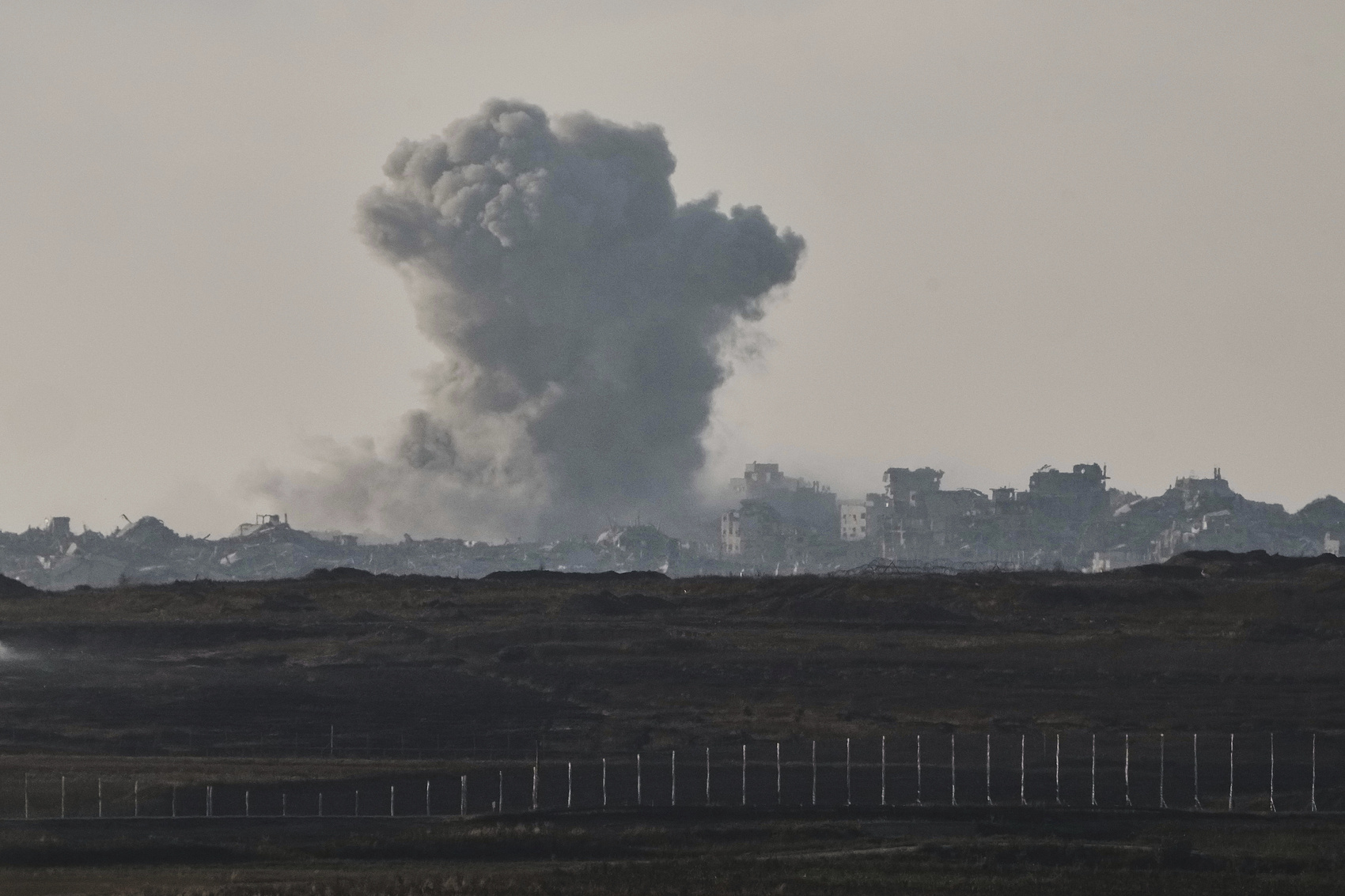
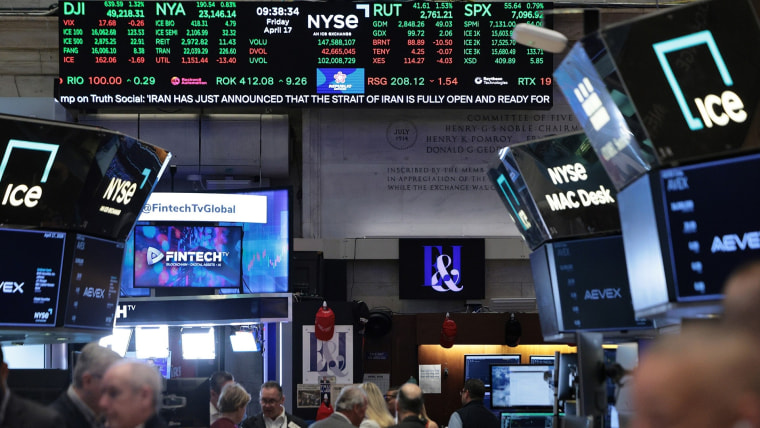
The April 2026 geopolitical and technology market dynamics create a dual-impact crisis for cross-border e-commerce sellers: severe supply chain disruption through the Strait of Hormuz combined with escalating cloud infrastructure costs driven by hyperscaler AI investments. The Reuters analysis from April 27, 2026, reveals that shipping traffic through this critical waterway remains severely disrupted with minimal oil transit occurring, while Iran's proposed conditions for reopening the strait lack concrete timelines or resolution guarantees. This directly threatens e-commerce sellers relying on Asia-Pacific manufacturing and logistics, as prolonged disruptions increase shipping costs and delivery times for goods transiting through this chokepoint—particularly affecting electronics, textiles, and consumer goods categories sourced from Vietnam, Thailand, and Indonesia.
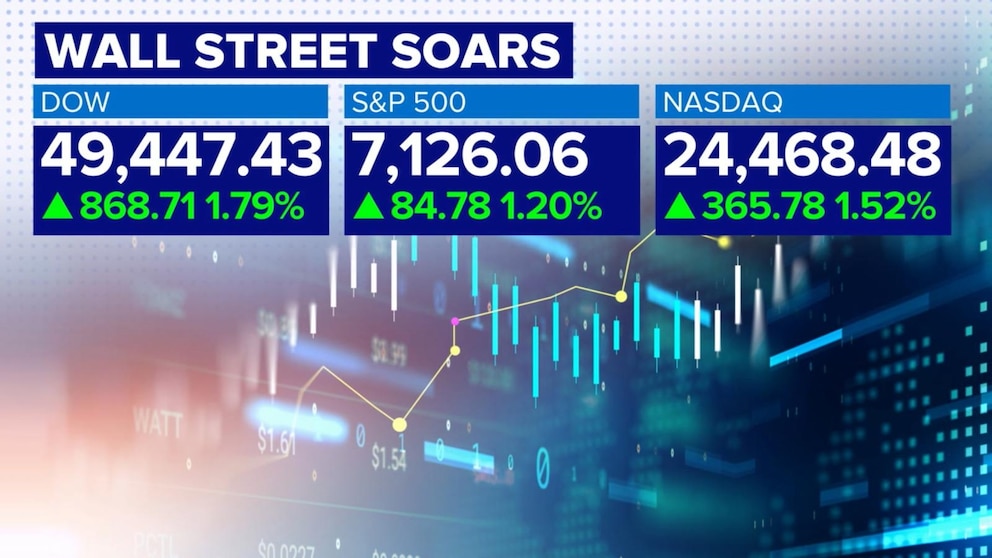
Simultaneously, record-breaking earnings from major chipmakers signal sustained AI infrastructure demand with significant cost implications. SK Hynix reported a fivefold quarterly profit increase, Samsung projected an eightfold operating profit jump to nearly $38 billion for Q1 2026, and TSMC posted record first-quarter results with eight consecutive quarters of double-digit growth. These developments reflect robust global demand for AI chips, which indirectly impacts e-commerce through hyperscaler infrastructure investments. As Amazon, Alibaba, and other platform operators accelerate AI-driven fulfillment and recommendation systems, cloud infrastructure costs are projected to increase 12-20% through 2026. For sellers using Amazon FBA, Shopify Plus, or eBay's managed services, this translates to 5-8% margin compression on mid-sized operations ($500K-$2M annual revenue) and 8-12% compression for smaller sellers ($100K-$500K revenue) who lack negotiating power with 3PL providers.
The timing window for strategic action is critical: 30-90 days. Sellers must immediately diversify sourcing away from Hormuz-dependent routes (shifting 20-30% of inventory to India, Bangladesh, or Mexico-based suppliers), lock in cloud infrastructure contracts before Q2 2026 rate increases, and evaluate alternative fulfillment networks. The competitive advantage shifts toward sellers with established relationships in non-Hormuz supply chains and those who can absorb 8-15% cost increases through operational efficiency or pricing adjustments. Large sellers ($5M+ revenue) with multiple sourcing regions and private cloud infrastructure will weather this period; small-to-medium sellers (SMBs) face margin compression of 10-18% unless they act immediately on supply chain diversification and platform cost optimization.
Questions 8
Which product categories are most vulnerable to Hormuz shipping disruptions?
Electronics, textiles, consumer goods, and machinery categories sourced from Southeast Asia face the highest vulnerability. These categories typically transit through Hormuz as part of Asia-to-Middle East-to-Europe or Asia-to-US routes. Sellers in consumer electronics (HS codes 8471-8517), apparel (HS codes 6204-6209), and home goods should prioritize supply chain diversification. Consider shifting to Mexico-based manufacturing for North American markets and India-based suppliers for European markets. Historical data shows similar disruptions increase shipping times by 2-4 weeks and costs by 10-18%.
What immediate actions should sellers take in the next 30 days?
Execute three critical actions: (1) Audit current sourcing by Hormuz dependency—identify which suppliers ship through the strait and quantify exposure; (2) Negotiate alternative supplier agreements in India, Bangladesh, Mexico within 15 days; (3) Lock in cloud infrastructure contracts with Amazon, Shopify, or 3PL providers before Q2 rate increases. For Amazon FBA sellers, review storage fees and consider converting slow-moving inventory to Fulfillment by Merchant (FBM) temporarily. Allocate 5-10% of monthly revenue to supply chain contingency planning. Monitor Iran-US negotiations daily via Reuters and Axios for reopening timeline updates.