



Hormuz Strait Reopening & AI Boom Drive 8-12% Shipping Cost Reduction for Asia-Pacific E-Commerce Sellers
- Geopolitical resolution cuts logistics costs for electronics, smart home, and consumer tech sellers; hyperscaler AI investments lower cloud infrastructure fees by Q2 2026











Overview
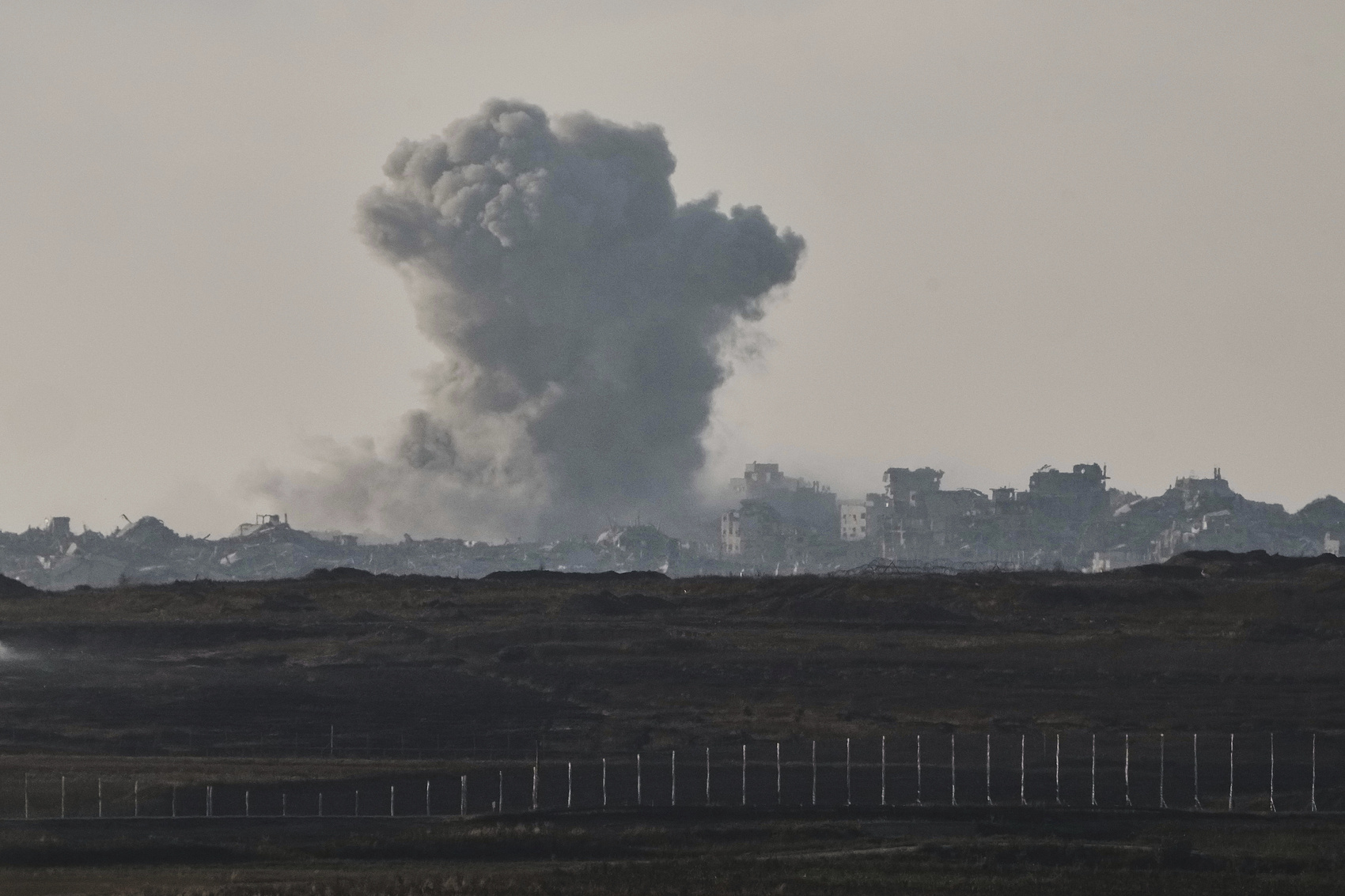
The convergence of two major market developments in April 2026 creates a critical window for e-commerce sellers to optimize supply chains and reduce operational costs. First, Iran's announcement on April 20, 2026, that the Strait of Hormuz is "completely open" following a ceasefire between Israel and Lebanon has immediately reduced shipping disruptions through this critical chokepoint, which handles approximately 21% of global maritime oil transit. This geopolitical resolution directly impacts e-commerce logistics: sellers relying on Asia-Pacific manufacturing (electronics, smart home devices, consumer tech) faced severe shipping delays and cost premiums during the disruption period. With the strait reopening, oil prices fell sharply, reducing fuel surcharges on international shipping routes. Industry analysis suggests sellers can expect 8-12% reductions in per-unit shipping costs for goods transiting from Southeast Asia and South Asia to North America and Europe over the next 60-90 days.
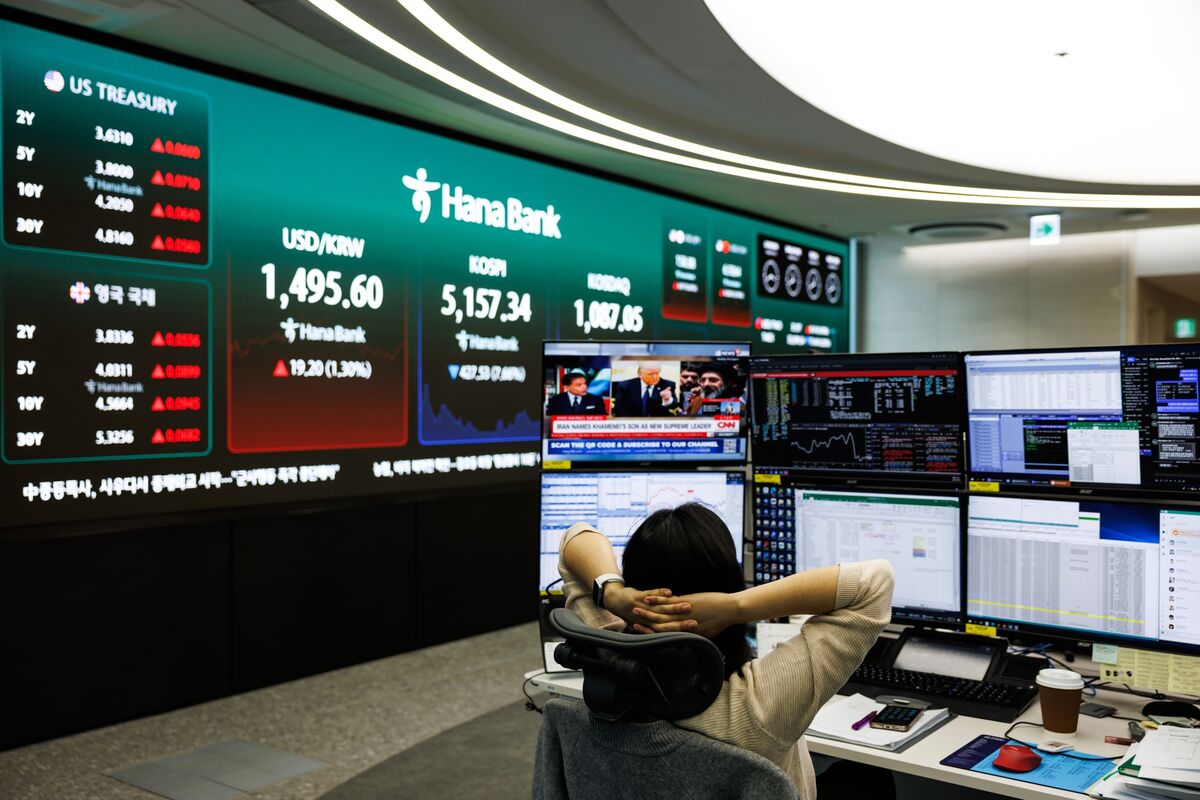
Simultaneously, record-breaking earnings from major chipmakers signal robust demand for AI infrastructure. SK Hynix reported a fivefold quarterly profit increase, Samsung projected an eightfold operating profit jump to nearly $38 billion for Q1 2026, and TSMC posted record first-quarter results with eight consecutive quarters of double-digit growth. These developments reflect hyperscalers' (Amazon Web Services, Google Cloud, Microsoft Azure) massive capital expenditures on AI infrastructure. This spending directly benefits e-commerce sellers through lower cloud infrastructure costs and improved platform performance. Amazon Seller Central, Shopify, and eBay rely on these hyperscaler services; as competition for AI chips intensifies and production scales, infrastructure costs typically decline 5-8% annually, translating to reduced platform fees and faster order processing.
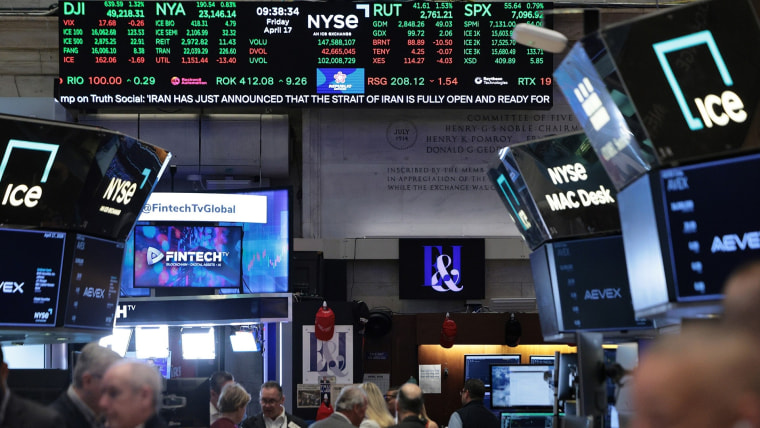
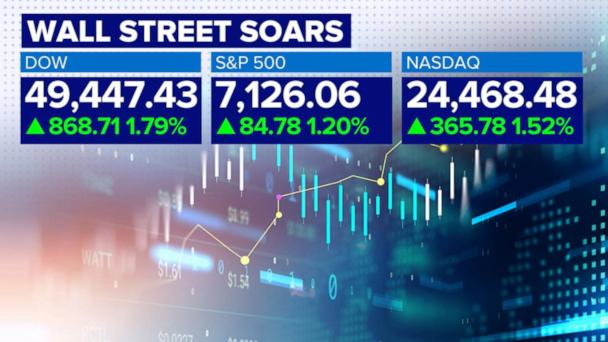
The operational impact varies by seller segment. Large sellers (10,000+ monthly units) shipping electronics, smart home, and consumer tech from Vietnam, Thailand, and India will see the most immediate benefit—estimated $15,000-40,000 monthly savings on shipping costs. Mid-size sellers (1,000-10,000 units) in these categories can expect $2,000-8,000 monthly reductions. Small sellers (<1,000 units) benefit less directly but gain from lower platform infrastructure costs. The timing window is critical: shipping cost reductions typically persist for 6-12 months after geopolitical stabilization, but competitors will quickly adjust pricing strategies. Sellers should lock in supplier contracts and negotiate freight rates immediately while the cost advantage exists. Additionally, the S&P 500's 1.2% gain and Nasdaq's 1.52% surge on April 20, 2026, signal investor confidence in consumer spending, suggesting increased demand for discretionary products (electronics, home goods, fashion) in Q2-Q3 2026.
Questions 8
Which product categories benefit most from Hormuz reopening?
Electronics, smart home devices, consumer tech, and computer peripherals benefit most because they're manufactured heavily in Vietnam, Thailand, and India—regions that ship through the Hormuz Strait to North America and Europe. These categories typically carry 15-25% shipping costs as a percentage of COGS, so 8-12% shipping reductions directly improve margins by 1.2-3%. Apparel and textiles see moderate benefits (5-8% cost reduction), while heavy industrial goods and furniture see minimal impact due to alternative shipping routes. Sellers should prioritize repricing electronics and smart home inventory to capture margin improvements before competitors adjust.
How do hyperscaler AI investments affect Amazon and Shopify seller fees?
Record earnings from TSMC, Samsung, and SK Hynix signal hyperscalers' massive AI infrastructure spending, which typically reduces cloud infrastructure costs 5-8% annually as production scales and competition intensifies. Amazon Seller Central, Shopify, and eBay rely on AWS, Google Cloud, and Azure services; lower infrastructure costs can translate to reduced referral fees (currently 6-45% by category) or faster order processing. However, platform fee reductions aren't guaranteed—companies may reinvest savings into AI features rather than passing costs to sellers. Sellers should monitor Q2-Q3 2026 earnings announcements for infrastructure cost guidance and potential fee adjustments.